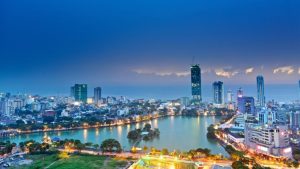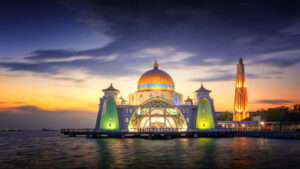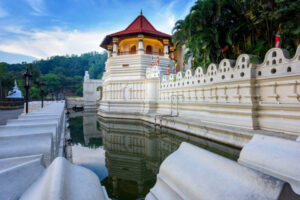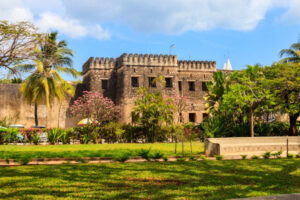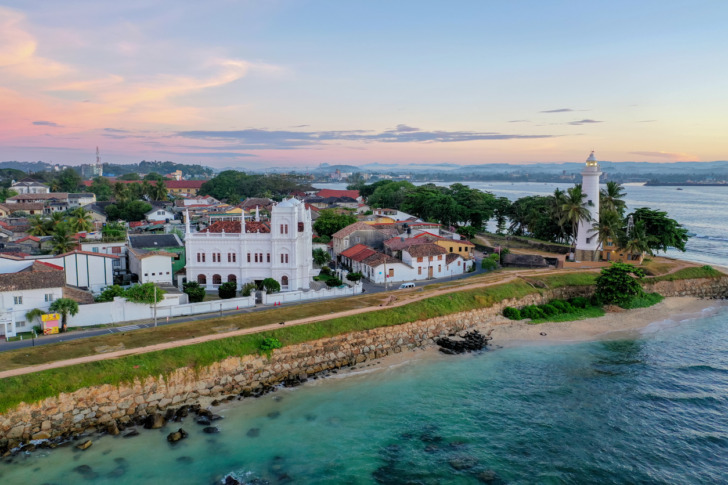
Galle sits on Sri Lanka’s southwest coast, where the Indian Ocean crashes against old stone walls and colonial streets seem to have been designed specifically for slow wandering.
It is best known for Galle Fort, a UNESCO-listed fortified old town shaped by Portuguese, Dutch, British, Arab, and Sri Lankan history.
The result is one of the most atmospheric coastal cities in South Asia: lighthouse views, boutique hotels, spice-scented cafes, cricket grounds, mosques, churches, temples, and sea spray all packed into a walkable old quarter.
Galle is also a practical stop between Colombo, Unawatuna, Mirissa, and Sri Lanka’s southern beaches.
It feels relaxed, stylish, and tourist-friendly, but it is still a real city in a tropical country, so smart precautions matter.
Warnings & Dangers in Galle

OVERALL RISK: LOW
Galle is generally safe for tourists, especially around Galle Fort, major hotels, cafes, restaurants, and daytime tourist areas. Violent crime against visitors is uncommon, and most problems involve overcharging, petty theft, pushy touts, road safety, or weather disruption. The city is safer when you use normal travel judgment and avoid isolated areas late at night.

TRANSPORT & TAXIS RISK: MEDIUM
Transport is one of the main safety annoyances in Galle. Tuk-tuk drivers may overcharge, take longer routes, or pressure tourists into shops and tours. Buses can be crowded and chaotic, and road rules are flexible in the most Sri Lankan way possible. Use ride apps when available, agree prices first, and wear seatbelts in cars.

PICKPOCKETS RISK: MEDIUM
Pickpocketing is not extreme in Galle, but it can happen around the bus station, railway station, markets, festivals, crowded streets, and busy beach areas. The Fort is calmer, but tourists carrying phones, cameras, and open bags still stand out. Keep valuables zipped, avoid back-pocket wallets, and be extra careful after dark.

NATURAL DISASTERS RISK: MEDIUM
Galle is exposed to tropical weather, heavy monsoon rain, coastal flooding, rough seas, and rare tsunami risk. The southwest monsoon usually affects the southern and western coasts from around May to September, with showers, humidity, and occasional travel disruption. Always take ocean warnings seriously, especially during rough surf or stormy weather.

MUGGING RISK: LOW
Muggings are not a major concern for most visitors in Galle. The tourist zones are usually active, social, and well-traveled. Still, petty crime becomes more likely when tourists walk alone late at night, use isolated beach paths, flash cash, or accept help from overly friendly strangers who appear out of nowhere.

TERRORISM RISK: MEDIUM
The day-to-day terrorism risk in Galle feels low, but Sri Lanka has experienced serious terrorist attacks in the past, and official travel advice still treats the threat as something that cannot be ignored. Tourist sites, hotels, places of worship, and large gatherings deserve extra awareness. Avoid crowds during tense periods and follow local security instructions.

SCAMS RISK: MEDIUM
Scams are one of the more realistic problems in Galle. Common issues include inflated tuk-tuk prices, fake “special” tours, gem or souvenir pressure, unofficial guides, and people steering you into shops for commission. Most are annoying rather than dangerous. The cure is simple: confirm prices, ignore pressure, and book through trusted operators.

WOMEN TRAVELERS RISK: MEDIUM
Many women travel safely in Galle, including solo travelers, but unwanted attention and harassment can happen in Sri Lanka, especially on public transport, beaches, and quiet streets at night. Galle Fort is usually comfortable, but caution still matters. Dress with local norms in mind, avoid isolated nighttime walks, and use trusted transport after dark.

TAP WATER RISK: MEDIUM
Tap water in Galle is not the best idea for most short-term visitors. Many locals may tolerate it, but travelers are more likely to get stomach issues. Use sealed bottled water or properly filtered water, avoid questionable ice, and brush your teeth with bottled water if you have a sensitive stomach.
Safest Places to Visit in Galle
Galle Fort
Galle Fort is the safest and most comfortable part of the city for most travelers.
It is walkable, scenic, busy with tourists, and packed with cafes, boutique hotels, galleries, shops, and historic landmarks.
During the day, it is the kind of place where you can wander slowly without feeling rushed or uneasy.
The streets are narrow, but traffic is lighter than in the newer parts of town.
Fort Ramparts and Galle Lighthouse
The ramparts around the Fort are one of the best places in Galle for a sunset walk.
The area around the lighthouse is popular, visible, and usually full of visitors taking photos.
It is safe during daylight and early evening, though you should still avoid sitting too close to rough waves or walking along poorly lit edges late at night.
Pedlar Street and Church Street
These are two of the most tourist-friendly streets inside Galle Fort.
They have restaurants, cafes, small hotels, shops, and foot traffic throughout the day.
They are ideal for first-time visitors because everything is close together, and help is easy to find if you need directions, transport, or a break from the heat.
Unawatuna and Dalawella Beach by Day
Unawatuna and Dalawella are just outside Galle and are popular with travelers looking for beach time.
During the day, they are generally safe, lively, and easy to enjoy.
The main risks are ocean currents, sunburn, petty theft from unattended bags, and getting into overpriced tuk-tuks after leaving the beach.
Places to Avoid in Galle
Galle Bus Stand and Railway Station Area Late at Night
The bus stand and train station are useful during the day, but they are not places to hang around unnecessarily after dark.
They can be crowded, noisy, poorly lit in parts, and attractive to pickpockets, touts, and opportunistic overcharging.
Keep your luggage close, arrange onward transport before arrival, and avoid looking lost with your phone out.
Isolated Beach Stretches After Dark
The beaches near Galle can feel magical at sunset, but empty beach stretches are not ideal late at night.
The risk is not that danger is guaranteed, but that you have fewer people around if something goes wrong.
Avoid walking alone on dark sections near Unawatuna, Dalawella, or quieter coastal roads after restaurants close.
Empty Backstreets Outside the Fort
Galle Fort is usually comfortable, but once you move into quieter parts of the newer city, some streets can feel less tourist-oriented after dark.
Avoid poorly lit alleys, deserted market areas, and side roads where there is little foot traffic.
Use a tuk-tuk or car instead of wandering without a clear route.
Demonstrations and Political Gatherings
Sri Lanka has gone through periods of political and economic tension, and demonstrations can happen.
Even peaceful gatherings can become unpredictable or create traffic problems.
If you see a protest, rally, large police presence, or roadblock, do not stop to watch.
Leave the area calmly and check with your hotel about local movement.
Safety Tips for Traveling to Galle
- Use trusted transport, especially at night. Tuk-tuks are part of the Galle experience, but do not treat every driver as your new best friend and financial advisor. Use ride-hailing apps when possible, ask your hotel what a fair price should be, or agree on the fare before getting in. At night, it is better to pay a little extra for a reliable ride than to negotiate with random drivers on a quiet street.
- Stay in or near Galle Fort for the easiest first visit. For most tourists, Galle Fort is the safest and most convenient base. You can walk to restaurants, attractions, cafes, shops, and sunset viewpoints without needing constant transport. It is also easier to navigate, more tourist-focused, and better lit than many outer areas. If safety and comfort are your priorities, this is the obvious choice.
- Keep your phone and wallet secured in crowded places. Galle is not a pickpocketing capital, but crowded transport areas and markets deserve attention. Use a zipped crossbody bag or front pocket, not a loose tote or back pocket. When taking photos, avoid placing your bag on walls, chairs, or beach sand. Most theft is simple opportunity, so do not create the opportunity.
- Avoid swimming when the sea looks rough. The ocean around southern Sri Lanka can be beautiful and moody. It is not a swimming pool with better branding. Currents, waves, rocks, and seasonal rough surf can make beaches dangerous, especially during monsoon periods. Swim only where others are swimming, follow red flags, and ask locals or hotel staff before entering unfamiliar water.
- Drink bottled or filtered water. Stomach problems can ruin a Galle trip faster than a bad tuk-tuk bargain. Stick to sealed bottled water or filtered water from a trusted hotel or restaurant. Be careful with ice in smaller local spots, and wash or peel fruit if you are buying it from markets. For short trips, it is not worth testing your digestive courage.
- Do not follow unofficial guides too easily. A friendly stranger offering a “secret viewpoint,” “cheap gem shop,” “local festival,” or “best price tour” may simply be working for commission. That does not always mean danger, but it often means pressure or inflated prices. Book tours through hotels, well-reviewed operators, or people you intentionally chose, not people who chose you on the street.
- Carry small cash, but do not show large amounts. Sri Lanka still runs heavily on cash for tuk-tuks, small restaurants, markets, and tips. Keep small notes handy, so you are not pulling out a thick stack for a coconut, ride, or temple donation. Use ATMs in banks, malls, or busy areas, and avoid exchanging money with random street dealers.
- Dress respectfully at religious sites. Galle has mosques, churches, Buddhist temples, and nearby cultural sites. Cover shoulders and knees when visiting religious places, remove shoes where required, and do not pose disrespectfully with statues or sacred objects. This is not just about safety, but it helps avoid awkward confrontations and shows basic respect for the place you came to enjoy.
- Watch the weather during monsoon season. From around May to September, the southwest coast can get heavy rain, short intense downpours, rough seas, and occasional flooding. Bring a light rain jacket, waterproof phone pouch, and footwear that can handle wet streets. If heavy rain hits, do not force long road trips or beach plans. Sri Lankan rain can go from romantic to ridiculous very quickly.
- Get travel insurance before you go. Galle is not a scary destination, but travel insurance is still smart. It can help with medical care, theft, lost luggage, trip delays, road accidents, and water activities. If you plan to surf, snorkel, ride scooters, or do adventure activities elsewhere in Sri Lanka, check that your policy actually covers those things. The cheapest policy is not always the most useful one.
So... How Safe Is Galle Really?
Galle is one of the safer and more comfortable cities for travelers in Sri Lanka, especially if your trip is centered around Galle Fort, nearby beaches, restaurants, and organized day trips.
The city has a strong tourism infrastructure, many English-speaking workers in the hospitality industry, and a compact historic center that is easy to explore without constant transport.
For most visitors, the realistic risks are not violent crime, but small-scale travel problems: tuk-tuk overcharging, petty theft, beach safety, heat, stomach issues, and poor decisions made after dark.
That said, Galle should not be treated like a sealed resort bubble.
Sri Lanka as a whole has country-level concerns, including political demonstrations, economic pressure, terrorism warnings, and monsoon-related flooding.
These issues do not usually affect the average tourist’s daily walk through Galle Fort, but they are still part of the safety picture.
My honest take: Galle is safe enough for couples, families, solo travelers, and experienced backpackers, as long as you travel with normal South Asia awareness.
Stay central, use trusted transport, avoid isolated areas at night, respect the ocean, and do not let friendly touts make decisions for you.
Do that, and Galle is more likely to charm you than scare you.
How Does Galle Compare?
| City | Safety Index |
|---|---|
 Galle Galle |
77 |
| Kandy |
73 |
| Colombo |
70 |
 Watertown Watertown | 63 |
| Calais | 88 |
| Boise | 85 |
| Maryland Heights | 79 |
 Bazaruto Archipelago Bazaruto Archipelago | 62 |
| Lauderhill | 75 |
Useful Information

Visas
Most tourists need an Electronic Travel Authorization before visiting Sri Lanka. In 2026, Sri Lanka introduced free 30-day tourist ETAs for travelers from a list of eligible countries, while other nationalities may still pay a fee that can vary by passport and application method. Apply before arrival whenever possible and check your exact nationality rules before booking.

Currency
Sri Lanka uses the Sri Lankan Rupee. In Galle, cards are accepted at many hotels, nicer restaurants, and boutiques, but cash is still essential for tuk-tuks, markets, small eateries, tips, and beach areas. Use bank ATMs or official exchange counters, and carry smaller notes because drivers and vendors may not have change.

Weather
Galle is hot, humid, and tropical year-round, with daytime temperatures usually feeling warm even in the “cooler” months. The best weather on the southwest coast is generally from November to April. From May to September, expect more rain and rougher seas. Pack light clothing, sunscreen, sandals, a hat, and a compact rain jacket.

Airports
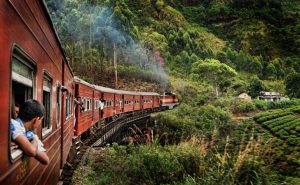
The main airport for Galle is Bandaranaike International Airport near Colombo. From there, Galle is roughly 2.5 to 3.5 hours by private transfer, expressway bus, or train, depending on traffic and route. The train along the coast is scenic, while a private car is the easiest choice with luggage or late arrivals.

Travel Insurance
Travel insurance is strongly recommended for Galle and Sri Lanka in general. Medical care, trip delays, lost baggage, theft, scooter accidents, food illness, and monsoon disruption can all turn into expensive headaches. Make sure your policy covers the activities you plan to do, especially surfing, snorkeling, hiking, or riding a scooter.
Galle Weather Averages (Temperatures)
Average High/Low Temperature
| Temperature / Month | Jan | Feb | Mar | Apr | May | Jun | Jul | Aug | Sep | Oct | Nov | Dec |
|---|---|---|---|---|---|---|---|---|---|---|---|---|
| High °C |
29 | 31 | 31 | 31 | 30 | 29 | 29 | 29 | 29 | 29 | 29 | 30 |
| Low °C |
22 | 23 | 24 | 25 | 26 | 25 | 25 | 25 | 25 | 24 | 24 | 23 |
| High °F |
84 | 88 | 88 | 88 | 86 | 84 | 84 | 84 | 84 | 84 | 84 | 86 |
| Low °F |
72 | 73 | 75 | 77 | 79 | 77 | 77 | 77 | 77 | 75 | 75 | 73 |
Sri Lanka - Safety by City
| City | Safety Index |
|---|---|
| Colombo | 70 |
| Galle | 77 |
| Kandy | 73 |