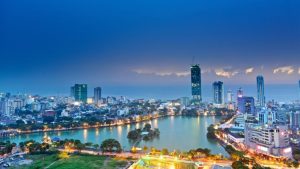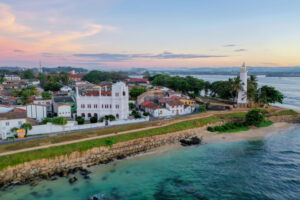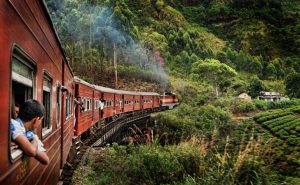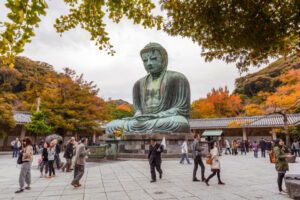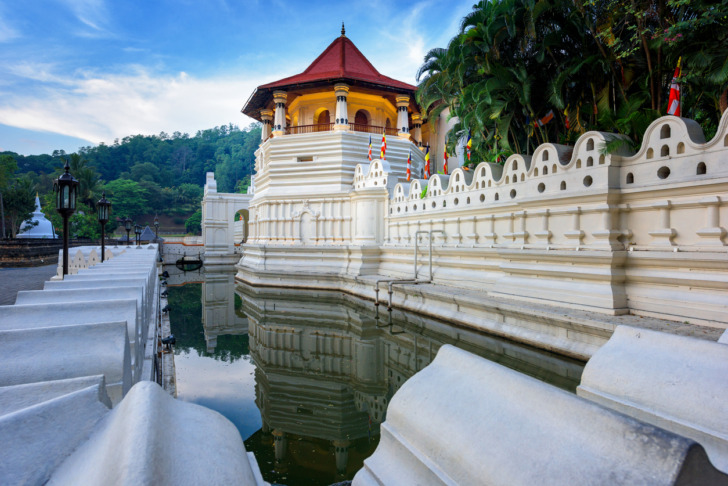
Kandy is one of Sri Lanka’s most important cultural cities, sitting in the island’s central hill country among green slopes, lake views, temples, colonial-era buildings, markets, tea-country roads, and busy local streets.
It is best known for the Temple of the Sacred Tooth Relic, one of the country’s most sacred Buddhist sites, where a tooth relic of Gautama Buddha is enshrined.
Kandy feels calmer than Colombo but busier and more urban than Sri Lanka’s beach towns, which gives it a mixed safety profile.
Most travelers visit safely, especially around the lake, temple area, hotels, and organized tours.
The main risks are traffic, petty theft, scams, food and water hygiene, political demonstrations, steep roads, heavy rain, landslides, and crowded religious or festival areas.
Warnings & Dangers in Kandy

OVERALL RISK: MEDIUM
Kandy is generally safe for tourists, but the overall risk is medium because Sri Lanka travel advisories still recommend heightened caution due to demonstrations, security concerns, crime, and terrorism risk. In Kandy itself, most visits are smooth if travelers use trusted transport, avoid protests, and stay alert in crowded areas.

TRANSPORT & TAXIS RISK: MEDIUM
Transport risk is medium. Kandy’s roads are busy, hilly, and sometimes chaotic, with buses, tuk-tuks, cars, pedestrians, and motorbikes all competing for space. Tuk-tuks and taxis are usually safe, but agree on the fare first or use a trusted app or hotel-arranged driver.

PICKPOCKETS RISK: MEDIUM
Pickpocketing can happen in crowded places such as Kandy Railway Station, the central market, bus areas, the Temple of the Tooth entrance, festivals, and busy shopping streets. The risk is not extreme, but tourists who carry loose phones, open bags, or visible wallets are easier targets.

NATURAL DISASTERS RISK: MEDIUM
Natural hazard risk is medium. Kandy’s hill-country location means heavy rain can cause flooding, landslides, road closures, and dangerous driving conditions. Sri Lanka was also affected by Cyclone Ditwah in late 2025, with Kandy among areas impacted by disruption, which is a reminder that severe weather can affect inland routes too.

MUGGING RISK: LOW
Mugging is uncommon in Kandy’s main tourist areas. Visitors can usually walk around the lake, temple zone, restaurants, and central hotel areas comfortably during the day and early evening. The risk rises slightly late at night in quiet streets, isolated viewpoints, or if walking alone after drinking.

TERRORISM RISK: MEDIUM
The day-to-day risk for tourists in Kandy is not high, but Sri Lanka’s official foreign travel advisories still mention terrorism and security concerns. Travelers should be alert around major religious sites, crowded festivals, transport hubs, and public gatherings. Avoid demonstrations and follow local security instructions without arguing.

SCAMS RISK: MEDIUM
Scams and overcharging are more common than serious crime. Watch for inflated tuk-tuk fares, fake guides, gem shop pressure, “special” cultural shows, vague tea factory tours, and commission-based shopping stops. Confirm prices, routes, and inclusions before accepting help, transport, or tours.

WOMEN TRAVELERS RISK: MEDIUM
Kandy is manageable for women travelers, including solo women, but caution is wise. Unwanted attention, staring, or persistent approaches can happen. Women should dress modestly around religious sites, use trusted transport after dark, avoid isolated streets at night, and choose well-reviewed accommodation.

TAP WATER RISK: MEDIUM
Tap water in Kandy is not recommended for most travelers to drink untreated. Use bottled, boiled, or properly filtered water. Food and water precautions are important in Sri Lanka, and travelers should also avoid contaminated water and reduce mosquito exposure.
Safest Places to Visit in Kandy
Temple of the Sacred Tooth Relic
The Temple of the Sacred Tooth Relic is Kandy’s most important attraction and one of the safest structured places to visit.
It is busy, guarded, culturally significant, and central.
Dress modestly, remove shoes where required, follow photography rules, and keep belongings secure in crowds, especially during prayer times and ceremonies.
Kandy Lake
Kandy Lake is one of the easiest and safest places for a walk during daylight and early evening.
The path around the lake gives good views of the temple, hills, birds, and city life.
Watch traffic when crossing roads, avoid poorly lit stretches late at night, and do not feed or disturb wildlife.
Royal Botanical Gardens, Peradeniya
The Royal Botanical Gardens in nearby Peradeniya are a safe and relaxing break from the city.
The gardens are spacious, green, and popular with families, couples, and tour groups.
Bring water, sun protection, and insect repellent, especially if visiting during warmer or wetter periods.
Bahirawakanda Buddha Viewpoint
The Bahirawakanda Buddha statue offers one of the best views over Kandy and is generally safe during the day.
It is best reached by tuk-tuk or car unless you are comfortable walking uphill.
Visit before dark, dress respectfully, and arrange return transport if you are not walking back.
Udawattakele Forest Reserve
Udawattakele Forest Reserve is a safe nature area when visited during official opening hours and in good weather.
It offers shaded trails, birds, monkeys, and a calm escape above the city.
Wear shoes with grip, carry water, and avoid wandering alone on quiet trails near closing time.
Places to Avoid in Kandy
Political Demonstrations and Public Gatherings
Avoid protests, demonstrations, or tense public gatherings anywhere in Kandy.
Even peaceful events can change quickly, and travelers should not photograph security personnel or try to get involved.
If you notice crowds forming around political activity, leave the area calmly.
Isolated Lake Paths Late at Night
Kandy Lake is pleasant during the day, but quiet sections after dark are less ideal for solo walking.
Poor lighting, traffic, stray dogs, and occasional petty crime concerns make it smarter to stick to active streets or use transport back to your hotel.
Unofficial Gem and Souvenir Stops
Kandy is known for gems, crafts, woodwork, batik, and souvenirs, but some drivers or guides may steer visitors to commission-heavy shops.
Avoid high-pressure sales situations, especially for expensive gems or “investment” stones.
Buy only from reputable shops if you know what you are doing.
Hill Roads During Heavy Rain
Roads around Kandy can become slippery, blocked, or dangerous during heavy rain.
Avoid unnecessary travel on steep or rural roads in bad weather, especially toward tea areas, viewpoints, waterfalls, or mountain routes.
Use experienced drivers and keep plans flexible.
Crowded Festival Areas With Loose Belongings
Kandy’s major religious events can be spectacular, especially the Esala Perahera, but crowds can be intense.
Avoid carrying large bags, visible cash, or loose valuables.
Arrive early, stay with your group, and plan how you will leave afterward.
Safety Tips for Traveling to Kandy
- Use trusted tuk-tuks and drivers. Tuk-tuks are useful in Kandy, but prices should be agreed before the ride unless using an app or hotel-arranged driver. Confirm the destination, fare, waiting time, and whether stops are included. This is especially important for viewpoints, botanical gardens, tea factories, and day trips.
- Dress respectfully at religious sites. The Temple of the Tooth and other Buddhist sites are living religious spaces, not just sightseeing stops. Cover shoulders and knees, remove hats where appropriate, and take off shoes when required. Avoid loud behavior, careless selfies, or blocking worshippers. Respectful behavior also makes interactions smoother.
- Keep valuables secure in crowds. Markets, station areas, temple entrances, and festival crowds are where petty theft is most likely. Keep your bag zipped and in front of you, avoid back-pocket wallets, and do not leave phones on restaurant tables. Most theft is opportunistic and easy to prevent.
- Be careful with food and water. Kandy has good restaurants and local food, but visitors should still be cautious. Drink bottled, boiled, or filtered water. Choose busy places with fresh turnover, be careful with raw salads, ice, street juices, and lukewarm food. Your stomach is not the place to prove bravery.
- Avoid demonstrations completely. Sri Lanka can experience public protests or political gatherings. Travelers should avoid them, even out of curiosity. Crowds can attract police, road closures, or sudden tension. If a driver or hotel tells you to avoid an area, listen and change plans.
- Plan around rain. Kandy’s hill-country weather can shift quickly. Heavy rain can make roads slower, steps slippery, and viewpoints foggy. Carry a light rain jacket or umbrella, wear shoes with grip, and avoid rushing on wet stone paths around temples, the lake, and hill viewpoints.
- Be careful with monkeys and stray animals. Monkeys around temples, gardens, and viewpoints can grab food or bags. Do not feed them, do not tease them, and do not hold snacks openly near them. Stray dogs are also common, especially at night. Avoid approaching animals and seek medical help for bites or scratches.
- Watch traffic constantly. Crossing streets in Kandy requires attention. Traffic can feel unpredictable, and vehicles may not stop the way you expect. Cross slowly, watch both directions, and avoid stepping into roads while looking at your phone. This is one of the most practical safety habits in the city.
- Use caution with day trips. Kandy is a base for tea country, Sigiriya, Dambulla, Nuwara Eliya, waterfalls, and hill viewpoints, but travel times can be long. Use reputable drivers, start early, avoid night returns on mountain roads when possible, and do not pack too many distant places into one day.
- Carry small cash. Sri Lanka is still cash-heavy in many everyday situations. Carry small notes for tuk-tuks, market purchases, temple shoe storage, tips, snacks, and small cafes. Keep larger cash and backup cards separate. This helps you avoid flashing money or struggling with change.
So... How Safe Is Kandy Really?
Kandy is safe enough for most travelers, but it is not a destination where you should switch off completely.
The city is culturally rich, scenic, and well established on Sri Lanka’s tourist route, with major attractions, hotels, restaurants, guides, and transport options.
Most visitors explore the temple, lake, gardens, markets, viewpoints, and nearby tea-country roads without serious problems.
The main risks are practical rather than violent.
Traffic can be chaotic, scams and overcharging can happen, food and water hygiene require care, and crowded places need normal theft awareness.
Weather is also important.
Kandy sits in the hills, so heavy rain can affect roads, trails, and day trips more than visitors expect.
Security and political awareness matter too.
Sri Lanka’s current travel advisories still recommend caution because of demonstrations, crime, terrorism concerns, and security risks, so travelers should avoid protests, follow local advice, and stay flexible.
Overall, Kandy is low risk for violent crime but medium risk for traffic, scams, weather, food and water issues, and crowded religious or public events.
It is a memorable, beautiful, and worthwhile city when visited with awareness and respect.
How Does Kandy Compare?
| City | Safety Index |
|---|---|
 Kandy Kandy |
73 |
| Galle |
77 |
| Colombo |
70 |
 Las Palmas Las Palmas | 74 |
 Nesvizh Nesvizh | 55 |
 Glasgow Glasgow | 60 |
 West Fargo West Fargo | 78 |
| Littleton | 78 |
| Cody | 80 |
Useful Information

Visas
Kandy is in Sri Lanka. Many travelers need an Electronic Travel Authorization before arrival. Sri Lanka’s official ETA site states that, from 25 May 2026, nationals of 40 countries are eligible for a free 30-day tourist ETA, but rules vary by passport and can change.

Currency
Kandy uses the Sri Lankan rupee. Cards are accepted in many hotels, larger restaurants, and shops, but cash is useful for tuk-tuks, markets, small cafes, temples, tips, and local purchases. Carry smaller notes and use reputable ATMs or banks.

Weather
Kandy has a warm tropical hill-country climate with rain possible throughout the year. The city is cooler than Sri Lanka’s coast, but humidity, sudden showers, and slippery roads are common. Pack light clothing, rain protection, sunscreen, insect repellent, and comfortable shoes with grip.

Airports
Kandy does not have a major international airport for most travelers. The main gateway is Bandaranaike International Airport near Colombo, followed by train, private driver, bus, or transfer to Kandy. The train journey is scenic, while road travel can be slow because of traffic and hills.

Travel Insurance
Travel insurance is recommended for Kandy, especially if your trip includes long road transfers, train travel, hill-country day trips, hiking, religious festivals, or multiple Sri Lankan destinations. Choose coverage for medical care, cancellations, delays, lost luggage, theft, food illness, weather disruption, and emergency transport.
Kandy Weather Averages (Temperatures)
Average High/Low Temperature
| Temperature / Month | Jan | Feb | Mar | Apr | May | Jun | Jul | Aug | Sep | Oct | Nov | Dec |
|---|---|---|---|---|---|---|---|---|---|---|---|---|
| High °C |
28 | 29 | 31 | 31 | 30 | 29 | 29 | 29 | 29 | 29 | 28 | 28 |
| Low °C |
19 | 19 | 20 | 21 | 22 | 22 | 22 | 22 | 21 | 21 | 20 | 19 |
| High °F |
82 | 84 | 88 | 88 | 86 | 84 | 84 | 84 | 84 | 84 | 82 | 82 |
| Low °F |
66 | 66 | 68 | 70 | 72 | 72 | 72 | 72 | 70 | 70 | 68 | 66 |
Sri Lanka - Safety by City
| City | Safety Index |
|---|---|
| Colombo | 70 |
| Galle | 77 |
| Kandy | 73 |