


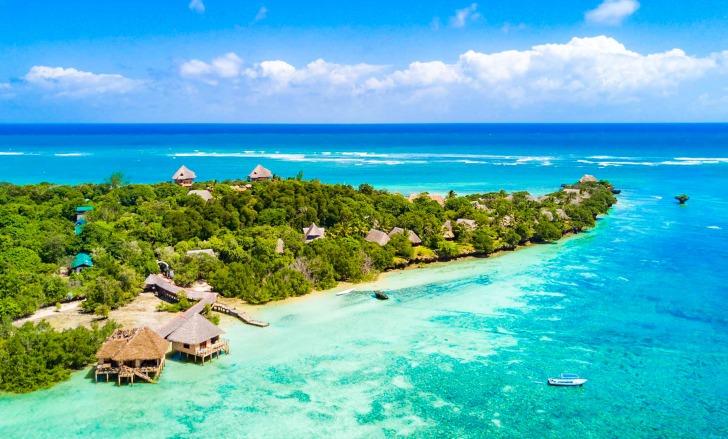
If Nairobi is Kenya’s beating heart, then Mombasa is its sun-soaked soul.
Sitting on the southeastern coast of Kenya along the Indian Ocean, Mombasa is the country’s oldest and second-largest city.
It blends Swahili culture, Arab influence, Portuguese history, and modern beach tourism into one colorful coastal destination.
Think white sand beaches, coral reefs, centuries-old architecture, and warm tropical breezes.
From wandering the narrow alleys of Old Town to exploring the historic Fort Jesus or relaxing along Diani and Nyali beaches, Mombasa offers a completely different vibe from inland safari destinations.
But like many major cities in East Africa, safety is something travelers understandably ask about.
After researching crime trends, local conditions, and traveler experiences, here’s my honest, practical breakdown.
Warnings & Dangers in Mombasa

OVERALL RISK: MEDIUM
Mombasa is generally safe for tourists who stick to the main areas and exercise common sense. Violent crime exists but is not typically targeted at visitors staying in tourist zones. Petty theft and opportunistic crime are the bigger concerns. Compared to other coastal cities in the region, Mombasa falls into a manageable but not carefree category.

TRANSPORT & TAXIS RISK: MEDIUM
Public minibuses known as matatus can be chaotic and are not ideal for first-time visitors. Licensed taxis and ride-hailing apps are safer options. At night, unregistered taxis pose more risk. Road conditions vary, and traffic accidents are relatively common, especially outside central tourist corridors.

PICKPOCKETS RISK: MEDIUM
Crowded areas such as markets, ferry crossings, bus stations, and Old Town are prime spots for pickpocketing. Bag snatching also occurs. While not rampant, petty theft is one of the most common issues travelers report. Staying alert in busy public areas significantly reduces the risk.

NATURAL DISASTERS RISK: MEDIUM
Mombasa is not prone to earthquakes or major natural disasters. However, seasonal flooding during the long rains from April to June can disrupt travel and infrastructure. Strong coastal storms occasionally affect beach conditions. Heat and humidity can also cause dehydration if you are not prepared.

MUGGING RISK: MEDIUM
Muggings do happen, particularly in poorly lit areas at night or in less developed neighborhoods. Tourists walking alone after dark outside the main beach zones increase their risk. Most incidents are opportunistic rather than violent, but isolated armed robberies have been reported.

TERRORISM RISK: MEDIUM
Kenya has experienced terrorist incidents in the past, particularly related to regional extremist groups. Coastal areas, including Mombasa, have occasionally faced security concerns. That said, visible security presence in hotels, malls, and tourist attractions has increased significantly over the years.

SCAMS RISK: MEDIUM
Common scams include inflated prices for tours, unofficial beach operators, fake tour guides, and currency exchange tricks. Some beach “guides” can be persistent. Overcharging in informal settings is common. Booking tours through reputable hotels or established agencies reduces this risk.

WOMEN TRAVELERS RISK: MEDIUM
Solo women can travel in Mombasa, but street harassment and unwanted attention can occur, especially on beaches and in non-touristy areas. Dressing modestly in local neighborhoods and avoiding isolated areas at night helps minimize issues. Resorts and organized tours are generally safe.

TAP WATER RISK: HIGH
Tap water in Mombasa is not considered safe for drinking. Visitors should use bottled water or filtered water for drinking and brushing teeth. Even some locals prefer filtered options. Ice in reputable hotels is usually treated, but caution is still advised outside major establishments.
Safest Places to Visit in Mombasa
Nyali: Modern, Polished, and Well-Patrolled
Nyali is where most first-time visitors feel instantly at ease.
This upscale coastal neighborhood is home to international-standard resorts, gated residential communities, shopping malls like City Mall and Nyali Centre, and private beach access points.
Security guards are common outside hotels, banks, and retail centers, and the streets are generally well-lit compared to older parts of the city.
Nyali Beach itself is lively during the day, with families, water sports operators, and hotel guests filling the shoreline.
Because tourism is concentrated here, local authorities and private security prioritize safety.
If you want comfort, infrastructure, and predictability, Nyali is the safest base in Mombasa.
Diani Beach: Resort Security and Relaxed Atmosphere
Technically south of Mombasa across the Likoni Ferry, Diani Beach deserves special mention.
It consistently ranks as one of the safest coastal zones in Kenya.
Resorts here operate with controlled entrances, security patrols, and organized excursions.
The beach is long, wide, and rarely feels overcrowded.
Many travelers spend their entire coastal stay in Diani because it offers peace of mind alongside natural beauty.
Stick to established beach sections near resorts, and you will likely feel very comfortable.
Fort Jesus and Daytime Old Town Exploration
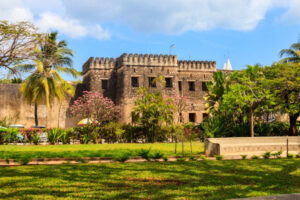
Fort Jesus is heavily monitored and one of the most visited landmarks in the city.
The surrounding Old Town area is safe during the day when shops are open, and tourists are present.
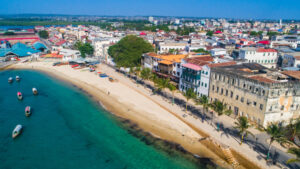
The narrow streets are filled with carved wooden doors, spice shops, and Swahili architecture.
Exploring Old Town in daylight with a licensed guide adds both safety and historical depth.
The presence of visitors and businesses creates a secure daytime environment.
Haller Park and Marine Parks
Haller Park, a wildlife sanctuary built from a former quarry, is organized, ticketed, and well-maintained.
It attracts families and school groups, making it a safe daytime activity.
Boat trips to Mombasa Marine National Park are generally safe when booked through reputable operators.
Registered guides and clearly structured excursions significantly reduce risk.
Places to Avoid in Mombasa
Isolated Areas of Likoni
Likoni is primarily known for its ferry connection to the southern coast, but beyond the main ferry terminal and resort transfer routes, parts of Likoni have higher crime rates.
It is not a tourist neighborhood, and wandering inland without a clear reason or local guidance is not recommended.
The ferry crossing itself can be extremely crowded.
While not inherently dangerous, it is a hotspot for pickpocketing.
Keep your belongings close and avoid distractions.
Inland Residential Neighborhoods
Areas such as parts of Kisauni and some sections of Changamwe are working-class residential districts with limited tourism infrastructure.
These neighborhoods are not attractions, and crime rates are higher compared to coastal resort areas.
There is little reason for travelers to explore them independently.
If you are heading toward Moi International Airport through Changamwe, travel directly and avoid unnecessary stops.
Empty Beaches After Dark
During the day, Mombasa’s beaches are vibrant and social.
After sunset, many become quiet and poorly lit.
Walking alone along isolated stretches at night significantly increases vulnerability to theft or confrontation.
Stick to hotel grounds or arrange transport for evening outings rather than strolling on dark beaches.
Old Town After Closing Hours
Old Town transforms once the shops close.
The charming daytime bustle gives way to dim lighting and empty alleys.
While serious incidents are not constant, the lack of foot traffic reduces the natural safety buffer created by crowds.
Visit in the morning or afternoon, enjoy its culture and architecture, then return to more active neighborhoods before nightfall.
Safety Tips for Traveling to Mombasa
- Use reputable transportation. Stick to licensed taxis, hotel-arranged drivers, or ride-hailing apps. Avoid random street taxis at night. For longer trips, such as to Diani, arrange transport in advance through your hotel.
- Avoid walking alone after dark. Even in tourist areas, nighttime walks on empty streets or beaches increase risk. Use transport for evening outings and stay in well-lit, busy areas.
- Keep valuables discreet. Do not display expensive jewelry, cameras, or large amounts of cash. Use anti-theft bags in crowded markets and keep phones secure near roads to avoid snatching.
- Book tours through established providers. Beach operators may approach you with “special deals.” Politely decline and book snorkeling, safaris, or boat trips through recognized agencies or your hotel.
- Stay hydrated safely. Only drink bottled or filtered water. Carry your own water during excursions. Heat and humidity can be intense, and dehydration is common among first-time visitors.
- Monitor local news. Before traveling, check government travel advisories. Conditions can change, and it is wise to stay updated on regional security developments.
- Dress appropriately. While beachwear is fine at resorts, modest clothing is more respectful in Old Town and local neighborhoods. Blending in reduces unwanted attention.
- Use hotel safes. Store passports, extra cash, and electronics in your hotel safe. Carry only what you need for the day.
- Be cautious at the Likoni Ferry. The ferry is safe but crowded. Hold your belongings tightly and stay alert. Avoid displaying phones near the edge.
- Invest in comprehensive travel insurance. Medical facilities in Mombasa are improving, but may not meet Western standards. Insurance that covers evacuation to Nairobi or abroad is a smart precaution.
So... How Safe Is Mombasa Really?
Mombasa is not a zero-risk destination, but it is far from a no-go zone.
Kenya’s tourism industry is a major part of the national economy, and coastal security has improved considerably over the past decade.
Police presence around resorts, airports, malls, and major attractions is visible.
Crime statistics show that petty theft and opportunistic robbery are the most common concerns, rather than systematic violence against tourists.
Terrorism remains a regional issue in East Africa, but incidents targeting tourists in Mombasa have been rare in recent years.
Most visitors who stay in Nyali or Diani and use organized transport report positive experiences.
The biggest risks are preventable through situational awareness and practical precautions.
In my view, Mombasa earns a solid medium safety rating.
It rewards smart travelers with culture, beaches, and history while demanding reasonable caution.
How Does Mombasa Compare?
| City | Safety Index |
|---|---|
 Mombasa Mombasa |
60 |
| Nairobi |
45 |
 Samal Island Samal Island | 73 |
 Papillion Papillion | 78 |
 Yerevan Yerevan | 70 |
| Elgin | 88 |
| Hood River | 82 |
 San Luis Potosi San Luis Potosi | 65 |
Useful Information

Visas
Most travelers need an electronic travel authorization before arriving in Kenya. Applications are submitted online, typically approved within a few days. Fees generally range around 30 to 50 US dollars, depending on nationality. Passports must be valid for at least six months.

Currency
The local currency is the Kenyan Shilling. US dollars are widely accepted in tourist areas, but small vendors prefer local currency. Use official banks or ATMs for better exchange rates. Avoid informal street currency exchanges.

Weather
Mombasa has a tropical climate with high humidity year-round. Temperatures average between 25 and 32 degrees Celsius. Light clothing, sunscreen, hats, and breathable fabrics are essential. The long rainy season runs from April to June.

Airports
Moi International Airport serves Mombasa with domestic and limited international flights. It is about 10 to 15 kilometers from the city center. Taxis and hotel transfers are readily available. Travel time varies depending on traffic.

Travel Insurance
Travel insurance is strongly recommended. It should cover medical treatment, theft, trip cancellation, and evacuation. While many visits are trouble-free, having coverage offers peace of mind in case of illness or unexpected security disruptions.
Mombasa Weather Averages (Temperatures)
Average High/Low Temperature
| Temperature / Month | Jan | Feb | Mar | Apr | May | Jun | Jul | Aug | Sep | Oct | Nov | Dec |
|---|---|---|---|---|---|---|---|---|---|---|---|---|
| High °C |
32 | 32 | 32 | 31 | 29 | 28 | 28 | 28 | 29 | 30 | 31 | 31 |
| Low °C |
24 | 24 | 25 | 24 | 23 | 22 | 21 | 21 | 22 | 23 | 24 | 24 |
| High °F |
90 | 90 | 90 | 88 | 84 | 82 | 82 | 82 | 84 | 86 | 88 | 88 |
| Low °F |
75 | 75 | 77 | 75 | 73 | 72 | 70 | 70 | 72 | 73 | 75 | 75 |
Kenya - Safety by City
| City | Safety Index |
|---|---|
| Mombasa | 60 |
| Nairobi | 45 |





Fort Jesus
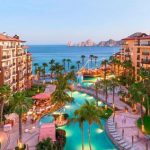
If you’re a history buff you would love to see the world heritage site Fort Jesus, impressive that centuries have passed and that structure still stands to this day. Aside from that stay in a hotel beach resort and you’d love to take a dip in the clear waters! Just do take caution and not to travel alone around the city at night…
I can’t believe how vibrant the Old Town is with all those colorful shops; it felt like stepping back in time while still enjoying the ocean breeze!
After wandering the narrow alleys of Old Town and cooling off at Nyali beach, I had sun on my shoulders and a goofy smile thanks to the spice market smells.
Never expected the Old Town alleys to hit so strongly with clove, sea salt and frying samosas, I actually stopped, breathed it in and grinned like an idiot.
When you researched safety, did you get the same vibe I did where the warm tropical breeze on Nyali beach felt totally relaxing but the narrow alleys of Old Town left me a bit on edge after dark?
Strolled Old Town at sunset and the smell of spices and warm ocean breeze made me tear up.
Spent an afternoon at Nyali Beach and the breeze mixed with the sound of waves made me forget all my worries for a bit.