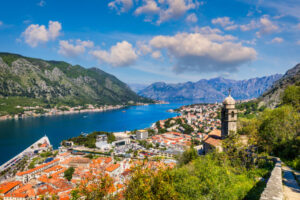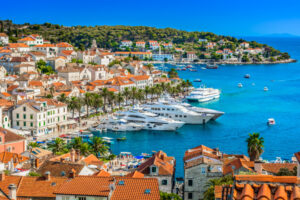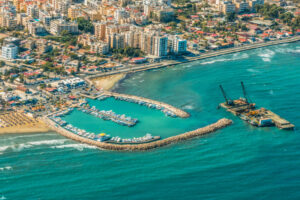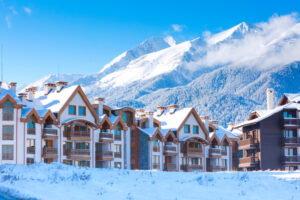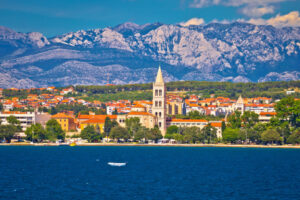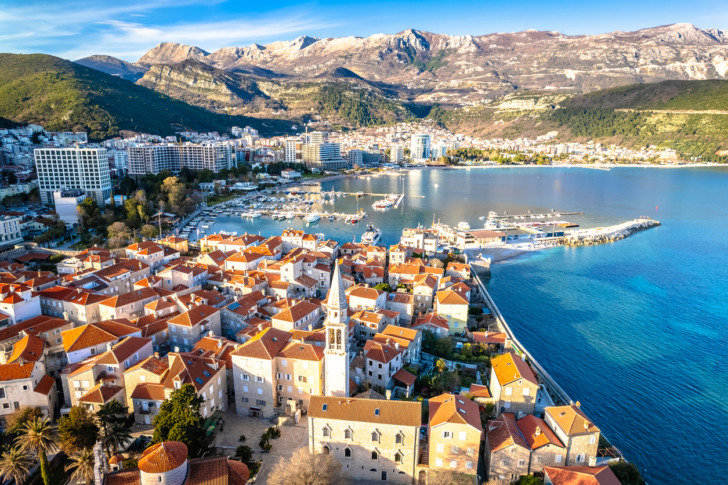
Budva is Montenegro’s best-known beach town, sitting on the Adriatic coast between dramatic mountains, pebble beaches, marinas, medieval walls, and a nightlife scene that gets very loud in summer.
It is one of the oldest settlements on the Adriatic, with a compact Old Town full of stone lanes, churches, cafes, and sea views, but it also has a modern resort side with beach clubs, apartments, casinos, and party crowds.
Budva is generally safe for tourists, especially during the day in the Old Town, marina, and main beach areas.
The main concerns are not usually violent crime, but pickpocketing, overcharging, nightlife trouble, road safety, beach theft, summer crowds, and water conditions.
Warnings & Dangers in Budva

OVERALL RISK: LOW
Budva is a low-risk destination for most travelers. Violent crime is uncommon, the tourist areas are active, and the town is used to international visitors. The risk rises in peak summer because of crowds, alcohol, nightlife, traffic, and petty theft around beaches, clubs, and the Old Town.

TRANSPORT & TAXIS RISK: MEDIUM
Transport risk is medium because Budva’s roads can become crowded, narrow, and stressful during summer. Taxis are usually safe, but prices should be confirmed before the ride. Parking can be difficult, scooters are risky for inexperienced riders, and coastal roads can be busy after dark.

PICKPOCKETS RISK: MEDIUM
Pickpocketing is possible in Budva, especially in the Old Town, beach promenades, nightlife areas, bus station, markets, and crowded summer events. The risk is not extreme, but tourists with open bags, loose phones, and back-pocket wallets can become easy targets.

NATURAL DISASTERS RISK: LOW
Natural disaster risk is low, though storms, heavy rain, wildfires in the wider region, heatwaves, earthquakes, rough seas, and slippery coastal rocks can affect travel. The most realistic concerns for visitors are summer heat, dehydration, sudden storms, and unsafe swimming conditions during rough water.

MUGGING RISK: LOW
Mugging is rare in Budva, especially in central tourist areas. Visitors can usually walk around the Old Town, marina, promenade, and main beaches comfortably. The risk increases slightly late at night in quiet streets, isolated beach areas, or when walking alone after drinking.

TERRORISM RISK: LOW
The terrorism risk in Budva is low. Montenegro is not generally considered a high-risk terrorism destination, and Budva is mainly a beach and nightlife resort. Travelers should still use normal awareness in crowded events, clubs, ports, and public spaces, but terrorism is not a major concern.

SCAMS RISK: MEDIUM
Scams in Budva usually involve tourist overcharging rather than serious fraud. Watch for unclear taxi fares, inflated restaurant bills, vague boat-trip prices, nightclub cover charges, beach chair fees, and rental disputes. Confirm prices before agreeing, especially in peak summer.

WOMEN TRAVELERS RISK: LOW
Budva is generally safe for women travelers, including solo women. The Old Town, beaches, restaurants, and main hotel areas are comfortable. A medium level of caution is smart at night around clubs, beach parties, and quieter streets. Use taxis after dark if staying away from the center.

TAP WATER RISK: LOW
Tap water in Budva is generally safe to drink, though some travelers prefer bottled water because of taste or stomach sensitivity. In summer, carry water constantly, especially for beach days, nightlife recovery, and walks in the heat. Dehydration is more likely than water-related illness.
Safest Places to Visit in Budva
Budva Old Town
Budva Old Town is one of the safest and most atmospheric areas for visitors.
It is compact, pedestrian-friendly, and full of restaurants, churches, shops, galleries, and historic stone streets.
During the day and early evening, it feels comfortable and lively.
The main safety issue is crowding, especially in summer when narrow lanes fill with visitors.
Budva Marina
The marina area is scenic, central, and generally safe.
It is a good place for walks, restaurants, boat tours, and views of the Old Town walls.
It can get busy at night, so keep belongings secure and watch for unclear boat or taxi pricing.
Slovenska Beach
Slovenska Beach is Budva’s main beach and one of the easiest places for tourists to spend the day.
It has restaurants, cafes, loungers, water activities, and constant foot traffic.
It is generally safe, but beach theft is possible, so do not leave valuables unattended while swimming.
Mogren Beach
Mogren Beach is one of Budva’s prettiest and safer beach options when visited during the day.
The walk from the Old Town is scenic, though the path can feel narrow in places.
Wear shoes with grip, watch for rocks, and avoid the area after dark if it becomes quiet.
Sveti Stefan Viewpoints
Sveti Stefan, south of Budva, is one of Montenegro’s most famous coastal sights.
The viewpoints, nearby beaches, and walking areas are generally safe during daylight.
It is best visited by taxi, rental car, or organized transport.
Watch for traffic and avoid standing in unsafe roadside photo spots.
Places to Avoid in Budva
Empty Beaches After Dark
Budva’s beaches are fun during the day, but empty beach stretches after dark are not ideal for solo wandering.
Avoid swimming at night, sleeping on the beach, or carrying valuables to quiet areas.
If you want nightlife, stay near active, well-lit zones.
Nightclub Areas When Heavily Intoxicated
Budva’s summer nightlife is famous, but alcohol brings the usual problems: arguments, lost phones, drink safety concerns, theft, and unsafe transport choices.
The town is not especially dangerous, but the risk rises when visitors are drunk, separated from friends, or walking back alone late.
Unclear Taxi or Boat Offers
Avoid drivers or boat operators who cannot clearly explain the fare, route, waiting time, or return details.
This is especially important near the marina, bus station, beaches, and nightlife areas.
Budva is touristy enough that vague pricing can quickly become expensive.
Narrow Coastal Roads on Foot
Some roads around Budva, Becici, Jaz Beach, and Sveti Stefan are not ideal for pedestrians.
Avoid walking along narrow roads with no sidewalk, especially after dark.
Cars, buses, scooters, and taxis can pass close, and summer traffic makes the roads more stressful.
Crowded Summer Promenades With Loose Belongings
The promenade can become packed in July and August.
It is not dangerous, but it is a classic place to lose a phone, wallet, sunglasses, or bag.
Keep belongings close and avoid walking distracted with valuables in your hand.
Safety Tips for Traveling to Budva
- Stay close to the Old Town or beach zone if you want easy nights. Budva is safest and easiest when you can walk between your hotel, dinner, beach, and main sights without relying on late-night transport. Staying near the Old Town, marina, Slovenska Beach, or a well-reviewed central area reduces the chance of long walks through quiet streets after dark.
- Confirm taxi prices before the ride. Taxi pricing can be one of the more annoying parts of Budva, especially in summer. Before getting in, confirm the fare or make sure the meter is being used. This matters for rides to Becici, Jaz Beach, Sveti Stefan, Kotor, Tivat Airport, or nightlife areas.
- Keep valuables off the beach. Beach theft is one of the easiest problems to prevent. Bring only what you need, avoid taking passports or large cash to the beach, and do not leave phones, wallets, or cameras unattended while swimming. If traveling solo, use a waterproof pouch or choose organized beach areas.
- Watch your drink in nightlife areas. Budva nightlife can be fun, but it deserves basic caution. Keep control of your drink, stay with people you trust, and avoid following strangers to private parties or unknown venues. Most nightlife problems happen when people get too drunk, separated, or careless.
- Wear shoes with grip. Budva has stone streets, steps, beach rocks, wet surfaces, and narrow coastal paths. Comfortable shoes matter, especially in the Old Town, on the walk to Mogren Beach, and around viewpoints. Flip-flops are fine for the sand, but not for every part of town.
- Be careful with scooters and rental cars. Scooters look convenient, but Budva traffic can be busy and impatient in summer. If you are not experienced, skip the scooter. If renting a car, plan parking ahead and avoid driving into congested central areas unless necessary. Never drive after drinking.
- Use reputable boat operators. Boat trips to nearby beaches and along the coast can be great, but confirm the price, route, duration, group size, and return time before paying. Ask what happens if weather changes. Avoid operators who pressure you or give vague answers.
- Check beach and sea conditions. The Adriatic usually looks calm and inviting, but conditions can change. Watch for waves, slippery rocks, boat traffic, and deep water near swimming areas. Do not swim after heavy drinking, during storms, or in places where locals are avoiding the water.
- Avoid peak crowd times if you dislike chaos. Budva can feel very crowded in July and August. Beaches fill, traffic slows, restaurants get packed, and prices rise. If you want a safer, calmer experience, visit in May, June, September, or early October. The weather is still pleasant, and the town feels less frantic.
- Keep cash and documents secure. Carry only the cash you need for the day, and leave your passport, backup cards, and extra money locked at your accommodation when possible. Budva is safe, but losing your wallet in a crowded beach town is a very unromantic way to spend a vacation afternoon.
So... How Safe Is Budva Really?
Budva is safe for most travelers, especially during the day in the Old Town, marina, beaches, restaurants, and main hotel areas.
It is one of Montenegro’s busiest tourist destinations, and the local economy is built around visitors.
Violent crime is uncommon, and most tourists will not experience anything worse than crowds, high prices, or a mild taxi argument.
The real safety profile changes with the season.
Outside peak summer, Budva feels relaxed, scenic, and fairly easy.
In July and August, the town becomes louder, busier, more expensive, and more nightlife-focused.
That is when petty theft, overcharging, alcohol-related incidents, and traffic problems become more likely.
Budva is not dangerous, but it is not a sleepy village either.
It is a resort town with beaches, clubs, boats, scooters, and crowds.
The safest visitors are the ones who secure valuables, confirm prices, use common sense at night, and avoid risky transport decisions.
Overall, Budva is low risk for ordinary travel and medium risk for nightlife-heavy trips, peak-season crowds, and careless beach behavior.
It is safe, fun, and very easy to enjoy when approached with basic awareness.
How Does Budva Compare?
| City | Safety Index |
|---|---|
 Budva Budva |
75 |
| Kotor |
79 |
| Podgorica |
51 |
 Arkansas Arkansas | 74 |
 Geneva Geneva | 90 |
| Woodstock | 88 |
| Tiffin | 78 |
| Bloomington | 76 |
| Oshkosh | 83 |
Useful Information

Visas
Montenegro allows visa-free travel for many nationalities, often for stays of up to 90 days, depending on passport rules. Other travelers need a visa before arrival. Check your passport validity, allowed stay length, and entry rules before booking, especially if combining Montenegro with Croatia, Albania, Serbia, or Bosnia and Herzegovina.

Currency
Budva uses the euro, even though Montenegro is not part of the eurozone. Cards are accepted in many hotels, restaurants, and shops, but cash is useful for taxis, beach chairs, small cafes, tips, markets, and boat trips. Use bank ATMs where possible.

Weather
Budva has hot, dry summers and mild, wetter winters. Summer is best for beaches and nightlife, while spring and autumn are calmer for sightseeing. Pack light clothing, swimwear, sunscreen, sunglasses, sandals, comfortable walking shoes, and a light layer for evenings.

Airports
The closest airport is Tivat Airport, usually around 30 to 40 minutes away by car depending on traffic. Podgorica Airport is another option, usually farther but often useful. Dubrovnik Airport in Croatia is also used by some travelers, though border crossings can add time.

Travel Insurance
Travel insurance is recommended for Budva, especially if your trip includes boat tours, beach activities, rental cars, scooters, nightlife, or travel around the Balkans. Choose coverage for medical care, cancellations, delays, lost luggage, theft, emergency transport, and water activities.
Budva Weather Averages (Temperatures)
Average High/Low Temperature
| Temperature / Month | Jan | Feb | Mar | Apr | May | Jun | Jul | Aug | Sep | Oct | Nov | Dec |
|---|---|---|---|---|---|---|---|---|---|---|---|---|
| High °C |
11 | 12 | 15 | 18 | 23 | 27 | 31 | 32 | 27 | 22 | 17 | 13 |
| Low °C |
4 | 5 | 7 | 10 | 14 | 18 | 20 | 21 | 17 | 12 | 9 | 5 |
| High °F |
52 | 54 | 59 | 64 | 73 | 81 | 88 | 90 | 81 | 72 | 63 | 55 |
| Low °F |
39 | 41 | 45 | 50 | 57 | 64 | 68 | 70 | 63 | 54 | 48 | 41 |
Montenegro - Safety by City
| City | Safety Index |
|---|---|
| Budva | 75 |
| Kotor | 79 |
| Podgorica | 51 |