


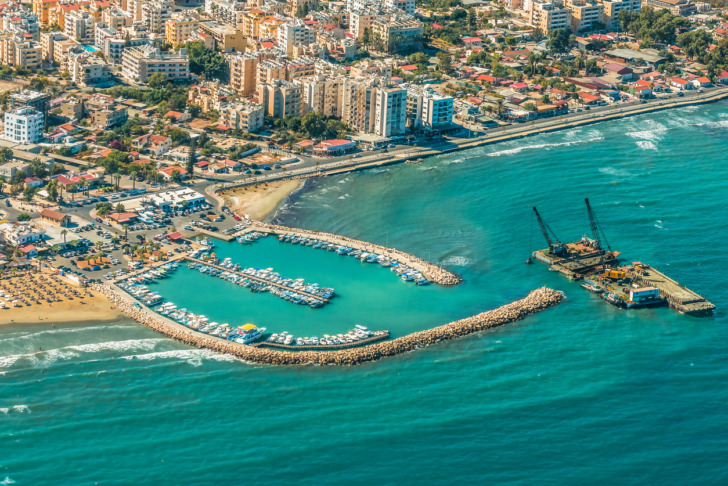
Larnaca is one of Cyprus’s most relaxed coastal cities, sitting on the island’s southeastern coast along the Mediterranean Sea.
It is often the first place travelers see because it has Cyprus’s main international airport, but it is more than just an arrival point.
Larnaca has palm-lined Finikoudes Beach, a walkable seafront, the Church of Saint Lazarus, salt lakes, flamingos in season, diving at the Zenobia wreck, cafes, marina views, and easy access to other parts of the island.
Compared with bigger party destinations like Ayia Napa, Larnaca feels calmer and more practical.
From a safety point of view, it is generally very safe, especially for families, couples, solo travelers, and older visitors.
The main concerns are petty theft, beach safety, summer heat, driving, nightlife caution, and occasional tourist overcharging.
Warnings & Dangers in Larnaca

OVERALL RISK: LOW
Larnaca is a low-risk destination for most travelers. Violent crime is uncommon, tourist areas are well used, and the city has a calm Mediterranean feel. The main risks are petty theft, summer heat, road accidents, beach belongings being stolen, and late-night caution around quieter streets or nightlife areas.

TRANSPORT & TAXIS RISK: LOW
Transport in Larnaca is generally safe. Taxis, buses, airport transfers, rental cars, and walking routes are commonly used by tourists. The biggest concerns are taxi pricing, left-side driving, parking, and road safety if renting a car. Confirm taxi fares when needed and drive carefully on unfamiliar roads.

PICKPOCKETS RISK: LOW
Pickpocketing is not a major problem in Larnaca, but it can happen in busy tourist spots, beaches, markets, bus stops, airport areas, and nightlife streets. Keep wallets, phones, and bags secure around Finikoudes Beach, the promenade, shopping streets, and crowded events.

NATURAL DISASTERS RISK: LOW
Natural disaster risk is low, though Cyprus can experience heatwaves, storms, wildfires in the wider region, earthquakes, and rough sea conditions. For tourists, the most realistic natural risk is summer heat and dehydration. Beachgoers should also pay attention to water conditions and lifeguard warnings.

MUGGING RISK: LOW
Mugging is rare in Larnaca. Most visitors can walk around the seafront, city center, restaurants, and hotel areas comfortably during the day and evening. The risk rises slightly late at night in quiet streets, poorly lit areas, or if walking alone after drinking.

TERRORISM RISK: LOW
The terrorism risk in Larnaca is low. Cyprus is generally stable, and Larnaca is a tourism and transport hub rather than a major security target. Travelers should still use normal awareness in airports, ports, crowded events, and public spaces, but terrorism is not a major concern.

SCAMS RISK: LOW
Scams are not common in Larnaca, but tourists may encounter unclear taxi fares, overpriced beach services, restaurant markups, or vague tour pricing. Confirm costs before agreeing to rides, boat trips, rentals, or excursions. Most issues are mild overcharging rather than serious scams.

WOMEN TRAVELERS RISK: LOW
Larnaca is generally safe for women travelers, including solo women. The promenade, beaches, restaurants, hotels, and central areas feel comfortable. Women should still avoid isolated walks late at night, stay aware in bars, and use taxis if returning alone from quieter areas after dark.

TAP WATER RISK: LOW
Tap water in Larnaca is generally safe to drink, although many visitors prefer bottled water because of taste. In summer, hydration is important because the heat can be intense. Carry water for beach days, city walks, airport transfers, and day trips around Cyprus.
Safest Places to Visit in Larnaca
Finikoudes Beach and Promenade
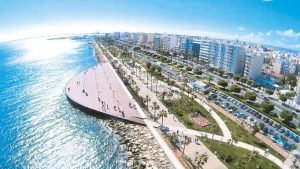
Finikoudes is the main tourist strip in Larnaca and one of the safest, easiest places to spend time.
The beach, palm-lined promenade, cafes, restaurants, hotels, and shops create steady foot traffic throughout the day and evening.
It is family-friendly and convenient, but visitors should still watch beach bags, phones, and wallets while swimming.
Church of Saint Lazarus
The Church of Saint Lazarus is one of Larnaca’s most important historic landmarks and a safe, central place to visit.
The surrounding square has cafes, shops, and steady pedestrian traffic.
Dress respectfully when entering the church, watch belongings in crowds, and be careful on stone surfaces if they are wet.
Larnaca Marina
The marina area is safe, scenic, and easy to combine with a walk along the seafront.
It is a good place for photos, boat trips, and relaxed evening strolls.
Keep valuables secure in crowded areas and confirm prices before booking any boat excursion.
Mackenzie Beach
Mackenzie Beach is a popular area for beach clubs, restaurants, plane spotting, and nightlife.
During the day, it is safe and lively.
At night, it becomes more social and alcohol-focused, so use normal caution, watch your drinks, and arrange transport back if staying outside the area.
Larnaca Salt Lake
The Salt Lake area is one of Larnaca’s most peaceful outdoor spots, especially when flamingos are present in season.
It is safe during daylight and good for walking, photos, and nature watching.
Bring water, sun protection, and avoid isolated paths after dark.
Places to Avoid in Larnaca
Empty Beach Areas After Dark
Larnaca’s main beaches are safe during the day, but quieter beach stretches after dark are not ideal for solo wandering.
Avoid swimming at night, sleeping on the beach, or carrying valuables to empty areas.
Stick to active, well-lit sections near restaurants and hotels.
Poorly Lit Streets Away From Tourist Zones
Central Larnaca is generally safe, but some streets away from the promenade and main hotel areas can feel quiet late at night.
Avoid long solo walks through unfamiliar areas after drinking or while carrying visible valuables.
Use a taxi if the route feels empty or confusing.
Roads Near the Airport and Busy Junctions
Driving in Larnaca is manageable, but visitors should be careful near the airport, roundabouts, and busy roads leading toward the city center, Mackenzie, or highways.
Cyprus drives on the left, which can surprise tourists from right-side-driving countries.
Take your time and avoid rushed decisions.
Unclear Boat or Tour Offers
Boat trips and excursions can be enjoyable, but avoid operators who are vague about price, route, duration, or what is included.
This applies to fishing trips, coastal cruises, diving, and day tours.
Use reputable companies and confirm the full cost before paying.
Remote Salt Lake Paths in Extreme Heat
The Salt Lake is beautiful, but exposed walking paths can become very hot.
Avoid long walks there in the middle of summer afternoons without water, a hat, and sun protection.
Heat exhaustion is a more realistic risk than crime in these open areas.
Safety Tips for Traveling to Larnaca
- Stay near the seafront for the easiest trip. If it is your first visit, staying near Finikoudes, the city center, or Mackenzie makes the trip smoother. You will have easier access to restaurants, beaches, taxis, buses, shops, and evening walks. Larnaca is safe overall, but a central location reduces late-night transport issues and makes the city feel more comfortable.
- Keep beach valuables minimal. Beach theft is one of the most avoidable risks in Larnaca. Bring only what you need to the beach: small cash, one card, sunscreen, towel, and water. Do not leave phones, wallets, passports, or cameras unattended while swimming. If traveling alone, use a waterproof pouch or choose a beach chair near a staffed area.
- Confirm taxi prices before riding. Taxis are generally safe, but prices can vary, especially from the airport, late at night, or for longer rides. Before getting in, confirm the fare or ask whether the meter will be used. This is especially useful for trips to Mackenzie Beach, nearby resorts, Ayia Napa, Nicosia, or Limassol.
- Be careful with left-side driving. Cyprus drives on the left, which can be tricky if you are used to driving on the right. Roundabouts, turns, and parking exits require extra focus. If you rent a car, start slowly, avoid aggressive driving, and be extra careful on highways and rural roads outside Larnaca.
- Respect the summer heat. Larnaca can get very hot in summer, and the seafront breeze can make you underestimate the sun. Wear sunscreen, sunglasses, and a hat, and carry water. Plan walking, sightseeing, and Salt Lake visits for the morning or late afternoon when temperatures are more comfortable.
- Use caution around nightlife. Larnaca is calmer than Ayia Napa, but Mackenzie and some central areas still have bars and nightlife. Keep control of your drink, do not leave valuables on tables, and avoid walking alone through quiet streets late at night if you have been drinking. Use taxis when needed.
- Watch for slippery surfaces near the sea. Promenades, beach showers, stone steps, and marina areas can become slippery. Walk carefully in sandals, especially after swimming or when surfaces are wet. This is not dramatic danger, but a fall on vacation is still a very annoying souvenir.
- Choose reputable diving operators. Larnaca is famous for diving the Zenobia wreck, one of the best wreck dives in the Mediterranean. If you plan to dive, choose a reputable dive center, be honest about your experience, and check that your insurance covers scuba. Wreck diving is amazing, but it should be done properly.
- Keep documents secure. Leave your passport in a safe place when you do not need it, and carry a copy or photo on your phone. Bring only the cards and cash you need for the day. Larnaca is safe, but losing documents or a wallet can turn a relaxed trip into paperwork misery.
- Plan day trips with realistic timing. Larnaca is a great base for Ayia Napa, Nicosia, Limassol, Lefkara, and coastal villages, but distances can still take time. If driving, avoid rushing between too many places in one day. Check parking, fuel, and return timing, especially if you are unfamiliar with local roads.
So... How Safe Is Larnaca Really?
Larnaca is very safe for most travelers.
It has a relaxed coastal atmosphere, good tourist infrastructure, a convenient airport, and a compact seafront that makes it easy to navigate.
Violent crime is rare, and most visitors spend their time walking the promenade, visiting churches, relaxing on beaches, eating by the sea, and taking day trips without safety problems.
The main risks are simple and practical.
Petty theft can happen in beach and tourist areas, but it is easy to reduce by keeping valuables secure.
Road safety matters if you rent a car, especially because Cyprus drives on the left.
Summer heat can also be intense, so water, shade, and sunscreen are not optional extras.
Compared with party-heavy Ayia Napa, Larnaca feels calmer and more balanced.
It is suitable for families, couples, solo travelers, women travelers, older visitors, and people who want a beach city without nonstop nightlife.
Mackenzie Beach has more evening energy, while Finikoudes and the center feel more relaxed.
Overall, Larnaca is low risk.
It is safe, friendly, practical, and easy to enjoy, as long as you use normal beach-town and city precautions.
How Does Larnaca Compare?
| City | Safety Index |
|---|---|
 Larnaca Larnaca |
82 |
| Nicosia |
71 |
| Ayia Napa |
73 |
| Limassol |
69 |
 Rijeka Rijeka | 85 |
 Williamstown Williamstown | 88 |
 Aqaba Aqaba | 72 |
| Bend | 87 |
 Hallstatt Hallstatt | 92 |
| Virginia | 87 |
Useful Information

Visas
Larnaca is in Cyprus. Many travelers can visit Cyprus visa-free for short tourism stays, depending on nationality, while others need a visa before arrival. Cyprus is in the European Union but not currently part of the Schengen Area for border-free travel purposes, so check the rules for your specific passport.

Currency
Larnaca uses the euro. Credit and debit cards are widely accepted in hotels, restaurants, shops, supermarkets, and tour agencies. Cash is useful for small cafes, taxis, beach services, tips, local buses, and markets. Use bank ATMs where possible.

Weather
Larnaca has hot, dry summers and mild winters. July and August can be very hot, so pack light clothing, swimwear, sunscreen, sunglasses, sandals, and a hat. Spring and autumn are excellent for sightseeing and beach time with more comfortable temperatures. Winter is mild but can be rainy.

Airports
Larnaca International Airport is Cyprus’s main airport and is located close to the city. Travelers can reach central Larnaca by taxi, bus, rental car, shuttle, or hotel transfer. The airport is also convenient for reaching Ayia Napa, Protaras, Nicosia, Limassol, and other parts of Cyprus.

Travel Insurance
Travel insurance is recommended for Larnaca, especially if your trip includes beach activities, diving, rental cars, boat trips, nightlife, or day trips around Cyprus. Choose coverage for medical care, cancellations, delays, lost luggage, theft, emergency transport, rental vehicle issues, and water activities.
Larnaca Weather Averages (Temperatures)
Average High/Low Temperature
| Temperature / Month | Jan | Feb | Mar | Apr | May | Jun | Jul | Aug | Sep | Oct | Nov | Dec |
|---|---|---|---|---|---|---|---|---|---|---|---|---|
| High °C |
17 | 17 | 19 | 23 | 27 | 31 | 33 | 33 | 31 | 27 | 22 | 18 |
| Low °C |
7 | 7 | 9 | 12 | 16 | 20 | 22 | 22 | 20 | 16 | 12 | 9 |
| High °F |
63 | 63 | 66 | 73 | 81 | 88 | 91 | 91 | 88 | 81 | 72 | 64 |
| Low °F |
45 | 45 | 48 | 54 | 61 | 68 | 72 | 72 | 68 | 61 | 54 | 48 |
Cyprus - Safety by City
| City | Safety Index |
|---|---|
| Ayia Napa | 73 |
| Larnaca | 82 |
| Limassol | 69 |
| Nicosia | 71 |









I remember walking along Finikoudes Beach and feeling way more chilled out than in other places, but that summer heat really sneaks up on you.