


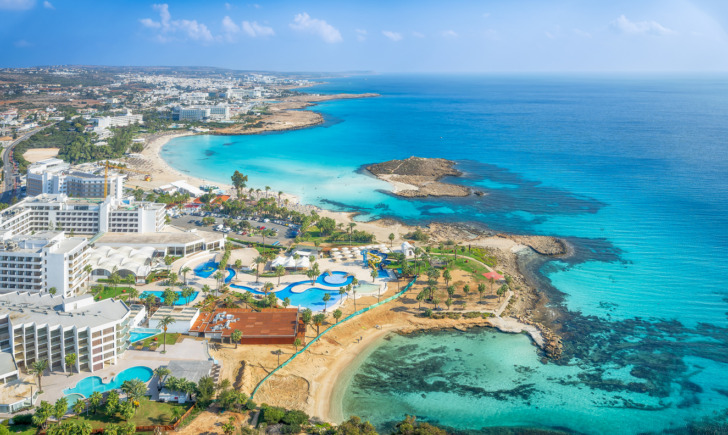
Ayia Napa is one of Cyprus’s most famous resort towns, sitting on the island’s southeastern coast near Cape Greco and Protaras.
It is best known for turquoise beaches, beach clubs, boat trips, nightlife, hotels, sea caves, and that classic Mediterranean holiday feeling where everyone seems to be sunburned, happy, or both.
Once a small fishing village, Ayia Napa has grown into a major summer destination, especially for beach lovers and younger travelers looking for nightlife.
From a safety point of view, Ayia Napa is generally safe, but it is not sleepy.
The main risks are linked to drinking, nightlife, petty theft, beach safety, road accidents, heat, and tourists switching off their common sense because they are in vacation mode.
Warnings & Dangers in Ayia Napa

OVERALL RISK: LOW
Ayia Napa is a low-risk destination for most travelers. Violent crime is uncommon, beaches are organized, and tourist areas are used to large numbers of visitors. The main concerns are nightlife-related incidents, petty theft, drink safety, traffic, rental vehicle accidents, and summer heat.

TRANSPORT & TAXIS RISK: MEDIUM
Transport risk is medium because taxis can be expensive, buses may not suit late-night plans, and many visitors rent quad bikes, scooters, or cars. Road accidents are one of the more realistic dangers in Ayia Napa, especially when tourists drive tired, inexperienced, or after drinking.

PICKPOCKETS RISK: MEDIUM
Pickpocketing is not extreme, but it can happen in busy nightlife streets, beaches, clubs, bus stops, and tourist shopping areas. Phones, wallets, beach bags, and unattended belongings are the main targets. Keep valuables secure and do not leave anything important on a sunbed while swimming.

NATURAL DISASTERS RISK: LOW
Ayia Napa has a low natural disaster risk compared with many destinations. Cyprus can experience heatwaves, wildfires, storms, and occasional seismic activity, but tourists are most likely to deal with intense sun, dehydration, and rougher sea conditions. Summer heat is the main practical weather concern.

MUGGING RISK: LOW
Mugging is rare in Ayia Napa. Most visitors move around tourist areas safely, especially during the day and early evening. The risk rises slightly late at night around isolated streets, intoxicated groups, and empty beach areas. Use taxis after nightlife and avoid wandering alone while drunk.

TERRORISM RISK: LOW
The terrorism risk in Ayia Napa is low. The town is a tourism-focused resort rather than a major political or financial target. Travelers should still stay aware in crowded public areas, nightlife zones, ports, and events, but terrorism is not a leading safety concern for a normal trip.

SCAMS RISK: MEDIUM
Scams are usually limited to tourist overcharging, unclear taxi fares, nightlife promotions, club entry confusion, and low-value tours. Be careful with deals that sound too good, especially around bars, boat trips, and party packages. Confirm the price, what is included, and any extra fees before agreeing.

WOMEN TRAVELERS RISK: MEDIUM
Ayia Napa is generally safe for women travelers, but nightlife means a medium rating is fair. Women should be careful with drinks, avoid walking alone late at night, and stay with trusted friends in clubs and party areas. Use taxis back to accommodation after dark.

TAP WATER RISK: LOW
Tap water in Ayia Napa is generally safe to drink, though many visitors prefer bottled water because of taste. Hydration matters a lot in summer, especially after beach days, alcohol, or long walks. Carry water and do not underestimate how quickly the sun can drain you.
Safest Places to Visit in Ayia Napa
Nissi Beach
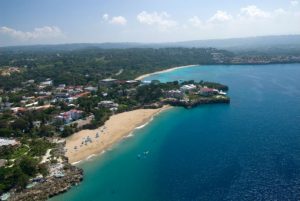
Nissi Beach is one of Ayia Napa’s safest and most popular beach areas because it is organized, busy, and well served by restaurants, loungers, water sports, hotels, and beach facilities.
The water is usually calm and shallow in parts, making it popular with families and younger travelers.
It can get very crowded in high season, so keep an eye on bags, phones, and towels.
Makronissos Beach
Makronissos Beach is a great option for travelers who want a slightly calmer beach experience than Nissi.
It is organized, scenic, and popular with families and couples.
The beach is generally safe for swimming in normal conditions, but visitors should still follow flag warnings and avoid leaving valuables unattended.
Cape Greco
Cape Greco is one of the most beautiful areas near Ayia Napa, with cliffs, sea caves, viewpoints, and walking routes.
It is safe during the day when visited with proper shoes, water, and sun protection.
The main risk is getting too close to cliff edges or jumping into unknown water.
Ayia Napa Monastery and Central Square
The monastery and nearby central area are safe, easy to visit, and close to restaurants, shops, and hotels.
During the day, it is relaxed and tourist-friendly.
At night, nearby nightlife areas become much louder, so the safety profile changes from sightseeing calm to party-town awareness.
Sculpture Park and Love Bridge
Ayia Napa Sculpture Park and the nearby Love Bridge area are scenic, open, and generally safe during daylight.
They are good for photos, walks, and sunset views.
Bring water, wear comfortable shoes, and avoid climbing around rocky edges or wandering there late at night when it is quiet.
Places to Avoid in Ayia Napa
Nightlife Streets When Extremely Drunk
Ayia Napa’s nightlife is famous, but the biggest safety problems often come from too much alcohol.
Avoid hanging around club streets if you or your group are very drunk, separated, or unsure how to get home.
Arguments, falls, lost phones, and bad decisions become more likely late at night.
Empty Beaches After Dark
Beaches that feel safe and cheerful during the day can become isolated at night.
Avoid sleeping on beaches, swimming after drinking, or walking alone along empty sand after midnight.
If you want a late beach walk, go with others and stay close to active areas.
Cliff Edges and Sea Caves in Bad Conditions
Cape Greco and the sea caves are beautiful but can be dangerous if visitors climb, jump, or take photos too close to edges.
Avoid cliff jumping unless you know the area, conditions are safe, and it is clearly permitted.
Rough seas and slippery rocks can quickly turn risky.
Unmarked or Unofficial Taxis
Avoid getting into cars that are not official taxis or properly arranged rides.
This matters most late at night around clubs and bars.
Confirm the fare before leaving, especially if you are traveling back to accommodation outside the center or to nearby Protaras or Larnaca.
Remote Roads on Quad Bikes at Night
Quad bikes and scooters are common in Ayia Napa, but riding them late at night is a bad idea.
Roads can be dark, unfamiliar, and shared with drivers who may also be tired or distracted.
Avoid riding after drinking, and do not treat a quad bike like a toy.
Safety Tips for Traveling to Ayia Napa
- Be smart with alcohol. Ayia Napa is a party destination, and that is exactly why alcohol safety matters. Drink at your own pace, keep track of your friends, and avoid accepting open drinks from strangers. Most nightlife problems are not random. They happen when people are drunk, separated, lost, or too trusting.
- Plan your ride home before going out. Do not wait until 3 a.m. to figure out how you are getting back. Save your hotel location, keep taxi money or a working card, and know whether your accommodation is walkable. If you are staying outside the center, arrange a taxi or ask your hotel for reliable transport advice.
- Do not drive after drinking. This should be obvious, but Ayia Napa’s holiday mood makes people take dumb risks. Do not rent a quad, scooter, car, or buggy and then drive after drinking. Police checks happen, roads can be busy, and a small mistake can become a serious injury.
- Keep valuables off the beach. Beach theft is one of the most avoidable risks in Ayia Napa. Do not leave phones, passports, wallets, cameras, or expensive sunglasses unattended while swimming. Bring only what you need, use a waterproof pouch, take turns watching belongings, or choose organized beach areas with secure options.
- Respect beach flags and lifeguards. Ayia Napa’s main beaches are usually safe for swimming, but conditions still change. If red flags are flying, stay out of the water. Ask lifeguards about conditions if you are unsure. Even calm-looking water can become risky with wind, waves, boats, or rocks.
- Wear sunscreen and drink water. The Cyprus sun can be intense, especially from late spring through early autumn. Wear sunscreen, a hat, and sunglasses, and drink water throughout the day. If you are drinking alcohol at night, hydrate even more. Dehydration and sunburn are two of the most common vacation spoilers here.
- Be careful at Cape Greco. Cape Greco is stunning, but it is not a theme park. Stay back from cliff edges, wear proper shoes, avoid risky jumps, and do not climb around wet rocks. Bring water and sun protection because shade can be limited. Go during daylight and avoid exploring isolated areas alone.
- Confirm prices before agreeing. Whether it is a taxi, boat trip, club package, sunbed rental, or water sport, confirm the full price before saying yes. Ask whether the price is per person or per group, whether there are extra fees, and what is included. This prevents most tourist overcharging problems.
- Stay in a location that matches your trip. If you want nightlife, stay near the center so you are not traveling far late at night. If you want quiet beaches and sleep, stay closer to Nissi, Makronissos, or a calmer resort area. Picking the wrong location can create unnecessary transport and safety issues.
- Use travel insurance. Ayia Napa is safe, but injuries still happen. Beach accidents, quad bike crashes, nightlife incidents, lost phones, stolen bags, flight delays, and medical visits can be expensive. Travel insurance is especially important if you plan water sports, scooter rentals, boat trips, or a nightlife-heavy trip.
So... How Safe Is Ayia Napa Really?
Ayia Napa is safe for most travelers, but it is a destination where behavior matters a lot.
During the day, the town feels like a classic Mediterranean resort: beaches, restaurants, hotels, families, boat trips, and sunny walks.
In that setting, the risk is low.
You are mainly watching for sunburn, dehydration, beach theft, and basic swimming safety.
At night, the risk rises because Ayia Napa becomes a party town.
That does not make it dangerous, but alcohol changes the safety equation.
Drink spiking, aggressive behavior, lost belongings, arguments, and risky transport decisions are more likely in nightlife areas than on the beach at noon.
Women travelers, solo travelers, and younger groups should be especially careful with drinks and late-night transport.
The other major issue is road safety.
Tourists often rent scooters, quad bikes, or cars without being fully prepared for local roads, heat, traffic, and unfamiliar driving conditions.
That is probably a bigger real-world concern than violent crime.
Overall, I would rate Ayia Napa as low risk during the day and medium risk at night for party-focused travelers.
It is safe, fun, and easy to enjoy, but it rewards common sense.
How Does Ayia Napa Compare?
| City | Safety Index |
|---|---|
 Ayia Napa Ayia Napa |
73 |
| Nicosia |
71 |
| Larnaca |
82 |
| Limassol |
69 |
 Terre Haute Terre Haute | 51 |
| Nebraska City | 79 |
 Lima Lima | 55 |
| Manteo | 75 |
| Santa Ana | 71 |
| Gorham | 77 |
Useful Information

Visas
Cyprus allows visa-free short stays for many nationalities, especially travelers from the EU, UK, US, Canada, Australia, and several other countries. Other visitors may need a visa before arrival. Rules depend on your passport, length of stay, and travel route, so check entry requirements before booking.

Currency
Ayia Napa uses the euro. Cards are widely accepted in hotels, restaurants, beach clubs, and shops, but cash is useful for taxis, tips, small purchases, beach rentals, and nightlife. Use bank ATMs when possible, and avoid carrying more cash than you need for the day.

Weather
Ayia Napa has hot, dry summers and mild winters. Summer is ideal for beaches but can be very hot, especially in July and August. Pack light clothing, swimwear, sunscreen, sunglasses, sandals, and a hat. Spring and autumn are more comfortable for walking and sightseeing.

Airports
The closest major airport is Larnaca International Airport, usually about 40 to 50 minutes from Ayia Napa by car, depending on traffic. Travelers can reach the resort by taxi, shuttle, rental car, or bus. Prearranged transfers are useful if arriving late at night.

Travel Insurance
Travel insurance is strongly recommended for Ayia Napa, especially if your trip includes nightlife, water sports, boat trips, quad biking, scooter rental, or beach activities. Look for coverage for medical care, accidents, cancellations, lost luggage, theft, and emergency transport. Check activity exclusions before you travel.
Ayia Napa Weather Averages (Temperatures)
Average High/Low Temperature
| Temperature / Month | Jan | Feb | Mar | Apr | May | Jun | Jul | Aug | Sep | Oct | Nov | Dec |
|---|---|---|---|---|---|---|---|---|---|---|---|---|
| High °C |
16 | 17 | 19 | 23 | 27 | 31 | 33 | 34 | 31 | 27 | 23 | 18 |
| Low °C |
8 | 8 | 10 | 13 | 17 | 21 | 23 | 24 | 21 | 18 | 14 | 10 |
| High °F |
61 | 63 | 66 | 73 | 81 | 88 | 91 | 93 | 88 | 81 | 73 | 64 |
| Low °F |
46 | 46 | 50 | 55 | 63 | 70 | 73 | 75 | 70 | 64 | 57 | 50 |
Cyprus - Safety by City
| City | Safety Index |
|---|---|
| Ayia Napa | 73 |
| Larnaca | 82 |
| Limassol | 69 |
| Nicosia | 71 |












Sunburned and a bit dazed after one day in those beach clubs, but hey, that’s part of the package, right?
Can’t believe how quickly the sunshine turns into a neon-lit party vibe by night, but that sunburn definitely sneaks up on you!
Did anyone else end up with a sunburn that made them question if the “happy” part was worth it after a night out in Ayia Napa?