 Greece : Safety by City
- Athens
- Chania
- Corfu
- Crete
- Heraklion
- Kavala
- Kos
- Mykonos
- Nafplio
- Patras
- Rethymno
- Rhodes
- Santorini
- Thessaloniki
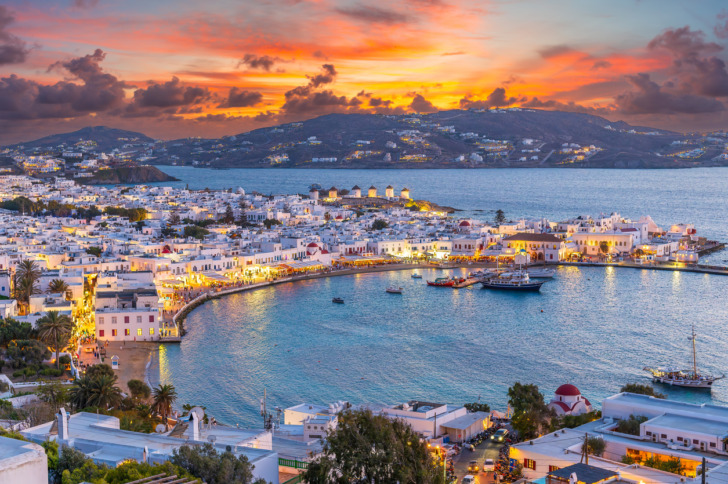
Mykonos is one of the most famous islands in Greece, sitting in the Cyclades group in the Aegean Sea, southeast of mainland Athens and close to islands like Delos, Tinos, Paros, and Naxos.
It is known for whitewashed houses, blue shutters, windmills, luxury hotels, beach clubs, narrow lanes, designer shopping, and nightlife that can go from sunset cocktails to sunrise decisions.
Mykonos is beautiful, polished, expensive, and extremely popular, especially from June to September.
It is also generally safe for tourists, but it is not a sleepy island escape.
The main risks are petty theft, inflated prices, alcohol-related problems, beach safety, limited taxis, scooter and ATV accidents, summer heat, and crowds that can make the island feel more like a glamorous outdoor nightclub than a quiet Greek village.
Warnings & Dangers in Mykonos

OVERALL RISK: LOW
Mykonos is safe overall, especially when it comes to violent crime. Most tourists visit without serious problems. The main concerns are petty theft, overcharging, party-related incidents, road accidents, beach safety, and summer crowding. It is a low-risk destination if you stay aware, plan transport, and avoid careless nightlife choices.

TRANSPORT & TAXIS RISK: MEDIUM
Transport is one of the biggest frustrations in Mykonos. Taxis are limited, prices can be high, and roads are narrow, busy, and sometimes poorly lit. Many visitors rent scooters, ATVs, or cars, but accidents happen. Use official taxis, hotel transfers, buses, or trusted rental companies, and do not drive after drinking.

PICKPOCKETS RISK: MEDIUM
Pickpocketing is not out of control, but it can happen in Mykonos Town, crowded beach clubs, ferry areas, nightlife streets, and busy bus stops. The island attracts wealthy tourists, which makes phones, wallets, watches, and bags tempting targets. Keep belongings close, especially after dark or in packed party spots.

NATURAL DISASTERS RISK: LOW
Mykonos has a low natural disaster risk, but summer heat, strong winds, rough seas, and occasional storms can affect travel. Ferries may be delayed when winds are strong. Earthquakes are possible in Greece, but they are not a daily concern for most visitors. Heat and dehydration are more realistic risks.

MUGGING RISK: LOW
Mugging is rare in Mykonos. The island is busy, tourist-focused, and generally safe in central and resort areas. Still, avoid walking alone late at night on dark roads, isolated paths, or empty beaches. Most problems happen when people are drunk, disoriented, carrying valuables, or trying to get back without planned transport.

TERRORISM RISK: LOW
The terrorism risk in Mykonos is low. It is not considered a major target compared with larger European cities. As always, stay aware in crowded public areas, ferry ports, airports, and major events, but terrorism is not a practical everyday concern for travelers visiting the island.

SCAMS RISK: MEDIUM
Scams in Mykonos are less about classic street tricks and more about unclear pricing. Watch for expensive taxis, surprise beach club minimum spends, inflated restaurant bills, vague rental agreements, and overpriced services. Always check menus, sunbed prices, transfer costs, and rental terms before committing.

WOMEN TRAVELERS RISK: MEDIUM
Many women travel safely in Mykonos, including solo travelers, but nightlife requires caution. Alcohol, crowded clubs, late nights, and isolated return routes can raise the risk. Watch drinks, avoid walking alone on quiet roads late at night, use trusted transport, and stay in touch with friends if partying.

TAP WATER RISK: MEDIUM
Tap water in Mykonos is generally not the best choice for drinking. Many locals and visitors use bottled water because island water often comes from desalination or limited sources and may taste unpleasant. It is fine for washing, but for drinking, brushing teeth if sensitive, and making coffee, bottled water is usually safer and more comfortable.
Safest Places to Visit in Mykonos
Mykonos Town
Mykonos Town, also called Chora, is the safest and most convenient place for first-time visitors to explore.
Its whitewashed alleys, boutiques, restaurants, churches, and photo spots are busy from morning until late at night.
The area is very tourist-friendly, but it is also crowded, so watch your bag and phone.
It is easy to get lost in the lanes, which is part of the fun, but save your hotel location before wandering.
Little Venice
Little Venice is one of the most scenic and popular parts of Mykonos Town, with colorful balconies, sea views, sunset bars, and restaurants close to the water.
It is safe and lively, especially in the evening.
The main risks are crowds, high prices, and slippery surfaces near the waterfront.
Check prices before ordering drinks with a sunset view.
The Windmills
The famous Mykonos windmills are a safe and easy landmark to visit.
They sit above town and offer one of the classic island views.
It can get crowded at sunset, so keep belongings secure while taking photos.
Strong winds are common here, so hold onto hats, loose clothing, and anything lightweight.
Ornos Beach
Ornos is one of the better beach areas for travelers who want convenience and a calmer atmosphere than the wilder party beaches.
It has hotels, restaurants, sunbeds, water activities, and family-friendly energy.
It is still busy in summer, but it feels more controlled.
Keep valuables close, and confirm sunbed or restaurant prices before settling in.
Agios Ioannis
Agios Ioannis is a quieter and safer-feeling beach area with beautiful views toward Delos.
It is a good option for couples, families, and travelers who want a slower pace.
It is not as nightlife-heavy as Paradise or Super Paradise.
The main thing to plan is transport, especially if you stay for sunset and need to get back after dark.
Places to Avoid in Mykonos
Dark Roads Between Beaches Late at Night
Mykonos roads are narrow, winding, and often poorly lit.
Walking along them late at night is not a good idea, especially after drinking.
This is one of the most realistic safety issues on the island.
If you plan to go out, arrange your ride back before the night starts getting messy.
Isolated Beaches After Dark
Mykonos beaches are beautiful during the day, but empty beaches at night can be risky simply because they are isolated.
Avoid wandering alone on quiet beaches after dark, especially with valuables or after drinking.
Stick to active beach clubs, hotel areas, or well-lit roads where other people are around.
Party Beaches When You Want a Quiet Trip
Paradise Beach and Super Paradise Beach are famous for nightlife, clubs, music, and a party atmosphere.
They are not necessarily dangerous, but they are not ideal if you want calm, privacy, or a low-risk evening.
Alcohol, crowds, loud music, and expensive venues all increase the chance of problems.
Unclear Beach Club Pricing
Some beach clubs in Mykonos can be extremely expensive.
Before using sunbeds, ordering bottles, or sitting in prime areas, confirm minimum spends, service charges, and menu prices.
The danger here is financial.
A casual beach day can become a very expensive surprise if you assume prices are normal.
Unlicensed or Poorly Reviewed Rentals
ATVs, scooters, and rental cars are common in Mykonos, but not every rental setup is equally reliable.
Avoid vague contracts, poor helmets, weak insurance details, and vehicles with existing damage that is not documented.
Take photos before leaving and check brakes, lights, mirrors, and tires.
Safety Tips for Traveling to Mykonos
- Plan your transport before going out. Mykonos is small, but transport can be surprisingly difficult. Taxis are limited, buses can be crowded, and walking between beach clubs or remote hotels is not always safe at night. Before you go to dinner, a beach club, or a nightlife area, know how you are getting back. A beautiful island night is much less fun when you are stuck outside at 2 AM trying to find a ride.
- Be careful with scooters and ATVs. Scooters and ATVs look convenient, but they are one of the biggest tourist safety risks in Mykonos. Roads are narrow, curves are sharp, drivers can be impatient, and nighttime visibility is poor. Only rent one if you are experienced, licensed, sober, and properly insured. Always wear a helmet. The island is too pretty to spend your vacation dealing with road rash and paperwork.
- Check prices before sitting down. Mykonos is expensive, and some places are dramatically more expensive than visitors expect. Check menus, drink prices, sunbed costs, service charges, and minimum spends before ordering or sitting down. This is especially important in Little Venice, beach clubs, waterfront restaurants, and sunset-view venues. A view can be worth paying for, but surprise bills are not charming.
- Watch your drink and your limits. Mykonos nightlife is famous for a reason, but alcohol is behind many tourist problems. Watch your drink, do not accept open drinks from strangers, and avoid getting separated from friends. If you are traveling solo, let someone know where you are going. Being drunk on a dark island road with a dead phone is not the Greek island fantasy anyone signed up for.
- Keep valuables off the beach. Do not bring your passport, too much cash, expensive jewelry, or multiple cards to the beach. If you plan to swim, use a waterproof pouch, go with someone who can watch your things, or bring only what you can afford to lose. Beach theft is usually opportunistic. Unattended bags make the opportunity too easy.
- Respect the wind and sea. Mykonos is known for strong winds, especially the Meltemi winds in summer. These can affect ferry schedules, swimming, boat tours, and beach comfort. If the sea is rough, do not swim far out. Check ferry status if traveling onward, and avoid planning tight same-day connections after a boat ride. The Aegean is gorgeous, but it has moods.
- Stay hydrated. Mykonos summers are hot, sunny, windy, and dehydrating. Add alcohol, dancing, beach time, and salty food, and you can feel drained fast. Drink bottled water regularly, use sunscreen, wear a hat, and take breaks in the shade. Heat exhaustion is a more realistic threat than most crime on the island.
- Choose your base based on your travel style. Where you stay matters. Mykonos Town is best for nightlife, shopping, restaurants, and easy access. Ornos and Platis Gialos are better for beach convenience. Agios Ioannis is calmer. Paradise and Super Paradise suit party-focused travelers. A bad location choice can create transport headaches, higher costs, and unnecessary late-night safety issues.
- Use hotel safes and split your money. Leave your passport, spare cards, and extra cash secured at your accommodation. Carry only what you need for the day or night. Keep one backup card separate from your main wallet. Mykonos is safe, but if your whole wallet disappears in a club or taxi, your trip becomes instantly more stressful.
- Book popular places ahead of time in high season. In July and August, Mykonos can be packed. Restaurants, beach clubs, transfers, ferries, and hotels fill up quickly. Booking ahead helps you avoid last-minute decisions, overpriced options, and sketchy alternatives. It also makes your evenings safer because you will know where you are going and how you are getting there.
So... How Safe Is Mykonos Really?
Mykonos is safe for most travelers, but it is not a carefree island where nothing can go wrong.
Violent crime is rare, tourist areas are well developed, and the island is used to welcoming huge numbers of visitors from around the world.
During the day, most places feel relaxed, scenic, and easy to enjoy.
Mykonos Town, popular beaches, hotel zones, and organized attractions are generally low-risk.
The real safety picture changes at night and in peak season.
Mykonos is expensive, crowded, and party-oriented.
That means more alcohol, more transport pressure, more distracted tourists, and more opportunities for petty theft or overcharging.
Road safety is also a serious issue, especially for visitors renting scooters or ATVs without enough experience.
I would rate Mykonos as low risk overall, but medium risk for nightlife, transport, and budget surprises.
The safest visitors are the ones who plan rides, check prices, protect valuables, avoid reckless driving, and respect the sea and summer heat.
Do that, and Mykonos is not just safe.
It is one of the most dazzling island escapes in Europe.
How Does Mykonos Compare?
| City | Safety Index |
|---|---|
| Mykonos |
76 |
| Heraklion |
82 |
| Kos |
81 |
| Patras |
74 |
| Athens |
68 |
| Rhodes |
83 |
| Corfu |
81 |
 Saginaw Saginaw | 42 |
| Las Vegas | 62 |
 Hakone Hakone | 92 |
 Quirimbas Archipelago Quirimbas Archipelago | 68 |
| Elko | 72 |
 Trondheim Trondheim | 86 |
Useful Information

Visas
Mykonos is part of Greece, which is in the Schengen Area. Many travelers can visit visa-free for up to 90 days in a 180-day period, while others need a Schengen visa before arrival. Your passport should be valid for the required period, and your Schengen days count across multiple European countries.

Currency
Mykonos uses the euro. Credit and debit cards are widely accepted in hotels, restaurants, beach clubs, shops, and rental agencies, but carrying some cash is still useful for small purchases, tips, buses, and backup. Prices are high, especially in peak season, so check costs before ordering or booking.

Weather
Mykonos has hot, dry summers and mild winters. June to September is sunny, windy, and very busy, with July and August being the hottest and most crowded months. Spring and autumn are more comfortable for walking and sightseeing. Pack light clothing, swimwear, sunscreen, sunglasses, a hat, and a light layer for windy evenings.

Airports
Mykonos International Airport is close to Mykonos Town and serves domestic and seasonal international flights. Taxis, buses, private transfers, and hotel pickups connect the airport with major resort areas. During high season, pre-arranging transport is smart because taxis can be limited and arrival crowds can be heavy.

Travel Insurance
Travel insurance is strongly recommended for Mykonos. A good policy can cover medical care, cancellations, lost luggage, theft, ferry delays, and travel disruption from wind or weather. Make sure your policy covers scooter or ATV rental if you plan to drive one, because many basic policies exclude those activities.
Mykonos Weather Averages (Temperatures)
Average High/Low Temperature
| Temperature / Month | Jan | Feb | Mar | Apr | May | Jun | Jul | Aug | Sep | Oct | Nov | Dec |
|---|---|---|---|---|---|---|---|---|---|---|---|---|
| High °C |
14 | 15 | 17 | 20 | 24 | 28 | 30 | 31 | 28 | 24 | 20 | 16 |
| Low °C |
8 | 9 | 10 | 12 | 16 | 20 | 22 | 23 | 20 | 17 | 14 | 10 |
| High °F |
57 | 59 | 63 | 68 | 75 | 82 | 86 | 88 | 82 | 75 | 68 | 61 |
| Low °F |
46 | 48 | 50 | 54 | 61 | 68 | 72 | 73 | 68 | 63 | 57 | 50 |
Greece - Safety by City
| City | Safety Index |
|---|---|
| Athens | 68 |
| Chania | 83 |
| Corfu | 81 |
| Crete | 82 |
| Heraklion | 82 |
| Kavala | 75 |
| Kos | 81 |
| Mykonos | 76 |
| Nafplio | 81 |
| Patras | 74 |
| Rethymno | 79 |
| Rhodes | 83 |
| Santorini | 78 |
| Thessaloniki | 63 |