


 Greece : Safety by City
- Athens
- Chania
- Corfu
- Crete
- Heraklion
- Kavala
- Kos
- Mykonos
- Nafplio
- Patras
- Rethymno
- Rhodes
- Santorini
- Thessaloniki
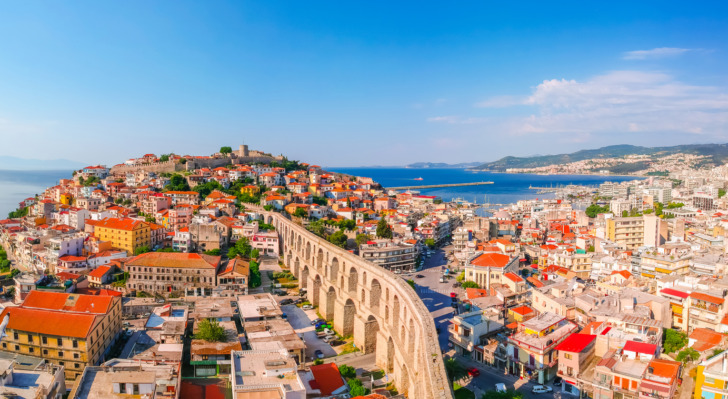
Kavala is one of those Greek cities that feels like it should be more famous than it is.
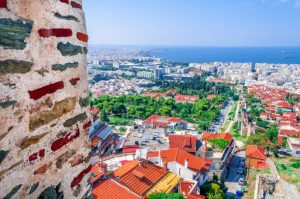
Sitting on the coast of northern Greece, in the region of Eastern Macedonia and Thrace, it rises amphitheater-style above the Aegean Sea with a harbor, old Ottoman houses, a hilltop fortress, and views across the water toward Thasos.
It is not a chaotic megacity, and it is not a tiny island village either.
Kavala sits in that sweet spot where you get history, beaches, ferries, seafood tavernas, and everyday Greek life without the same tourist crush you find in Athens, Santorini, or Mykonos.
From a safety perspective, that is mostly good news.
Kavala is generally calm, walkable, and friendly, but travelers should still watch for petty theft, summer heat, road risks, and the occasional tourist trap.
Warnings & Dangers in Kavala

OVERALL RISK: LOW
Kavala is generally a safe destination for tourists. Violent crime is uncommon, the city center is active without feeling overwhelming, and most travelers can explore comfortably during the day and evening. The biggest safety concerns are petty theft, traffic, summer heat, slippery old-town streets, and basic beach safety. Normal travel awareness is usually enough here.

TRANSPORT & TAXIS RISK: LOW
Public buses, intercity buses, ferries, and taxis are generally safe in Kavala. The city is hilly, so walking can be more tiring than it looks on a map. Taxis are usually reliable, but confirm the meter is used or agree on the fare before longer rides. Roads outside the city can be curvy, especially toward beaches and mountain villages.

PICKPOCKETS RISK: LOW
Kavala is not known as a major pickpocketing hotspot, but petty theft can happen around busy areas, especially the port, bus station, markets, beaches, and crowded summer events. The risk is lower than in major European capitals, but do not leave phones, wallets, bags, or rental car valuables unattended. Beach theft is the most realistic concern.

NATURAL DISASTERS RISK: MEDIUM
Kavala’s main natural risks are earthquakes, summer wildfires, heatwaves, and occasional strong storms. Northern Greece is in a seismically active region, though serious earthquake damage is not a daily concern. In summer, high temperatures and dry conditions can raise wildfire risk in surrounding areas. Travelers should follow local alerts, especially during July and August.

MUGGING RISK: LOW
Mugging is rare in Kavala. The city does not have the aggressive street-crime feel found in some larger urban centers. Still, avoid wandering alone through poorly lit backstreets late at night, especially if you are unfamiliar with the area or have been drinking. The risk is low, but smart nighttime habits still matter.

TERRORISM RISK: LOW
Kavala has a low terrorism risk. Greece has experienced isolated political unrest and small-scale incidents in larger cities, mostly Athens and Thessaloniki, but Kavala is not a major target. Tourists should be more focused on everyday travel issues like traffic, heat, theft, and ferry schedules than terrorism.

SCAMS RISK: LOW
Scams in Kavala are not a major problem, but travelers can still run into inflated taxi fares, unclear restaurant pricing, rental vehicle disputes, or overpriced beach services during peak season. Check menus before ordering, ask about sunbed prices, keep rental paperwork, and avoid handing money to anyone offering vague “help” near transport hubs.

WOMEN TRAVELERS RISK: LOW
Kavala is generally safe for women travelers, including solo travelers. The waterfront, old town, beaches, and central areas are comfortable during normal hours. As anywhere, late-night caution is wise around quiet streets, isolated beaches, and bars. Dress expectations are relaxed, but modest clothing is appreciated when visiting churches, monasteries, and traditional villages nearby.

TAP WATER RISK: LOW
Tap water in Kavala is generally safe to drink, as it is in most of mainland Greece. Some travelers may prefer bottled water because of taste or mineral differences, but safety is not usually the concern. If staying in an older building or visiting rural areas nearby, ask your host if bottled water is recommended.
Safest Places to Visit in Kavala
Kavala Waterfront and Harbor
The waterfront is one of the safest and most enjoyable parts of Kavala.
It is open, busy, scenic, and easy to navigate.
During the day, you will see families, ferry passengers, fishermen, café crowds, and tourists walking along the water.
In the evening, it stays lively without feeling wild.
This is a good area for first-time visitors to get oriented.
Panagia Old Town
Panagia is Kavala’s historic old town, climbing up toward the fortress with narrow lanes, traditional houses, sea views, and some of the city’s most beautiful corners.
It is safe, charming, and great for daytime exploring.
The only real safety concerns are steep streets, uneven stones, and quiet alleys late at night.
Wear good shoes and take your time.
Kavala Fortress
The fortress is one of the best places to visit in Kavala, both for history and for views.
It is generally safe and well-visited, especially during the day.
The walk up can be steep, so bring water in summer.
Watch your footing around old stone steps and viewpoints, particularly if traveling with kids.
Rapsani, Kalamitsa, and Batis Beaches
Kavala’s nearby beaches are generally safe and convenient.
Rapsani is close to the city, while Kalamitsa and Batis are popular for swimming and relaxing.
The main things to watch are sun exposure, leaving valuables unattended, and swimming when the sea is rough.
Use common sense and avoid isolated beach areas after dark.
Philippi Archaeological Site
A short trip from Kavala, Philippi is one of the most interesting historical sites in the area.
It is safe, open, and well-suited for travelers who want ancient ruins without the chaos of a big-city attraction.
Go earlier in the day during summer because shade can be limited, and the heat can become the biggest safety issue.
Places to Avoid in Kavala
Quiet Hillside Alleys Late at Night
Kavala’s old neighborhoods are beautiful, but the hillside layout means some lanes become quiet, steep, and dim after dark.
Panagia is not dangerous in the usual sense, but tourists who do not know the area can get turned around at night.
Stick to better-lit routes when walking back from restaurants or viewpoints.
Isolated Beach Areas After Dark
The beaches around Kavala are pleasant during the day, but isolated stretches are not ideal late at night.
The concern is less about violent crime and more about theft, limited lighting, uneven ground, and having fewer people around if something goes wrong.
If you want an evening by the sea, choose active waterfront areas or organized beach zones.
Port and Bus Station Crowds During Peak Travel Times
The port and bus station are useful and generally safe, but they are places where distracted travelers are easier targets.
Keep your phone and wallet secure when buying tickets, boarding ferries, or managing luggage.
The risk is not high, but petty theft is most likely to occur here.
Industrial and Outskirts Areas
Kavala has working port zones, roadways, and less scenic outskirts that are not dangerous but are not very useful for tourists.
These areas can be poorly lit or unpleasant to walk through at night.
Travelers are better off staying around the center, waterfront, old town, organized beaches, and recognized attractions.
Remote Mountain Roads Without Preparation
The villages and countryside around Kavala are worth exploring, but remote roads require more care.
Some routes are narrow, winding, or poorly lit. In summer, dry conditions can increase fire risk in rural areas.
If renting a car, avoid late-night drives on unfamiliar mountain roads and keep fuel, water, and a phone battery in mind.
Safety Tips for Traveling to Kavala
- Use the waterfront as your orientation point. Kavala’s geography can be confusing at first because the city rises steeply from the sea. The waterfront, harbor, and main roads make the easiest landmarks. If you get lost in the old town or hillside streets, head downhill toward the water, and you will usually regain your bearings quickly.
- Wear real walking shoes, not just beach sandals. Kavala is not flat. The old town, fortress route, and many scenic streets involve stairs, slopes, and uneven stone surfaces. Flip-flops might work at the beach, but they are not ideal for exploring. Good shoes reduce the risk of slips, twisted ankles, and miserable uphill walks in the heat.
- Protect your belongings at the beach. The most likely theft scenario in Kavala is not dramatic. It is someone leaving a phone, wallet, or bag unattended while swimming. Bring only what you need to the beach, keep valuables within sight, and take turns swimming if traveling with others. Do not leave passports or large amounts of cash in a beach bag.
- Be careful with the summer sun. Kavala can get very hot in July and August, and the hills make walking more exhausting than expected. Carry water, wear sunscreen, use a hat, and schedule steep walks for morning or early evening. Heat exhaustion can sneak up on travelers who try to cram sightseeing, beach time, and fortress climbing into one afternoon.
- Confirm taxi fares for longer rides. Taxis in Kavala are usually safe and straightforward, but it is smart to confirm the meter or ask for an estimated price before rides to the airport, beaches, villages, or archaeological sites. This avoids awkward surprises. For airport transfers, ask your hotel what a normal fare should look like before you go.
- Drive defensively if renting a car. A rental car can be useful for beaches, Philippi, mountain villages, and day trips, but Greek roads require attention. Watch for scooters, sharp turns, impatient drivers, and narrow streets. Parking in Kavala can also be tricky. Do not leave valuables visible in the car, especially near beaches or viewpoints.
- Check ferry timing before planning island trips. Kavala has ferry connections, including routes toward nearby islands, but schedules vary by season. Missing a ferry can turn a simple day trip into a logistical headache. Check times before leaving, arrive early during summer, and keep your passport or ID handy if needed for travel bookings.
- Use extra caution around the port and bus station. These are not dangerous areas, but they are where travelers are most distracted. Bags are open, phones are out, tickets are being checked, and people are moving quickly. Keep your wallet in a secure pocket, zip your bag, and avoid setting luggage down without watching it.
- Respect sea conditions. The Aegean can look calm and inviting, but wind, currents, and slippery rocks can still create problems. Swim at organized beaches when possible, pay attention to flags or local warnings, and avoid swimming alone far from shore. After storms or windy days, be more cautious when entering the water.
- Stay aware during nightlife without being paranoid. Kavala is not known for dangerous nightlife, but alcohol still changes the safety equation. Keep an eye on your drink, avoid walking alone through empty streets very late, and use a taxi if your accommodation is far uphill. Most nights out in Kavala are relaxed, but basic city awareness still applies.
So... How Safe Is Kavala Really?
Kavala is a genuinely safe destination by European travel standards, especially for visitors who are comfortable using basic street smarts.
It is smaller and calmer than Athens or Thessaloniki, which helps lower the chances of running into serious crime or aggressive tourist scams.
The municipality has a population of roughly 66,000, and the city functions as a regional port, commercial center, beach destination, and gateway to nearby sites rather than as a high-pressure tourist machine.
The most realistic risks are practical ones.
Petty theft can happen in crowded or distracted settings, especially near transport points, beaches, and summer events.
Road safety matters if you rent a car, because the wider region has winding roads, hills, and drivers who may be more assertive than visitors expect.
Natural hazards are also worth respecting. Greece sits in an earthquake-prone region, and northern Greece can experience heatwaves, storms, and wildfire conditions during dry summer periods.
For most travelers, Kavala feels safe during the day and comfortable in the evening.
Families, couples, solo travelers, and older visitors should be able to enjoy the city without major concern.
The best approach is simple: secure your belongings, avoid isolated places late at night, prepare for heat, and take the hills seriously.
Do that, and Kavala is more likely to surprise you with its beauty than with any safety problems.
How Does Kavala Compare?
| City | Safety Index |
|---|---|
| Kavala |
75 |
| Crete |
82 |
| Thessaloniki |
63 |
| Patras |
74 |
| Rethymno |
79 |
| Chania |
83 |
| Athens |
68 |
 Whitefish Whitefish | 84 |
| Vernal | 83 |
 Punta Cana Punta Cana | 70 |
| Gatlinburg | 82 |
| Saratoga Springs | 74 |
 Bristol Bristol | 58 |
Useful Information

Visas
Greece is part of the Schengen Area. Travelers from the United States, Canada, the United Kingdom, Australia, and many other countries can usually visit for up to 90 days within a 180-day period without a visa. Other nationalities may need a Schengen visa before arrival. Visa fees for adults are typically around €90, though rules can vary by nationality.

Currency
Kavala uses the euro. Credit and debit cards are widely accepted at hotels, restaurants, supermarkets, and many shops, but carrying some cash is useful for small cafés, buses, markets, taxis, and beach services. ATMs are available around the center. Avoid poor exchange counters and use bank ATMs when possible.

Weather
Kavala has warm, sunny summers and cooler, wetter winters. June through September is best for beach weather, but July and August can be hot, so pack light clothing, sunscreen, sunglasses, and a hat. Spring and fall are excellent for walking. In winter, bring a jacket and expect more rain.

Airports
Kavala International Airport “Alexander the Great” is the main airport serving the city, located about 27 kilometers east of Kavala near Chrysoupoli. Taxis and pre-arranged transfers are the easiest options to get into town. Travelers can also use Thessaloniki Airport for more flight choices, though it is farther away and requires a bus, car, or transfer.

Travel Insurance
Travel insurance is strongly recommended for Kavala, especially if your trip includes ferries, rental cars, hiking, beach activities, or multiple destinations in Greece. A good policy should cover medical care, trip delays, lost luggage, theft, cancellations, and emergency evacuation. Even in a safe city, travel problems can still get expensive quickly.
Kavala Weather Averages (Temperatures)
Average High/Low Temperature
| Temperature / Month | Jan | Feb | Mar | Apr | May | Jun | Jul | Aug | Sep | Oct | Nov | Dec |
|---|---|---|---|---|---|---|---|---|---|---|---|---|
| High °C |
10 | 11 | 14 | 18 | 23 | 28 | 30 | 30 | 26 | 20 | 16 | 11 |
| Low °C |
2 | 4 | 6 | 9 | 13 | 17 | 20 | 20 | 17 | 12 | 9 | 4 |
| High °F |
50 | 52 | 57 | 64 | 73 | 82 | 86 | 86 | 79 | 68 | 61 | 52 |
| Low °F |
36 | 39 | 43 | 48 | 55 | 63 | 68 | 68 | 63 | 54 | 48 | 39 |
Greece - Safety by City
| City | Safety Index |
|---|---|
| Athens | 68 |
| Chania | 83 |
| Corfu | 81 |
| Crete | 82 |
| Heraklion | 82 |
| Kavala | 75 |
| Kos | 81 |
| Mykonos | 76 |
| Nafplio | 81 |
| Patras | 74 |
| Rethymno | 79 |
| Rhodes | 83 |
| Santorini | 78 |
| Thessaloniki | 63 |












Oh sure, it’s all calm and friendly until you realize the only thing hotter than the summer sun is the shady roadside deals trying to empty your pockets.