


 Greece : Safety by City
- Athens
- Chania
- Corfu
- Crete
- Heraklion
- Kavala
- Kos
- Mykonos
- Nafplio
- Patras
- Rethymno
- Rhodes
- Santorini
- Thessaloniki
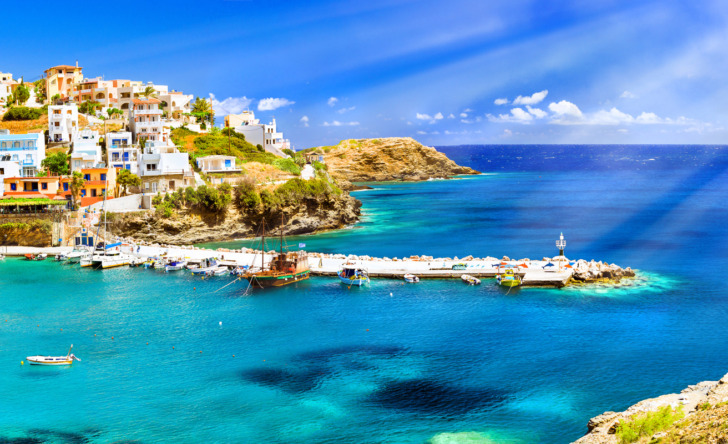
Rethymno is one of those Cretan cities that feels like it was designed specifically for slow wandering.
It sits on the north coast of Crete, roughly between Chania and Heraklion, which makes it a convenient base for exploring the island without feeling swallowed by a giant resort zone.
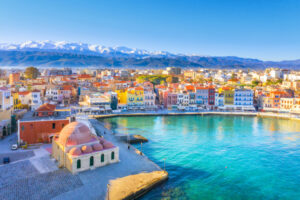
The city is famous for its Venetian harbor, Ottoman-era details, narrow Old Town lanes, long sandy beach, and the massive Fortezza fortress watching over the sea.
It has history, beaches, food, nightlife, and that relaxed Cretan rhythm that makes you accidentally turn a two-hour walk into a whole afternoon.
From a safety point of view, Rethymno is one of the easier Greek destinations to enjoy.
It is not crime-free, no tourist city is, but the risks are usually manageable with normal travel awareness.
Warnings & Dangers in Rethymno

OVERALL RISK: LOW
Rethymno is generally a safe destination for tourists, including families, solo travelers, couples, and older visitors. Violent crime is rare, the tourist infrastructure is well developed, and locals are used to international visitors. The biggest issues are petty theft, road safety, summer heat, and the occasional tourist scam.

TRANSPORT & TAXIS RISK: LOW
Public buses, taxis, and private transfers are generally safe in Rethymno. Buses connect the city with Chania, Heraklion, beaches, and villages, though schedules can be lighter outside peak season. Taxis are usually reliable, but confirm the fare or meter before starting, especially for airport transfers or late-night rides.

PICKPOCKETS RISK: LOW
Pickpocketing is not a major problem in Rethymno, but it can happen in crowded tourist areas, busy beaches, markets, nightlife spots, and packed buses. The Old Town and harbor are safe to explore, but keep your phone, wallet, and passport secure. Beach bags left unattended are an easier target than pockets.

NATURAL DISASTERS RISK: MEDIUM
Crete is in an earthquake-prone region, and tremors can occur across Greece. Wildfires are also a summer concern during hot, dry, windy periods. Rethymno itself is not a scary destination, but travelers should take natural risks seriously, especially when hiking, driving through rural areas, or visiting beaches during rough seas.

MUGGING RISK: LOW
Muggings are uncommon in Rethymno. The city is lively but not generally aggressive, and most tourist areas remain comfortable after dark. Still, use basic judgment late at night. Avoid walking alone while drunk, do not flash cash, and take a taxi back if your accommodation is far from the center.

TERRORISM RISK: LOW
Rethymno has a low terrorism risk. Greece has experienced politically motivated incidents in the past, mostly connected to major urban centers and government-related targets, not Cretan beach towns. Tourists should still stay aware in crowded public places, but terrorism should not be one of your main concerns in Rethymno.

SCAMS RISK: LOW
Scams in Rethymno are usually mild rather than dangerous. Watch for vague taxi pricing, inflated bills in tourist-heavy restaurants, aggressive souvenir pricing, unofficial tour sellers, and rental vehicle disputes over scratches or fuel. Most businesses are honest, but checking prices upfront saves you from awkward surprises.

WOMEN TRAVELERS RISK: LOW
Rethymno is generally safe for women travelers, including solo travelers. The Old Town, waterfront, beach promenade, and central streets feel comfortable in normal hours. As anywhere, late-night drinking areas require more caution. Trust your instincts, avoid isolated alleys after midnight, and use licensed taxis when returning alone.

TAP WATER RISK: LOW
Tap water in Rethymno is generally considered safe to drink, though many visitors prefer bottled water because the taste can vary by area, building, or season. For short trips, bottled water is cheap and widely available. If you have a sensitive stomach, stick with bottled water to be safe.
Safest Places to Visit in Rethymno
Old Town
Rethymno’s Old Town is one of the safest and most enjoyable parts of the city for visitors.
It is compact, walkable, full of shops and restaurants, and busy enough that you rarely feel isolated.
The maze-like streets are part of the fun, but they can be confusing, so use your phone map when needed.
During the day and early evening, this area is excellent for sightseeing, photography, shopping, and eating.
Venetian Harbor
The Venetian Harbor is one of the prettiest places in Rethymno and a comfortable area for tourists.
It is small, scenic, and popular, with restaurants and cafés overlooking the water.
The main safety concern here is not crime, but overpaying for food in very touristy waterfront spots.
Check menus before sitting down and avoid anyone pressuring you too hard.
Fortezza Fortress
The Fortezza is one of Rethymno’s signature attractions and is generally very safe to visit during opening hours.
It offers wide views over the city and sea, making it a great daytime stop.
Wear comfortable shoes because the ground can be uneven, and bring water in summer.
The area around it is usually calm and tourist-friendly.
Rethymno Beach and Promenade
The long beach east of the Old Town is safe, convenient, and popular with travelers.
The promenade has hotels, beach bars, restaurants, and shops, which keep it active throughout the day.
The main risks are sunburn, dehydration, occasional rough water, and leaving valuables unattended while swimming.
Nearby Villages and Monasteries
Villages around Rethymno, such as Arkadi, Margarites, and Argyroupoli, are generally peaceful and welcoming.
These are excellent choices for travelers who want a quieter, more traditional side of Crete.
Roads can be narrow and winding, so the biggest safety issue is usually driving rather than crime.
Places to Avoid in Rethymno
Isolated Beach Areas Late at Night
Rethymno’s beach is pleasant and safe during the day, but isolated stretches late at night are not ideal, especially if you are alone or intoxicated.
This is less about violent crime and more about avoiding unnecessary vulnerability.
Stick to lit, busier areas near hotels, restaurants, and beach bars after dark.
Dark Backstreets Outside the Old Town Core
The Old Town is charming, but some side lanes can become very quiet late at night.
They are not known as dangerous, but tourists who are lost, drunk, or distracted can become easy targets for petty theft or harassment.
If the street suddenly feels empty and poorly lit, return to the main pedestrian routes.
Overly Touristy Restaurant Rows With Pushy Staff
Not dangerous in a physical sense, but some highly tourist-oriented strips can bring mild scams, vague pricing, or disappointing bills.
Be careful with restaurants that do not clearly display prices, staff who aggressively wave you inside, or menus where seafood is priced by weight without explanation.
Rural Roads After Dark
Outside the city, rural roads can be narrow, steep, poorly lit, and full of curves.
Add unfamiliar rental cars, scooters, goats, and local drivers who know the roads too well, and night driving becomes one of the more realistic safety concerns near Rethymno.
Avoid long countryside drives after dark unless necessary.
Crowded Nightlife Spots When Alcohol Is Flowing
Rethymno has a fun nightlife scene, especially in summer, but crowded bars can bring the usual vacation problems: lost phones, arguments, overdrinking, and poor decisions.
Stay with your group, watch your drinks, and do not leave valuables on tables or bar counters.
Safety Tips for Traveling to Rethymno
- Protect your valuables in the Old Town. Rethymno’s Old Town is safe, but it is also where tourists naturally get distracted. You will be taking photos, reading menus, looking up at balconies, and trying to decide which tiny alley smells most like grilled seafood. That is exactly when petty theft can happen. Keep wallets in front pockets or zipped bags, avoid hanging purses over chair backs, and do not leave phones on outdoor tables.
- Be careful with rental cars and scooters. Driving around Crete can be rewarding, but it is not always relaxing. Roads outside Rethymno may be narrow, curvy, and mountainous. Local drivers can be confident, and tourists are often hesitant, which is not a magical combination. If you rent a car, choose one you are comfortable driving, inspect it carefully, photograph existing damage, and avoid rushing. I would only recommend scooters or ATVs to experienced riders.
- Take summer heat seriously. Rethymno gets hot in summer, especially in July and August. The sun can be intense, and heat exhaustion sneaks up faster than most travelers expect. Carry water, wear a hat, use sunscreen, and plan sightseeing for morning or late afternoon. The Fortezza, beach promenade, and archaeological sites can feel brutal in midday heat.
- Swim with caution. Rethymno’s long beach is beautiful, but the sea can change quickly depending on the wind and currents. Pay attention to beach flags, avoid swimming too far out, and be extra careful with children. If waves look rough, do not treat the Mediterranean like a hotel pool. Also, never leave valuables unattended while you swim.
- Confirm taxi prices before you ride. Taxis in Rethymno are generally safe, but misunderstandings over price can happen. For short city rides, meters are usually used. For airport transfers, longer routes, or late-night trips, confirm the approximate fare before getting in. If you are coming from Chania or Heraklion airport, arranging a transfer in advance can remove a lot of stress.
- Do not underestimate earthquakes. You do not need to obsess over earthquakes in Rethymno, but you should know what to do. Greece is seismically active, and tremors are part of life in the region. If you feel shaking indoors, move away from windows and heavy objects. Afterward, follow local instructions, avoid damaged buildings, and do not rush toward the waterfront if there are official warnings.
- Be smart with restaurant bills. Most restaurants in Rethymno are honest, friendly, and delicious. Still, tourist areas anywhere can have bill surprises. Check whether bread, water, cover charges, or seafood sold by weight are included. Ask questions before ordering if something is unclear. This is not about being paranoid, just avoiding that classic vacation moment where the bill arrives and everyone suddenly becomes a lawyer.
- Stay alert during nightlife. Rethymno is not a wild party monster like some Greek islands, but summer nights can still get lively. If you drink, pace yourself, keep an eye on your drink, and avoid wandering far from the center alone. Use a taxi if your accommodation is not nearby. Most problems at night are alcohol-related rather than location-related.
- Pack for both city walking and nature trips. Rethymno is not just a beach city. You may find yourself walking cobblestone lanes, climbing fortress paths, visiting monasteries, or exploring gorges and villages. Bring comfortable shoes with grip, not only sandals. Uneven stone streets and slippery harbor areas are more likely to hurt you than crime is.
- Keep travel insurance active. Rethymno is safe, but safe does not mean nothing can go wrong. Travel insurance is useful for medical care, lost luggage, rental car issues, canceled ferries, delayed flights, or injuries from hiking and swimming. Crete has medical facilities, but insurance gives you more options and fewer financial headaches if something unexpected happens.
So... How Safe Is Rethymno Really?
Rethymno is genuinely one of the safer Mediterranean city destinations for travelers.
It has the right combination of strong tourism infrastructure, a relaxed local culture, walkable historic areas, low violent crime, and enough activity in the center to make visitors feel comfortable.
Most tourists will never encounter anything more serious than a sunburn, a confusing road, a pushy restaurant host, or a mild overcharge.
The most realistic risks are practical ones.
Petty theft can happen in crowded or distracted tourist settings, especially around beaches, buses, nightlife, and outdoor dining.
Road safety is a bigger concern than street crime, particularly if you rent a vehicle and explore rural Crete.
Natural hazards also deserve respect.
Crete can experience earthquakes, summer wildfires, extreme heat, and occasional rough seas.
For families, Rethymno is a strong choice because the beach, Old Town, restaurants, and attractions are close together.
For solo travelers, it is manageable and friendly.
For women travelers, it is generally comfortable, especially compared with many busier nightlife destinations.
My honest take: Rethymno is safe, but it rewards travelers who are relaxed without being careless.
Keep your belongings secure, drive defensively, respect the heat, and use normal street smarts at night.
Do that, and Rethymno is more likely to steal your heart than your wallet.
How Does Rethymno Compare?
| City | Safety Index |
|---|---|
| Rethymno |
79 |
| Santorini |
78 |
| Crete |
82 |
| Heraklion |
82 |
| Rhodes |
83 |
| Athens |
68 |
| Chania |
83 |
 Carthage Carthage | 80 |
 Lucerne Lucerne | 91 |
| Mount Charleston | 77 |
| Binghamton | 61 |
| Pipestone | 81 |
| Tempe | 65 |
Useful Information

Visas
Rethymno is in Greece, which is part of the Schengen Area. Many visitors, including Americans, Canadians, Australians, and British travelers, can usually visit visa-free for up to 90 days within a 180-day period for tourism. Travelers who need a Schengen visa should apply before arrival through the appropriate Greek consulate or visa center.

Currency
The currency in Rethymno is the euro. Cards are widely accepted in hotels, restaurants, shops, and larger businesses, but cash is still useful for small tavernas, buses, tips, local markets, and villages. Use bank ATMs when possible, avoid poor exchange kiosks, and always choose to be charged in euros when using a card.

Weather
Rethymno has a Mediterranean climate with hot, dry summers and mild, wetter winters. June through September is beach season, so pack light clothes, swimwear, sunscreen, sunglasses, and a hat. Spring and autumn are excellent for sightseeing, but bring layers. Winter is quiet and mild, though rain and wind are more likely.

Airports
Rethymno does not have its own major airport. Most travelers arrive through Chania International Airport or Heraklion International Airport, both roughly reachable by bus, rental car, taxi, or private transfer. Chania is often slightly more convenient, but Heraklion also works well, especially if flight prices or schedules are better.

Travel Insurance
Travel insurance is strongly recommended for Rethymno, even though the city is safe. Good coverage can help with medical care, lost luggage, flight delays, ferry disruptions, rental car problems, and outdoor activities. If you plan to drive, hike, or visit remote beaches, insurance becomes even more useful.
Rethymno Weather Averages (Temperatures)
Average High/Low Temperature
| Temperature / Month | Jan | Feb | Mar | Apr | May | Jun | Jul | Aug | Sep | Oct | Nov | Dec |
|---|---|---|---|---|---|---|---|---|---|---|---|---|
| High °C |
14 | 15 | 16 | 19 | 23 | 27 | 29 | 29 | 27 | 23 | 19 | 15 |
| Low °C |
8 | 8 | 9 | 11 | 14 | 18 | 21 | 21 | 19 | 16 | 13 | 10 |
| High °F |
57 | 59 | 61 | 66 | 73 | 81 | 84 | 84 | 81 | 73 | 66 | 59 |
| Low °F |
46 | 46 | 48 | 52 | 57 | 64 | 70 | 70 | 66 | 61 | 55 | 50 |
Greece - Safety by City
| City | Safety Index |
|---|---|
| Athens | 68 |
| Chania | 83 |
| Corfu | 81 |
| Crete | 82 |
| Heraklion | 82 |
| Kavala | 75 |
| Kos | 81 |
| Mykonos | 76 |
| Nafplio | 81 |
| Patras | 74 |
| Rethymno | 79 |
| Rhodes | 83 |
| Santorini | 78 |
| Thessaloniki | 63 |
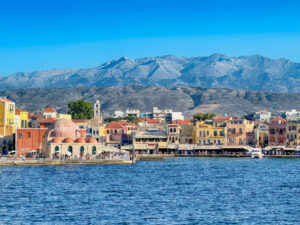













I spent a weekend here and while the fortress view is cool, it didn’t really make me want to slow down my pace like they say.
I spent a weekend there and honestly the beach was nice but the crowds around the Venetian harbor kind of killed the chill vibe for me.