 Philippines : Safety by City
- Bohol
- Boracay
- Cebu City
- Coron
- Davao City
- El Nido
- Iloilo
- Makati
- Manila
- Panglao
- Puerto Princesa
- Quezon City
- Samal Island
- Siargao
- Siquijor
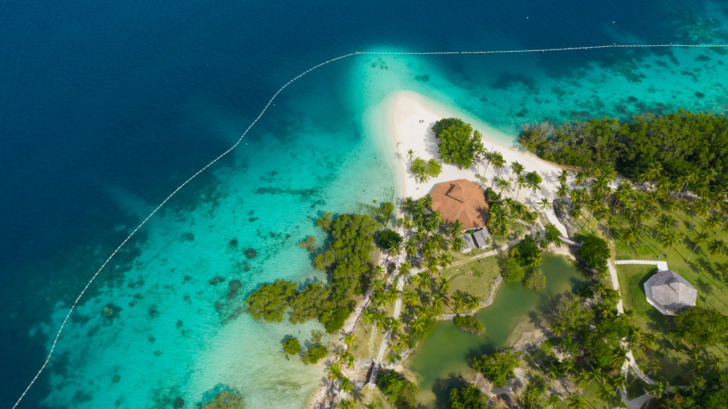
Samal Island, officially the Island Garden City of Samal, sits just off the coast of Davao City in the southern Philippines, separated from the mainland by the Pakiputan Strait.
It is one of those places that feels almost too convenient to be a tropical escape: white-sand beaches, coral gardens, waterfall stops, hillside viewpoints, giant clams, island resorts, and ferry access from a major city within minutes.
That mix makes Samal popular with weekend travelers from Davao as well as international visitors looking for a quieter alternative to the busier Philippine beach destinations.
Safety-wise, Samal is generally calmer than many urban areas, but it is still part of Mindanao, so smart planning matters.
Warnings & Dangers in Samal Island

OVERALL RISK: MEDIUM
Samal Island is generally safe for tourists who stick to known beaches, resorts, ferry routes, and organized tours. The main reason I rate it medium rather than low is its location in Mindanao, a region with broader travel-security concerns. Every day, tourist crime is not extreme, but visitors should stay alert, avoid isolated areas at night, and check local conditions before traveling.

TRANSPORT & TAXIS RISK: MEDIUM
Transportation is usually straightforward, but it can feel informal. Visitors commonly use ferries, tricycles, habal-habal motorcycle taxis, vans, and resort transfers. The biggest risks are road safety, poorly maintained motorcycles, limited lighting at night, and fare misunderstandings. Use resort-arranged transport when possible, agree on prices first, and avoid motorcycle rides without helmets.

PICKPOCKETS RISK: LOW
Pickpocketing is not one of Samal Island’s biggest dangers, especially compared with crowded city centers. Still, petty theft can happen around ferry terminals, public beaches, markets, and busy resort entrances. Keep bags zipped, do not leave phones on tables, and avoid flashing cash when paying for rides or beach fees.

NATURAL DISASTERS RISK: MEDIUM
Samal Island can be affected by tropical weather, heavy rain, flooding, rough seas, landslides in hilly areas, earthquakes, and occasional regional storm systems. It is not usually hit as directly as some eastern Philippine islands, but bad weather can still disrupt ferries and tours. Check conditions before island-hopping, especially during rainy months.

MUGGING RISK: LOW
Violent street crime against tourists is not common in the main visitor zones of Samal Island. The risk rises if you wander alone after dark, drink heavily, carry valuables openly, or visit isolated roads and beaches without local guidance. Most travelers will not encounter serious crime, but basic night safety is still important.

TERRORISM RISK: MEDIUM
This is the most complicated category. Samal itself is a tourist island near Davao and is not the same as higher-risk areas in western Mindanao, but the broader region has had security concerns, including terrorism and kidnapping threats. Travelers should avoid remote coastal areas, stay updated locally, and take government travel warnings seriously.

SCAMS RISK: LOW
Samal is not a major scam hotspot, but small tourist annoyances can happen. These may include inflated tricycle fares, vague tour pricing, unofficial guides, surprise entrance fees, or boat trips that are not clearly explained. Confirm the full price, route, and inclusions before agreeing. Resorts and registered operators are usually the easiest option.

WOMEN TRAVELERS RISK: LOW
Women travelers can have a safe and enjoyable trip to Samal, especially when staying in established resorts and using arranged transportation. The island is not known for aggressive street harassment, but solo travelers should be cautious at night and avoid isolated beaches. Dressing comfortably but respectfully also helps in more local areas.

TAP WATER RISK: MEDIUM
I would not drink tap water on Samal Island unless your accommodation specifically confirms it is filtered and safe. Bottled or purified water is widely available and is the better choice for visitors. Be careful with ice in basic eateries, and use bottled water for brushing your teeth if you have a sensitive stomach.
Safest Places to Visit in Samal Island
Resort Areas and Established Beachfronts
The safest places in Samal are usually the established resort zones, especially those with private beach access, security staff, organized transport, and clear visitor procedures.
These areas are designed for tourists, so you are less likely to deal with confusing transport, unregulated guides, or poorly lit surroundings.
Resorts also make it much easier to arrange island tours, snorkeling, van transfers, and ferry pickup without negotiating everything on the street.
Kaputian Beach Area
Kaputian is one of the more popular beach areas on the island and is generally a good choice for visitors who want a simple, relaxed seaside experience.
It has a more local feel than some private resorts, so keep an eye on belongings, but it is not a place I would consider scary or off-limits during the day.
It is best visited with planned transport, especially if returning after sunset.
Monfort Bat Sanctuary
Monfort Bat Sanctuary is one of Samal Island’s most unique attractions and a good daytime stop.
It is organized, visitor-friendly, and easy to include in a guided route around the island.
Because it is a known attraction, you are less likely to feel lost or unsure about where to go.
Giant Clam Sanctuary and Snorkeling Areas
The Giant Clam Sanctuary and nearby snorkeling spots are among the island’s safer adventure activities when visited with responsible operators.
The key is to choose organized tours, wear a life jacket if you are not a confident swimmer, and avoid touching coral or marine life.
The water can look calm, but currents and boat traffic still deserve respect.
Hagimit Falls
Hagimit Falls is another popular attraction and is generally safe during normal weather.
It is best visited in daylight and avoided during heavy rain, when rocks can become slippery, and water flow can change quickly.
Wear water shoes or sandals with grip, and do not climb wet rocks just for a photo.
Places to Avoid in Samal Island
Isolated Beaches After Dark
Samal’s beaches are beautiful, but quiet beaches can feel very different at night.
Avoid wandering on isolated stretches after dark, especially if you are alone or carrying valuables.
Poor lighting, limited transport, and fewer people around can turn a peaceful area into a risky one.
Stick to resort areas, restaurants, and places where staff or other visitors are nearby.
Remote Roads and Interior Areas at Night
Some inland roads on Samal are dark, narrow, and lightly traveled after evening.
This is not the place to experiment with late-night motorcycle rides or spontaneous shortcuts.
Even if crime is not the issue, road accidents, stray animals, rough pavement, and poor visibility can be.
Arrange transport in advance if you plan to be out late.
Unofficial Boat Pickup Points
Avoid taking boat rides from random or unofficial operators, especially if the price seems oddly cheap or the route is not clearly explained.
Boat safety matters in the Philippines, and travelers should care about life jackets, weather, sea conditions, and operator reputation.
Use recognized ferry services, resort-arranged boats, or established tour operators.
Ferry Terminals During Crowded Periods
Ferry terminals are not necessarily dangerous, but they can be hectic.
Crowds, bags, vehicles, and unclear queues can make it easier to lose belongings or get confused about fares and schedules.
Keep your luggage close, arrive with extra time, and avoid letting strangers “help” with bags unless they are clearly staff.
Alcohol-Heavy Beach Gatherings
Beach drinking is common in many island destinations, but alcohol changes the safety picture quickly.
Avoid getting heavily drunk with strangers, leaving drinks unattended, or walking back to remote accommodation alone.
If you are going out for drinks, arrange your ride back before the night starts.
Safety Tips for Traveling to Samal Island
- Stay in a well-reviewed resort or guesthouse. Accommodation choice matters a lot on Samal. A good resort can help with ferry timing, airport pickup, tours, boat trips, and emergency questions. This removes many small risks before they even appear. I would rather pay a little extra for reliable transport and local knowledge than save a few dollars and spend the trip guessing.
- Arrange transport before arriving when possible. Samal is easy to reach from Davao, but transport can still feel confusing for first-time visitors. Ask your hotel about pickup from Davao airport, ferry terminals, or the city. If you use tricycles or motorcycles, agree on the fare before getting in. For longer trips around the island, a private van or resort-arranged driver is usually safer and more comfortable.
- Avoid late-night wandering. This is not a place where tourists should casually walk down dark rural roads at midnight. Samal is relaxed, but many roads have limited lighting and few people around at night. Plan your dinner and return ride ahead of time. If you want nightlife, stay somewhere that has food, drinks, and entertainment on-site or nearby.
- Check ferry and weather conditions. Because Samal depends heavily on ferry and boat access, the weather affects travel more than visitors expect. Heavy rain, rough seas, or local advisories can delay or disrupt movement. Before booking activities, ask about sea conditions. Never pressure a boat operator to go out if conditions are questionable. The ocean wins arguments.
- Use life jackets on boat and snorkeling trips. Even confident swimmers should be careful. Currents, boat traffic, sudden fatigue, and deep water can create problems quickly. Choose operators that provide life jackets, especially for island-hopping or snorkeling. If a tour feels careless about safety equipment, skip it. There will always be another beach, another boat, and another sunset.
- Keep valuables simple and secure. Samal is not a high-theft destination, but there is no reason to make yourself an easy target. Bring only what you need to the beach. Use a waterproof pouch for your phone and cash, and leave passports, spare cards, and extra money locked at your accommodation. Never leave bags unattended while swimming.
- Be cautious with motorcycles. Motorcycle taxis are common and convenient, but they are not always the safest option. Roads can be uneven, helmets may not always be offered, and night visibility can be poor. If you use one, insist on a helmet and avoid fast or reckless drivers. For families, older travelers, or anyone with luggage, vans or tricycles are usually better.
- Drink bottled or purified water. Stomach trouble can ruin an island trip fast. Stick with bottled or purified water, especially if you are only visiting for a few days. Be cautious with ice in very basic places, and wash your hands often. For beach days, bring extra water because heat and humidity can sneak up on you.
- Respect local customs and communities. Samal is a tourist destination, but it is also home to local communities. Dress modestly away from the beach, ask before taking photos of people, and be polite when entering villages or small local businesses. A friendly attitude goes far here. Most safety problems are easier to avoid when you are respectful and low-profile.
- Stay aware of the broader Mindanao security situation. Samal is close to Davao and far from the highest-risk areas of western Mindanao, but travelers should still pay attention to regional security updates. Avoid political gatherings, protests, suspicious packages, and remote coastal areas. If your government issues new warnings for Davao or nearby areas, take them seriously and adjust your plans.
So... How Safe Is Samal Island Really?
Samal Island is safer than many people might assume when they hear “Mindanao,” but it is not a destination I would describe as risk-free.
For normal tourists staying at resorts, visiting beaches, snorkeling, seeing waterfalls, and moving around during the day, the practical safety risk is usually manageable.
The island’s biggest everyday concerns are transport safety, water safety, weather disruptions, petty theft, and the need to avoid isolated places at night.
The more serious concern is regional.
Mindanao has a complicated security history, and some parts of the southern Philippines remain under stronger travel warnings because of terrorism, kidnapping, armed groups, and civil unrest.
Samal is not in the same category as the highest-risk provinces, and it functions as a major leisure destination for Davao residents.
Still, its location means travelers should stay informed rather than careless.
My honest take: Samal Island is a good destination for prepared travelers, couples, families, and beach lovers who use common sense.
It is not the best choice for people who like spontaneous late-night exploring, remote solo wandering, or ignoring local advice.
Visit smart, stay in known areas, and Samal can feel peaceful, beautiful, and surprisingly easy.
How Does Samal Island Compare?
| City | Safety Index |
|---|---|
| Samal Island |
73 |
| Iloilo |
70 |
| Siquijor |
78 |
| Manila |
50 |
| Quezon City |
55 |
| Siargao |
73 |
| Puerto Princesa |
77 |
 Dodge City Dodge City | 57 |
| Pocatello | 78 |
| Fallon | 77 |
| Anaheim | 73 |
| Lindsborg | 85 |
| Pennsylvania | 59 |
Useful Information

Visas
Many tourists can enter the Philippines visa-free for short stays, often up to 30 days, depending on nationality. Travelers usually need a passport valid for at least six months beyond arrival and proof of onward travel. Longer stays may require a visa extension through immigration offices. Always check requirements before departure because rules can change.

Currency
The currency is the Philippine peso. Cash is very useful on Samal Island, especially for tricycles, small eateries, entrance fees, and local shops. Exchange money in Davao City or withdraw pesos from reliable ATMs before crossing to the island. Resorts may accept cards, but smaller businesses often prefer cash.

Weather
Samal is warm and tropical year-round, with humid days, warm nights, and periods of heavy rain. Pack light clothing, swimwear, sandals, reef-safe sunscreen, mosquito repellent, and a light rain jacket. Even in dry periods, tropical showers can appear suddenly. Quick-dry clothes are your friend here.

Airports
The main gateway is Francisco Bangoy International Airport in Davao City. From there, travelers usually take a taxi, van, or hotel transfer to the ferry area, then cross by ferry or boat to Samal. Some resorts arrange direct transfers, which is the easiest option if you are arriving with luggage or children.

Travel Insurance
Travel insurance is strongly recommended for Samal Island, especially if you plan to snorkel, ride motorcycles, take boat trips, or visit during the rainy season. Good insurance should cover medical care, trip delays, lost luggage, emergency evacuation, and adventure activities. Island travel is wonderful, but small problems can become expensive without coverage.
Samal Island Weather Averages (Temperatures)
Average High/Low Temperature
| Temperature / Month | Jan | Feb | Mar | Apr | May | Jun | Jul | Aug | Sep | Oct | Nov | Dec |
|---|---|---|---|---|---|---|---|---|---|---|---|---|
| High °C |
29 | 29 | 30 | 30 | 31 | 30 | 30 | 30 | 30 | 30 | 30 | 30 |
| Low °C |
24 | 24 | 24 | 24 | 25 | 25 | 25 | 25 | 25 | 25 | 24 | 24 |
| High °F |
84 | 84 | 86 | 86 | 88 | 86 | 86 | 86 | 86 | 86 | 86 | 86 |
| Low °F |
75 | 75 | 75 | 75 | 77 | 77 | 77 | 77 | 77 | 77 | 75 | 75 |
Philippines - Safety by City
| City | Safety Index |
|---|---|
| Bohol | 79 |
| Boracay | 76 |
| Cebu City | 60 |
| Coron | 79 |
| Davao City | 75 |
| El Nido | 80 |
| Iloilo | 70 |
| Makati | 60 |
| Manila | 50 |
| Panglao | 79 |
| Puerto Princesa | 77 |
| Quezon City | 55 |
| Samal Island | 73 |
| Siargao | 73 |
| Siquijor | 78 |