


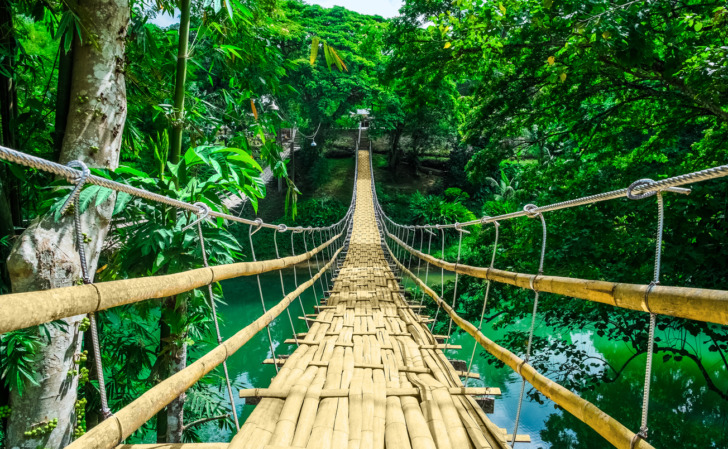
 Philippines : Safety by City
- Bohol
- Boracay
- Cebu City
- Coron
- Davao City
- El Nido
- Iloilo
- Makati
- Manila
- Panglao
- Puerto Princesa
- Quezon City
- Samal Island
- Siargao
- Siquijor
Bohol is one of those places in the Philippines that feels like it was designed to make travelers slow down, smile, and forget what day it is.
Located in the Central Visayas, just southeast of Cebu, this island province is famous for the Chocolate Hills, tiny wide-eyed tarsiers, white-sand beaches, river cruises, old Spanish-era churches, and some of the clearest diving waters in the country.
Most travelers base themselves around Panglao Island, especially near Alona Beach, but the real beauty of Bohol is how varied it feels.
One morning you can be swimming with sardines, and by afternoon you can be driving past rice fields, limestone hills, and quiet villages.
From a safety point of view, Bohol is one of the more comfortable destinations in the Philippines for tourists, though it still requires tropical-island common sense.
Warnings & Dangers in Bohol

OVERALL RISK: LOW
Bohol is generally safe for tourists, especially in popular areas such as Panglao, Tagbilaran, Anda, Loboc, and the Chocolate Hills route. Violent crime against visitors is uncommon, and the province has a strong tourism economy. The main risks are petty theft, road accidents, weather disruptions, water safety, and occasional overcharging.

TRANSPORT & TAXIS RISK: MEDIUM
Transport is usually safe, but it can feel informal compared with larger cities. Airport transfers, hotel vans, tourist cars, tricycles, scooters, and ferries are common. The biggest safety issue is road travel, especially if renting a scooter without experience. Roads can be dark, narrow, uneven, or shared with dogs, trucks, motorbikes, and pedestrians.

PICKPOCKETS RISK: LOW
Pickpocketing is not a major problem in Bohol, but it can happen in crowded tourist areas, ports, markets, ferry terminals, and nightlife spots around Alona Beach. Most theft is opportunistic rather than aggressive. Keep phones and wallets secure, especially when sitting at beach bars, riding tricycles, or leaving bags unattended near the water.

NATURAL DISASTERS RISK: MEDIUM
Bohol sits in a region exposed to typhoons, heavy rain, flooding, earthquakes, and rough seas. The island was heavily affected by a major earthquake in 2013, and tropical weather can still disrupt ferries, island-hopping trips, and countryside tours. The dry season is easier for travel, but weather should always be checked before boat trips.

MUGGING RISK: LOW
Muggings are rare in Bohol’s main tourist zones, especially during the day. The risk rises slightly late at night if walking alone in poorly lit areas, carrying cash, or drinking heavily around nightlife streets. Use a tricycle, taxi, or arranged transfer after dark instead of wandering down quiet side roads.

TERRORISM RISK: LOW
Bohol is not considered one of the high-risk terrorism areas in the Philippines. The main national concerns are concentrated in parts of Mindanao, the Sulu Archipelago, and surrounding waters far from typical Bohol itineraries. Security exists around ports, ferries, and tourist zones, but visitors should still follow local advisories.

SCAMS RISK: MEDIUM
Scams in Bohol are usually small-scale: inflated tricycle fares, unclear tour prices, overpriced scooter rentals, fake environmental fees, or boat trips that change details after payment. Most locals are honest and friendly, but tourists should confirm prices, routes, inclusions, fuel costs, entrance fees, and return times before agreeing to anything.

WOMEN TRAVELERS RISK: LOW
Bohol is a comfortable destination for women travelers, including solo travelers, especially in Panglao, Tagbilaran, Anda, and organized tour areas. Harassment is not usually aggressive, but unwanted attention can happen in nightlife settings. Basic precautions apply: avoid isolated beaches at night, watch your drinks, and use trusted transport after dark.

TAP WATER RISK: MEDIUM
Tap water in Bohol is not recommended for most tourists to drink. Stick to bottled, sealed, or filtered water, and use caution with ice in very casual roadside places. Many hotels and restaurants provide safe drinking water. For sensitive stomachs, brushing teeth with bottled water is a smart move.
Safest Places to Visit in Bohol
Panglao Island
Panglao is the easiest and most tourist-friendly base in Bohol.
It has the airport, many resorts, organized transport, dive shops, restaurants, and beaches.
Alona Beach is the busiest area, with the most nightlife and tour operators, while Dumaluan Beach and quieter resort zones feel calmer and more family-friendly.
Panglao is generally safe, but because it draws the most visitors, it also has the most tourist pricing games and petty theft opportunities.
Tagbilaran City
Tagbilaran is Bohol’s main urban center and a practical place for ferries, shopping, hospitals, banks, and transport connections.
It is not as dreamy as Panglao, but it is useful and generally safe during the day.
Travelers who want convenience, lower hotel prices, and easier access to local services may prefer staying here for a night before heading elsewhere.
Loboc and the Interior Countryside
Loboc is one of Bohol’s most pleasant inland areas, known for its river, floating restaurants, green scenery, and relaxed village atmosphere.
It is safe for visitors and often included in countryside tours with the Chocolate Hills, tarsier sanctuaries, and heritage churches.
The main caution is road safety, especially on scooters or during rainy weather.
Carmen and the Chocolate Hills
The Chocolate Hills area around Carmen is one of Bohol’s signature attractions and is generally safe for tourists.
The viewing areas and nearby attractions are well traveled, especially during daylight hours.
Go early to avoid crowds and heat.
Wear decent shoes, bring water, and be careful on stairs and viewing decks after rain.
Anda
Anda, on the eastern side of Bohol, is quieter than Panglao and feels more peaceful.
It has white beaches, cave pools, snorkeling, and a slower pace.
It is very safe in the usual tourist sense, though it is more remote.
That means fewer late-night transport options and longer travel times to hospitals, ferries, and the airport.
Places to Avoid in Bohol
Isolated Beaches After Dark
Bohol’s beaches are beautiful, but empty beaches at night are not the place to test your luck.
The issue is less about constant crime and more about limited lighting, fewer people around, uneven paths, stray dogs, alcohol-related incidents, and the difficulty of getting help quickly.
Stick to resort areas, beach restaurants, or main roads after sunset.
Unlicensed or Pushy Tour Operators
Avoid anyone offering tours, boat trips, scooter rentals, or “special deals” without a clear price, business name, receipt, or agreed itinerary.
This is especially true near busy tourist areas, ports, beaches, and transport hubs.
A cheap tour can become expensive fast if entrance fees, fuel, snorkeling gear, or return transport are suddenly “not included.”
Remote Roads at Night
Many roads outside Panglao and Tagbilaran become very dark at night.
Stray animals, sudden potholes, trucks, motorbikes without strong lights, and wet pavement can make night driving risky.
If you are not used to Philippine road conditions, do not rent a scooter and ride long distances after dark.
It is not worth the adventure points.
Overcrowded Party Spots Around Alona Beach
Alona Beach is fun, convenient, and safe overall, but it is also where the most tourist-nightlife issues can happen.
Watch your belongings, do not leave phones on tables, and avoid getting overly drunk with strangers.
The area is not dangerous, but it is where common-sense mistakes are most likely to cost you money or peace of mind.
Rough-Sea Boat Trips
Avoid island-hopping, dolphin watching, or diving trips when the sea looks rough or when authorities suspend small-vessel travel.
Bohol is a boat-heavy destination, and the weather can change quickly.
If local operators, coast guard notices, or your hotel advise against going out, listen.
The sea is not impressed by prepaid plans.
Safety Tips for Traveling to Bohol
- Use arranged airport transfers when you arrive. Bohol-Panglao International Airport is close to Panglao’s main resort areas, but after a long flight, it is worth having transport arranged in advance. Hotel transfers, licensed airport vans, and reputable private drivers reduce the chance of confusion, overcharging, or ending up with someone who does not know your accommodation. This is especially helpful for late arrivals.
- Be careful with scooter rentals. Renting a scooter is popular in Bohol, but it is also one of the biggest real safety risks. Roads can be narrow, animals wander, drivers overtake unpredictably, and rain can make surfaces slippery. Only rent a scooter if you are experienced, properly licensed, and comfortable with local traffic. Always wear a helmet, avoid night rides, and inspect brakes, tires, lights, and mirrors before leaving.
- Confirm tour prices before you start. Bohol is full of tours: countryside tours, island-hopping trips, river cruises, cave pool visits, dolphin watching, and diving packages. Before paying, confirm the total price, number of people, pickup time, drop-off point, entrance fees, environmental fees, boat fees, fuel, guide services, and cancellation rules. A good operator will explain everything clearly.
- Do not drink tap water. Bohol is tropical, and stomach problems can ruin a trip faster than a delayed ferry. Drink bottled or filtered water, avoid questionable ice, and be cautious with raw foods from very casual roadside stalls if you have a sensitive stomach. Restaurants in tourist areas are usually fine, but hydration and food hygiene still matter.
- Check weather before boat trips. Island-hopping around Balicasag, Virgin Island, Pamilacan, and nearby snorkeling areas can be amazing, but conditions matter. Wind, rain, and rough seas can make a simple trip uncomfortable or unsafe. If small boats are suspended or operators seem hesitant, reschedule. A sunny morning can still turn into a wet, choppy afternoon.
- Keep cash secure, but do not carry too much. Bohol is not a place where you need to walk around with a huge wad of cash. ATMs are available in Tagbilaran and Panglao, but they can run out or charge fees, so plan ahead. Carry enough for the day, keep backup cash separate, and use hotel safes when available. Small bills help with tricycles, entrance fees, and local snacks.
- Respect wildlife rules. The Philippine tarsier is one of Bohol’s most famous animals, but it is also extremely sensitive. Visit ethical sanctuaries, keep quiet, do not use flash, and never touch the animals. The same goes for marine life: do not step on coral, chase turtles, grab starfish, or feed fish. Safety in Bohol also means not being the tourist everyone quietly complains about.
- Use reef-safe sun protection and avoid heat exhaustion. Bohol can be intensely hot, especially on countryside tours where you are moving between viewpoints, churches, rivers, and outdoor stops. Wear a hat, sunglasses, light clothing, and sunscreen. Bring water everywhere. Heat exhaustion sneaks up quickly when you are climbing viewpoints, riding in open-air vehicles, or spending hours on boats.
- Be smart around nightlife. Bohol is not a wild party island compared with some Southeast Asian destinations, but Alona Beach has bars, music, and late-night socializing. Keep your drink in sight, avoid arguments, and do not wander off with strangers while drunk. Use a tricycle or arranged ride back to your hotel if your accommodation is not directly nearby.
- Have travel insurance that covers water activities. Bohol is a place where travelers often end up snorkeling, diving, riding scooters, taking boats, climbing viewpoints, or visiting cave pools. Standard insurance may not cover all of that automatically. Choose a policy that includes medical treatment, evacuation, trip disruption, lost belongings, ferry delays, and activities you actually plan to do. It is boring until you need it, then it becomes the best purchase of the trip.
So... How Safe Is Bohol Really?
Bohol is one of the safer and more relaxed tourist destinations in the Philippines, especially compared with larger urban centers where street crime, traffic, and nightlife risks are more intense.
The province has a strong tourism identity, and places like Panglao, Tagbilaran, Loboc, Carmen, and Anda are used to hosting local and international travelers.
Recent provincial crime reporting has shown a decline in overall crime incidents, which supports what many visitors feel on the ground: Bohol is not a scary destination.
That said, “safe” does not mean “risk-free.”
The most realistic dangers are not dramatic crimes, but practical travel hazards.
Scooter crashes, boat trips in bad weather, dehydration, stomach issues, petty theft, and poorly planned transport are far more likely to affect tourists than violent incidents.
Natural hazards also deserve respect.
Bohol is in a country shaped by typhoons, earthquakes, tropical storms, and rough seas, so flexibility is part of traveling well here.
I would describe Bohol as low-risk for careful tourists and medium-risk for careless ones.
Stay in reputable areas, use trusted transport, avoid night driving, watch the weather, and do not treat the ocean like a theme park.
Do that, and Bohol is a beautiful, friendly, and very rewarding place to explore.
How Does Bohol Compare?
| City | Safety Index |
|---|---|
| Bohol |
79 |
| Cebu City |
60 |
| Panglao |
79 |
| Puerto Princesa |
77 |
| Iloilo |
70 |
| Coron |
79 |
| Siargao |
73 |
 Surabaya Surabaya | 80 |
 Tiffin Tiffin | 78 |
| Bethany Beach | 81 |
 Rome Rome | 65 |
| Redondo Beach | 88 |
| Key West | 67 |
Useful Information

Visas
Many tourists can enter the Philippines visa-free for short stays, commonly up to 30 days depending on nationality. Travelers usually need a passport valid for at least six months beyond departure, proof of onward travel, and completed arrival requirements. Visa-required travelers should apply before arrival through the proper Philippine consular process.

Currency
The currency in Bohol is the Philippine peso. Cash is still useful for tricycles, small restaurants, entrance fees, local markets, and rural areas. ATMs are easiest to find in Panglao and Tagbilaran. Exchange money at banks, reputable exchange counters, or withdraw directly from ATMs rather than using random street exchangers.

Weather
Bohol is warm and tropical year-round, with lightweight clothing useful in every season. The driest and most comfortable months are usually from December to May, while wetter months can bring heavy showers and rougher seas. Pack breathable clothes, swimwear, sandals, sunscreen, insect repellent, and a light rain jacket.

Airports
Bohol-Panglao International Airport is the main airport serving the province and is very convenient for travelers staying in Panglao. From the airport, visitors can reach Alona Beach, Dumaluan, Tagbilaran, and other areas by hotel transfer, van, taxi, private car, or tricycle. For smoother arrival, book transport ahead.

Travel Insurance
Travel insurance is strongly recommended for Bohol because many of the best activities involve boats, beaches, diving, scooters, ferries, and rural travel. Look for coverage that includes medical care, emergency evacuation, lost baggage, trip delays, cancellations, and adventure or water activities. It is especially important during rainy season or multi-island trips.
Bohol Weather Averages (Temperatures)
Average High/Low Temperature
| Temperature / Month | Jan | Feb | Mar | Apr | May | Jun | Jul | Aug | Sep | Oct | Nov | Dec |
|---|---|---|---|---|---|---|---|---|---|---|---|---|
| High °C |
30 | 31 | 32 | 33 | 33 | 32 | 31 | 32 | 32 | 32 | 31 | 30 |
| Low °C |
24 | 24 | 24 | 25 | 25 | 25 | 25 | 25 | 25 | 25 | 25 | 24 |
| High °F |
86 | 88 | 90 | 91 | 91 | 90 | 88 | 90 | 90 | 90 | 88 | 86 |
| Low °F |
75 | 75 | 75 | 77 | 77 | 77 | 77 | 77 | 77 | 77 | 77 | 75 |
Philippines - Safety by City
| City | Safety Index |
|---|---|
| Bohol | 79 |
| Boracay | 76 |
| Cebu City | 60 |
| Coron | 79 |
| Davao City | 75 |
| El Nido | 80 |
| Iloilo | 70 |
| Makati | 60 |
| Manila | 50 |
| Panglao | 79 |
| Puerto Princesa | 77 |
| Quezon City | 55 |
| Samal Island | 73 |
| Siargao | 73 |
| Siquijor | 78 |
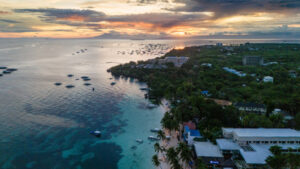
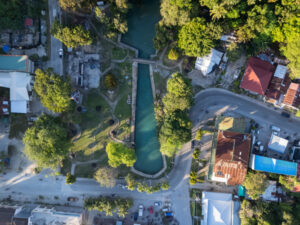
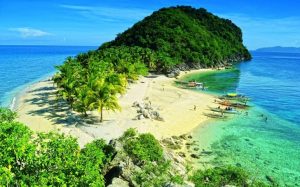













Sure, because nothing says relaxing like dodging hordes of tourists trying to snap the perfect chocolate hill selfie while pretending to ignore the sunburn creeping up on your neck.