


 Philippines : Safety by City
- Bohol
- Boracay
- Cebu City
- Coron
- Davao City
- El Nido
- Iloilo
- Makati
- Manila
- Panglao
- Puerto Princesa
- Quezon City
- Samal Island
- Siargao
- Siquijor
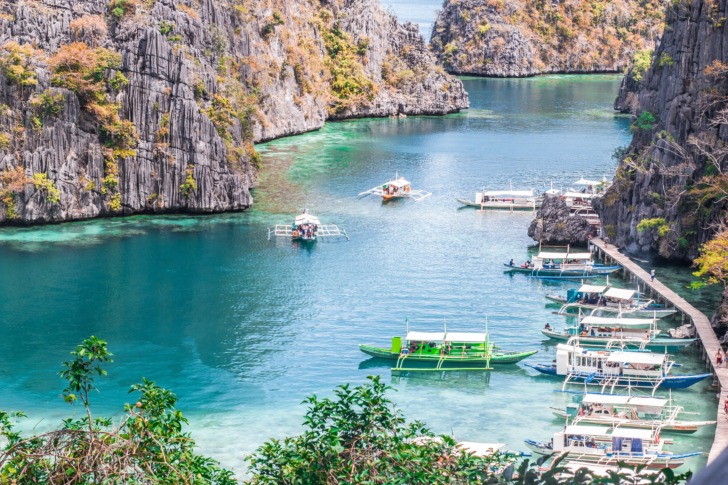
Coron is one of those places that makes you wonder if someone edited real life with a tropical fantasy filter.
Located in northern Palawan in the Philippines, it is famous for limestone cliffs, turquoise lagoons, coral gardens, World War II shipwreck dive sites, and island-hopping routes that feel almost unfairly beautiful.
Most travelers base themselves in Coron Town on Busuanga Island, then take boats to Kayangan Lake, Twin Lagoon, Barracuda Lake, and nearby beaches.
Compared with big Philippine cities, Coron feels calmer, smaller, and more nature-focused, but it is still a destination where smart planning matters.
The main safety concerns are not usually violent crime, but boat safety, weather, road conditions, water quality, sun exposure, and the occasional tourist-focused scam.
Overall, Coron is a very rewarding place to visit when you respect the sea, the roads, and the weather.
Warnings & Dangers in Coron

OVERALL RISK: LOW
Coron is generally safe for tourists, especially compared with larger urban areas in the Philippines. Violent crime against visitors is uncommon, and the town has a relaxed island atmosphere. The biggest risks are practical ones: boat accidents, slippery trails, bad weather, motorbike crashes, dehydration, and minor theft. With basic travel awareness, Coron is a low-risk destination.

TRANSPORT & TAXIS RISK: MEDIUM
Transportation in Coron is mostly by tricycle, van, boat, and rented motorbike or scooter. Tricycles are easy to find in Coron Town, but prices can vary, so agree on the fare before you ride. Boat tours are usually safe when booked through established operators, but weather and life jacket use matter. Roads can be uneven, dark, or slippery after rain.

PICKPOCKETS RISK: LOW
Pickpocketing is not a major problem in Coron, especially compared with Manila, Cebu, or crowded ferry terminals. Still, tourists can become careless around tour boats, markets, ATMs, and busy restaurants. Keep your phone, wallet, and camera secure, especially during island-hopping tours when bags are left on boats or beaches.

NATURAL DISASTERS RISK: MEDIUM
Coron sits in a tropical region affected by typhoons, heavy rain, rough seas, landslides, and occasional flooding. The dry season is usually better for island hopping, while the rainy season can bring sudden cancellations and dangerous sea conditions. Earthquakes are also possible in the Philippines. Weather awareness is one of the most important safety habits here.

MUGGING RISK: LOW
Muggings are rare in Coron, especially in tourist areas and during the daytime. The town is small, and most visitors feel comfortable walking around the central areas. That said, avoid wandering alone late at night on poorly lit roads, especially after drinking. Opportunistic crime is more likely when travelers look distracted or intoxicated.

TERRORISM RISK: LOW
Coron is not considered a major terrorism hotspot. Most terrorism-related travel concerns in the Philippines are concentrated far from Palawan, particularly in parts of Mindanao and the Sulu Archipelago. Coron’s tourism areas remain relatively peaceful. The main security concerns for visitors are much more likely to involve weather, transport, and petty theft.

SCAMS RISK: MEDIUM
Scams in Coron are usually small-scale rather than dangerous. These may include inflated tricycle fares, overpriced private boat tours, unclear entrance fees, weak tour inclusions, or rental disputes over scooters and snorkeling gear. Book tours with reputable operators, ask what is included, confirm prices clearly, and take photos of rented equipment before using it.

WOMEN TRAVELERS RISK: LOW
Coron is generally safe for women travelers, including solo travelers who use normal precautions. Locals are often friendly and used to tourists. The main concerns are late-night walking, isolated beaches, unwanted attention in bars, and joining poorly organized tours. Choose central accommodation, use trusted transport, and avoid excessive drinking with strangers.

TAP WATER RISK: MEDIUM
Tap water in Coron is not recommended for most visitors to drink. Stick with bottled, filtered, or properly purified water, especially if you have a sensitive stomach. Many hotels and restaurants offer refill stations, which are useful and reduce plastic waste. Be careful with ice, raw foods, and drinks from places with questionable hygiene.
Safest Places to Visit in Coron
Coron Town Proper
Coron Town Proper is the safest and most practical base for most travelers.
It has the widest choice of hotels, restaurants, tour agencies, pharmacies, ATMs, and tricycle access.
It is not the prettiest part of the destination, but it is convenient and easy to navigate.
Staying near the center also reduces the need to travel on dark rural roads at night.
Kayangan Lake
Kayangan Lake is one of Coron’s most famous attractions and one of the better-managed stops on many island-hopping tours.
The climb to the viewpoint can be steep and slippery, but the area is popular, organized, and usually visited with guides.
Wear shoes with grip, move slowly on wet steps, and do not rush the trail for photos.
Twin Lagoon
Twin Lagoon is another iconic Coron stop, known for dramatic limestone walls and clear blue-green water.
It is generally safe when sea conditions are calm, and visitors wear life jackets.
The biggest safety issue is swimming through narrow openings, climbing ladders, and dealing with boat congestion during peak hours.
Listen to your guide and avoid risky photo stunts.
Barracuda Lake
Barracuda Lake is popular with snorkelers, freedivers, and scuba divers because of its unusual underwater rock formations and temperature layers.
It is safer when visited with a reliable tour operator or dive guide.
The entry can be rocky, so water shoes help.
Divers should only go with proper certification and professional supervision.
Maquinit Hot Spring
Maquinit Hot Spring is one of the safest and most relaxing evening activities in Coron.
It is a short tricycle ride from town and is popular with tourists after island-hopping tours.
The water is hot, so enter slowly, stay hydrated, and do not soak for too long if you feel lightheaded.
Places to Avoid in Coron
Remote Roads at Night
Coron is not packed with dangerous neighborhoods, but remote roads outside the town center can feel isolated after dark.
Lighting can be poor, road surfaces can be uneven, and stray animals or sudden potholes are common.
If you are staying outside Coron Town, arrange transport in advance rather than relying on walking late at night.
Unregulated Boat Tours
The riskiest “place” in Coron is not always a neighborhood.
It can be an unsafe boat.
Avoid operators who ignore weather warnings, overload boats, skip life jackets, or give vague answers about inclusions and safety equipment.
A cheap island-hopping tour is not worth it if the boat looks poorly maintained or the crew seems careless.
Slippery Viewpoints and Trails After Rain
Places like Mt. Tapyas, Kayangan Lake’s viewpoint trail, and rocky lake entries can become slippery during or after rain.
These areas are not necessarily unsafe, but they become risky when visitors wear flip-flops, rush for photos, or climb after drinking.
Bring proper footwear and skip steep trails if the weather looks bad.
Isolated Beaches Without a Guide
Some beaches and small islands around Coron are peaceful and beautiful, but isolated areas come with practical risks.
There may be no lifeguards, a weak phone signal, sudden currents, sharp coral, or no quick help if something goes wrong.
Visit remote beaches with a trusted boat crew, and do not swim far from shore alone.
Dark Bar Areas Late at Night
Coron is not known as a wild nightlife destination, but bars and late-night restaurants still require common sense.
Watch your drinks, keep your valuables close, and do not leave with strangers in remote areas.
Most problems here are avoidable and usually involve alcohol, poor judgment, or walking alone after midnight.
Safety Tips for Traveling to Coron
- Book island-hopping tours with reputable operators. Boat tours are the highlight of Coron, but they are also where many of the destination’s real safety concerns come from. Choose operators with clear pricing, good reviews, licensed guides, and visible safety equipment. Ask whether life jackets are provided and whether the tour may be canceled if the sea is rough. A professional operator will not pressure you to go out in bad weather.
- Wear a life jacket even if you can swim. Coron’s lagoons and lakes can look calm, but conditions can change quickly. Some stops involve deep water, boat traffic, rocky entries, and currents. A life jacket is not a tourist weakness; it is basic common sense. This is especially important if you are tired, not a strong swimmer, traveling with kids, or taking photos in the water.
- Do not underestimate the sun. The tropical sun in Coron can hit hard, especially on boat decks where shade is limited. Wear reef-safe sunscreen, sunglasses, a hat, and light clothing. Bring more water than you think you need. Sunburn and dehydration can ruin a trip faster than almost anything else, and they are extremely common among island-hoppers.
- Use dry bags for valuables. Coron is a water-based destination, so your phone, passport copy, cash, and camera need protection. A good dry bag is one of the smartest things to bring. Even if your boat seems dry, waves, rain, and wet passengers can soak bags quickly. Keep electronics sealed, and do not leave valuables loose on the boat.
- Avoid drinking tap water. Stick to bottled, filtered, or purified water. Many accommodations offer refills, which are useful and cheaper than constantly buying plastic bottles. Be cautious with ice in very basic stalls, and choose busy restaurants with high food turnover. Stomach problems are not guaranteed, but they are common enough that prevention matters.
- Be careful when renting scooters. Scooters are convenient but risky in Coron, especially for travelers who are not experienced riders. Roads may have potholes, gravel, dogs, poor lighting, and sudden rain. Always wear a helmet, take photos of the bike before renting, check the brakes, and avoid riding at night unless necessary. If you are unsure, use tricycles instead.
- Carry enough cash. Coron has ATMs, but they can run out of cash or have service issues during busy periods. Many small businesses, boat crews, and local eateries still prefer cash. Keep your money split between bags, and avoid flashing large bills in public. Use ATMs in safer, central areas during the day when possible.
- Respect wildlife, coral, and sharp rocks. Coron’s marine environment is gorgeous but fragile. Do not step on coral, touch marine life, or swim too close to jellyfish if guides warn you. Sharp limestone and coral cuts can become infected in tropical climates. Water shoes are helpful for rocky entries, and any cuts should be cleaned quickly.
- Check the weather before every boat day. The difference between a perfect Coron tour and a miserable one can be one sudden weather shift. Heavy rain and rough seas can lead to cancellations, poor visibility, or uncomfortable boat rides. Do not argue with operators who cancel for safety reasons. Build extra time into your itinerary in case tours are delayed.
- Keep expectations realistic. Coron is safe, but it is still a small island destination with limited infrastructure. Roads are not perfect, medical facilities are more limited than in major cities, and the weather can disrupt plans. Travelers who stay flexible, choose good operators, and avoid risky shortcuts usually have a smooth, memorable trip.
So... How Safe Is Coron Really?
Coron is genuinely safe for most travelers, but it is not the kind of place where safety is only about crime.
If you arrive expecting big-city dangers, you may be surprised by how calm it feels.
The town is small, tourism is well established, and serious violent incidents involving visitors are uncommon.
Petty theft can happen, but it is not the defining safety issue.
The more realistic risks are environmental and logistical.
Coron is built around boats, water, cliffs, lakes, and rural roads.
That means your safety depends heavily on the weather, your tour operator, your swimming ability, your footwear, and your judgment.
A traveler who books a good boat tour, wears a life jacket, drinks safe water, avoids night scooter rides, and watches the forecast is likely to find Coron very manageable.
The Philippines does have broader travel risks, including tropical storms, uneven road safety, and regional security concerns in some parts of the country.
Coron, however, is far from the areas most associated with serious conflict.
For the average tourist,
Coron is best described as low risk overall, with medium risk for water activities, storms, and transport.
Treat it like an adventure destination, not a resort bubble, and it becomes one of the safer and more spectacular places to visit in Palawan.
How Does Coron Compare?
| City | Safety Index |
|---|---|
| Coron |
79 |
| Siargao |
73 |
| Boracay |
76 |
| Cebu City |
60 |
| Davao City |
75 |
| Bohol |
79 |
| Panglao |
79 |
 Pas de la Casa Pas de la Casa | 90 |
 Fishers Fishers | 92 |
 Alexandria Alexandria | 45 |
 Thimphu Thimphu | 88 |
| Lauderhill | 75 |
| Broken Arrow | 68 |
Useful Information

Visas
Many tourists can enter the Philippines visa-free for short stays, often up to 30 days depending on nationality. Longer stays may require a visa extension through immigration offices. Travelers should have a valid passport, an onward or return ticket, and proof of accommodation. Rules can change, so check requirements before departure.

Currency
The local currency is the Philippine peso. Cash is important in Coron because smaller shops, tricycle drivers, and tour operators may not accept cards. ATMs are available in Coron Town, but it is smart to bring extra cash from a larger city. Exchange money at banks or reputable exchange counters.

Weather
Coron is warm and tropical year-round. The dry season, roughly from November to May, is usually best for island hopping, while the rainy season can bring storms and rough seas. Pack light breathable clothes, swimwear, sandals, water shoes, sun protection, and a light rain jacket. Quick-dry clothing is very useful.

Airports
The main airport for Coron is Francisco B. Reyes Airport, also known as Busuanga Airport. It receives flights from major Philippine hubs such as Manila and Cebu. From the airport, vans usually take travelers to Coron Town in about 30 to 45 minutes. Transfers are easy to arrange through hotels or at the airport.

Travel Insurance
Travel insurance is strongly recommended for Coron because many activities involve boats, snorkeling, diving, hiking, and remote island stops. Choose a policy that covers medical care, trip cancellations, weather delays, lost belongings, and adventure activities. If you plan to scuba dive, confirm that diving is specifically included in your coverage.
Coron Weather Averages (Temperatures)
Average High/Low Temperature
| Temperature / Month | Jan | Feb | Mar | Apr | May | Jun | Jul | Aug | Sep | Oct | Nov | Dec |
|---|---|---|---|---|---|---|---|---|---|---|---|---|
| High °C |
30 | 30 | 31 | 33 | 33 | 32 | 31 | 31 | 31 | 31 | 31 | 30 |
| Low °C |
24 | 24 | 25 | 26 | 26 | 26 | 25 | 25 | 25 | 25 | 25 | 24 |
| High °F |
86 | 86 | 88 | 91 | 91 | 90 | 88 | 88 | 88 | 88 | 88 | 86 |
| Low °F |
75 | 75 | 77 | 79 | 79 | 79 | 77 | 77 | 77 | 77 | 77 | 75 |
Philippines - Safety by City
| City | Safety Index |
|---|---|
| Bohol | 79 |
| Boracay | 76 |
| Cebu City | 60 |
| Coron | 79 |
| Davao City | 75 |
| El Nido | 80 |
| Iloilo | 70 |
| Makati | 60 |
| Manila | 50 |
| Panglao | 79 |
| Puerto Princesa | 77 |
| Quezon City | 55 |
| Samal Island | 73 |
| Siargao | 73 |
| Siquijor | 78 |


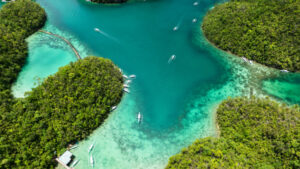













Kayangan Lake looked straight out of a postcard but trying to get there without getting sunburned was seriously underestimated by me.