


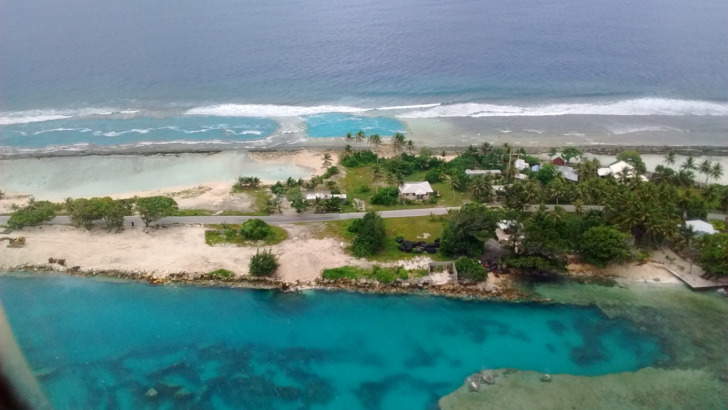
The Marshall Islands feel like the kind of place people daydream about when they want to disappear into the Pacific for a while.
This island nation sits roughly halfway between Hawaii and Australia and is made up of low-lying coral atolls scattered across a huge stretch of ocean.
It is remote, beautiful, and very different from the typical tropical vacation destination packed with resorts and crowds.
What you get instead is a quieter, more local experience with turquoise lagoons, wartime history, traditional island culture, and some of the most isolated scenery in the world.
That said, remoteness cuts both ways.
The Marshall Islands can feel peaceful and welcoming, but travelers also need to think more seriously about weather, medical care, transport, and water safety than they might in more developed destinations.
If you go in with realistic expectations and plan smartly, it can be a rewarding and surprisingly manageable trip.
Warnings & Dangers in Marshall Islands

OVERALL RISK: LOW
The Marshall Islands are generally a low-risk destination for travelers in terms of violent crime and major tourist-targeted trouble. Most official travel guidance places the country in the normal precautions category. The bigger concerns are practical ones, such as limited healthcare, rough weather, patchy infrastructure, and the challenges that come with being isolated atolls far from major emergency services.

TRANSPORT & TAXIS RISK: MEDIUM
Transport is not especially dangerous, but it is basic. In Majuro, taxis are common and usually inexpensive, yet visitors should confirm the fare before getting in. Roads are limited, street lighting can be poor, and driving conditions at night are not ideal. On outer islands, boat travel and local transport can be less predictable, especially when weather conditions change.

PICKPOCKETS RISK: LOW
Pickpocketing is not one of the main travel concerns in the Marshall Islands. This is not a place known for aggressive street theft or large-scale tourist crime. Still, petty theft and opportunistic stealing can happen, especially in busier parts of Majuro or where bags and phones are left unattended. Basic caution is usually enough to keep problems to a minimum.

NATURAL DISASTERS RISK: HIGH
Natural hazards are one of the biggest safety issues here. The Marshall Islands are extremely low-lying, which makes them vulnerable to storm surge, flooding, strong winds, rough seas, and climate-related coastal problems. Heavy rain and tropical weather can disrupt flights, boat travel, and daily services. This is the category where travelers really need to stay alert.

MUGGING RISK: LOW
Mugging is not commonly reported as a major threat to visitors. Violent crime levels are relatively low compared with many other destinations. Still, alcohol related incidents do occur, and isolated areas can feel less secure after dark. It is smart to avoid deserted beaches or poorly lit roads at night, especially if you are walking alone.

TERRORISM RISK: LOW
There is no strong pattern of terrorism risk associated with the Marshall Islands, and it is not generally viewed as a terrorism hotspot. For most travelers, this is one of the least pressing safety concerns. The more realistic issues are weather, health services, infrastructure, and logistics, rather than politically motivated violence.

SCAMS RISK: LOW
Scam risk is fairly low compared with more tourist-heavy destinations. You are unlikely to deal with elaborate tourist traps, fake tour desks, or aggressive street hustlers. The more likely problem is a simple overcharge, unclear taxi pricing, or confusion around transport and local arrangements. Keep things straightforward, ask questions, and confirm costs in advance.

WOMEN TRAVELERS RISK: MEDIUM
Women can usually travel in the Marshall Islands without major safety concerns, especially in daylight and in local areas with regular activity. Still, the country’s remoteness, limited nightlife infrastructure, and sparse emergency support mean solo women should take extra care with late-night movement, drinking situations, and isolated beaches. Modest dress and situational awareness help.

TAP WATER RISK: MEDIUM
Tap water is one area where travelers should be cautious. Water quality can vary, and bottled or properly treated water is often the safer choice for visitors. On some atolls, supply systems are under strain, and sanitation conditions are not always what tourists are used to. To avoid stomach trouble, many travelers stick to sealed bottled water and avoid questionable ice.
Safest Places to Visit in Marshall Islands
Majuro
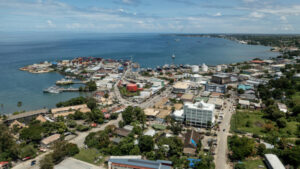
Majuro is where most travelers begin, and it is the easiest place in the country to navigate.
As the capital atoll, it has the main airport, government buildings, hotels, restaurants, shops, and the widest range of practical services.
It is not polished in a luxury island sense, but it is usually the most straightforward and manageable base for first-time visitors.
Daytime movement around the more active parts of Majuro tends to feel comfortable if you use normal travel awareness.
Laura
Laura, at the far end of Majuro Atoll, is one of the best spots for travelers who want a calmer beach setting.
The area is better known for its scenic coastline, swimming, and a more laid-back feel than central Majuro.
It is often seen as one of the nicer recreational areas for visitors.
The biggest safety note here is environmental, not criminal.
Watch currents, sun exposure, and transport timing.
Arno Atoll
Arno Atoll is a favorite for travelers looking for a more peaceful island experience close to Majuro.
It is known for beautiful lagoon scenery, traditional island atmosphere, and a slower pace.
It feels more like the postcard version of the Marshall Islands many travelers imagine.
Safety is generally tied to common sense and boat conditions, so the real question is not crime so much as planning your transport well.
Cultural and Historical Sites in Daylight Hours
Museums, local community areas, and historical sites around Majuro are usually among the safest choices because they involve daytime visits and predictable surroundings.
Travelers interested in learning more about Marshallese culture or the country’s World War II and nuclear history will usually find these visits low-stress and worthwhile, provided they stay aware of transport and weather conditions.
Places to Avoid in Marshall Islands
Isolated Areas at Night in Majuro
The biggest places to avoid are not famous crime neighborhoods in the way you might find in larger cities.
In the Marshall Islands, risk tends to increase in isolated or poorly lit areas after dark.
Quiet roads, remote shoreline stretches, and places with little foot traffic can feel uncomfortable at night, especially for solo travelers.
Even where crime is not rampant, a lack of lighting and limited immediate help make nighttime wandering a bad idea.
Beaches and Remote Shorelines After Dark
A beach that looks peaceful in the afternoon can become a poor choice once the sun goes down.
Some official safety guidance warns that isolated locations, including beaches, can carry a higher risk for theft or alcohol related incidents.
Add in poor visibility, uneven ground, and unpredictable water conditions, and there is very little upside to being out there late.
Overcrowded or Strained Residential Areas
Some parts of the country, particularly densely populated residential sections, can feel less comfortable for tourists because of overcrowding, sanitation strain, and limited services.
These are not necessarily places where visitors will be targeted, but they are also not ideal spots for aimless exploring.
Ebeye is often mentioned more for its social and infrastructure pressures than for tourist appeal, so it is not usually a casual sightseeing stop.
Rough Water Routes in Bad Weather
One “place” many travelers underestimate is the open water itself.
Boat routes that seem manageable in calm weather can become unsafe quickly when wind and sea conditions change.
If locals are hesitant about travel that day, take the hint.
In the Marshall Islands, nature can become the most dangerous neighborhood of all.
Safety Tips for Traveling to Marshall Islands
- Stick To Bottled Or Treated Water. Do not assume tap water is fine just because it looks clear. Drink sealed bottled water when possible and be cautious with ice, especially outside well-established hotels or restaurants.
- Plan Around Weather, Not Just Your Itinerary. Storms, strong winds, and rough seas can disrupt transport quickly. Check local conditions regularly and build flexibility into your plans, especially if you are traveling between atolls.
- Avoid Walking Alone At Night. Even though violent crime is not a leading concern, poorly lit roads and isolated areas make nighttime wandering a bad idea. Use a taxi or go with other people after dark.
- Confirm Taxi Prices Before You Ride. Taxis in Majuro are common, but pricing can vary by distance and arrangement. Set the fare in advance so there is no confusion at the end of the trip.
- Respect The Ocean. Lagoons can look calm, but currents, tides, reef edges, and changing weather can create real risk. Swim where conditions are understood and do not get adventurous if you are alone.
- Carry Basic Medical Supplies. The islands are remote, and medical care is limited compared with larger destinations. Bring your prescription medication, a simple first aid kit, and stomach remedies you trust.
- Do Not Flash Valuables. Crime levels are relatively low, but that is not an excuse to get careless. Keep your phone, passport, and wallet secure, especially in transit areas and shared accommodations.
- Dress With Local Sensitivity In Mind. The Marshall Islands are relaxed, but modest and respectful clothing will generally help you blend in better and avoid unwanted attention, especially away from beach settings.
- Arrange Inter-Island Transport Carefully. If you are heading beyond Majuro, confirm schedules, weather, and return options. In remote places, transport delays are not only an inconvenience. They can become a real safety issue.
- Buy Solid Travel Insurance. This is not the destination to visit the uninsured. Flight disruptions, medical evacuation, unexpected illness, and weather-related changes can become very expensive very quickly.
So... How Safe Is Marshall Islands Really?
The Marshall Islands are safer than many travelers might expect if they judge only by how remote the country is.
In terms of personal security, the overall picture is fairly calm.
Major travel advisories generally place the country in the lowest caution category, and crime is usually described as low, with petty theft and some alcohol related incidents being the main concerns rather than organized or widespread violence.
But that does not mean this is an easy destination.
The real risks are structural and environmental.
Medical facilities are limited.
Infrastructure is modest.
Roads and lighting can be poor.
Transport between islands depends heavily on the weather.
Water quality is not something visitors should take for granted.
The country is also highly exposed to flooding, storm impacts, and climate-related coastal problems because the islands sit only a small distance above sea level.
So my honest take is this: the Marshall Islands are not especially dangerous in the classic tourist crime sense, but they do demand more preparation than a typical beach destination.
Travelers who are organized, cautious with water and weather, and realistic about the remoteness will likely find it safe enough.
Travelers who arrive expecting polished resort convenience may feel caught off guard.
How Does Marshall Islands Compare?
| Country | Safety Index |
|---|---|
 Marshall Islands Marshall Islands | 88 |
 Eswatini Eswatini | 47 |
 Djibouti Djibouti | 38 |
 Oman Oman | 76 |
 Singapore Singapore | 90 |
 Paraguay Paraguay | 45 |
 United Arab Emirates United Arab Emirates | 79 |
 Croatia Croatia | 83 |
 France France | 70 |
Useful Information

Visas
Visa rules depend on your nationality. Many visitors, including U.S. citizens, do not need a tourist visa for short stays, but your passport should generally be valid for at least six months, and you may need proof of onward travel and sufficient funds. Travelers from other countries should check entry rules before flying because options differ.

Currency
The U.S. dollar is the official currency, which makes things simple for American travelers. Cash is very useful, especially outside the main hotel and business areas. Do not count on widespread card acceptance on smaller islands. It is best to arrive with usable cash and handle most day-to-day expenses directly rather than hoping to exchange money later.

Weather
The Marshall Islands stay warm, humid, and tropical year-round, so pack light clothing, sun protection, and breathable fabrics. Rain is common, especially in wetter months, and conditions can change quickly. A light rain jacket, reef-safe sunscreen, and sturdy sandals are better choices than heavy clothing or formal wear.

Airports
Most international travelers arrive through Amata Kabua International Airport in Majuro. From there, taxis and some hotel transfers can take you into the main populated parts of the atoll. Transport is usually simple rather than fancy, so confirm the price before you leave the airport and arrange pickup in advance if your accommodation offers it.

Travel Insurance
Travel insurance is strongly recommended for the Marshall Islands. This is not just routine advice. Because the country is remote, even a minor medical issue or major flight disruption can become expensive and complicated. Look for a policy that covers medical treatment, evacuation, trip interruption, and delays related to weather or transport problems.
Marshall Islands Weather Averages (Temperatures)
Average High/Low Temperature
| Temperature / Month | Jan | Feb | Mar | Apr | May | Jun | Jul | Aug | Sep | Oct | Nov | Dec |
|---|---|---|---|---|---|---|---|---|---|---|---|---|
| High °C |
29 | 30 | 29 | 30 | 30 | 30 | 30 | 30 | 30 | 30 | 30 | 30 |
| Low °C |
25 | 25 | 25 | 25 | 25 | 25 | 25 | 25 | 25 | 25 | 25 | 25 |
| High °F |
84 | 86 | 84 | 86 | 86 | 86 | 86 | 86 | 86 | 86 | 86 | 86 |
| Low °F |
77 | 77 | 77 | 77 | 77 | 77 | 77 | 77 | 77 | 77 | 77 | 77 |
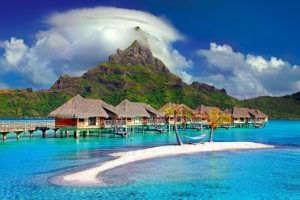
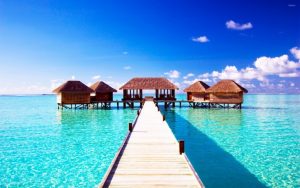
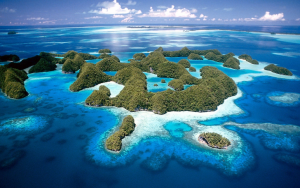
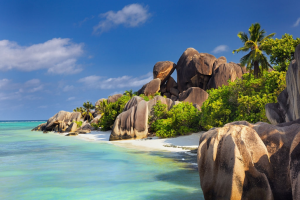
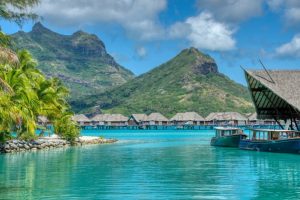












Standing on the coral atoll with salt on my skin, that turquoise lagoon made me feel like time slowed down, but when a sudden squall rolled in and I remembered how far the nearest clinic was, I realized planning really matters.
Sure, nothing says paradise like worrying if you’ll get medevac coverage while sipping that coconut drink.
Never thought I’d find myself swimming near a coral atoll that feels like another planet but still had to triple-check where the nearest clinic was just in case!