


 Cabo Verde : Safety by City
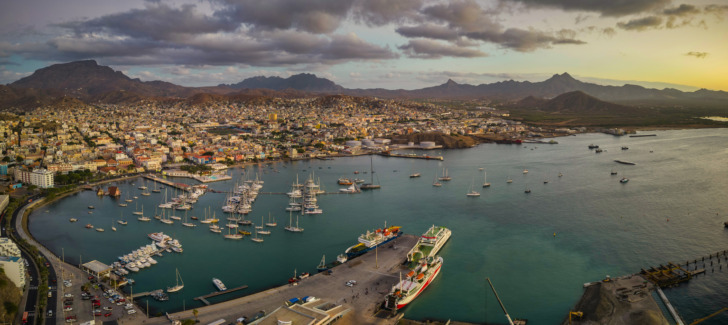
Cabo Verde is a small island nation floating in the Atlantic Ocean off the coast of West Africa, and it has a way of surprising people.
Many travelers picture endless beaches first, and yes, the sand and turquoise water absolutely deliver, but there is more to it than that.
This archipelago of ten volcanic islands mixes laid-back resort zones with lively local cities, mountain landscapes, fishing villages, and a culture shaped by Africa, Portugal, and the sea.
I find Cabo Verde especially appealing for travelers who want winter sun without the chaos of a huge tourism machine.
It is not a place that feels wildly dangerous, but it is also not somewhere to wander carelessly.
Safety in Cabo Verde is all about knowing which islands are calmer, which urban areas require more awareness, and how to avoid the small mistakes that turn an easy beach trip into a stressful one.
Warnings & Dangers in Cabo Verde

OVERALL RISK: LOW
Cabo Verde is generally one of the safer destinations in West Africa for tourists, especially in resort-heavy islands such as Sal and Boa Vista. Most visits are trouble-free. The main issues are petty theft, occasional muggings in certain urban areas, and some transport and beach-related hazards. Travelers who stay alert usually have a smooth trip.

TRANSPORT & TAXIS RISK: MEDIUM
Transport risk is not extreme, but it is not something to ignore. Roads can be uneven, driving habits may feel unpredictable, and not every taxi experience is equally professional. Airport transfers and hotel-arranged rides are usually the safest bet. At night, especially outside resort areas, it is better to avoid random street pickups and confirm the fare in advance.

PICKPOCKETS RISK: MEDIUM
Pickpocketing is one of the more realistic risks in Cabo Verde, especially in busier areas of Praia, Mindelo, markets, ports, and around transport hubs. On beach islands, theft can still happen if you leave bags unattended. I would not call it rampant, but it is common enough that phones, wallets, and passports should never be handled casually.

NATURAL DISASTERS RISK: MEDIUM
Cabo Verde is not known for nonstop disasters, but it does face real environmental risks. The islands are volcanic, drought is common, and the rainy season can bring sudden downpours, flooding, and landslides in some areas. Strong ocean currents are also a serious safety issue. Most travelers are far more likely to face sea hazards than a dramatic natural catastrophe.

MUGGING RISK: MEDIUM
Mugging risk exists more in certain parts of Praia and, to a lesser extent, in parts of Sal and Boa Vista after dark. It is not something every tourist will encounter, but it happens often enough to take seriously. Walking alone late at night, flashing jewelry, or carrying phones openly in quiet areas can raise your odds of becoming a target.

TERRORISM RISK: LOW
There is no major pattern of terrorist activity that makes Cabo Verde stand out as a terrorism hotspot for tourists. For most visitors, this is not the safety category that should dominate trip planning. Everyday risks like theft, unsafe swimming conditions, and poor nighttime judgment are much more relevant than terrorism when evaluating the country.

SCAMS RISK: LOW
Scams in Cabo Verde are usually small-scale rather than elaborate. The most common issues involve inflated taxi fares, overcharging, or overly helpful strangers steering visitors toward certain services. Resort areas are usually straightforward, but travelers should still confirm prices before getting into a cab, booking tours, or buying anything from informal vendors.

WOMEN TRAVELERS RISK: MEDIUM
Women can and do travel safely in Cabo Verde, especially in resort zones and during the day. Still, solo female travelers should use extra caution at night, avoid isolated beaches after dark, and be selective about taxis and nightlife situations. Harassment is not constant, but it can happen, especially in urban settings or where alcohol fueled nightlife is involved.

TAP WATER RISK: MEDIUM
I would not treat tap water in Cabo Verde as something to drink casually while traveling. Water quality and supply can vary by island and by local infrastructure. Many visitors stick to bottled or properly filtered water for drinking and brushing teeth if they have a sensitive stomach. Ice and washed produce are usually lower risk in reputable hotels and restaurants.
Safest Places to Visit in Cabo Verde
Sal
Sal is usually the easiest island for first-time visitors who want a simple, low-stress trip.
Santa Maria has the most polished tourist setup in the country, with beach hotels, restaurants, organized excursions, and a steady flow of travelers.
Because tourism is so established here, it feels easier to navigate than many other parts of Cabo Verde.
You still need to guard your valuables, but the overall atmosphere is relaxed and familiar.
Boa Vista
Boa Vista is another strong option for travelers who want comfort and quiet.
It is famous for dunes, broad beaches, and resort properties that keep logistics simple.
The island feels less busy than Sal, which many people love.
The biggest safety concern here is not street crime so much as isolation.
Empty beaches are beautiful, but they are not places to bring your whole wallet and wander far alone.
São Vicente and Mindelo
Mindelo on São Vicente is one of the most enjoyable urban bases in Cabo Verde.
It has music, culture, harbor views, and more personality than a standard resort island.
Parts of it feel lively without being overwhelming.
Travelers who want restaurants, walking, and a local atmosphere often prefer Mindelo over purely beach-oriented islands.
Basic city awareness is enough for most daytime exploring.
Santo Antão
For hikers and nature lovers, Santo Antão is one of the most rewarding islands in the country.
Its mountain scenery, valleys, and dramatic coastal roads make it feel totally different from the flat beach islands.
Safety here is more about terrain and transport than crime.
Go with proper shoes, check conditions before longer hikes, and do not underestimate the physical demands of some routes.
Places to Avoid in Cabo Verde
Parts of Praia After Dark
Praia is the capital and the place most often mentioned when crime comes up in Cabo Verde.
That does not mean the whole city is off limits, but it does mean tourists should be much more careful here than in resort-heavy areas.
Quiet streets, poorly lit neighborhoods, and areas far from the main tourist and business zones are best avoided at night.
Wandering without a plan is not smart here.
Isolated Beaches at Night
One of the easiest mistakes travelers make in Cabo Verde is assuming a beautiful beach equals a safe beach at all hours.
On islands like Sal and Boa Vista, isolated beachfront stretches can feel peaceful in daylight and become risky after sunset.
Theft and opportunistic crime are more likely when there are few people around.
Empty beaches are for sunrise walks, not late-night solo adventures.
Poorly Lit Back Streets in Tourist Towns
Even in places that feel generally safe, such as Santa Maria or Mindelo, there are side streets and quieter pockets where it is better not to flash a phone or walk distracted after dark.
Tourist towns are safer than the capital overall, but they are not crime-free.
Staying on active, well-lit streets makes a real difference.
Remote Rural Areas Without Planning
Remote areas are not necessarily dangerous because of crime, but they can be risky because help is limited.
On more rugged islands, a vehicle problem, bad weather, or difficult trail can become a bigger issue than expected.
Travelers should not head into isolated zones without enough water, charged phones, route awareness, and some basic backup planning.
Safety Tips for Traveling to Cabo Verde
- Do not treat every island the same. Cabo Verde is an archipelago, and safety varies by island and by town. Sal and Boa Vista are often easier for beach tourists, while Praia requires more street awareness. Research your specific island instead of assuming the whole country has one safety profile.
- Use extra caution after dark. Many incidents involving theft or mugging happen at night. Stick to busy, well-lit areas, especially in Praia and less touristy neighborhoods. If you have to move around late, use a trusted taxi rather than walking.
- Keep valuables hidden and carry less. Cabo Verde is not the place to carry your passport, spare cards, cash, jewelry, and an expensive phone all at once. Bring only what you need for the day. A small crossbody bag worn securely is smarter than stuffing things into pockets.
- Be careful with beaches, not just streets. Some of the biggest dangers in Cabo Verde are natural, especially strong currents and rough surf. Swim only where conditions look safe, pay attention to hotel or local advice, and avoid isolated swimming spots if you are unfamiliar with the water.
- Confirm taxi prices before the ride starts. Small transport hassles are common in many destinations, and Cabo Verde is no exception. Set the fare in advance if there is no meter. Hotel staff can often tell you the normal cost, so you do not get overcharged.
- Do not leave bags unattended anywhere. This includes beaches, rental cars, ferry waiting areas, and restaurant chairs. Theft in Cabo Verde is often opportunistic. If something looks easy to grab, someone may grab it. Keep your belongings physically connected to you.
- Drink safe water and protect your stomach. Bottled or filtered water is the safer choice for most travelers. This matters even more if you are island hopping or staying in smaller guesthouses. A stomach issue can ruin multiple days of a short trip fast.
- Pack for sun, wind, and changing terrain. Cabo Verde can be hot, dry, and windy, and some islands are much more rugged than visitors expect. Bring sunscreen, a hat, light layers, and proper shoes. Flip flops are fine for a resort, but not for every island excursion.
- Avoid showing off cash or luxury items. A flashy watch, a large camera kit, or an obvious stack of money makes you stand out more than you want. Cabo Verde is relaxed, and blending in works better than looking like you just stepped out of an airport jewelry ad.
- Buy travel insurance before you go. Even in a relatively safe country, things happen. Flights between islands can change, medical care may require transfers, and weather can disrupt plans. Good insurance adds a safety net that is worth the cost, especially for a multi-island trip.
So... How Safe Is Cabo Verde Really?
Cabo Verde is one of those places where the honest answer is reassuring, but not careless.
Yes, it is generally safe for tourists, particularly compared with many destinations in the broader region.
The country has a relatively stable reputation, strong tourism appeal, and several islands where visitors spend entire holidays with little more drama than a windy beach day.
That said, it is not a bubble.
Crime does exist, and the biggest pattern involves theft, bag snatching, and occasional violent incidents in certain urban areas, especially Praia.
In practical terms, most travelers are far more likely to deal with petty theft, transport confusion, or rough ocean conditions than anything extreme.
The risk rises when people make predictable mistakes, such as walking alone late at night, carrying valuables openly, trusting isolated areas too much, or ignoring local beach safety advice.
Resort zones on islands like Sal and Boa Vista are usually the easiest for cautious travelers, while city visits require a little more common sense.
My overall take is that Cabo Verde is safe enough for a well-planned vacation, but not the kind of place where you should switch your brain off completely.
Stay alert, choose your areas wisely, and respect both the street environment and the ocean, and your trip is likely to go very smoothly.
How Does Cabo Verde Compare?
| Country | Safety Index |
|---|---|
| Cabo Verde | 74 |
 Uruguay Uruguay | 77 |
 Singapore Singapore | 90 |
 Iceland Iceland | 95 |
 Grenada Grenada | 80 |
 Burkina Faso Burkina Faso | 41 |
 Uganda Uganda | 49 |
 Andorra Andorra | 89 |
 Malawi Malawi | 53 |
Useful Information

Visas
For many tourists, stays of up to 30 days do not require a traditional tourist visa, but travelers often still need to complete pre-registration before arrival and pay an airport security-related entry fee. Rules can vary by nationality, so check your exact requirements before flying. If you plan to stay longer, additional permission may be needed.

Currency
The local currency is the Cabo Verdean escudo, usually written as CVE. Cash is still very useful because not every place reliably accepts cards, especially outside bigger tourist areas. ATMs are available on the main islands, but they can be unreliable at times, so I would carry a sensible amount of local currency for day-to-day expenses.

Weather
Cabo Verde is warm and sunny most of the year, with a long dry season that makes it very appealing for beach travel. The rainier period is usually around late summer into early fall, when humidity and short heavy showers are more likely. Pack light clothing, sun protection, and one extra layer for windy evenings.

Airports
The main international gateways are on Sal, Praia, Boa Vista, and São Vicente. Most beach tourists arrive through Sal or Boa Vista, while Praia is important for the capital and Santiago. Taxis and hotel transfers are the easiest way to leave the airport. On larger islands, pre-arranged transport removes a lot of arrival stress.

Travel Insurance
Travel insurance is a very smart idea for Cabo Verde. It can help with medical treatment, travel delays, lost bags, and unexpected changes to island-hopping plans. Because the country is spread across multiple islands and transport can shift with weather or scheduling issues, I would not visit without a policy that covers both health and trip disruption.
Cabo Verde Weather Averages (Temperatures)
Average High/Low Temperature
| Temperature / Month | Jan | Feb | Mar | Apr | May | Jun | Jul | Aug | Sep | Oct | Nov | Dec |
|---|---|---|---|---|---|---|---|---|---|---|---|---|
| High °C |
24 | 24 | 25 | 25 | 26 | 27 | 28 | 29 | 30 | 29 | 28 | 26 |
| Low °C |
19 | 19 | 20 | 20 | 21 | 22 | 23 | 24 | 24 | 24 | 23 | 21 |
| High °F |
75 | 75 | 77 | 77 | 79 | 81 | 82 | 84 | 86 | 84 | 82 | 79 |
| Low °F |
66 | 66 | 68 | 68 | 70 | 72 | 73 | 75 | 75 | 75 | 73 | 70 |
Cabo Verde - Safety by City
| City | Safety Index |
|---|---|
| Mindelo | 72 |
| Praia | 62 |
| Santa Maria | 78 |

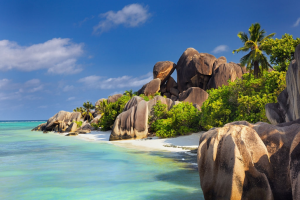

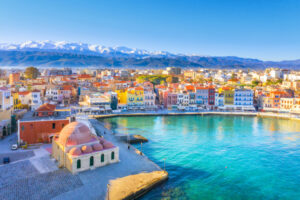
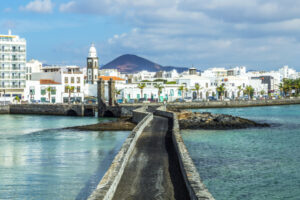












Wait, you actually found quiet turquoise beaches and calm islands, how did you pull that off when around here the ferries were packed and the bars were blasting music?
The turquoise water really is as unreal as they say and walking through the fishing villages left me relaxed and a little wistful, though I stayed careful in the busier towns.
Never thought volcanic mountains and chilled beach vibes could mix so well until I stumbled upon a quiet fishing village there; it felt like the kind of trip where you really have to keep your wits about you to enjoy it fully.
Spent a week there last winter and what struck me most was how quickly you can go from chill beach vibes to lively town scenes without feeling overwhelmed by crowds or noise.