


 Portugal : Safety by City
Portugal - safety as a country
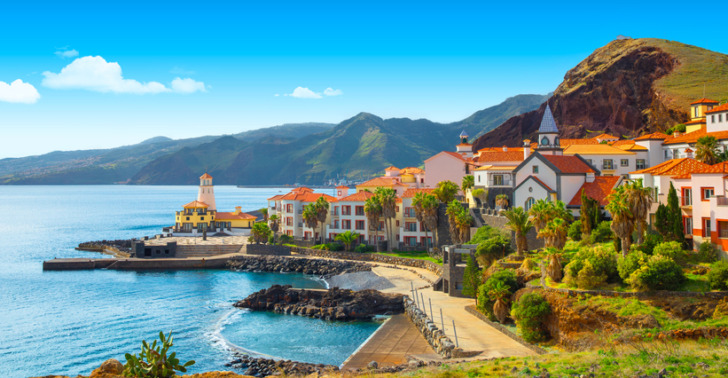
They call Madeira the “Island of Eternal Spring” because it looks like a lush emerald floating in the Atlantic Ocean.
Madeira is an archipelago, or a cluster of islands formed by volcanic activity.
It sits roughly 600 miles from Europe and, although technically part of Portugal, it has its own unique flair.
Travelers to Madeira enjoy jagged volcanic peaks, coastal cliffs, and lush laurel forests.
It is famous for its exotic charm, wine, and thrilling airport landings.
The question is, how safe is Madeira for travelers?
Warnings & Dangers in Madeira

OVERALL RISK: LOW
Maderia is a very safe place to travel. It consistently ranks among the world's top 10 most beautiful places to visit and is arguably the safest in Portugal. Violent crime is nonexistent there, and the residents are welcoming. The primary dangers that exist in Maderia are natural. The terrain can be treacherous, so the most significant risk for tourists is injury while hiking.

TRANSPORT & TAXIS RISK: LOW
The public transport system in Maderia is reliable and safe. The taxi drivers tend to be honest and charge reasonable fares, too. They may negotiate with you for a flat rate, especially for long distances. Tourists should clarify the fare price before getting into the taxi. Going from one place to another on the island can be dangerous, though. The roads are steep, narrow, and winding. Travel can be harrowing because of the terrain.

PICKPOCKETS RISK: LOW
Pickpockets are common in some areas of Portugal, such as Lisbon or Porto. They are rare in Madeira, though. Travelers should use some common sense when in crowded places, such as the Funchal Farmers’ Market or the Flower Festival. However, the risk of losing your wallet is generally low.

NATURAL DISASTERS RISK: MEDIUM
Madeira has dramatic geography, which can bring risks. The island experiences sudden flash floods that trigger landslides, especially during heavy winter rains. The area is also prone to forest fires in the dry summer months. Swimming in the ocean can be risky. There are powerful currents and rogue waves that can even sweep tourists off of coaster paths.

MUGGING RISK: LOW
Armed robberies of any kind are very rare in Madeira, Portugal. Travelers can feel free to walk around the capital city of Funchal even late at night, with little fear of being mugged. The town provides well-lit walkways. The threat is much lower there than in most North American or European cities.

TERRORISM RISK: LOW
Portugal has no recent history of domestic terrorism, and Madeira is in an isolated area, so it is not a target for international groups. The island is known for its peaceful culture, and there are no specific threats in the area. The most prevalent threat is nature, not man.

SCAMS RISK: LOW
The scams travelers see on Madeira are what you find in any tourist area. The stores, stands, and restaurants can overcharge. Fruit stands at the Funchal market are known for it. The vendors there offer expensive exotic fruits and inflated prices. Always check pricing before buying anything from the market.

WOMEN TRAVELERS RISK: LOW
Madeira is a practical travel location for women on their own. Harassment of any kind is uncommon. The island is also socially progressive with a diverse culture. Women can walk comfortably on their own and enjoy the nightlife. They can also safely hike the trails on their own. It is also a good idea to let people know you are going out, especially when hiking. The terrain is the biggest danger.

TAP WATER RISK: LOW
The tap water in Madeira is excellent. They source their water from local mountain springs, and it meets all EU drinking water standards. There is no reason to buy bottled water. You can refill a bottle and carry it with you as you see the sights.
Safest Places to Visit in Madeira
The capital, Funchal, is the heart of the island and very safe.
Popular tourist spots like the Lido Promenade and the Old Town have a strong police presence and are usually crowded.
For those looking for peace and quiet, the northern village of Porto Moniz is low-key with volcanic swimming pools and a secure atmosphere.
Machico is the island’s second-largest city.
It offers a family-friendly beach and a relaxed vibe.
Ponta do Sol is a great place to go if you want to disappear into nature.
It is the sunniest spot on the island and a common place for those working remotely to hang out.
One thing to keep in mind while in Madeira.
As of 2026, travelers must use an online mandatory reservation system for all 42 official trails.
You can not just show up to use one.
They must be booked in advance.
Places to Avoid in Madeira
Most of Madeira is safe to visit.
There are no traditional danger zones on the island.
The risk comes in the terrain.
Tourists should be wary of the coastal rocks at Seixal or the deadly high surf at Sao Jorge.
People can easily get swept away, even just standing near the water.
Travelers should avoid the abandoned tunnels and old ER4101 coastal roads.
They are risky because of falling rocks and structural collapse.
In Funchal, certain residential neighborhoods such as Santo Antonio and the upper hills are isolated at night.
They are not known to be dangerous, but it can be easy to get lost there.
Stay away from trails marked as closed by the Forestry Department.
They are likely too risky to use.
Safety Tips for Traveling to Madeira
- Pay attention to the Levada Rules: The Levada trail is not for beginner hikers, especially in less developed regions. If you do use the trails, stay in the marked areas and don’t cross the barriers.
- Watch the weather: Madeira is famous for its microclimate, which can catch you off guard. It can be sunny in Funchai but stormy in the peaks around the city. Check the Madeira weather apps before heading out to the mountain areas.
- Beware of rogue waves: Rogue waves are massive, spontaneous ocean surface waves that seemingly come from nowhere. They are the product of local tsunamis and can reach over 100 feet in height.
- Drive with caution: The roads are challenging in Madeira. There are 45-degree inclines and cliffhanger turns. If you are not used to the terrain, it is best not to drive. There is public transportation that will take you just about anywhere you want.
- Use official taxis: The official taxis in Madeira are yellow with blue stripes. Before getting into the car, see if you can negotiate a set price. If the driver doesn’t want to do that, make sure the meter is running.
- Pack a flashlight when going hiking: Even during the day, you need a flashlight or even a headlamp. There are many tunnels on the island, and most are unlit. Without light, you may trip and fall.
- Know the emergency number: In Madeira, you dial 112 in an emergency. The call is free, and most of the operators speak English to accommodate tourists.
- Wear protection: The UV index is high on the island. It can be deceptive because of the breeze off the ocean. Wear high-SPF sunscreen even if it’s cloudy outside.
- Check the prices at the market: Confirm the price, especially of fruit, before you buy it. Don’t pick up fruit and taste it without knowing the cost. Watch as you buy your fruit. The vendors will sometimes mix exotic, high-priced fruit in with the lesser types.
- Wear sturdy footwear: If you plan on exploring Madeira, wear good, comfortable shoes. The streets are cobblestone, and the hiking trails are rugged. Make sure your shoes have a good grip, too.
So... How Safe Is Madeira Really?
Madeira is one of the safest island destinations around and is low-stress for travelers.
Portugal is also one of the safest countries in the world, and the crime rates in Madeira are lower than on the mainland.
The threats to travelers are primarily environmental.
Hikers can easily get lost on the island.
Travelers often keep search and rescue busy.
Tourists often head out unprepared, too.
They don’t carry enough water or fail to wear sunscreen.
They don’t dress for the rapidly changing weather in the area or the physical demands of the terrain.
You are more likely to fail on a trail or twist an ankle than get mugged.
Travelers should respect the island and use some common sense when exploring.
Stay on marked paths and pay attention when near the ocean.
How Does Madeira Compare?
| City | Safety Index |
|---|---|
| Madeira |
91 |
| Evora |
84 |
| Braga |
87 |
| Faro |
84 |
| Porto |
80 |
| Aveiro |
85 |
| Coimbra |
87 |
 Hot Springs Hot Springs | 61 |
| Hammonton | 75 |
| Fishers | 92 |
 Port Douglas Port Douglas | 88 |
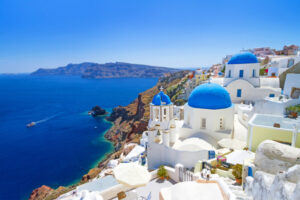
 Santorini Santorini | 78 |
 Bogotá Bogotá | 55 |
Useful Information

Visas
Madeira is part of Portugal, which is part of the Schengen Area. This means travelers from the United States, the United Kingdom, and Canada do not need visas if they are staying for less than 91 days, within 180 days. In other words, the 90 days you can stay in Madeira without a visa don’t have to be consecutive. If you leave the country and then come back, the count doesn’t restart. The days accumulate.

Currency
The Euro is the primary currency on the island of Madeira. However, this is a tourist area, so credit and debit cards are widely used, especially in Funchal. The smaller mountain cafés and local shops may only take cash, though. If you need to withdraw Euros, use a Multibanco ATM and avoid the exchange bureaus. The rates from the ATM will be significantly lower.

Weather
The climate is subtropical, and the weather is somewhat unpredictable. It is said that tourists can experience all four seasons in one day while on the island of Madeira. You might start your hike in Funchal with a balmy temperature of 69 degrees. Once you head up into the mountains, the temperature can plummet, and freezing rain can accompany it. The island offers Netmadeira webcams that let travelers see the weather live and prepare for what they are hiking into. The temperatures along the coastal regions will average 68 degrees Fahrenheit (20 degrees Celsius) during the winter months. In the summer, expect average temperatures around 79 degrees Fahrenheit (26 degrees Celsius). Travelers should wear lightweight, breathable clothing for comfort. Bring a waterproof windbreaker with a warm lining, such as fleece, when traveling in the highlands for unexpected showers.

Airports
The main airport in this area is Madeira Airport (FNC), also known as Cristiano Ronaldo International Airport. It is in the town of Santa Cruz, which is about 20 minutes from Funchal. Travelers can reach the city via Aerobus or taxi. There are also ride-sharing apps on the island, such as Uber or Bolt. All are safe, but the least expensive option is Aerobus, which costs about 5 Euros. A taxi will cost around 30 euros.

Travel Insurance
Travel insurance is a must whenever going overseas. Choose travel insurance that covers mountain search and rescue when headed to Madeira, along with medical repatriation. European travelers will use their European Health Insurance Card (EHIC) to see a doctor in Madeira. Anyone from non-Euro countries, like the U.S., will pay much higher rates for medical care or helicopter evacuations, especially on remote trails that are difficult to reach. The Civil Protection services can charge tourists the entire cost of the rescue if they were negligent, such as ignoring closed signs or weather alerts. Having travel insurance that includes mountain search and rescue coverage will protect you if something happens.
Madeira Weather Averages (Temperatures)
Average High/Low Temperature
| Temperature / Month | Jan | Feb | Mar | Apr | May | Jun | Jul | Aug | Sep | Oct | Nov | Dec |
|---|---|---|---|---|---|---|---|---|---|---|---|---|
| High °C |
18 | 18 | 19 | 19 | 21 | 22 | 24 | 26 | 26 | 23 | 21 | 19 |
| Low °C |
13 | 13 | 14 | 14 | 15 | 17 | 19 | 20 | 20 | 18 | 16 | 14 |
| High °F |
64 | 64 | 66 | 66 | 70 | 72 | 75 | 79 | 79 | 73 | 70 | 66 |
| Low °F |
55 | 55 | 57 | 57 | 59 | 63 | 66 | 68 | 68 | 64 | 61 | 57 |
Portugal - Safety by City
| City | Safety Index |
|---|---|
| Aveiro | 85 |
| Braga | 87 |
| Coimbra | 87 |
| Evora | 84 |
| Faro | 84 |
| Lisbon | 85 |
| Madeira | 91 |
| Porto | 80 |
| Sintra | 89 |












That airport landing had my stomach in knots last time, did you feel safe exploring those narrow cliffside roads at night?
Just flew into Madeira and honestly, the landing over those cliffs had my heart racing way more than I expected but the views made it totally worth it.