


 Portugal : Safety by City
Portugal - safety as a country
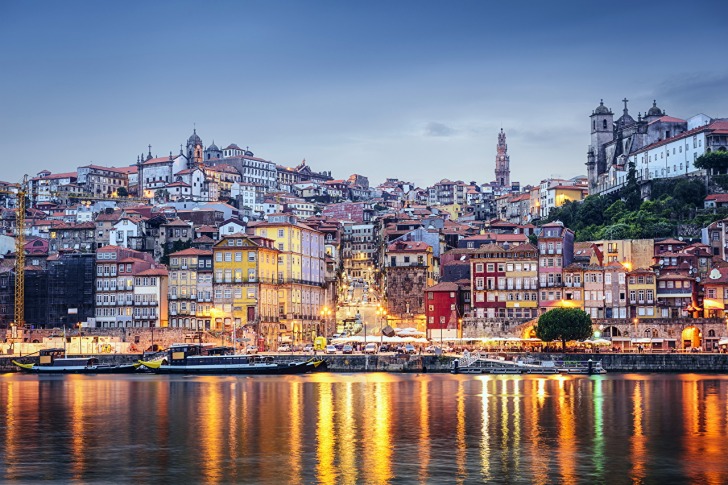
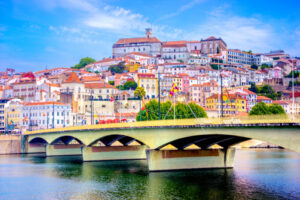
Perched along the Douro River in northern Portugal, Porto is a city that feels both romantic and refreshingly real.
It is Portugal’s second-largest city, famous for its tiled facades, medieval Ribeira district, and, of course, port wine that has been aging in nearby cellars for centuries.
Compared to Lisbon, Porto moves at a slightly slower pace, but it is just as captivating.
When I first arrived, what struck me most was how walkable and welcoming it felt.
Locals chatted on park benches, trams clattered over bridges, and tourists wandered freely even after sunset.
But no destination is perfect, and safety is always part of smart travel planning.
So let’s break it down in detail and see how safe Porto really is.
Warnings & Dangers in Porto

OVERALL RISK: LOW
Porto is widely considered a low-risk destination for travelers. Portugal consistently ranks among the safest countries in Europe according to global peace and crime indexes. Violent crime is rare, and most incidents affecting tourists involve minor theft rather than physical harm.

TRANSPORT & TAXIS RISK: LOW
Public transport in Porto is reliable and generally safe. The metro, buses, and historic trams are well-maintained. Licensed taxis are regulated and use meters. Rideshare apps like Uber and Bolt are common and affordable. Problems are rare, though, as in any city, remain aware late at night.

PICKPOCKETS RISK: MEDIUM
Pickpocketing is the most common issue tourists face, especially in crowded areas like Ribeira, São Bento station, and on Tram 1 along the river. It is not rampant, but opportunistic theft happens. Keep your belongings secure and avoid carrying valuables loosely in backpacks or open purses.

NATURAL DISASTERS RISK: LOW
Porto has a relatively mild risk profile for natural disasters. Portugal is in a seismic zone, but major earthquakes are rare. Flooding can occur near the Douro during heavy rains, though it is uncommon. Wildfires affect rural regions more than urban centers.

MUGGING RISK: LOW
Muggings are uncommon in Porto, particularly in tourist areas. Violent street crime rates are low compared to many European and American cities. Incidents tend to occur in poorly lit or less frequented neighborhoods late at night rather than in central districts.

TERRORISM RISK: LOW
Portugal has a very low terrorism risk and has not experienced major attacks in recent years. Security awareness exists, especially in public spaces and during major events, but the overall threat level remains minimal.

SCAMS RISK: LOW
Scams in Porto are not widespread. You may encounter minor tourist traps such as overpriced restaurants near major attractions or unofficial street vendors. Taxi overcharging is rare due to regulations. Common sense and basic awareness are usually enough.

WOMEN TRAVELERS RISK: LOW
Porto is generally very safe for women traveling alone. Street harassment is minimal compared to many other European cities. Walking alone at night in well-lit central areas is usually comfortable, though basic precautions always apply.

TAP WATER RISK: LOW
Tap water in Porto is safe to drink. Portugal has high-quality water treatment standards. Many locals drink tap water daily. Bringing a reusable bottle is practical and environmentally friendly.
Safest Places to Visit in Porto
One of the reasons Porto feels safe is how lively and integrated its main attractions are.
The historic Ribeira district, a UNESCO World Heritage Site, is heavily visited and patrolled.
Its narrow streets are full of restaurants, small shops, and riverfront cafes.
Even in the evening, there is a steady flow of locals and visitors.
The area around São Bento railway station is another safe and vibrant zone.
Known for its blue azulejo tile panels depicting Portuguese history, the station sits near major pedestrian streets like Rua de Santa Catarina, where you will find shops, cafes, and constant foot traffic.
Foz do Douro, where the river meets the Atlantic Ocean, is one of the most pleasant neighborhoods in the city.
It feels residential, upscale, and relaxed.
Walking along the seaside promenade during sunset is both beautiful and comfortable.
Vila Nova de Gaia, just across the Dom Luís I Bridge, is also considered safe.
This is where many port wine cellars are located.
The waterfront is lively and well-maintained, making it ideal for evening strolls.
In general, Porto’s tourist core is compact and busy enough to feel secure without being overwhelming.
Places to Avoid in Porto
Porto does not have large, clearly defined dangerous districts like some major cities, but there are areas where travelers should exercise more caution.
Parts of Campanhã, especially near the larger transport hub, can feel less polished.
While not inherently dangerous, the atmosphere is more industrial and less tourist-oriented.
At night, certain streets may be poorly lit and quieter.
Some outer residential neighborhoods, such as certain sections of Paranhos or Ramalde, may have higher petty crime rates compared to the historic center.
These areas are not typical tourist destinations anyway, so most visitors will not have reason to wander there.
As in many cities, parks or isolated streets late at night can feel uncomfortable.
Avoid empty alleyways in less-trafficked zones after dark, especially if you are unfamiliar with the surroundings.
The main takeaway is that Porto’s central districts are very safe, but like anywhere, stepping far outside tourist areas without purpose or local knowledge increases risk slightly.
Safety Tips for Traveling to Porto
- Stay extra alert in Ribeira and on the Dom Luís I Bridge. Ribeira is beautiful and one of the safest-feeling areas in Porto, but it is also the most crowded. Street performers, tour groups, and outdoor dining create distractions that pickpockets love. When walking along the riverfront or crossing the Dom Luís I Bridge, keep your bag zipped and in front of you. Avoid placing your phone on outdoor café tables near the edge where someone could grab it and disappear into the crowd.
- Be cautious on Tram 1 and at São Bento Station. The historic tram that runs along the Douro River is a classic experience, but it is also one of the top spots for petty theft. Stand with your back against a wall or pole and keep your belongings in sight. At São Bento Station, especially during peak hours, avoid leaving luggage unattended even for a quick photo of the famous tile panels.
- Choose your neighborhood wisely when booking accommodation. Central areas such as Baixa, Cedofeita, and Ribeira are well-lit, walkable, and filled with restaurants and shops. Staying here reduces the need for late-night transport. If you find a very cheap rental far outside the center in less familiar districts, factor in safety and transportation convenience, not just price.
- Watch your step on Porto’s steep and slippery streets. Porto’s charm comes with hills and polished cobblestones. When it rains, which happens frequently in winter, sidewalks become slick. Wear shoes with a good grip. Falls are one of the most common travel injuries here, especially around Clérigos Tower and the steep lanes near the river.
- Use official taxis or rideshare apps at night. While public transport is generally safe, metro lines run on limited schedules late at night. If you are out in Galerias de Paris, Porto’s nightlife hub, consider using a licensed taxi or a rideshare app to return to your hotel. Prices are reasonable, and drivers are regulated.
- Keep beach safety in mind at Foz do Douro. If you head to Foz do Douro or Matosinhos for the beach, pay attention to flag warnings. Atlantic currents can be strong. Swim only in designated areas with lifeguards during the summer season. Even confident swimmers should respect local guidance.
- Avoid poorly lit streets near major transport hubs late at night. Campanhã station connects long-distance trains and buses. During the day, it is functional and fine, but late at night, the surrounding streets can feel isolated. If you arrive on a late train, pre-arrange transport rather than walking through unfamiliar areas.
- Be mindful of restaurant overcharging in high-traffic zones. While outright scams are rare, some restaurants near the waterfront may bring bread, olives, or appetizers you did not order and charge for them. In Portugal, these are not free. Politely decline anything you do not want. Always check the menu prices before sitting down in heavily tourist-focused spots.
- Carry identification, but protect your passport. Portuguese law requires you to carry identification. A photocopy of your passport is usually sufficient for day-to-day sightseeing. Keep your actual passport secured in your hotel safe unless you truly need it. This reduces stress if you encounter petty theft.
- Respect local laws regarding alcohol and behavior. Porto is relaxed, but excessive public drunkenness, especially around nightlife areas like Rua da Galeria de Paris, can draw police attention. Fines are possible for disorderly behavior. Enjoy the port wine and vinho verde responsibly so your trip remains memorable for the right reasons.
So... How Safe Is Porto Really?
Porto ranks as one of Europe’s safer urban destinations.
Portugal frequently appears in the top tier of global safety and peace rankings.
Crime statistics show that violent crime remains low, and most reported incidents involve non-violent property crime.
Compared to many cities in Western Europe and certainly compared to large American metropolitan areas, Porto’s crime rates are modest.
Police presence in tourist zones is visible but not intrusive.
Emergency services are reliable, and healthcare standards are high.
Economic stability, strong tourism infrastructure, and community-oriented policing contribute to the city’s secure atmosphere.
While petty theft exists, serious threats to travelers are rare.
In practical terms, Porto is a destination where common sense precautions are usually enough.
It is not a place where you need to feel constantly alert or anxious.
With reasonable awareness, most visitors experience nothing but hospitality, history, and great food.
How Does Porto Compare?
| City | Safety Index |
|---|---|
| Porto |
80 |
| Coimbra |
87 |
| Madeira |
91 |
| Sintra |
89 |
| Braga |
87 |
| Faro |
84 |
| Evora |
84 |
 Davao City Davao City | 75 |
 Lille Lille | 56 |
 Sorobon Sorobon | 94 |
 Keokuk Keokuk | 52 |
 Santa Marta Santa Marta | 33 |
| Mountain Lakes | 74 |
Useful Information

Visas
Portugal is part of the Schengen Area. Visitors from the United States, Canada, the United Kingdom, and many other countries can stay up to 90 days within a 180-day period without a visa. Stays beyond that require a national visa. Always confirm current entry requirements before departure.

Currency
The currency in Porto is the Euro. Credit and debit cards are widely accepted, even in smaller cafes. ATMs are easy to find. Avoid exchanging money at airports for large sums due to less favorable rates.

Weather
Porto has a temperate maritime climate. Summers are warm with average highs around 75 to 85°F. Winters are mild but rainy. Pack comfortable walking shoes and a light rain jacket, especially between November and March.

Airports
Francisco Sá Carneiro Airport serves Porto and is about 11 kilometers from the city center. The metro connects the airport directly to downtown in about 30 minutes. Taxis and rideshare services are also available.

Travel Insurance
Even in a safe destination like Porto, travel insurance is important. It can cover medical emergencies, trip cancellations, and lost belongings. Healthcare is good, but costs can add up without proper coverage. Always travel protected.
Porto Weather Averages (Temperatures)
Average High/Low Temperature
| Temperature / Month | Jan | Feb | Mar | Apr | May | Jun | Jul | Aug | Sep | Oct | Nov | Dec |
|---|---|---|---|---|---|---|---|---|---|---|---|---|
| High °C |
14 | 15 | 17 | 18 | 20 | 23 | 24 | 25 | 23 | 20 | 17 | 14 |
| Low °C |
5 | 6 | 7 | 8 | 10 | 13 | 15 | 15 | 14 | 12 | 9 | 7 |
| High °F |
57 | 59 | 63 | 64 | 68 | 73 | 75 | 77 | 73 | 68 | 63 | 57 |
| Low °F |
41 | 43 | 45 | 46 | 50 | 55 | 59 | 59 | 57 | 54 | 48 | 45 |
Portugal - Safety by City
| City | Safety Index |
|---|---|
| Aveiro | 85 |
| Braga | 87 |
| Coimbra | 87 |
| Evora | 84 |
| Faro | 84 |
| Lisbon | 85 |
| Madeira | 91 |
| Porto | 80 |
| Sintra | 89 |














The good with the bad?
Porto is a beautiful city but you have to really know what you are in for. Yes, there is crime and gang issues but what city in Portugal doesn’t have these issues? I am comfortable enough and know the area enough to feel safe when staying here. I have gone several times.
Love Lisbon
You cannot fail to fall for this most lovely of European capitals. Great weather, wonderful hosts, beautiful food and first class sights. You will feel very safe . The city is yours to enjoy.
Not dangerous
While Porto, especially the inner city, is full of graffiti and old dilapidated buildings that are falling apart, I did not feel unsafe for the most part. The most “threatening” thing I saw my whole time there was a group of youths at the top of Jardim do Morro that looked like they did not have anything better to do with their time than stare down passing strangers, as if they were playing King of the Hill. I think you are more likely to encounter one of the various street artist playing beautiful music than you are to get robbed. Not the prettiest of cities unless you are into crumbling, old urban architecture, but I think it’s relatively safe.
As a Portuguese guy that has been living for the last 20 years in Porto, I must say that compared to other major european cities, such as Paris, London, Rome or even Lisbon, it is a pretty much safe city, even at night. As for the most of big european cities, I advise tourists to be carefull while traveling in public transports or crowded strets because there a lot of pickpocktes, but besides that, there are no major dangers, violent crime here is extremelly rare. At night, even if you are a solo female, it is safe to hang around or go to some clubs and bars at Baixa, as police is generally present at night to prevent crimes and maintain order. Although Porto is a very safe city, especially for tourists, I would recommend you to avoid two places: Bairro do Aleixo and Bairro da Pasteleira, as they are two problematic neighborhoods due to drug traficking and addicts. If by any chance you want to go somewhere in town, like Foz, and you need pass by one of these neighborhoods, take a bus, like the 200 or 204, because even though its pretty rare to see people being robed over there, better not take the risk and travel safelly. Being this said, i think that 57 is too much low for Porto, especially compared to Lisbon, that is a much less secure place and has a crime rating much higher. I hope you enjoy our amazing town and create good memories over here 🙂
I wonder if the charm of Porto really holds up during the off-season when it feels quieter; I’ve heard mixed things about that vibe. The mix of culture and scenery is tempting, but I can see how the cost along the coast might be a dealbreaker for some.
Walking along the Ribeira while the evening light hit the tiled facades and a tram clattered past, I felt unexpectedly safe and had this strange warm tug in my chest.
Trams clattering over the bridges at dusk made me slow down and actually notice those tiled facades, and I was surprised how safe the riverside felt even late at night.
Sitting on a park bench by the Douro as the trams clattered over the bridges, I felt mostly at ease soaking up the tiled facades and evening buzz, though there was a tiny flutter of caution when tourists drifted into quieter corners.
Had no idea Porto would feel so safe wandering the Ribeira at night, the tiled facades and trams clattering over the bridge oddly comforting.
Did you ever feel a bit uneasy walking back along the Ribeira after the trams stop around 1am, because I wandered through the empty cobbled streets at midnight and it gave me the creeps?
I spent a few evenings wandering near the Ribeira and never felt uneasy, even with the mix of locals and tourists milling about.