


 Portugal : Safety by City
Portugal - safety as a country
Lisbon, Portugal’s sun-kissed capital, sits where the Tagus River meets the Atlantic, a city of seven hills with views that steal your breath and streets that make you feel like you stepped back in time.
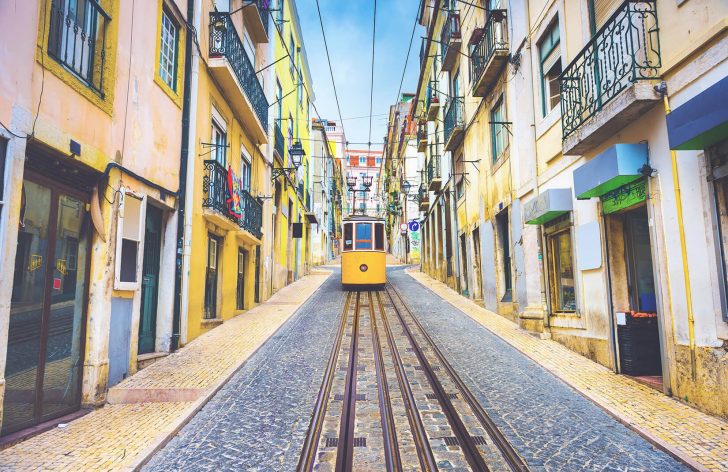
Its trams clatter through historic neighborhoods, pastel-colored tiles catch the light, and the air smells like fresh pastéis de nata at every corner.
From lively nightlife in Bairro Alto to quiet riverside strolls in Belém, Lisbon mixes charm, adventure, and a surprisingly safe vibe for travelers.
If you want to explore without worry, this guide will show you what areas to hit, what to avoid, and how to keep your trip smooth and stress-free.
Warnings & Dangers in Lisbon

OVERALL RISK: LOW
Lisbon is considered one of the safest capital cities in Europe. Violent crime is rare, and most issues travelers encounter involve petty theft rather than personal harm. Police presence is visible in tourist areas, and locals are generally helpful toward visitors. With basic precautions, most travelers experience trouble-free visits.

TRANSPORT & TAXIS RISK: LOW
Public transportation in Lisbon is reliable, affordable, and widely used by locals and tourists alike. Trams, buses, metro lines, and trains are generally safe, even at night. Licensed taxis and ride-hailing apps like Uber are trustworthy, though occasional overcharging can occur if meters are not used.

PICKPOCKETS RISK: MEDIUM
Pickpocketing is the most common crime affecting tourists in Lisbon. Crowded trams, especially Tram 28, busy metro stations, and popular viewpoints are prime spots. Thieves usually work in groups and target distracted travelers. Keeping valuables secure and avoiding open bags significantly reduces risk.

NATURAL DISASTERS RISK: LOW
Lisbon faces minimal natural disaster risk. Earthquakes are possible due to regional fault lines, but significant events are extremely rare. Flooding can occur during heavy winter rains, though it is usually localized and manageable. Extreme weather is uncommon compared to many global destinations.

MUGGING RISK: LOW
Muggings are rare in Lisbon, particularly in tourist-heavy areas. Most incidents reported involve late-night situations in poorly lit streets after alcohol consumption. Staying aware, avoiding isolated areas at night, and using transportation instead of walking long distances keeps risk very low.

TERRORISM RISK: LOW
Portugal has a very low terrorism threat level. Lisbon has not experienced major terrorist incidents, and the country maintains strong internal security measures. While public places are always potential targets in theory, the actual risk to travelers remains minimal.

SCAMS RISK: MEDIUM
Tourist scams do exist, though they are generally low-level and non-violent. Common scams include fake petitions, street gambling games, and individuals offering drugs in nightlife areas. Politely ignoring unsolicited offers and dealing only with licensed services helps avoid problems.

WOMEN TRAVELERS RISK: LOW
Lisbon is widely regarded as safe for women travelers, including those traveling alone. Harassment levels are relatively low compared to many European cities. Normal precautions apply, especially at night, but many women report feeling comfortable walking and using public transport.

TAP WATER RISK: LOW
Tap water in Lisbon is safe to drink and meets European Union quality standards. While some visitors dislike the taste due to mineral content, there are no health concerns. Bottled water is widely available for those who prefer it.
Safest Places to Visit in Lisbon
Lisbon offers plenty of neighborhoods and attractions where safety and enjoyment go hand in hand.
Baixa, the city’s downtown district, is the heart of Lisbon tourism.
Its wide streets, pedestrian zones, and constant police presence make it extremely safe for walking, shopping, and sightseeing at any time of day.
Visitors can explore plazas like Rossio and Praça do Comércio without worry.
Chiado, adjacent to Baixa, is another safe hub known for its theaters, bookstores, cafes, and boutique shops.
The area is busy and well-lit, making it ideal for evening strolls and casual dining.
Its charming streets blend historic architecture with modern safety infrastructure, keeping petty crime minimal.
For cultural and scenic experiences, Belém is both safe and family-friendly.
Home to iconic landmarks such as the Belém Tower, Jerónimos Monastery, and the Discoveries Monument, the district benefits from organized tourist flows and visible security, plus wide, open riverside spaces that feel secure even when lightly populated.
Parque das Nações, Lisbon’s modern riverside district, is highly recommended for families, solo travelers, and digital nomads.
The area features pedestrian promenades, contemporary architecture, museums, shopping centers, and an aquarium.
Low crime rates, well-maintained infrastructure, and large public spaces make it an ideal spot for both daytime and evening activities.
Even Alfama, Lisbon’s historic hilltop district, is generally safe during the day.
Its narrow, winding streets are heavily trafficked by tourists and locals, but caution is advised at night in isolated alleys.
Overall, these districts combine security, accessibility, and cultural richness, making them the best bases for exploring Lisbon.
Places to Avoid in Lisbon
Lisbon does not have large no-go zones, but certain areas require extra awareness, particularly for tourists unfamiliar with the city.
Martim Moniz and parts of Intendente are among the most frequently mentioned problem areas.
While they have improved significantly and are busy during the day, they still experience higher levels of drug dealing, pickpocketing, and harassment, especially late at night.
These locations are transit hubs, which naturally attract opportunistic crime.
Some outer neighborhoods and suburbs, including parts of Chelas, Amadora, and Loures, have higher crime rates than central Lisbon and offer little of interest to tourists.
Visitors generally have no reason to go to these areas, and public transport there can feel less comfortable after dark.
Bairro Alto itself is not dangerous, but late-night hours bring heavy drinking, overcrowded streets, and increased theft risk.
Phones and wallets are frequently stolen in this area between midnight and 3 a.m.
Travelers should also be cautious around Cais do Sodré after bars close, when intoxicated crowds and opportunistic crime peak.
Poorly lit streets, deserted stairways, and isolated viewpoints after dark should be avoided citywide.
Staying in well-lit, busy areas and using taxis or ride-hailing services at night significantly reduces risk.
Safety Tips for Traveling to Lisbon
- Secure Your Belongings on Historic Trams. Lisbon’s iconic trams, especially Tram 28, are extremely crowded and are the number one hotspot for pickpocketing. Wear backpacks on your front, keep phones out of sight, and avoid standing near open doors where thieves can grab items and exit quickly.
- Use Ride Apps Late at Night Instead of Walking. While Lisbon is generally safe, some areas become very quiet after dark. If you are out late, especially in Bairro Alto or Cais do Sodré, use Uber, Bolt, or licensed taxis instead of walking long distances through empty streets.
- Avoid Carrying Valuables to Viewpoints. Popular miradouros like Miradouro da Senhora do Monte and Miradouro de Santa Catarina attract both tourists and pickpockets. Bring only essentials, keep bags zipped, and avoid placing phones or wallets on ledges while taking photos.
- Watch for Distraction Scams in Tourist Zones. In areas like Baixa, Rossio, and near major attractions, be cautious of people asking you to sign petitions, offering “free” bracelets, or attempting street games. These distractions are often used to steal wallets or phones.
- Always Check Taxi Meters or App Pricing. Licensed taxis are safe, but some drivers may avoid turning on the meter, especially late at night. Confirm the meter is running or agree on a price beforehand. Ride-hailing apps provide clearer pricing and are often the safest option.
- Limit Alcohol Intake in Nightlife Areas. Bairro Alto and Cais do Sodré are fun but can get crowded and chaotic after midnight. Staying aware of your surroundings and keeping drinks with you at all times reduces the risk of theft or unwanted attention.
- Keep Important Documents Separate. Do not carry your passport daily unless necessary. Store it in your accommodation safe and carry a photocopy or digital copy on your phone. Keep credit cards and cash in separate places in case of theft.
- Be Cautious in Busy Metro Stations. Stations like Baixa-Chiado, Rossio, and Marquês de Pombal are busy during rush hours. Stay alert when boarding and exiting trains, as pickpockets take advantage of crowds and sudden movement.
- Dress Like a Local to Blend In. Avoid flashy clothing, luxury watches, or expensive handbags that signal you are a tourist. Simple, practical clothing helps you blend in and lowers your chances of being targeted.
- Know Emergency Numbers and Local Help Points. The emergency number in Portugal is 112. Tourist police stations are located in central Lisbon and can assist with theft reports, lost documents, and general safety concerns. Save emergency contacts before you arrive.
So... How Safe Is Lisbon Really?
Lisbon is widely regarded as one of Europe’s safest capital cities, consistently ranking high in global safety indexes.
According to the 2025 Global Peace Index, Portugal is among the top ten safest countries in the world, and Lisbon benefits directly from the nation’s low crime rates and strong social stability.
Violent crime is rare, and most incidents involving tourists are non-violent and preventable, usually linked to petty theft, scams, or minor disputes.
Pickpocketing is the most common concern, particularly in crowded trams, metro stations, and tourist hotspots such as Bairro Alto, Rossio, and Alfama.
Data from local police reports indicate that theft incidents have been stable or slightly decreasing in recent years, thanks to increased police presence and surveillance in high-traffic areas.
Scam attempts, such as fake petitions or street gambling, are also limited to specific zones and usually involve distraction techniques rather than physical threats.
For solo travelers and women, Lisbon offers an especially secure environment compared to other European capitals.
Public transportation, taxis, and ride-hailing apps are reliable and safe, with very few reports of harassment or assault.
Natural disaster risks are minimal, with only rare, mild earthquakes or localized flooding.
Terrorism is extremely unlikely, as Portugal maintains a low threat level with robust security measures.
Overall, Lisbon combines urban vibrancy with a strong safety profile.
Travelers who stay aware, keep valuables secure, and follow basic precautions can confidently explore the city’s historic districts, scenic viewpoints, and bustling neighborhoods.
Whether strolling along the riverside in Belém, riding Tram 28 through Alfama, or enjoying nightlife in Chiado, visitors are likely to experience a safe, welcoming, and enjoyable trip.
How Does Lisbon Compare?
| City | Safety Index |
|---|---|
| Lisbon |
85 |
| Faro |
84 |
| Madeira |
91 |
| Aveiro |
85 |
| Porto |
80 |
| Braga |
87 |
| Sintra |
89 |
 Incheon Incheon | 69 |
 Twin Falls Twin Falls | 87 |
 Perugia Perugia | 60 |
| Boulder City | 74 |
| Martinsville | 51 |
 Brest Brest | 48 |
Useful Information

Visas
Portugal is part of the Schengen Area. Travelers from the United States, Canada, the United Kingdom, and Australia can enter visa-free for up to 90 days within a 180-day period. Passports must be valid for at least three months beyond departure.

Currency
The official currency is the euro. Credit and debit cards are widely accepted, especially in Lisbon. ATMs are easy to find, and exchanging money at banks or official exchange offices offers better rates than airport kiosks.

Weather
Lisbon has a Mediterranean climate with hot, dry summers and mild winters. Summer temperatures often range from 25 to 30 degrees Celsius. Light clothing, sunscreen, and comfortable walking shoes are essential, while a light jacket works well in cooler months.

Airports
Lisbon Humberto Delgado Airport is the main international airport, located about 7 kilometers from the city center. Travelers can reach downtown via metro, bus, taxi, or ride-hailing services in under 30 minutes.

Travel Insurance
Travel insurance is strongly recommended for Lisbon. Coverage should include medical care, trip cancellations, and theft protection. Healthcare is excellent, but costs can add up without insurance, especially for non-EU travelers.
Lisbon Weather Averages (Temperatures)
Average High/Low Temperature
| Temperature / Month | Jan | Feb | Mar | Apr | May | Jun | Jul | Aug | Sep | Oct | Nov | Dec |
|---|---|---|---|---|---|---|---|---|---|---|---|---|
| High °C |
14 | 15 | 17 | 19 | 21 | 25 | 27 | 28 | 26 | 22 | 17 | 14 |
| Low °C |
8 | 9 | 10 | 11 | 13 | 16 | 17 | 17 | 17 | 14 | 11 | 9 |
| High °F |
57 | 59 | 63 | 66 | 70 | 77 | 81 | 82 | 79 | 72 | 63 | 57 |
| Low °F |
46 | 48 | 50 | 52 | 55 | 61 | 63 | 63 | 63 | 57 | 52 | 48 |
Portugal - Safety by City
| City | Safety Index |
|---|---|
| Aveiro | 85 |
| Braga | 87 |
| Coimbra | 87 |
| Evora | 84 |
| Faro | 84 |
| Lisbon | 85 |
| Madeira | 91 |
| Porto | 80 |
| Sintra | 89 |














We will go again!
I was in Lisbon last year over the summer. Minus the pains of traveling during a pandemic, I had a wonderful time. It was a spur-of-the-moment trip my husband and I decided on. We both loved it so much we plan on going back this year, if not in 2023.
Very Nice
Very Nice City. Calm, Friendly PPL, Watch out of Restaurants in Rossio (They are scammers).
Watch out from drug sellers in the main squares, they will try to sell you weed and hasish. The airport can be bit messy.
There are many high hills and low hills that are hard to walk by foot and not suitable for anyone. The transport is excellent.
Wonderful city
I traveled as a solo woman to Lisbon in October 2025 and had a very nice time. I felt very safe. My advice is bring your walking shoes and be prepared for hills.
Standing on a hill watching the Tagus glow as a tram rattled past and the smell of pastéis de nata hit me at 9am left me oddly teary, like the city was quietly saying something I needed to hear.
There’s something about those old trams rattling up the hills that just sticks with you, and yeah the smell of those pastéis de nata somehow turns every street corner into a mini holiday.