


 Brazil : Safety by City
- Belem
- Belo Horizonte
- Brasilia
- Campinas
- Campo Grande
- Curitiba
- Florianopolis
- Fortaleza
- Foz do Iguacu
- Gramado
- Jericoacoara
- Manaus
- Natal
- Ouro Preto
- Porto Alegre
- Recife
- Rio de Janeiro
- Sao Paulo
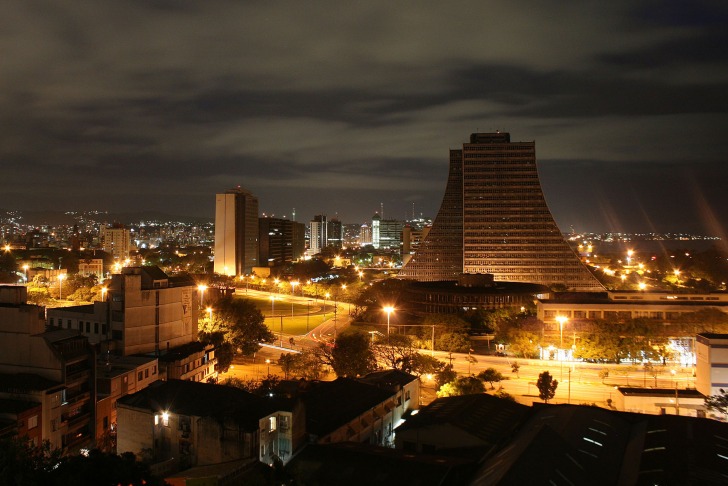
Set in southern Brazil along the eastern bank of Guaíba Lake, Porto Alegre is the capital of the state of Rio Grande do Sul and one of the country’s most culturally distinct cities.
With strong European influences, especially German and Italian, it feels different from Rio or Salvador.
The city is known for its churrasco barbecue tradition, passionate football culture, and leafy parks like Redenção.
It is also a gateway to the wine regions of Serra Gaúcha and the dramatic canyons near the Argentine border.
But like many major Brazilian cities, Porto Alegre comes with safety considerations.
During my visit and research, I found it to be a city where awareness and planning make a huge difference.
Let’s break it down honestly and practically.
Warnings & Dangers in Porto Alegre

OVERALL RISK: MEDIUM
Porto Alegre has higher crime rates than many North American or European cities, particularly for robbery and theft. Violent crime exists, but tourists are rarely targeted randomly. Most incidents occur in specific neighborhoods and late at night. With smart planning and street awareness, most visitors experience no major issues.

TRANSPORT & TAXIS RISK: MEDIUM
Public transportation is affordable but can feel unsafe at night, especially at isolated bus stops. Registered taxis and rideshare services like Uber are widely used and generally safe. I recommend avoiding empty buses late at night and sticking to reputable transport options after dark.

PICKPOCKETS RISK: MEDIUM
Petty theft is common in busy commercial areas, public markets, and around bus terminals. Pickpocketing happens most frequently in crowded environments. Wearing a crossbody bag, keeping phones out of back pockets, and avoiding distracted phone use on sidewalks significantly lowers the risk.

NATURAL DISASTERS RISK: MEDIUM
Porto Alegre is not prone to earthquakes or hurricanes, but flooding has been a serious issue. In 2024, historic floods hit parts of the city and the surrounding region. Heavy rainfall during certain seasons can disrupt transportation. Travelers should monitor weather updates during the rainy months.

MUGGING RISK: HIGH
Armed robberies do occur, particularly in less affluent neighborhoods and poorly lit areas at night. Most muggings are opportunistic rather than targeted. Avoid walking alone late at night, especially outside central and tourist-friendly areas.

TERRORISM RISK: LOW
There is no significant history of terrorism targeting Porto Alegre. Brazil overall has a very low terrorism risk profile. Standard global travel awareness applies, but this is not considered a major concern in the city.

SCAMS RISK: MEDIUM
Common scams include distraction techniques, overcharging by informal taxi drivers, and occasional card skimming. Using ATMs inside banks or shopping centers and verifying rides through apps reduces exposure. I did not encounter aggressive scams, but small opportunistic ones do exist.

WOMEN TRAVELERS RISK: MEDIUM
Women can travel safely in Porto Alegre, but caution is necessary, especially at night. Harassment can occur in nightlife areas. Avoid walking alone after dark in unfamiliar neighborhoods and use rideshare services for late returns. Many women visit without issues when taking standard urban precautions.

TAP WATER RISK: LOW
Tap water in Porto Alegre is treated and considered safe by local standards. However, some visitors report mild stomach sensitivity. If you have a sensitive stomach, bottled water is inexpensive and widely available.
Safest Places to Visit in Porto Alegre
In my experience, the safer and more enjoyable areas of Porto Alegre tend to be well populated, central, and frequented by locals.
Moinhos de Vento is one of the most upscale neighborhoods.
It has tree-lined streets, boutique shops, and the lovely Parcão park.
I felt comfortable walking here during the day and early evening.
The area has visible security and a strong local presence.
Bela Vista is another affluent neighborhood known for residential calm and good restaurants.
It is not packed with tourist attractions, but it offers a safer base for accommodation.
Cidade Baixa is popular for nightlife and attracts students and young professionals.
During the evening, it is lively and generally safe when crowded, though extra caution is needed late at night.
The historic center offers cultural attractions like markets and museums.
While interesting, it is best explored during the day.
I recommend combining sightseeing with awareness, especially near bus stations.
The waterfront along Guaíba Lake, especially near revitalized areas, offers scenic sunset views and walking paths.
Visit during daylight hours for the best and safest experience.
Places to Avoid in Porto Alegre
Like most large Brazilian cities, Porto Alegre has neighborhoods with significantly higher crime rates.
These are generally outside the main tourist zones.
Parts of the Restinga district are known for gang activity and higher levels of violent crime.
It is far from tourist areas, and there is little reason for travelers to visit.
Some areas in the northern zone, particularly around certain industrial and low-income neighborhoods, experience elevated robbery and drug-related crime. These are not typical tourist destinations.
The area around the central bus station can be problematic after dark.
Petty theft and muggings are more common there, especially late at night when foot traffic drops.
Isolated streets in the historic center after business hours can feel deserted.
I strongly recommend avoiding empty streets at night and using transport instead of walking long distances.
In general, if a neighborhood feels quiet, poorly lit, and has little pedestrian traffic, it is best to leave and head to a busier area.
Safety Tips for Traveling to Porto Alegre
- Master the art of looking local. Confidence is one of your strongest safety tools. Walk with purpose, avoid stopping in the middle of sidewalks to check directions, and keep your phone use discreet. If you need to check maps, step inside a café or shop. Blending in reduces the chance of being singled out for opportunistic theft.
- Choose your neighborhood strategically. Where you sleep matters. Areas like Moinhos de Vento and Bela Vista tend to have better infrastructure, more security presence, and higher foot traffic. Paying slightly more for accommodation in a safer district can significantly reduce risk, especially at night.
- Respect the night shift rule. During the day, many parts of the city feel active and manageable. After dark, dynamics change. Avoid empty streets, parks, and poorly lit areas. If you are out for dinner or nightlife in Cidade Baixa, plan your return trip and call a rideshare rather than walking.
- Use rideshare wisely. Uber and similar services are common and generally reliable. Always confirm the license plate and driver’s name before entering the car. Sit in the back seat and share your trip status with a friend if possible. Avoid accepting rides from unofficial drivers outside transport hubs.
- Keep your phone survival-ready. Phones are among the most stolen items in Brazilian cities. Avoid using your device near busy streets or open windows in traffic. If you need to take photos, be aware of your surroundings. Consider using a secondary low-cost phone for navigation while keeping your main device secure.
- Avoid ATM roulette. Only withdraw cash from machines located inside banks, malls, or hotels. Avoid standalone street ATMs. Shield your PIN and decline help from strangers offering assistance. It is also smart to notify your bank before travel to avoid card blocks.
- Understand flood season logistics. Porto Alegre has experienced serious flooding in recent years. If traveling during rainy months, monitor local forecasts daily. Avoid riverside and low-lying areas during heavy rain warnings. Transportation disruptions can happen quickly, so build flexibility into your schedule.
- Drink smart and pace yourself. Brazilian nightlife is lively and welcoming, but excessive drinking lowers awareness. Watch your drink being prepared and never leave it unattended. If you are traveling solo, keep trusted contacts informed of your plans for the evening.
- Dress down your wealth. Flashy watches, designer handbags, and expensive jewelry attract attention. Opt for simple clothing and leave high-value accessories at home. Even camera equipment should be carried in neutral, non-branded bags.
- Have a small crisis plan. Before arriving, save local emergency numbers and the contact details of your country’s consulate. Keep digital and paper copies of your passport. Store emergency cash separately from your wallet. These small preparations turn potential chaos into a manageable inconvenience.
So... How Safe Is Porto Alegre Really?
Porto Alegre sits in the middle range when it comes to safety in Brazil.
Crime statistics show elevated robbery rates compared to global averages, but significantly lower levels of violence than in some other major Brazilian cities.
Most crimes affecting tourists are non-violent and opportunistic.
Violent crime is more common in peripheral neighborhoods with socioeconomic challenges.
Flooding has recently added a new layer of concern, especially after severe weather events in Rio Grande do Sul.
From my perspective, Porto Alegre is not a city to explore carelessly, but it is absolutely visitable with preparation.
During my time researching and speaking with locals, the consistent message was this: use common sense, avoid risky areas, and you will likely have a smooth trip.
It may not be the safest city in South America, but it is far from the most dangerous.
Awareness makes all the difference.
How Does Porto Alegre Compare?
| City | Safety Index |
|---|---|
| Porto Alegre |
21 |
| Rio de Janeiro |
45 |
| Belem |
59 |
| Jericoacoara |
65 |
| Campinas |
57 |
| Ouro Preto |
69 |
| Campo Grande |
67 |
 Wellington Wellington | 72 |
 Clarinda Clarinda | 88 |
| Rhode Island | 85 |
| San Mateo | 84 |
 Victoria Falls Victoria Falls | 60 |
| South Carolina | 65 |
Useful Information

Visas
Brazil allows visa-free entry for many nationalities, including most of Europe and parts of the Americas, for stays up to 90 days. Some travelers may need an eVisa depending on their nationality. Always confirm requirements with the nearest Brazilian consulate before departure.

Currency
The local currency is the Brazilian Real. Credit and debit cards are widely accepted. Exchange money at official exchange offices or withdraw from bank ATMs. Avoid street money changers.

Weather
Porto Alegre has a humid subtropical climate. Summers from December to March are hot and humid, often above 30°C. Winters are mild, averaging 10 to 18°C. Pack light clothing for summer and a jacket for cooler evenings.

Airports
The main airport is Salgado Filho International Airport, located about 10 kilometers from downtown. Taxis and rideshare services connect the airport to the city in about 20 to 25 minutes, depending on traffic.

Travel Insurance
Travel insurance is highly recommended. It covers medical treatment, trip cancellations, and theft. Private healthcare in Brazil is good but expensive for uninsured visitors. A solid policy provides financial protection and peace of mind.
Porto Alegre Weather Averages (Temperatures)
Average High/Low Temperature
| Temperature / Month | Jan | Feb | Mar | Apr | May | Jun | Jul | Aug | Sep | Oct | Nov | Dec |
|---|---|---|---|---|---|---|---|---|---|---|---|---|
| High °C |
30 | 30 | 28 | 25 | 21 | 19 | 19 | 20 | 21 | 23 | 26 | 29 |
| Low °C |
23 | 23 | 21 | 17 | 14 | 11 | 10 | 11 | 13 | 15 | 18 | 21 |
| High °F |
86 | 86 | 82 | 77 | 70 | 66 | 66 | 68 | 70 | 73 | 79 | 84 |
| Low °F |
73 | 73 | 70 | 63 | 57 | 52 | 50 | 52 | 55 | 59 | 64 | 70 |
Brazil - Safety by City
| City | Safety Index |
|---|---|
| Belem | 59 |
| Belo Horizonte | 45 |
| Brasilia | 65 |
| Campinas | 57 |
| Campo Grande | 67 |
| Curitiba | 51 |
| Florianopolis | 72 |
| Fortaleza | 40 |
| Foz do Iguacu | 69 |
| Gramado | 85 |
| Jericoacoara | 65 |
| Manaus | 60 |
| Natal | 52 |
| Ouro Preto | 69 |
| Porto Alegre | 21 |
| Recife | 45 |
| Rio de Janeiro | 45 |
| Sao Paulo | 50 |














Used to be safe, not anymore
I grew up in Porto Alegre, my hometown used to be safe and a nice and relaxing place to live, now it’s been ruled by drug lords and youth gangs. Porto Alegre is very dangerous, I would only recommend visiting if you know someone from there, otherwise choose somewhere else.
Unfair
Porto Alegre is a vibrant city with great people, great cultural life and great environment in general. It is an old city by Brazilian standards and it has some feeling of better days in the past (such as Buenos Aires), but it is a cool melting pot of different people. As any metropolitan area of 5 million in Brazil, it obviously poses danger to visitors and locals alike, and there are many issues concerning robberies and muggings.
Nevertheless, it is simply not fair to point Porto Alegre as a highlight of crime of danger among Brazilian cities. Despite said by colleague above, things have been improving in the last 10 years and i assume the risk to say the city, today, is safer to the ordinary walker than any of the biggest Brazilian metropolitan spaces.
The general feeling is somewhat more relaxed there if compared to São Paulo or Curitiba, not to mention Rio or the northeastern state capitals. Of course, as one goes farther from the city core, things tend to be worse, this also applies to the very city center, but generally in manageable levels.
He's a local and full of bs
It’s… not.
Having gone to Porto Alegre 7 times in the last 15 years, I can tell you it is not safe. There are MAJOR issues that have yet to be addressed dealing with crime, drugs, you name it. I only went here because I had to for business otherwise you could not pay me. I was never able to sleep when I went so it was a bad experience made even worse for me. Thankfully the trips were short (usually only 3 days).
Why is that?
Porto Alegre is in the South, and the south is safe, but why is Porto Alegre so dangerous? This is bad. Porto Alegre isn’t hue’d. In fact, the city is fun.
huh?
what is that supposed to mean?
The city can be fun AND dangerous. Just because it’s in the South doesn’t mean in safe (quite the opposite)
Porto Alegre is now becoming safe again.
It’s kind of wild to think how much a place can change in just a decade; I remember when Porto Alegre felt way more vibrant. Now it’s got this weird mix of charm and chaos that keeps things interesting, even if it feels a bit uneasy at times.
It’s hard to shake off the feeling that Porto Alegre has really lost its charm over the years, especially with so many public spaces falling apart and visible struggles on the streets.
Looks like Porto Alegre is really taking the “urban charm” thing to a whole new level with that perfect blend of decay and discomfort. Just what every tourist dreams of, right?
It’s wild how a place can transform so much over a decade; I remember when the cultural houses were actually lively instead of feeling like forgotten relics.
Have you found any hidden gems in Porto Alegre that really capture its unique blend of cultures?
Strolled through Redenção last night and the churrasco smell made my stomach grumble, so I grabbed a skewer and kept one eye on the square.
Sat in Redenção with a plate of churrasco, totally stuffed and smiling but still kept my bag in front of me.
The churrasco spots here have a vibe that’s way more chill than I expected, especially after a long walk in Redenção.