


 Brazil : Safety by City
- Belem
- Belo Horizonte
- Brasilia
- Campinas
- Campo Grande
- Curitiba
- Florianopolis
- Fortaleza
- Foz do Iguacu
- Gramado
- Jericoacoara
- Manaus
- Natal
- Ouro Preto
- Porto Alegre
- Recife
- Rio de Janeiro
- Sao Paulo
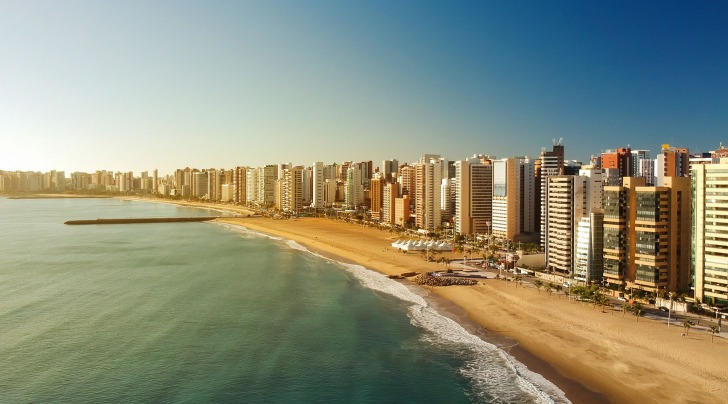
Fortaleza sits on Brazil’s northeastern coast, facing the Atlantic with miles of golden sand and warm water year-round.
It is the capital of Ceará and one of the country’s largest cities, known for its lively beach culture, forró music, and dramatic red cliffs at nearby Canoa Quebrada.
Unlike southern destinations, Fortaleza has a raw, energetic edge.
You will find high-rise beachfront hotels along Beira Mar, busy markets, and neighborhoods where wealth and poverty sit side by side.
I have always found it vibrant and welcoming, but it demands more awareness than some other Brazilian beach cities.
If you are planning a trip, understanding the real safety landscape is essential.
Warnings & Dangers in Fortaleza

OVERALL RISK: MEDIUM
Fortaleza has historically reported higher crime rates than many Brazilian coastal cities. Violent crime and robberies are more common here than in southern Brazil. Tourist zones are more heavily policed, but risks remain. With preparation and smart choices, most visitors avoid serious issues, yet caution is necessary.

TRANSPORT & TAXIS RISK: MEDIUM
App-based rides like Uber are widely used and generally safer than hailing random street taxis. Public buses operate across the city, but can be targets for theft. I recommend avoiding empty bus stops at night and arranging transportation directly from hotels whenever possible.

PICKPOCKETS RISK: HIGH
Petty theft is common, especially along busy beachfront areas like Avenida Beira Mar and in crowded markets. Distraction techniques are frequently used. Phones are a primary target. I always suggest keeping devices out of sight and avoiding walking while texting near the street.

NATURAL DISASTERS RISK: LOW
Fortaleza is not prone to hurricanes or earthquakes. The biggest environmental risks are strong sun exposure and occasional coastal erosion. Ocean currents can be rough in certain areas, so swimmers should pay attention to posted warnings.

MUGGING RISK: HIGH
Armed robberies are a known issue, particularly after dark and outside tourist-heavy zones. Criminals often target individuals walking alone with visible valuables. Most incidents are opportunistic. Staying in groups and avoiding isolated streets significantly lowers risk.

TERRORISM RISK: LOW
Brazil faces minimal terrorism risk, and Fortaleza has no notable history of terrorist activity targeting tourists.

SCAMS RISK: MEDIUM
Overcharging tourists, fake tour offers, and beach vendor scams are relatively common. Some unofficial parking attendants may demand payment. Booking tours through reputable agencies and confirming prices upfront helps avoid problems.

WOMEN TRAVELERS RISK: MEDIUM
Many women travel safely to Fortaleza, especially in groups. However, harassment and catcalling can occur in nightlife and beach settings. Solo female travelers should avoid isolated areas at night and use rideshare services for transportation after dark.

TAP WATER RISK: MEDIUM
Tap water is treated, but not always recommended for short-term visitors due to taste and potential stomach sensitivity. Bottled or filtered water is widely available and inexpensive.
Safest Places to Visit in Fortaleza
When I look at safety in Fortaleza, the pattern is very clear: the closer you are to established tourist infrastructure, the better your overall experience tends to be.
Meireles is, in my opinion, the safest and most practical base for most travelers.
The stretch along Avenida Beira Mar is lined with hotels, restaurants, and a steady police presence.
During the day and early evening, the boardwalk is busy with joggers, vendors, and families.
The Feirinha da Beira Mar handicraft market, located along this avenue, is well lit and heavily frequented by tourists, which naturally increases security.
Just west of Meireles, Mucuripe is another relatively safe beachfront area, especially near the fish market and the harbor promenade.
While quieter at night, it is generally calm during daylight hours and suitable for seaside walks and dining.
Praia de Iracema has improved significantly in recent years, particularly around the cultural hub of Centro Dragão do Mar de Arte e Cultura.
This area is active in the evenings, with bars, galleries, and events that attract both locals and visitors.
Stick to the renovated, well-lit sections rather than wandering into darker side streets.
For a more residential and upscale feel, Aldeota is one of the city’s most established neighborhoods.
It is home to shopping centers like Shopping Iguatemi Bosque, private hospitals, and business offices.
I find Aldeota calmer and more structured than beachfront districts, making it a solid option for accommodations.
If you are looking for a controlled beach experience, Praia do Futuro can be safe during the day, particularly at well-known beach clubs such as Chico do Caranguejo, which have private security and organized facilities.
I recommend visiting in daylight hours and leaving before late evening.
In Fortaleza, safety is less about the entire city and more about choosing the right pocket.
Stay within these established zones, remain aware of your surroundings, and you will significantly improve your chances of having a smooth and enjoyable trip.
Places to Avoid in Fortaleza
Fortaleza is a city where safety can shift noticeably from one neighborhood to the next.
While tourist zones are relatively controlled, certain districts carry significantly higher crime rates and are best avoided by visitors.
First, many of the peripheral inland neighborhoods far from the coastline experience ongoing gang-related violence and higher homicide rates.
Areas such as Bom Jardim, Jangurussu, Conjunto Palmeiras, and parts of Barra do Ceará are frequently cited in local crime reports.
These are primarily residential districts with little tourist infrastructure, and there is no practical reason for travelers to visit them.
Even within more central parts of the city, caution is necessary.
Centro (Downtown Fortaleza) can feel busy and manageable during business hours, especially around banks and commercial streets.
However, once shops close, the area becomes quiet and poorly lit in sections.
I strongly advise against walking there at night.
Certain stretches of Praia de Iracema, particularly those farther from the renovated cultural corridor near Centro Dragão do Mar de Arte e Cultura, can feel isolated after dark.
Stick to the lively, well-lit areas and avoid wandering into unfamiliar side streets.
Praia do Futuro, while popular during the day, has a history of robberies in its parking areas and on surrounding roads at night.
If you visit, go during daylight hours and leave before the beach empties.
Finally, bus terminals and poorly lit areas around transport hubs can attract theft.
If you must pass through, remain alert and keep belongings secured.
In Fortaleza, avoiding risk is less about fear and more about boundaries.
Stay close to active, well-maintained districts and resist the temptation to explore unfamiliar neighborhoods without a clear purpose.
Safety Tips for Traveling to Fortaleza
- Base Yourself in Meireles or Aldeota. Your choice of neighborhood is the single biggest safety decision you will make. I strongly recommend staying in Meireles, near Avenida Beira Mar, or in Aldeota, near major shopping centers and hospitals. These areas have better lighting, more police patrols, and steady foot traffic. Avoid booking budget accommodations in distant inland neighborhoods just to save money. The tradeoff is rarely worth it.
- Do Not Walk Along Empty Beachfronts at Night. Even in tourist zones, the dynamic changes after dark. Long stretches of the Beira Mar promenade or Praia de Iracema can become quite late at night. What feels lively at 7 pm can feel isolated at midnight. If you are out late, use a rideshare directly from your location rather than walking back to your hotel.
- Protect Your Phone From “Moto Snatching”. One of the most common crimes in Fortaleza involves thieves on motorcycles grabbing phones from pedestrians near the curb. Never stand at the edge of the street scrolling or texting. If you need to check maps or messages, step inside a shop, hotel lobby, or restaurant first.
- Visit Praia do Futuro Only During the Day. Praia do Futuro is popular for its beach clubs, but the surrounding roads and parking areas have seen reports of robberies after dark. Go during daylight hours, stay at well-known beach establishments with security, and leave before evening when the crowd thins.
- Avoid Public Buses at Night. While buses are inexpensive, they are frequent targets for theft, especially after sunset. If you are unfamiliar with the city, stick to Uber or registered taxis. The extra cost is minimal compared to the safety benefit.
- Keep Cash Divided and Minimal. Carry only what you need for the day. Split cash into separate pockets or bags so that, in the unlikely event of a robbery, you reduce total loss. Use credit cards in reputable establishments and withdraw money from ATMs located inside malls like Shopping Iguatemi Bosque rather than on the street.
- Blend In With Local Dress. Fortaleza is casual and beach-oriented. Wearing flashy watches, designer handbags, or visible gold jewelry can attract attention. I always dress simply and keep accessories minimal. The goal is to look like a relaxed visitor, not an obvious target.
- Be Strategic With Nightlife. If you plan to enjoy bars near Centro Dragão do Mar or Praia de Iracema, go with friends and plan your return transportation. Never leave drinks unattended and avoid excessive intoxication. Most problems occur when awareness drops.
- Monitor Local Conditions Before Exploring New Areas. Crime levels can fluctuate in certain districts. Ask hotel staff or local hosts whether an area is advisable before visiting. Do not rely solely on outdated travel forum posts. On the ground, current information matters.
- Have Emergency Plans Ready. Save the Brazilian police emergency number, 190, in your phone. Keep digital copies of your passport and travel insurance stored securely online. Share your live location with a trusted contact if heading out at night. Preparation reduces panic and allows you to respond calmly if something unexpected happens.
So... How Safe Is Fortaleza Really?
Fortaleza has struggled with crime challenges linked to organized gangs and socioeconomic inequality.
Ceará state has experienced fluctuating homicide rates over the years, sometimes above the Brazilian national average.
That reality cannot be ignored.
However, tourism remains strong, and thousands of visitors enjoy the city each month without serious problems.
The key difference between a smooth trip and a stressful one often comes down to location choice and awareness.
Compared to southern Brazilian destinations, Fortaleza requires more vigilance.
I personally consider it a rewarding but higher-risk beach city.
If you stay in secure neighborhoods, avoid walking at night, and limit displays of valuables, the odds shift strongly in your favor.
How Does Fortaleza Compare?
| City | Safety Index |
|---|---|
| Fortaleza |
40 |
| Natal |
52 |
| Curitiba |
51 |
| Porto Alegre |
21 |
| Campinas |
57 |
| Recife |
45 |
| Belo Horizonte |
45 |
 Clinton Clinton | 82 |
| Bogalusa | 64 |
 Cardiff Cardiff | 64 |
 Havana Havana | 55 |
| Valdosta | 74 |
| Searchlight | 76 |
Useful Information

Visas
Many travelers from North America and Europe can enter Brazil visa-free for tourism stays of up to 90 days, though policies can change. Always confirm entry requirements with official Brazilian authorities before departure.

Currency
Brazil uses the Brazilian Real. Credit cards are widely accepted in hotels and restaurants. Withdraw cash from ATMs located inside banks or shopping malls for added security.

Weather
Fortaleza has a tropical climate with warm temperatures year-round, typically between 25°C and 32°C. Pack lightweight clothing, strong sunscreen, and a hat. The rainy season usually runs from February to May.

Airports
The main gateway is Pinto Martins – Fortaleza International Airport, located about 8 km from the city center. Rideshare and hotel transfers are the safest ways to reach your accommodation.

Travel Insurance
Travel insurance is strongly recommended. It covers medical emergencies, theft, cancellations, and unexpected disruptions. Given Fortaleza’s higher crime profile, having coverage adds an extra layer of financial protection and peace of mind.
Fortaleza Weather Averages (Temperatures)
Average High/Low Temperature
| Temperature / Month | Jan | Feb | Mar | Apr | May | Jun | Jul | Aug | Sep | Oct | Nov | Dec |
|---|---|---|---|---|---|---|---|---|---|---|---|---|
| High °C |
30 | 30 | 29 | 28 | 29 | 29 | 31 | 29 | 30 | 31 | 31 | 31 |
| Low °C |
24 | 24 | 24 | 21 | 20 | 20 | 19 | 22 | 24 | 25 | 25 | 25 |
| High °F |
86 | 86 | 84 | 82 | 84 | 84 | 88 | 84 | 86 | 88 | 88 | 88 |
| Low °F |
75 | 75 | 75 | 70 | 68 | 68 | 66 | 72 | 75 | 77 | 77 | 77 |
Brazil - Safety by City
| City | Safety Index |
|---|---|
| Belem | 59 |
| Belo Horizonte | 45 |
| Brasilia | 65 |
| Campinas | 57 |
| Campo Grande | 67 |
| Curitiba | 51 |
| Florianopolis | 72 |
| Fortaleza | 40 |
| Foz do Iguacu | 69 |
| Gramado | 85 |
| Jericoacoara | 65 |
| Manaus | 60 |
| Natal | 52 |
| Ouro Preto | 69 |
| Porto Alegre | 21 |
| Recife | 45 |
| Rio de Janeiro | 45 |
| Sao Paulo | 50 |













Parts of this article are pointing to Brasilia and not Fortaleza, specially the “Terrorism Risk”.
The Scam Risk is about the same as any big Brazilian city.
Terrorism? Are you crazy? Fortaleza is just like any other capital in Brazil: a lot of inequality and misery. However, if you know local people, you can have a great time there. While alone, I would advise you to read a lot about the locality you are visiting in the city.
I visited Fortaleza in November 2021 and never had a problem. Advise, use common sense. Knowing someone is always a PLUS. Fortaleza Is fun, police are around. Beach is great, weather is great, food is great and hotels are great. My place to come back again.
What the hell are you talking about? Fortaleza is clearly the safest city in Brazil, you just can’t prove it.
There’s something about wandering along Praia de Iracema that just feels alive, especially with the music and energy spilling from every corner. Even though the carnival isn’t as huge as others, it still has its own charm that’s hard to resist.
I didn’t expect to find such a mix of culture and beach vibes all in one place, especially with the colonial buildings all around.
Spent a week walking Beira Mar and while the beach and forró nights were a blast, I always kept my phone out of sight after sundown.
Walked Beira Mar at dusk and after my phone nearly got snatched in a crowded market I was pretty wary about heading out alone.
Did you ever stroll Beira Mar at dusk, feel the warm Atlantic breeze and a lump in your throat seeing the shiny towers right above the rough streets, and wonder how we hold onto that mix of joy and worry?
Wait, did you also get that sticky evening heat clinging to your shirt while forró blasted and vendors shouted at Beira Mar, making you feel both alive and a bit on edge?
Pretty views, sure, but after getting off at Beira Mar at night I felt way more on edge than I expected.
Beautiful beaches, sure, but after having my phone snatched near Beira Mar at dusk I’m not buying the carefree vibe.
Yeah, nothing like a “vibrant” city where you gotta keep your eyes glued to your pockets while pretending to enjoy those “raw” beach vibes.
If you think the warm water alone makes up for the chaotic mix of skyscrapers and street markets, you’ve clearly never tried dodging traffic and vendors all at once while soaking in the sun.