


 Portugal : Safety by City
Portugal - safety as a country
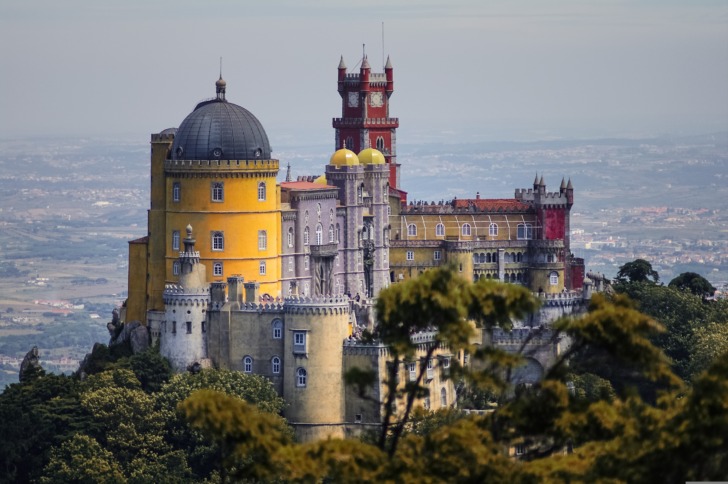
Perched in the lush hills just outside Lisbon, Sintra feels like something pulled straight out of a fairytale.
Palaces painted in bold colors, misty forests, and winding roads give the town an almost surreal atmosphere.
Located in Portugal’s Lisbon District, Sintra has long been a retreat for royalty and artists, and today it’s one of the country’s most visited destinations.
But beyond the beauty, travelers always ask the same question: how safe is it really?
From my experience exploring Sintra’s castles, trails, and quiet streets, it’s a place where safety is generally high, but like any popular tourist hotspot, it comes with a few things you should keep in mind.
Warnings & Dangers in Sintra

OVERALL RISK: LOW
Sintra is considered a very safe destination overall. Violent crime is rare, and the town maintains a calm, welcoming atmosphere. Most visitors experience no issues beyond minor inconveniences. However, because it attracts large numbers of tourists year-round, petty crime and overcrowding can occasionally impact the experience.

TRANSPORT & TAXIS RISK: LOW
Transportation in Sintra is reliable and generally safe. Trains from Lisbon run frequently, and local buses connect major attractions. Taxis and rideshares are widely available and regulated. The main concern is traffic congestion on narrow roads, especially during peak tourist seasons, which can slow down travel significantly.

PICKPOCKETS RISK: MEDIUM
Pickpocketing is the most common issue in Sintra, particularly in crowded areas like train stations, palace entrances, and busy viewpoints. While not rampant, it is something to stay aware of. Keeping your belongings secure and avoiding distractions will significantly reduce your risk.

NATURAL DISASTERS RISK: LOW
Sintra has a mild climate and is not prone to extreme natural disasters. Occasional heavy rains can make hiking trails slippery, and fog can reduce visibility in the hills. Landslides are rare but possible after prolonged rainfall, so caution is advised when exploring less-maintained paths.

MUGGING RISK: LOW
Muggings are extremely uncommon in Sintra. The town has a strong sense of community and a visible police presence in tourist areas. Walking around during the day and even in the evening is generally safe, though it is always wise to stay in well-lit areas after dark.

TERRORISM RISK: LOW
There is no specific terrorism threat associated with Sintra. Portugal as a whole maintains a low risk profile in this regard. Standard awareness is always recommended, especially in crowded tourist spots, but there is no heightened concern.

SCAMS RISK: LOW
Scams are not a major issue in Sintra. Most businesses operate honestly, and pricing is typically transparent. Occasionally, tourists may encounter overpriced souvenirs or unofficial guides offering services, but these situations are easy to avoid with a bit of awareness.

WOMEN TRAVELERS RISK: LOW
Sintra is considered very safe for women traveling alone. Harassment is rare, and locals are generally respectful and helpful. As with any destination, basic precautions such as avoiding isolated areas at night and staying aware of surroundings are recommended.

TAP WATER RISK: LOW
Tap water in Sintra is safe to drink. Portugal maintains high water quality standards, and visitors can comfortably drink from the tap. Many travelers still prefer bottled water for convenience, especially when exploring all day.
Safest Places to Visit in Sintra
Pena Palace and Park
The iconic Pena Palace is not only breathtaking but also one of the safest areas in Sintra.
With controlled entry, security presence, and well-maintained paths, it offers a secure environment for visitors.
The surrounding park provides peaceful walking trails with minimal risk.
Sintra Historic Center
The heart of the town is lively, well patrolled, and filled with cafes, shops, and restaurants.
It is one of the safest places to spend your time, especially during the day.
The constant flow of tourists and locals creates a secure atmosphere.
Quinta da Regaleira
This estate combines mystery and safety.
Its grounds are expansive but well-organized, with clear signage and staff presence.
While exploring tunnels and hidden passages, visitors can feel comfortable knowing the area is managed and monitored.
Moorish Castle
Set on a hilltop, the Moorish Castle offers stunning views and a safe environment.
Paths are maintained, and safety barriers are in place.
Just be mindful of steep climbs and strong winds when walking along the walls.
Places to Avoid in Sintra
Isolated Forest Trails at Night
Sintra’s forests are beautiful, but can become risky after dark.
Limited lighting and sparse foot traffic make them less safe in the evening.
It is best to explore these areas during daylight hours when visibility and activity are higher.
Overcrowded Tourist Hotspots
Areas around major attractions can become extremely crowded, especially during peak hours.
While not dangerous, these conditions increase the risk of pickpocketing and can make movement difficult.
Early morning visits help avoid this.
Remote Parking Areas
Parking spots located far from main attractions can be less secure, particularly if poorly lit.
Leaving valuables in your car is not recommended.
Stick to official parking zones closer to busy areas whenever possible.
Narrow Mountain Roads
Driving in Sintra can be challenging due to tight, winding roads.
While not inherently dangerous, inexperienced drivers may find these routes stressful.
Taking public transport is often a safer and more convenient option.
Safety Tips for Traveling to Sintra
- Keep your belongings secure at all times, especially in crowded areas where pickpocketing is more likely.
- Visit major attractions early in the day to avoid large crowds and reduce stress.
- Use official transportation options like licensed taxis or public buses for reliable travel.
- Wear comfortable shoes with good grip, as many paths are steep or uneven.
- Avoid exploring forested areas after sunset due to limited visibility and isolation.
- Keep a copy of your passport and important documents separate from the originals.
- Stay hydrated, especially during long walks between attractions in warm weather.
- Be cautious when driving, as roads can be narrow and traffic heavy.
- Trust your instincts and avoid situations that feel uncomfortable or overly aggressive.
- Respect local guidelines and signage, particularly in historical sites and natural areas.
So... How Safe Is Sintra Really?
Sintra stands out as one of the safest travel destinations in Portugal.
Crime rates are low, and the overall environment is peaceful and tourist-friendly.
The most common issues travelers face are minor, such as pickpocketing or navigating crowded attractions.
Compared to larger cities, Sintra offers a more relaxed and controlled atmosphere, which contributes to its strong safety profile.
Local authorities actively maintain security in popular areas, and infrastructure is well developed to support tourism.
Public transportation is reliable, healthcare services are accessible, and emergency response systems are efficient.
These factors combine to create a destination where travelers can feel comfortable and confident.
That said, Sintra’s popularity means you should stay aware of your surroundings, especially during peak travel seasons.
With basic precautions and a bit of planning, most visitors enjoy a smooth and safe experience.
In short, Sintra is not just beautiful, it is also one of the more secure places you can explore in Europe.
How Does Sintra Compare?
| City | Safety Index |
|---|---|
| Sintra |
89 |
| Evora |
84 |
| Porto |
80 |
| Faro |
84 |
| Lisbon |
85 |
| Braga |
87 |
| Coimbra |
87 |
 Santa Ana Santa Ana | 71 |
 Aberdeen Aberdeen | 63 |
 Tegucigalpa Tegucigalpa | 33 |
| Virginia Beach | 77 |
| Carrabassett Valley | 92 |
| Newport News | 68 |
Useful Information

Visas
Portugal is part of the Schengen Area, so many travelers can enter visa-free for up to 90 days within a 180 day period. Visitors from countries requiring visas should apply in advance through a Portuguese consulate. Always check requirements based on your nationality before traveling.

Currency
The official currency is the Euro. Credit and debit cards are widely accepted, but carrying some cash is useful for small purchases. Exchange money at banks or official exchange offices for better rates, and avoid exchanging at tourist-heavy locations where fees may be higher.

Weather
Sintra has a mild climate with cooler temperatures than nearby Lisbon due to its elevation. Summers are warm but not extreme, while winters are damp and foggy. Layered clothing is ideal, and a light jacket is recommended even during warmer months.

Airports
The nearest major airport is Lisbon Portela Airport, located about 30 minutes away. From there, travelers can take a train, bus, or taxi to Sintra. The train is the most convenient and cost-effective option, running regularly throughout the day.

Travel Insurance
Travel insurance is strongly recommended when visiting Sintra. It provides coverage for unexpected issues such as medical emergencies, trip cancellations, or lost belongings. Even in a safe destination, having insurance adds an extra layer of protection and peace of mind.
Sintra Weather Averages (Temperatures)
Average High/Low Temperature
| Temperature / Month | Jan | Feb | Mar | Apr | May | Jun | Jul | Aug | Sep | Oct | Nov | Dec |
|---|---|---|---|---|---|---|---|---|---|---|---|---|
| High °C |
14 | 15 | 17 | 18 | 20 | 23 | 26 | 28 | 25 | 21 | 17 | 15 |
| Low °C |
9 | 10 | 10 | 11 | 12 | 14 | 16 | 17 | 16 | 14 | 11 | 10 |
| High °F |
57 | 59 | 63 | 64 | 68 | 73 | 79 | 82 | 77 | 70 | 63 | 59 |
| Low °F |
48 | 50 | 50 | 52 | 54 | 57 | 61 | 63 | 61 | 57 | 52 | 50 |
Portugal - Safety by City
| City | Safety Index |
|---|---|
| Aveiro | 85 |
| Braga | 87 |
| Coimbra | 87 |
| Evora | 84 |
| Faro | 84 |
| Lisbon | 85 |
| Madeira | 91 |
| Porto | 80 |
| Sintra | 89 |














Did you notice if the usual tourist spots felt crowded or was there a good balance between quiet and busy moments?
I’ve been there and while it’s mostly chill, I did notice a couple of sketchy spots near the busier areas where you’ve gotta keep an eye on your stuff or you might get that annoying tourist hassle.
As long as you are OK with a non-violent pickpocketing experience, this is the place for you!
Hiking up to the castles was amazing but watch out for slippery stones after it rains, I almost slipped!
I remember walking through those winding roads and feeling completely at ease, though you do have to watch out for the crowded spots where pickpockets might hang around.