


 Portugal : Safety by City
Portugal - safety as a country
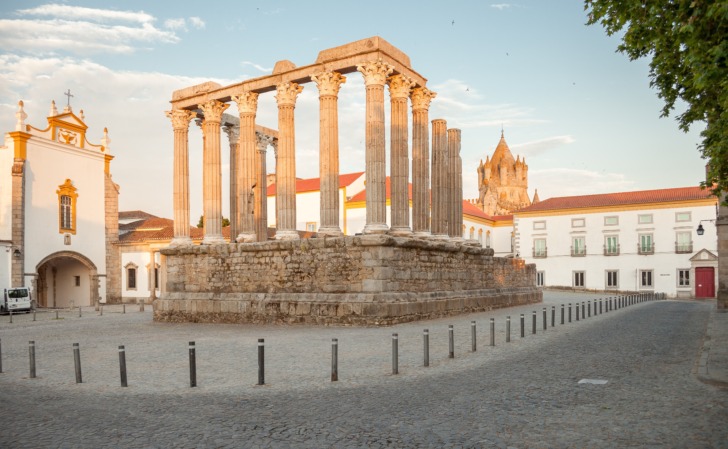
Evora sits in Portugal’s Alentejo region, about 85 miles east of Lisbon, wrapped in ancient walls, whitewashed lanes, Roman ruins, cork-tree countryside, and that slow, golden pace southern Portugal does so well.
It is one of those cities where you can walk from a Roman temple to a bone chapel to a quiet wine bar without feeling like you have crossed eras so much as wandered through them.
Evora is also a UNESCO-listed city, known for its historic center, university atmosphere, excellent food, and relaxed rural character.
From a safety point of view, it is one of Portugal’s calmer city breaks.
It is not crime-free, of course, but the main concerns are ordinary travel issues: petty theft, summer heat, road safety, and basic situational awareness.
Warnings & Dangers in Evora

OVERALL RISK: LOW
Evora is generally a low-risk destination for travelers. Violent crime is uncommon, the historic center is walkable, and the city has a slower, more local rhythm than Lisbon or Porto. The main risks are petty theft, heat in summer, uneven pavements, and occasional tourist-targeted overcharging in busy areas. Most visitors should feel comfortable here.

TRANSPORT & TAXIS RISK: LOW
Transport risk in Evora is low. The city center is best explored on foot, while taxis and ride-hailing services are usually safe when available. Buses connect Evora with Lisbon and nearby towns, though service can be limited outside main routes. The biggest issue is driving on narrow historic streets or rural roads after dark.

PICKPOCKETS RISK: LOW
Pickpocketing can happen, especially around crowded landmarks, bus stations, festivals, and busy restaurant streets, but Evora does not have the same pickpocketing pressure as larger European capitals. Keep your phone and wallet secure near the Roman Temple, Chapel of Bones, Praça do Giraldo, and outdoor cafés. Basic caution is enough.

NATURAL DISASTERS RISK: LOW
Evora has a low natural disaster risk, but summer heat can be intense. The Alentejo region can see very high temperatures in July and August, and wildfire risk may rise during dry periods. Earthquakes are possible in Portugal, but serious events are rare. Heat exhaustion is a more practical concern for tourists.

MUGGING RISK: LOW
Mugging is rare in Evora, especially in the central tourist areas. The city is quiet at night compared with major nightlife destinations, but empty streets, poorly lit edges of town, and isolated parking areas still deserve caution. Avoid flashing expensive jewelry, large cameras, or cash when walking late.

TERRORISM RISK: LOW
Evora has a low terrorism risk. Portugal is a stable country, and Evora is not a major political or transport target. As with anywhere in Europe, travelers should still remain aware in crowded public places, major events, transport hubs, and festivals. For everyday sightseeing, this is not a major concern.

SCAMS RISK: LOW
Scams in Evora are not widespread, but travelers should still watch for inflated taxi fares, vague restaurant pricing, unofficial guides, and souvenir sellers who pressure tourists. Always check menus before ordering, confirm taxi costs or use the meter, and avoid accepting “free” items from strangers in tourist-heavy spaces.

WOMEN TRAVELERS RISK: LOW
Evora is generally safe for women travelers, including solo travelers. The historic center is calm, people are usually helpful, and harassment is not a major issue. Normal precautions still apply: avoid isolated streets late at night, watch drinks in bars, use licensed transport, and choose centrally located accommodation.

TAP WATER RISK: LOW
Tap water in Evora is safe to drink. Portugal has reliable public water standards, and travelers can refill bottles at hotels, restaurants, and accommodations without concern. Some people may prefer bottled water because of taste, especially in hotter months, but there is no major health reason to avoid tap water.
Safest Places to Visit in Evora
Historic Center
Evora’s historic center is the safest and most rewarding part of the city for most travelers.
This is where you will find Praça do Giraldo, the Roman Temple, Evora Cathedral, small museums, cafés, restaurants, and boutique hotels.
Because the area is compact and heavily visited during the day, it feels comfortable and easy to navigate.
The main thing to watch is your footing, since cobblestones can be slippery or uneven.
Roman Temple and Cathedral Area
The Roman Temple area is one of Evora’s most iconic spots and is generally very safe.
It has open space, tourist traffic, nearby restaurants, and a steady flow of visitors during daylight hours.
It is also a good place to orient yourself, as several major attractions are nearby.
Go early in the morning or late afternoon if you want fewer crowds and better light.
Praça do Giraldo
Praça do Giraldo is Evora’s main square and one of the safest places to pause, people-watch, and plan your route.
It is central, lively, and surrounded by cafés and shops.
As with any public square, keep bags close when sitting outside, especially if your phone is on the table.
Otherwise, it is a comfortable base for exploring.
University and Museum Areas
The University of Evora and nearby cultural streets are quiet, historic, and generally safe.
They attract students, visitors, and locals rather than heavy tourist crowds.
These areas are good for slower wandering, photography, and architecture lovers.
During the day, they are very pleasant; at night, just stick to better-lit streets.
Places to Avoid in Evora
Empty Outer Streets Late at Night
Evora does not have famous “danger zones” that tourists need to avoid, but the quieter outer edges of the historic center can feel deserted late at night.
Empty streets are not automatically unsafe, but they can be uncomfortable if you are alone, unfamiliar with the area, or carrying valuables.
Stay on main routes when walking back to your hotel.
Isolated Parking Areas
Rental-car travelers should be careful around isolated parking lots, especially if luggage or electronics are visible inside the vehicle.
Theft from cars is more realistic than violent crime.
Park in visible, regulated areas whenever possible, remove valuables, and do not leave passports, bags, or cameras in the car while sightseeing.
Bus and Train Station Areas After Dark
Evora’s transport areas are not especially dangerous, but like many small-city stations, they can feel less polished than the historic center.
During the day, they are fine.
Late at night, it is smarter to arrange a taxi, ride-hailing pickup, or accommodation transfer rather than wandering unfamiliar streets with luggage.
Overheated Open Areas in Summer
This may sound odd in a “places to avoid” section, but in Evora, the sun is a real safety factor.
In July and August, exposed streets, open squares, and rural walking routes can become exhausting by midday.
Avoid long walks during peak heat, especially if traveling with children, older adults, or anyone sensitive to heat.
Safety Tips for Traveling to Evora
- Explore the historic center on foot, but wear proper shoes. Evora is a walking city, which is part of its charm. The problem is that charming old streets often come with uneven stones, steps, slopes, and polished cobbles. Sneakers or sturdy sandals are much better than thin flip-flops. This is especially important around the cathedral, walls, and older lanes.
- Plan around the heat in summer. Evora can become extremely hot in July and August. Sightsee early, take a long lunch break, and resume exploring later in the afternoon. Carry water, wear a hat, and do not underestimate how draining the Alentejo sun can be. Heat is one of the most realistic travel risks here.
- Keep valuables secure in tourist areas. Evora is not a pickpocket hotspot, but tourist crowds always create opportunities. Keep wallets in front pockets or zipped bags. Do not leave a phone on a café table near the street. Around Praça do Giraldo, the Roman Temple, and busy restaurant lanes, use the same common sense you would use anywhere in Europe.
- Do not leave luggage in your rental car. If you are road-tripping through Portugal, Evora may be one stop on a bigger Alentejo itinerary. Never leave bags, laptops, passports, or cameras visible in the car. If you must store something, use the trunk before arriving at the parking spot so nobody sees you hiding it.
- Use official taxis or app-based rides when needed. Evora is compact, but taxis are useful for the train station, bus station, hotels outside the walls, or late-night returns. Use official taxis, ask your hotel to call one, or use a ride-hailing app where available. Confirm the fare or make sure the meter is used.
- Be careful when driving inside the old city. The historic center has narrow streets, limited parking, one-way routes, pedestrians, and stone walls that were definitely not designed for modern rental cars. If your hotel is inside the walls, ask about parking before arrival. Many travelers are better off parking outside and walking in.
- Watch restaurant pricing in tourist-heavy spots. Most restaurants in Evora are honest, but always check prices before ordering. In Portugal, bread, olives, cheese, and small starters placed on the table are often charged if you eat them. This is normal, not automatically a scam, but it surprises visitors. Politely decline if you do not want them.
- Stay on main streets after dark. Evora is peaceful at night, but some streets get very quiet. That is part of the atmosphere, but it also means fewer people around if you get lost or uncomfortable. Walk through central, lit areas, especially if alone. Save the empty medieval-lane exploring for daytime.
- Carry a small amount of cash, but use cards when practical. Cards are widely accepted in many places, but smaller cafés, markets, taxis, or rural businesses may prefer cash. Carry enough euros for small purchases, but do not carry large amounts. ATMs in central areas are usually the easiest option.
- Respect local pace and closing hours. Evora is not a 24-hour city. Shops, museums, and restaurants may close between lunch and dinner, and services can be slower on Sundays or holidays. Planning prevents the kind of travel stress that leads to rushed decisions, expensive taxis, or late walks in unfamiliar areas.
So... How Safe Is Evora Really?
Evora is one of the safer city destinations in Portugal, especially for travelers who want history, food, wine, architecture, and a slower pace without the stress of a huge urban center.
Portugal, overall, has a strong safety profile by European standards, with low levels of violent crime compared with many destinations.
Evora benefits from being smaller, less chaotic, and less crowded than Lisbon or Porto.
The most realistic risks are petty theft, heat, minor scams, car break-ins, and road issues.
Tourists are more likely to lose a wallet, trip on cobblestones, get dehydrated, or overpay for something than experience violent crime.
That makes Evora a good choice for solo travelers, couples, families, older travelers, and first-time visitors to Portugal.
The city also feels manageable.
You can walk between major attractions, stay in the center, eat well, and enjoy the evening without needing complicated transport.
Still, “safe” does not mean careless.
Keep valuables close, avoid deserted areas late at night, hydrate in summer, and be sensible with rental cars.
Overall, Evora is genuinely safe for travel.
It has the rare mix of beauty, history, calm, and practicality that makes a city feel both exciting and easy.
How Does Evora Compare?
| City | Safety Index |
|---|---|
| Evora |
84 |
| Faro |
84 |
| Lisbon |
85 |
| Aveiro |
85 |
| Braga |
87 |
| Sintra |
89 |
| Porto |
80 |
 Wimberley Wimberley | 81 |
 Quezon City Quezon City | 55 |
| Puerto Princesa | 77 |
| Ottumwa | 51 |
| Denver | 57 |
| Big Sky | 82 |
Useful Information

Visas
Portugal is part of the Schengen Area. Many tourists, including visitors from the United States, Canada, the United Kingdom, Australia, and much of Europe, can usually enter visa-free for short stays of up to 90 days within a 180-day period. Travelers from countries requiring a Schengen visa should apply before arrival.

Currency
Portugal uses the euro. ATMs are easy to find in Evora’s central areas, and cards are accepted in many hotels, restaurants, and shops. Carry some cash for small cafés, markets, taxis, and rural stops. Avoid exchanging money at poor-rate tourist counters if you can use bank ATMs instead.

Weather
Evora has hot, dry summers and mild, cooler winters. Summer temperatures can be intense, so pack light clothing, sunscreen, sunglasses, and a hat. Spring and autumn are the most comfortable seasons for walking. In winter, bring layers and a light jacket, especially for evenings.

Airports
Evora does not have a major international airport. Most travelers fly into Lisbon Airport, then reach Evora by car, bus, or train in about 1.5 to 2 hours, depending on the route. Driving is convenient for exploring the Alentejo, but parking outside the old city is often easier.

Travel Insurance
Travel insurance is a smart idea for Evora, even though it is a low-risk destination. A good policy can cover medical issues, trip delays, lost luggage, rental-car problems, and theft. This is especially useful if you plan to drive, visit rural areas, or travel during summer heat waves.
Evora Weather Averages (Temperatures)
Average High/Low Temperature
| Temperature / Month | Jan | Feb | Mar | Apr | May | Jun | Jul | Aug | Sep | Oct | Nov | Dec |
|---|---|---|---|---|---|---|---|---|---|---|---|---|
| High °C |
14 | 15 | 17 | 20 | 24 | 29 | 33 | 33 | 28 | 23 | 17 | 14 |
| Low °C |
5 | 6 | 7 | 9 | 11 | 14 | 16 | 16 | 15 | 13 | 9 | 6 |
| High °F |
57 | 59 | 63 | 68 | 75 | 84 | 91 | 91 | 82 | 73 | 63 | 57 |
| Low °F |
41 | 43 | 45 | 48 | 52 | 57 | 61 | 61 | 59 | 55 | 48 | 43 |
Portugal - Safety by City
| City | Safety Index |
|---|---|
| Aveiro | 85 |
| Braga | 87 |
| Coimbra | 87 |
| Evora | 84 |
| Faro | 84 |
| Lisbon | 85 |
| Madeira | 91 |
| Porto | 80 |
| Sintra | 89 |












I spent a couple of days in Evora and while the charm is undeniable, I couldn’t shake the feeling that the quiet streets sometimes felt a bit too deserted, especially as the temperature soared past 35 degrees in the afternoon.