


 Portugal : Safety by City
Portugal - safety as a country
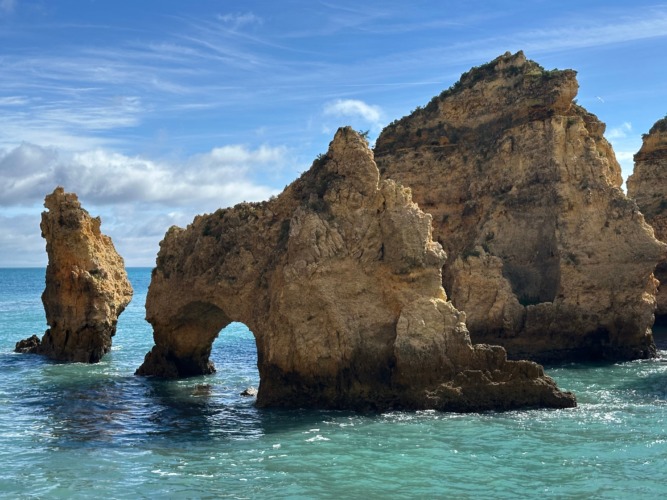
Faro is the capital of Portugal’s Algarve region, sitting on the country’s sunny southern coast near the Ria Formosa lagoon and the Atlantic Ocean.
A lot of travelers pass through Faro because of its international airport, then rush off to beach towns like Lagos, Albufeira, or Tavira.
Big mistake, in my opinion.
Faro has a calmer, more local feel than many Algarve resort hubs, with a walled Old Town, whitewashed streets, seafood restaurants, island beaches, and boat trips through one of Portugal’s most beautiful natural parks.
Safety-wise, Faro is a very comfortable city for most visitors.
It is not crime-free, of course, but the main risks are the boring travel classics: pickpockets, rental-car theft, sunburn, late-night overconfidence, and tourist-season price tricks.
Warnings & Dangers in Faro

OVERALL RISK: LOW
Faro is a low-risk destination for most travelers. Violent crime is uncommon, the city center is walkable, and Portugal generally has a strong safety reputation. The biggest issues are petty theft, car break-ins, summer crowds, and occasional nightlife problems. Use normal city awareness, and you should feel relaxed here.

TRANSPORT & TAXIS RISK: LOW
Public buses, trains, taxis, and ride-hailing services are generally safe in Faro. The airport is close to the city, which makes transfers easy. The main risks are overpaying for unofficial rides, waiting longer for buses outside peak hours, and leaving luggage unattended at stations or bus stops.

PICKPOCKETS RISK: MEDIUM
Pickpocketing is not extreme in Faro, but it can happen around the marina, bus and train stations, airport areas, busy restaurants, markets, and crowded summer streets. The risk rises during peak Algarve season when tourists are more distracted. Keep phones, wallets, and passports secure, especially in open bags.

NATURAL DISASTERS RISK: LOW
Faro has a low natural disaster risk overall. The Algarve can experience heatwaves, strong sun, occasional wildfires in wider southern Portugal, and rare coastal storm issues. Earthquakes are possible in Portugal, but not a daily concern. Summer heat and dehydration are more realistic risks for travelers.

MUGGING RISK: LOW
Muggings are rare in Faro, especially compared with larger European cities. Most visitors will never feel threatened. Still, avoid empty streets late at night, especially if you have been drinking or are walking alone from nightlife areas. Keep valuables discreet and do not flash cash or expensive gear.

TERRORISM RISK: LOW
Faro has a low terrorism risk. Portugal is not a frequent target for terrorism, and Faro is a small, relaxed city rather than a major political or symbolic center. As anywhere in Europe, stay aware in transport hubs, airports, major events, and crowded public spaces, but this is not a major concern.

SCAMS RISK: LOW
Scams in Faro are usually mild rather than dangerous. Watch for inflated taxi prices, vague restaurant pricing, poor exchange rates, fake petitions, or people trying to distract you near busy tourist spots. Most businesses are honest, but checking prices before ordering or agreeing to a service is always smart.

WOMEN TRAVELERS RISK: LOW
Faro is generally safe for women travelers, including solo travelers. The city center feels calm, and harassment is not a major issue. Normal precautions still matter: avoid isolated streets late at night, watch drinks in bars, use licensed transport after dark, and trust your instincts if an area feels too quiet.

TAP WATER RISK: LOW
Tap water in Faro is safe to drink. Some visitors may notice a different mineral taste compared with what they are used to, but safety is not the issue. Bottled water is cheap and easy to find, though carrying a refillable bottle is a better option in the Algarve heat.
Safest Places to Visit in Faro
Cidade Velha
Faro’s Old Town, or Cidade Velha, is one of the safest and most pleasant parts of the city to explore.
It is enclosed by historic walls and filled with cobbled lanes, arches, small squares, churches, cafes, and local restaurants.
It feels peaceful during the day and atmospheric in the evening.
As with any tourist-friendly area, keep an eye on your bag when sitting outside, but the general vibe is calm and easygoing.
Faro Marina
The marina area is a good place for a relaxed walk, especially around sunset.
It is central, open, and usually has plenty of people around.
You will find restaurants, boat tour operators, and views over the water.
This is also where travelers often gather before heading into the Ria Formosa area, so it is lively without feeling chaotic.
Ria Formosa Natural Park
Ria Formosa is one of Faro’s biggest treasures.
Boat tours to the lagoons, sandbanks, and barrier islands are generally safe and well-organized when booked with reputable operators.
The main thing here is environmental safety: bring sun protection, water, and footwear suitable for boats and sandy paths.
Ilha de Faro
Ilha de Faro is a beach area connected to the mainland by road.
It is popular with locals and tourists, especially in summer.
It is generally safe, but the ocean deserves respect.
Swim where others are swimming, pay attention to flags, and do not underestimate currents or long sun exposure.
Places to Avoid in Faro
Empty Streets Around Transport Areas Late at Night
Faro does not have many truly “dangerous” neighborhoods for tourists, but the area around bus and train stations can feel less comfortable late at night when streets are quiet.
This is not a place where I would panic, but I also would not hang around with luggage, a visible phone, and no plan.
Arrive knowing your route or take a taxi if it is late.
Isolated Areas Near the Waterfront After Dark
The marina and waterfront are pleasant, but less-used paths and darker stretches can feel isolated outside busy hours.
During the day, they are fine.
At night, stick to better-lit, busier streets and avoid wandering too far alone, especially after drinking.
Crowded Tourist Streets During Peak Season
This may sound odd because these are not dangerous in the violent-crime sense, but crowded tourist areas are where petty theft becomes more likely.
Busy outdoor dining areas, festival spaces, markets, and popular walking routes are places where pickpockets can blend in easily.
Keep your bag closed and avoid placing your phone on tables.
Remote Beach Spots Without Preparation
Some beaches and natural areas around the Algarve feel wonderfully quiet, but quiet also means fewer people around if something goes wrong.
Avoid remote beach spots at night, do not leave belongings unattended while swimming, and be careful with cliffs, tides, heat, and long walks without water.
Safety Tips for Traveling to Faro
- Keep your valuables secure in tourist areas. Faro is safe, but petty theft can happen where travelers gather. The marina, Old Town, airport, bus station, train station, and restaurants with outdoor seating are the places where you should be most aware. Use a zipped crossbody bag, keep wallets out of back pockets, and do not leave your phone sitting on a cafe table.
- Be careful with rental cars. Rental-car theft and break-ins are common issues in many tourist regions, including parts of the Algarve. Never leave luggage, backpacks, electronics, passports, or beach bags visible inside the car. Even a jacket can make someone curious. Park in well-lit areas and empty the car before heading to the beach or dinner.
- Use licensed taxis or ride-hailing apps. Faro Airport is very close to the city, so transfers should be straightforward. Still, confirm the fare or use the meter before starting a taxi ride. If you are tired after a flight, this is when you are most likely to agree to a bad deal. Official taxis and app-based rides are the safer, cleaner option.
- Respect the sun more than you think you need to. The Algarve sun is no joke, especially from late spring through early fall. Many travelers underestimate how quickly they can burn while walking around the Old Town or waiting for a boat tour. Wear sunscreen, sunglasses, and a hat, and carry water. Heat exhaustion can ruin a trip faster than any pickpocket.
- Swim with caution. Faro’s beaches are beautiful, but the Atlantic can have currents, waves, and changing conditions. Swim near other people, follow beach flags, and do not go too far out if you are not familiar with the water. If you are visiting quieter beaches, avoid swimming alone.
- Watch your alcohol intake at night. Faro is not as wild as some Algarve party towns, but bars and restaurants still get lively. Drink moderately, keep an eye on your glass, and avoid walking back through empty streets while drunk. If your accommodation is far from the center, take a taxi instead of trying to figure it out at 2 a.m.
- Check restaurant prices before ordering seafood. Most restaurants are honest, but seafood, fish by weight, specials, and tourist menus can surprise visitors. Ask the price before ordering anything sold by weight or described vaguely as “fresh catch.” This is less about danger and more about avoiding that sad vacation moment when the bill arrives, and your soul leaves your body.
- Carry a copy of your passport, not the original. You may need ID for hotels, car rentals, or certain bookings, but you usually do not need to walk around with your passport all day. Keep the original in a secure place and carry a copy or digital backup. Losing a passport is one of the most annoying travel problems you can create for yourself.
- Plan ahead for late arrivals. If you arrive at Faro Airport late at night, know how you are getting to your hotel before you land. The airport is close, but tired travelers make easy targets for overcharging or confusion. Have the address saved offline and enough battery to call a ride or show directions.
- Use common sense in nature areas. Ria Formosa is stunning, but it is still a natural environment. Bring water, sun protection, and suitable shoes. If you take a boat tour, use a reputable operator and listen to instructions. Do not wander into tidal areas without understanding the route, and do not assume every quiet patch of sand is safe for swimming or walking.
So... How Safe Is Faro Really?
Faro is genuinely safe for most travelers.
It has the advantage of being a regional capital with good infrastructure, but it does not feel as intense as larger cities like Lisbon or Porto.
The city is busy enough to feel active, especially in the center and around the marina, but small enough that travelers can get oriented quickly.
The crime picture is mostly about opportunity rather than danger.
Petty theft is the main concern, especially during the summer when the Algarve fills with tourists.
Pickpockets and bag thieves prefer distracted people, not alert ones.
Violent crime against tourists is uncommon, and Faro does not have the kind of “avoid at all costs” zones that some larger destinations do.
For me, the biggest safety risks in Faro are not dramatic.
They are practical: leaving luggage in a rental car, getting too relaxed with belongings at outdoor restaurants, underestimating the sun, swimming carelessly, or walking alone through quiet areas after too many drinks.
Faro rewards basic awareness.
You do not need to be paranoid here, but you should not switch your brain off either.
Overall, Faro is one of those destinations where safety should not stop you from visiting.
It is calm, scenic, friendly, and easy to manage.
Treat it like a real city, not a theme park, and you will likely have a smooth trip.
How Does Faro Compare?
| City | Safety Index |
|---|---|
| Faro |
84 |
| Braga |
87 |
| Coimbra |
87 |
| Lisbon |
85 |
| Porto |
80 |
| Evora |
84 |
| Sintra |
89 |
 Valparaiso Valparaiso | 76 |
| Elephant Butte | 73 |
| Goshen | 43 |
| Memphis | 54 |
 Rajshahi Rajshahi | 68 |
| McAlester | 70 |
Useful Information

Visas
Faro is in Portugal, which is part of the Schengen Area. Many travelers, including Americans, Canadians, Australians, and British citizens, can visit for up to 90 days within a 180-day period without a visa. Travelers from countries requiring a Schengen visa should apply before arrival. Passport validity and entry rules should be checked before booking.

Currency
Portugal uses the euro. ATMs are widely available in Faro, and cards are accepted in most hotels, restaurants, and shops. I recommend carrying some cash for small cafes, markets, tips, beach kiosks, or local buses. Avoid airport exchange counters if possible, since rates are usually less favorable than bank ATMs.

Weather
Faro has a warm Mediterranean-style climate with hot, dry summers and mild winters. Summer travelers should pack light clothing, sunscreen, sunglasses, and a hat. Spring and fall are comfortable but can be breezy near the coast. Winter is mild, though a light jacket and rain layer are useful.

Airports
Faro Airport is the main airport for the Algarve and one of Portugal’s busiest tourist gateways. It is only a short drive from central Faro, usually around 10 to 15 minutes, depending on traffic. Taxis, ride-hailing services, airport buses, private transfers, and rental cars are all common ways to reach the city.

Travel Insurance
Travel insurance is strongly recommended for Faro, even though the city is safe. Good coverage can help with medical care, lost luggage, flight delays, rental-car problems, theft, and cancellations. If you plan boat trips, beach days, or wider Algarve exploring, insurance adds a useful layer of protection and peace of mind.
Faro Weather Averages (Temperatures)
Average High/Low Temperature
| Temperature / Month | Jan | Feb | Mar | Apr | May | Jun | Jul | Aug | Sep | Oct | Nov | Dec |
|---|---|---|---|---|---|---|---|---|---|---|---|---|
| High °C |
16 | 16 | 18 | 20 | 22 | 25 | 28 | 28 | 26 | 23 | 19 | 16 |
| Low °C |
8 | 8 | 9 | 11 | 13 | 16 | 18 | 18 | 17 | 15 | 11 | 9 |
| High °F |
61 | 61 | 64 | 68 | 72 | 77 | 82 | 82 | 79 | 73 | 66 | 61 |
| Low °F |
46 | 46 | 48 | 52 | 55 | 61 | 64 | 64 | 63 | 59 | 52 | 48 |
Portugal - Safety by City
| City | Safety Index |
|---|---|
| Aveiro | 85 |
| Braga | 87 |
| Coimbra | 87 |
| Evora | 84 |
| Faro | 84 |
| Lisbon | 85 |
| Madeira | 91 |
| Porto | 80 |
| Sintra | 89 |












Sure, because who wouldn’t want to pay tourist-season prices after getting slapped by the Algarve sun while dodging pickpockets?