


 Afghanistan : Safety by City
Afghanistan - safety as a country
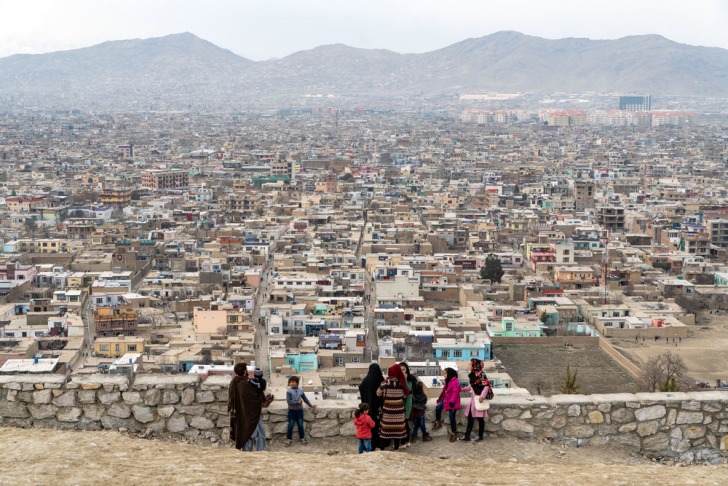
Kabul sits in a high mountain valley in eastern Afghanistan, framed by the Hindu Kush and layered with more than 3,500 years of history.
It has been a crossroads of empires, from ancient trade routes to modern geopolitics.
At over 5,900 feet above sea level, the city combines dramatic landscapes with a deeply complex political reality.
As a travel blogger who has spent years studying high risk destinations, I can say this upfront: Kabul is not a conventional tourist city.
It is culturally rich, historically significant, and home to incredibly resilient people.
But it is also one of the most volatile capitals in the world.
If you are considering travel here, safety is not just a section of your planning.
It is the entire plan.
Let’s break it down clearly and honestly.
Warnings & Dangers in Kabul

OVERALL RISK: HIGH
Kabul currently carries a high overall risk for travelers. Political instability, security threats, limited consular support, and weak emergency infrastructure create an environment that is challenging even for experienced visitors. Most Western governments advise against all travel. This is not a destination for casual tourism.

TRANSPORT & TAXIS RISK: HIGH
Public transport is limited and largely informal. Taxis are common but unregulated. Checkpoints, road closures, and sudden security incidents can disrupt movement without warning. Road conditions are inconsistent, and traffic accidents are frequent. Foreigners moving around independently may draw unwanted attention.

PICKPOCKETS RISK: MEDIUM
Petty theft exists but is not the primary safety concern in Kabul. Crowded markets and transport hubs can see opportunistic theft. However, compared to major global cities, pickpocketing is less systematic. The bigger issue is standing out as a foreigner rather than losing your wallet.

NATURAL DISASTERS RISK: MEDIUM
Afghanistan is seismically active. Earthquakes occur periodically and can be destructive, especially given older infrastructure. Kabul also faces harsh winters, flash floods in certain seasons, and poor air quality. Natural disasters are a genuine concern, though secondary to security risks.

MUGGING RISK: HIGH
Armed robbery and violent crime occur, particularly during unstable periods. Foreign nationals can be targeted due to perceived wealth or political symbolism. The risk increases significantly after dark and in less monitored neighborhoods. Situational awareness is critical at all times.

TERRORISM RISK: HIGH
Kabul has experienced frequent attacks over the past two decades, including bombings and targeted assaults. Although the security landscape has shifted since 2021, extremist violence and factional tensions remain present. High profile locations, government sites, and areas with foreign presence carry elevated risk.

SCAMS RISK: MEDIUM
Classic tourist scams are not widespread in Kabul, largely because tourism is minimal. However, overcharging, currency manipulation, and informal “fees” can occur. Foreigners unfamiliar with local systems may be vulnerable, especially when arranging transportation or services privately.

WOMEN TRAVELERS RISK: HIGH
Women face significant restrictions under current governance. Dress codes are strictly enforced, and mobility can be limited. Female travelers may require male accompaniment in certain contexts. Social and legal frameworks are extremely conservative, and violations can lead to serious consequences.

TAP WATER RISK: HIGH
Tap water in Kabul is not considered safe for drinking. Infrastructure damage and inconsistent treatment mean waterborne illness is a real risk. Travelers should use bottled or properly filtered water even for brushing teeth.
Safest Places to Visit in Kabul
Safety in Kabul is relative.
“Safest” means areas that are more controlled, more monitored, and less prone to unpredictable activity.
The area around the former diplomatic quarter, often referred to as Wazir Akbar Khan, has historically been one of the more secure parts of the city.
It contains embassies, international compounds, and better guarded roads.
While security dynamics shift, this district has traditionally seen tighter monitoring.
Babur’s Gardens, a restored Mughal era garden complex, has often been considered one of the more structured public sites.
It attracts local families and is relatively controlled compared to open markets.
The National Museum of Afghanistan, when open and accessible, is another culturally rich yet comparatively regulated space.
The Kabul Serena Hotel has historically been one of the most secure hotels in the city, with layered security screening and controlled entry points.
Many international journalists and aid workers have used it as a base.
That said, even these locations cannot be described as truly safe in global terms.
Conditions can change quickly.
Any movement should be coordinated with trusted local contacts.
Places to Avoid in Kabul
Avoid government buildings, military facilities, and checkpoints.
These sites are often targets for attacks and can also create complications for foreigners who appear to be observing or photographing.
Crowded markets during politically tense periods can become flashpoints.
Areas around ministries, police stations, and intelligence buildings are particularly sensitive.
Outlying districts with limited security presence pose additional risks.
Neighborhoods on the city’s outskirts often lack strong infrastructure, lighting, and rapid response capabilities.
Travel near protest sites, religious gatherings, or political events should be strictly avoided.
Demonstrations can escalate rapidly, and security forces may respond forcefully.
Nighttime movement throughout most of Kabul significantly increases risk.
Visibility drops, checkpoints become more unpredictable, and response times lengthen.
Unless absolutely necessary and carefully arranged, avoid being out after dark.
Safety Tips for Traveling to Kabul
- Coordinate Every Movement in Advance. In Kabul, spontaneity is not adventurous, it is risky. Plan each route the day before, confirm it again the morning of travel, and avoid last minute detours. Roads can close with no notice due to security operations or incidents. If possible, move with a trusted local driver who understands checkpoint patterns and which streets are currently sensitive. Even short distances should be treated as operational movements, not casual strolls.
- Choose Accommodation With Layered Security. Not all guesthouses are equal. Prioritize compounds or hotels with controlled entry points, vehicle screening, perimeter walls, and visible guards. Properties in Wazir Akbar Khan or other historically secured districts are generally better equipped. Ask about backup generators, safe rooms, and medical response procedures. In Kabul, your lodging is not just where you sleep. It is your primary security layer.
- Avoid Government, Military, and NGO Hubs. Ministries, intelligence offices, military checkpoints, and foreign aid compounds are historically high profile targets. Even standing near these locations for too long can attract scrutiny from security forces. Do not photograph these sites. When navigating the city, ask your driver to route around government clusters and avoid traffic congestion near official buildings.
- Travel During Daylight Only. Night movement in Kabul dramatically increases vulnerability. Visibility drops, informal checkpoints appear, and response times are slower. Most security professionals in high risk environments follow a strict daylight only rule unless there is an emergency. Plan meetings and site visits early, and aim to return to your accommodation before sunset.
- Blend In With Cultural Awareness. Foreign appearance already makes you visible, so reduce additional signals. Dress conservatively and avoid bright colors or expensive accessories. Men should avoid shorts and sleeveless shirts. Women must strictly follow local dress codes, including full coverage clothing and head coverings. Cultural missteps are not minor social errors here. They can escalate into serious confrontations.
- Limit Digital Footprint and Device Exposure. Do not share your location on social media in real time. Avoid public Wi Fi networks when handling sensitive information. Consider using a secondary phone with limited personal data. Checkpoints may involve phone inspections. Keep your device content neutral and nonpolitical. Digital discretion is as important as physical awareness.
- Carry Clean Water and Basic Medical Supplies. Tap water is unsafe, and pharmacies may not carry reliable imported products. Bring purification tablets, bottled water, oral rehydration salts, and a personal first aid kit. Include basic antibiotics prescribed by a doctor before travel if appropriate. Medical facilities in Kabul can be overstretched, so minor health issues should be managed proactively.
- Keep Cash Distributed and Discreet. Afghanistan operates largely on cash. Carry only what you need for the day and divide it into separate pockets or pouches. Use small denominations of afghanis to avoid drawing attention when paying. Do not count money in public. Informal currency exchanges are common, but use ones recommended by trusted local contacts rather than random street offers.
- Stay Alert to Sudden Crowd Formation. Crowds in Kabul can gather quickly due to protests, security incidents, or religious events. What begins as a normal traffic jam can shift into a volatile situation. If you notice tension, chanting, or unusual security presence, leave immediately. Do not stop to observe. Situational awareness means identifying early warning signals and exiting before others react.
- Build an Exit Strategy Before Arrival. Before landing in Kabul, know how you would leave if conditions deteriorate. Identify alternative border crossings, monitor airline schedules, and maintain emergency funds in stable currency. Share your itinerary with trusted contacts outside the country. In high risk cities, preparedness is not pessimism. It is responsible planning.
So... How Safe Is Kabul Really?
Objectively speaking, Kabul ranks among the highest risk capitals in the world for foreign travelers.
Conflict related fatalities, periodic attacks, and fragile infrastructure place it in a category that most global travel advisories classify as “Do Not Travel.”
Crime statistics are difficult to verify due to limited transparency, but the broader security environment remains unstable.
Health care facilities are under strain, and emergency response systems are inconsistent.
However, it is also true that millions of residents go about daily life with resilience and adaptability.
Risk is not constant across every street at every moment.
But for visitors without local networks, institutional support, or security planning, the danger level is significant.
Kabul is not impossible to visit.
It is simply a destination where the margin for error is extremely small.
How Does Kabul Compare?
| City | Safety Index |
|---|---|
| Kabul |
10 |
| Bamiyan |
25 |
| Ghazni |
21 |
| Balkh |
26 |
| Jalalabad |
20 |
| Herat |
27 |
| Kunduz |
18 |
 Phuket Phuket | 65 |
 Nashville Nashville | 58 |
| Dothan | 59 |
 La Serena La Serena | 76 |
 Brasilia Brasilia | 65 |
| Liberal | 90 |
Useful Information

Visas
Tourist visas are limited and policies shift frequently. Applicants typically apply through Afghan embassies abroad, where available. Fees vary but often range between 100 and 160 US dollars. Processing times can be unpredictable. Always confirm requirements directly with the relevant diplomatic mission before making plans.

Currency
The official currency is the Afghan afghani. US dollars are sometimes accepted in certain contexts, but local currency is standard. Exchange is often done in cash through informal money changers. Credit cards are rarely accepted. Carry small denominations.

Weather
Kabul has hot summers and cold winters due to its elevation. Summer temperatures can exceed 30 degrees Celsius, while winter often drops below freezing with snow. Pack layered clothing and prepare for significant temperature swings between day and night.

Airports
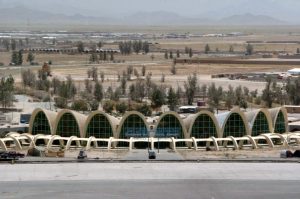
Hamid Karzai International Airport serves Kabul. Flight routes are limited and subject to sudden change. Security screening is extensive. Ground transport from the airport should be pre arranged with trusted contacts, as spontaneous pickups increase risk.

Travel Insurance
Comprehensive travel insurance is essential and may be difficult to obtain for Afghanistan due to high risk classification. Ensure your policy explicitly covers conflict zones, emergency evacuation, and medical repatriation. Never travel here without robust coverage.
Kabul Weather Averages (Temperatures)
Average High/Low Temperature
| Temperature / Month | Jan | Feb | Mar | Apr | May | Jun | Jul | Aug | Sep | Oct | Nov | Dec |
|---|---|---|---|---|---|---|---|---|---|---|---|---|
| High °C |
6 | 8 | 15 | 21 | 27 | 32 | 34 | 33 | 29 | 23 | 16 | 10 |
| Low °C |
-7 | -4 | 1 | 6 | 9 | 12 | 15 | 14 | 9 | 4 | 0 | -3 |
| High °F |
43 | 46 | 59 | 70 | 81 | 90 | 93 | 91 | 84 | 73 | 61 | 50 |
| Low °F |
19 | 25 | 34 | 43 | 48 | 54 | 59 | 57 | 48 | 39 | 32 | 27 |
Afghanistan - Safety by City
| City | Safety Index |
|---|---|
| Balkh | 26 |
| Bamiyan | 25 |
| Faizabad | 23 |
| Ghazni | 21 |
| Herat | 27 |
| Jalalabad | 20 |
| Kabul | 10 |
| Kandahar | 35 |
| Kunduz | 18 |



Groovy
I had a lovely pizza at the beach.Lots of beardie people though. Felt safe enough at the local clubs, though I wasn’t expecting a girl to get stoned to death for forgetting all the moves to Madonas ” Vogue”
Stay away from here!
My brother was stationed there during his service in the army, I know he was a soldier and we are talking about war, but he just didn’t come back the same. I can’t in good conscience recommend anyone go there ever, not after what happened to my brother while there.
I also had a cousin who went once (he’s a journalist), and he said it was very scary being there although he’s an international investigative reporter and really wanted to do this and see Afghanistan, he says working in his line of work not many reporters ever get to go to that part of the world.
Kabul appears to be pretty safe
Kabul appears to be pretty safe these days as long as you keep your head down and do what the authorities ask you. There is a burgeoning music scene although it is mainly in secret underground clubs.
why are you lying
Fascinating place
Cool place if you want to risk your life. Other than that i can’t recommend this destination to the average person. I think afghans from other parts of the world have a good reason to be here.
meh its ok
nice city
I didn’t expect to feel such a mix of awe and tension walking through Kabul’s streets, especially with those stunning historical sites like Bagh-e Babur standing amidst all the chaos.
Walking around Kabul’s tight streets between old sectors to reach places like Bagh-e Babur gave me this strange mix of quiet beauty and constant tension in my chest that I’ve never really shaken off.
How can Kabul feel so alive and tense at once, with the evening call to prayer wrapping the streets in warmth while my stomach still flips every time I pass the checkpoints by the old bazaar?
The thin air at over 5,900 feet really makes the city feel fragile, and watching resilient people keep going in those dramatic landscapes left me humbled and quietly anxious about safety.
After seeing how unpredictable things can get there, do you really think it’s possible to have a trip that feels anything close to safe, even with all the precautions?