


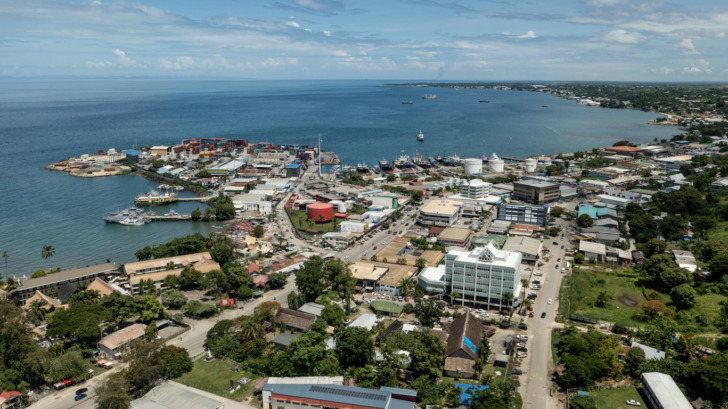
The Solomon Islands sit in the South Pacific, east of Papua New Guinea, scattered across nearly 1,000 islands with turquoise lagoons, jungle-covered interiors, WWII history, and some of the most remote-feeling island scenery you can find.
It is the kind of place that feels adventurous before you even land.
That is part of the appeal, but also part of the challenge.
Travel here is not usually about polished resorts and effortless logistics.
It is more about wild beauty, slower transport, village culture, and a destination that still feels raw in the best and hardest ways.
From Honiara to the diving hubs of Gizo and Munda, the country can be deeply rewarding for travelers who plan carefully, stay alert, and understand that nature, infrastructure, and local conditions all shape the experience in a big way.
Warnings & Dangers in Solomon Islands

OVERALL RISK: MEDIUM
Solomon Islands is not a place I would call unsafe across the board, but it is definitely not carefree travel either. Crime, occasional civil unrest, health concerns, and unexploded WWII ordnance are among the main issues. Most trips are trouble-free with sensible planning, but this is a destination where awareness matters every day.

TRANSPORT & TAXIS RISK: MEDIUM
Transport can be uneven, especially once you leave Honiara. Roads, boats, and inter-island connections are not always smooth or predictable, and mobile coverage can be limited in some areas. Taxis and drivers are useful in the capital, but I would avoid late-night wandering and only use transport arranged through hotels or trusted local contacts when possible.

PICKPOCKETS RISK: MEDIUM
Petty crime is a real concern, especially in Honiara. Pickpocketing is not the only issue, either, since break-ins and theft from vehicles are also reported. Travelers who flash phones, jewelry, or cash make themselves easier targets. I would keep valuables out of sight and assume crowded or poorly lit areas deserve extra caution.

NATURAL DISASTERS RISK: HIGH
This is one of the biggest risk categories. The Solomon Islands face tropical cyclones, earthquakes, tsunamis, flooding, and rough weather, depending on the season. There is also the added issue of unexploded ordnance on land and underwater in some areas. For a destination this beautiful, nature demands a lot of respect here.

MUGGING RISK: MEDIUM
Violent crime against travelers is not the norm, but robberies and assaults do happen, particularly in and around Honiara and in isolated places after dark. The risk climbs when you are alone, away from crowds, or moving around poorly lit areas. I would treat nighttime wandering here as a bad idea unless it is necessary.

TERRORISM RISK: LOW
There is no major pattern of terrorism shaping tourist travel in the Solomon Islands. The more realistic security concern is civil unrest tied to politics, parliament sittings, or periods of uncertainty, especially in Honiara. That means your attention should go more toward demonstrations and local tensions than toward organized terror threats.

SCAMS RISK: MEDIUM
This is not a destination famous for elaborate tourist scams, but overcharging, informal arrangements, and opportunistic theft can happen, especially where systems are less formal. The bigger issue is not classic scam culture so much as limited oversight and inconsistent services. I would confirm prices in advance and keep bookings and transport as straightforward as possible.

WOMEN TRAVELERS RISK: MEDIUM
Women can absolutely travel here, but solo women need to be more careful than in many mainstream island destinations. Women alone in public places can face greater risk, and sexual assault has been reported, including near popular sites and beaches close to Honiara. Extra caution after dark is especially important.

TAP WATER RISK: HIGH
Tap water is not potable in many areas, and even ice can be an issue. Bottled or otherwise verified safe water is the safer move, especially outside better-equipped hotels. This is one risk that is very easy to manage if you stay disciplined.
Safest Places to Visit in Solomon Islands
Gizo
Gizo is one of the better choices for travelers who want beauty without feeling completely cut off.
It is well known for island scenery, diving, snorkeling, and a more tourism-oriented atmosphere than many other parts of the country.
It still requires normal island caution, of course, but for many visitors it feels more manageable and leisure-focused than Honiara.
Munda
Munda is another strong option, especially for divers and travelers interested in WWII history and marine life.
It is smaller and calmer than the capital, which often makes it feel easier to navigate.
For travelers who want activities built around reefs, wrecks, and quieter surroundings, Munda stands out as one of the more appealing bases in the country.
Marovo Lagoon
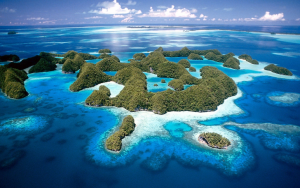
Marovo Lagoon is one of the country’s most extraordinary natural highlights.
It is famous for clear water, reef life, remote eco-style stays, and an atmosphere that feels very far from urban stress.
I would describe it as safer in the sense that it is more about remoteness than street crime, though that same remoteness means you need to prepare well.
Well-Managed Resort and Dive Areas
Across the islands, the safest tourist experiences usually come from staying in established resorts, eco-lodges, and dive operations that arrange transfers and activities for you.
In a destination where transport and local conditions can vary a lot, having a dependable base makes a big difference.
The more structured your trip is, the smoother and safer it usually becomes.
Places to Avoid in Solomon Islands
Parts of Honiara After Dark
If there is one place where I would tell travelers to be most switched on, it is Honiara, especially at night.
The capital has a higher risk of petty crime, break-ins, robbery, and sexual assault than much of the rest of the country.
Poorly lit areas, isolated streets, and casual wandering after dark are the kind of situations I would avoid.
Protest Areas and Political Gatherings
Honiara can also be the center of unrest during elections, parliament sittings, and politically tense periods.
Demonstrations can escalate quickly, and travelers have no reason to be near them.
Even if you are only curious, it is smarter to leave the area immediately and return to your accommodation or another low-profile location.
Isolated Beaches and Quiet Public Areas Near the Capital
Some of the most attractive coastal spots near Honiara can also become higher-risk if you are alone or arrive late in the day.
Robberies, assaults, and sexual assaults have occurred even at popular tourist sites and beaches close to Honiara.
That does not mean never go, but it does mean go with others and in daylight.
Unexploded Ordnance Zones
Some parts of the country carry a very different kind of danger: unexploded WWII weapons.
High-risk areas include Hell’s Point and the ridges behind Honiara, plus the New Georgia group, Russell Islands, and Tulagi Island.
That does not mean all travel there is off-limits, but hiking, diving, or exploring off established routes in these areas needs serious care.
Safety Tips for Traveling to Solomon Islands
- Treat Honiara differently from the rest of the trip. The capital deserves more caution than the beach and dive destinations. Stay aware, do not flash valuables, and avoid walking around casually after dark.
- Do not get close to protests or political crowds. Civil unrest can develop quickly during politically sensitive moments. If you see a gathering forming, leave the area right away instead of stopping to watch.
- Use hotel-arranged transfers when possible. In areas with inconsistent transport, trusted pickups eliminate much of the guesswork. This is especially useful on arrival days and after dark.
- Assume tap water is not for drinking. Drink sealed bottled water or water confirmed safe by your accommodation. Be careful with ice, uncooked food washed in local water, and drinks poured casually from unknown sources.
- Take mosquito protection seriously. Malaria and dengue are widespread, and that alone makes prevention worth the effort. Bring strong repellent, sleep with protection, and wear lightweight long sleeves in mosquito-heavy hours.
- Do not explore random trails, wrecks, or forested areas without local advice. The country still has unexploded ordnance from World War II, and it can be found on land and underwater. That is not the kind of risk you can judge by sight.
- Be extra cautious if you are a solo woman traveler. Choose reputable lodging, avoid isolated areas, and keep nighttime movement limited. Group tours, trusted transfers, and daylight activity planning are the safer formula here.
- Respect the ocean and natural environment. Sharks, crocodiles, storms, rough water, earthquakes, and tsunamis are all part of the real-world risk picture. Ask locals before swimming or boating in unfamiliar places.
- Carry more cash options than you think you need. Cards are more usable in major hotels and larger shops in Honiara, but outside the capital, cash matters a lot more. Limited systems mean backup planning is smart.
- Buy travel insurance that actually matches the trip. This is not a destination where you want weak coverage. Medical care outside Honiara is limited, transport disruptions happen, and diving or remote-island travel raises the stakes even more.
So... How Safe Is Solomon Islands Really?
Solomon Islands is a destination for travelers who are comfortable with a little uncertainty and a lot of preparation.
I would not put it in the same category as an easy resort destination where you can switch your brain off.
The country has genuine safety concerns, especially in Honiara, where crime and unrest risks are notably higher.
At the same time, it is not a place that should automatically be written off for travelers.
The risk is real, but it is uneven rather than constant everywhere.
For me, the practical takeaway is this: most travelers who plan carefully, avoid nightlife-style wandering, manage health risks, and stick to well-run accommodations and tours can have a rewarding trip here.
The biggest threats are usually not dramatic headline-grabbing dangers, but layered, practical ones: petty crime, poor infrastructure, health risks, severe weather, and remoteness.
Solomon Islands can be safe enough for smart travelers, but it is not forgiving of careless travel habits.
How Does Solomon Islands Compare?
| Country | Safety Index |
|---|---|
 Solomon Islands Solomon Islands | 70 |
 Greenland Greenland | 80 |
 Australia Australia | 86 |
 Ghana Ghana | 73 |
 Cameroon Cameroon | 36 |
 Mauritania Mauritania | 35 |
 Guinea-Bissau Guinea-Bissau | 36 |
 France France | 70 |
 North Korea North Korea | 21 |
Useful Information

Visas
Tourist entry is relatively simple for many visitors. Visitor visas on arrival are often limited to 30 days. For longer stays or repeat visits, travelers should check the latest entry requirements with Solomon Islands immigration before departure and make sure their passport has enough validity left.

Currency
The local currency is the Solomon Islands dollar, or SBD. International credit cards are accepted in some major hotels and larger shops in Honiara, but cash is still the main way to pay outside the capital. I would arrive with backup payment methods and avoid assuming card access everywhere.

Weather
Expect a hot, humid tropical climate year-round, with temperatures usually staying warm and fairly steady. The wet season generally runs from November to April, while May to October is drier and often easier for travel. Light clothing works best, but pack rain protection and strong sun protection too.

Airports
Honiara International Airport, also known as Henderson Airport, is the main international gateway and sits near the capital on Guadalcanal. Munda also serves some international and domestic travelers. From Honiara, most visitors continue by hotel transfer, taxi, or domestic flight, depending on which island they are heading to.

Travel Insurance
Travel insurance is something I would consider essential here, not optional. That makes sense given the risks from health issues, natural disasters, flight disruptions, and limited medical capacity outside Honiara. Make sure the policy covers remote travel, medical evacuation, and diving if that is part of your trip.
Solomon Islands Weather Averages (Temperatures)
Average High/Low Temperature
| Temperature / Month | Jan | Feb | Mar | Apr | May | Jun | Jul | Aug | Sep | Oct | Nov | Dec |
|---|---|---|---|---|---|---|---|---|---|---|---|---|
| High °C |
31 | 31 | 31 | 31 | 30 | 30 | 30 | 29 | 31 | 31 | 31 | 31 |
| Low °C |
24 | 24 | 24 | 24 | 24 | 23 | 23 | 23 | 23 | 23 | 24 | 24 |
| High °F |
88 | 88 | 88 | 88 | 86 | 86 | 86 | 84 | 88 | 88 | 88 | 88 |
| Low °F |
75 | 75 | 75 | 75 | 75 | 73 | 73 | 73 | 73 | 73 | 75 | 75 |
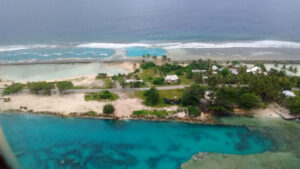
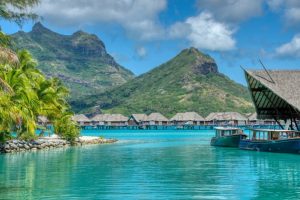
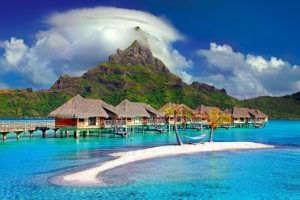












Around Honiara, power cuts are as normal as coconut palms and that insanely blue lagoon still makes me grin even when the ferry’s late and I’m stuck on the dock.
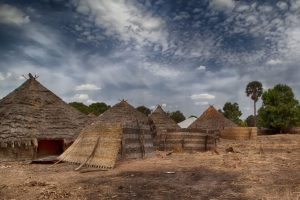
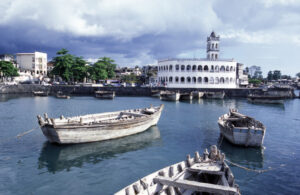
Hopping between islands here felt like stepping into a time capsule where every boat ride brought a fresh mix of excitement and just enough unpredictability to keep things interesting.