


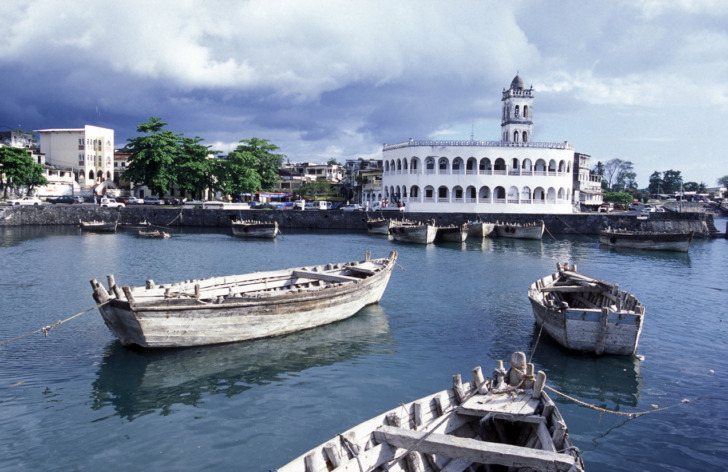
Comoros is one of those places that still feels genuinely off the mainstream travel radar.
This small island nation sits in the Indian Ocean between Mozambique and Madagascar, and it offers a mix of volcanic landscapes, quiet beaches, fragrant ylang ylang plantations, and a culture shaped by African, Arab, and French influences.
It is beautiful, remote, and far less polished than many better-known island destinations.
That rawness is part of the appeal, but it is also part of the challenge.
Traveling in Comoros is not usually about polished resorts, predictable transport, or flawless infrastructure.
It is more for travelers who enjoy going somewhere different and do not mind adapting as they go.
In my view, Comoros can be rewarding and memorable, but it is not a place to approach casually.
A little planning and a lot of common sense make a huge difference here.
Warnings & Dangers in Comoros

OVERALL RISK: MEDIUM
Comoros is not among the world’s most dangerous destinations, but it is not effortless either. Crime against tourists is usually more petty than violent, yet political unrest, limited healthcare, weak infrastructure, and transport issues raise the overall risk level. Most travelers who stay alert, dress respectfully, and plan ahead should be fine, but this is not a place for careless travel.

TRANSPORT & TAXIS RISK: MEDIUM
Transport in Comoros can be unpredictable. Roads are not always in good shape, driving standards can be rough, and public transportation is basic. Taxis are common around Moroni, but you should agree on the fare before getting in and avoid nighttime rides in isolated areas. Inter-island travel can also be affected by weather, schedules, and limited service.

PICKPOCKETS RISK: MEDIUM
Pickpocketing is not the biggest threat in Comoros, but petty theft does happen, especially in busier urban areas and around markets, ports, and transport hubs. Travelers carrying phones, cameras, or cash visibly can attract attention. Keep valuables out of sight, do not flash money, and stay extra alert in crowded places or after dark.

NATURAL DISASTERS RISK: MEDIUM
Comoros faces real natural hazard exposure. The islands are volcanic and lie in a region that can experience tropical storms and cyclones, especially during the wetter months. Heavy rains can also disrupt roads and travel plans. This is not a place where disasters happen daily, but weather and nature should absolutely be taken seriously when planning a trip.

MUGGING RISK: LOW
Violent mugging is not the main concern for most visitors to Comoros. Compared with petty theft or infrastructure issues, the risk is lower. Still, walking alone at night, wandering into poorly lit areas, or carrying expensive gear openly can raise the odds of trouble. Basic street smarts go a long way here, especially in Moroni.

TERRORISM RISK: LOW
There is no strong pattern of regular terrorist attacks affecting tourism in Comoros, so this risk is generally considered low. The more realistic concerns are local unrest, occasional protests, and instability tied to politics rather than organized international terrorism. Travelers should stay informed and avoid demonstrations, especially in the capital, where tensions can flare quickly.

SCAMS RISK: LOW
Scam culture in Comoros does not appear as aggressive or developed as in some heavily touristed destinations. That said, visitors can still encounter inflated taxi fares, vague pricing, or people trying to charge extra for informal services. The best approach is simple: ask prices in advance, keep transactions clear, and be polite but firm when something feels off.

WOMEN TRAVELERS RISK: MEDIUM
Women can visit Comoros safely, but it is a conservative Muslim country, and cultural sensitivity matters a lot. Dressing modestly helps reduce unwanted attention and shows respect for local norms. Solo women travelers may feel more comfortable arranging transport in advance, avoiding isolated areas, and not walking alone late at night. Awareness matters more here than fear.

TAP WATER RISK: HIGH
Bottled or properly filtered water is the safer choice for drinking, brushing your teeth, and making ice. Water systems and sanitation standards can be inconsistent, and a stomach issue is the last thing you want on a remote island trip where medical care is limited.
Safest Places to Visit in Comoros
Moroni and Itsandra
Moroni, the capital, is the easiest base for most travelers and generally the most practical place to begin.
It has the country’s main airport, more guesthouses, easier access to taxis, and enough daily activity that you are not completely isolated.
The medina-like old quarter is interesting to walk through during the day, and the seaside setting gives it a relaxed atmosphere.
Nearby, Itsandra is a smart add-on if you want ocean views and a calmer pace without being far from the capital.
Mohéli
If I were choosing the safest-feeling island experience in Comoros, Mohéli would be high on the list.
It is quieter, more nature-focused, and far less chaotic than the capital area.
Travelers come here for marine life, peaceful villages, and the feeling of being away from crowds.
The island’s appeal is not nightlife or convenience.
It is calm, scenic, and has a slower rhythm that often feels easier to handle.
Mohéli Marine Park
This is one of Comoros’ true highlights.
The protected marine area is known for clear water, rich sea life, and a more eco-focused travel style.
It is a smart place for travelers who want guided activities rather than wandering around without a plan.
Going with local operators or arranged excursions adds another layer of safety and makes the experience much smoother.
Grande Comore’s Natural Sights
On Grande Comore, places like Lac Salé and viewpoints connected to Mount Karthala can be rewarding if visited with a guide or organized transport.
These kinds of nature trips are often safer than improvising your own route because roads, distances, and conditions are not always obvious.
In Comoros, the safest sightseeing is usually the kind that is planned rather than spontaneous.
Places to Avoid in Comoros
Protest Areas in Moroni
The clearest place to avoid is anywhere protests or political gatherings are happening, especially in Moroni.
Demonstrations can appear with little warning and may turn disruptive or violent.
Even if you are only passing through, roads can be blocked, and tensions can rise fast.
If locals mention unrest, change your route immediately and do not stop to watch what is happening.
Isolated Urban Streets After Dark
Moroni is not a city where I would recommend wandering around aimlessly late at night.
Poor lighting, less foot traffic, and limited emergency response can all turn a minor problem into a bigger one.
Streets that feel quiet and harmless during the day can feel very different after dark.
It is better to use arranged transport and stay near known accommodations in the evening.
Remote Beaches Without Backup
Comoros has stunning beaches, but beauty does not always equal safety.
Some remote coastal areas have little oversight, minimal facilities, and limited help if something goes wrong.
Swimming conditions can shift, and theft becomes more of a concern if you leave belongings unattended.
Enjoy remote beaches with company, during daylight, and preferably with local guidance or transport arranged.
Poorly Maintained Rural Roads
Some of the roads outside the main populated areas can be rough, especially in bad weather or after heavy rain.
Limited signage, potholes, vehicle issues, and weak emergency response all make certain routes riskier than they first appear.
Self-driving is not ideal unless you already know the local conditions well.
In most cases, a local driver is the safer choice.
Safety Tips for Traveling to Comoros
- Avoid demonstrations completely. If there is a protest, gathering, or tense political moment, leave the area immediately. Do not stand nearby to observe or take photos. In Comoros, demonstrations can escalate quickly, and road closures can make it harder to get back to your hotel or the airport.
- Dress modestly and respect local customs. Comoros is culturally conservative, and respectful clothing matters. I would pack light, loose clothing that covers shoulders and knees. This is especially important for women, but it helps everyone blend in better and avoid unwanted attention.
- Use bottled water only. Treat safe drinking water as a must, not a suggestion. Use bottled or properly filtered water for drinking, brushing your teeth, and anything else that could upset your stomach. Skip ice unless you are sure it was made from safe water.
- Plan transport before nightfall. Transportation gets trickier after dark. Arrange taxis in advance, confirm your fare before the ride begins, and avoid walking in unfamiliar or poorly lit areas. Daytime movement is simply easier and safer.
- Carry cash carefully. Comoros is not the easiest place for card-dependent travel. Bring enough cash, but split it between secure places rather than carrying everything in one wallet. Keep larger amounts hidden and carry only what you need for the day.
- Do not count on high-level medical care. Basic health issues may be manageable, but serious illness or injury can be a real problem because medical services are limited, especially outside Moroni. Pack medications, a first-aid kit, and anything personal you may need.
- Choose guided nature trips. Volcano hikes, marine excursions, and inter-island activities are better with a trusted guide or organized operator. This reduces the risk of getting stranded, misjudging conditions, or ending up somewhere with no support.
- Keep valuables low-key. Do not display expensive phones, jewelry, or cameras more than necessary. Petty theft is more likely when visitors look distracted or overloaded with visible gear. A simple day bag and a low-profile attitude work well here.
- Watch the weather closely. Tropical rain and seasonal storms can affect roads, boats, and flights. Build flexibility into your schedule and avoid tight connections between islands or onward international travel. In Comoros, delays are not unusual.
- Stay connected with your accommodation. Your hotel or guesthouse can be one of your best safety tools. Staff often know which roads are fine, where protests are happening, when boats are running, and what to avoid that day. Ask questions often and do not assume yesterday’s conditions still apply today.
So... How Safe Is Comoros Really?
Comoros is one of those destinations where the answer depends heavily on what kind of traveler you are.
If you expect easy logistics, polished tourist systems, and strong emergency services, it may feel more stressful than relaxing.
If you are comfortable with limited infrastructure, last-minute adjustments, and a destination that still feels raw and underdeveloped, it can be a fascinating trip.
The country’s current safety profile is best described as manageable but not carefree.
Petty crime is common enough to matter, and spontaneous unrest, especially in Moroni, is one of the biggest red flags.
Road safety is another issue, and healthcare is limited even in the capital, with much thinner support in rural areas.
Natural hazards also deserve respect, particularly during the wet and cyclone-prone part of the year.
What stands out to me is that Comoros is not usually dangerous in the dramatic headline-making sense.
The risk is more practical than sensational.
It comes from transport problems, weak infrastructure, health limitations, and being in the wrong place when local tensions rise.
Travelers who stay alert, move thoughtfully, and keep expectations realistic can absolutely enjoy Comoros.
I would call it a medium-risk destination that rewards cautious, prepared travelers.
How Does Comoros Compare?
| Country | Safety Index |
|---|---|
 Comoros Comoros | 56 |
 Taiwan Taiwan | 73 |
 Ukraine Ukraine | 30 |
 Vanuatu Vanuatu | 70 |
 Sierra Leone Sierra Leone | 50 |
 Ireland Ireland | 83 |
 Kuwait Kuwait | 74 |
 Latvia Latvia | 80 |
 Aruba Aruba | 90 |
Useful Information

Visas
Most tourists need a visa to enter Comoros, and many travelers can get one on arrival. A short-stay visa is commonly available at entry points, and travelers should be ready to pay in cash, often in euros or U.S. dollars. Passport validity and onward travel details should be checked before departure since rules can change.

Currency
The local currency is the Comorian franc, abbreviated as KMF. Cash is very important in Comoros, and you should not assume cards will work everywhere. Exchanging euros is usually straightforward, while U.S. dollars may be less convenient in smaller places. Bring clean notes and handle exchanges through banks, airports, or reputable local services when possible.

Weather
Comoros is warm and tropical year-round, so lightweight clothing works well, but the seasons matter. The wetter, hotter period usually runs from around November to April, while the drier months are generally more comfortable for travel. Pack breathable clothes, sun protection, a light rain layer, and good footwear for uneven roads and village paths.

Airports
The main international gateway is Prince Said Ibrahim International Airport near Moroni on Grande Comore. It is the most common arrival point for foreign visitors and the easiest entry for reaching the capital. From the airport, most travelers continue by taxi or prearranged transfer. Keep arrival timing in mind, especially if you land late in the day.

Travel Insurance
Travel insurance is a must for the Comoros. This is not the kind of destination where you want to gamble on medical costs, delays, or cancellations. Because healthcare is limited and medical evacuation may be necessary for serious emergencies, I would strongly recommend a policy that includes medical treatment, evacuation coverage, and trip interruption protection.
Comoros Weather Averages (Temperatures)
Average High/Low Temperature
| Temperature / Month | Jan | Feb | Mar | Apr | May | Jun | Jul | Aug | Sep | Oct | Nov | Dec |
|---|---|---|---|---|---|---|---|---|---|---|---|---|
| High °C |
32 | 32 | 32 | 32 | 26 | 25 | 24 | 24 | 25 | 26 | 27 | 27 |
| Low °C |
24 | 24 | 24 | 24 | 19 | 18 | 17 | 16 | 17 | 18 | 19 | 20 |
| High °F |
90 | 90 | 90 | 90 | 79 | 77 | 75 | 75 | 77 | 79 | 81 | 81 |
| Low °F |
75 | 75 | 75 | 75 | 66 | 64 | 63 | 61 | 63 | 64 | 66 | 68 |













Did you get that ridiculous hit of ylang ylang that made me drop my bag and just stare at the beach until I missed the last ferry?
I got stuck on a goat-trodden path with no phone signal and the heady ylang ylang scent had me laughing at my own bad planning.
That thick ylang ylang scent at sunrise surprised me and the rocky shore with tiny crab holes had me grinning like an idiot.
Around here the ylang ylang scent clings to your clothes for days and it feels strangely comforting.
So we’re supposed to admire the volcanic coastline and that heavy ylang ylang smell while figuring out unreliable transport on the fly, right?