


 Kazakhstan : Safety by City
Kazakhstan is the world’s largest landlocked country, situated in Central Asia, stretching from the Caspian Sea to the Altai Mountains.
This massive country shares borders with Russia, China, Kyrgyzstan, Uzbekistan, and Turkmenistan.
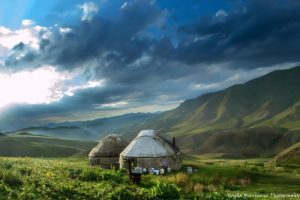
Its vast landscapes include deserts, steppes, mountains, and modern cities that look straight out of a sci-fi film.
Once part of the Silk Road, Kazakhstan has been home to nomadic cultures for centuries.
It became a Soviet republic in the 20th century and gained independence in 1991, rapidly developing its economy through oil, mining, and agriculture.
The mix of Kazakh traditions, Russian influence, and modern global culture makes it distinct in the region.
Tourism is on the rise. In 2024, domestic travel surged to 10.5 million trips, nearly a million more than the year before.
Another 15.3 million foreign visitors showed up.
Whether you’re here for nature, history, or city life, Kazakhstan delivers a scale and variety that few countries can match.
Visitors come for Almaty’s mountains, Astana’s futuristic skyline, the surreal Mangystau landscapes, and cultural sites like Turkestan.
Kazakhstan isn’t just chasing bigger tourism numbers; it’s making the experience better for everyone who comes.
Tour operators now get licensed through a streamlined system, guides carry scannable badges, and hotels, tours, and restaurants can earn official ratings.
If this country hasn’t been on your bucket list, you might change your mind after seeing what’s happening now.
Warnings & Dangers in Kazakhstan

OVERALL RISK: LOW
Kazakhstan is generally safe for travelers, with most visits trouble-free. Petty crime is the main concern in busy urban areas. Common-sense precautions, especially at night and in crowded places, go a long way toward avoiding problems.

TRANSPORT & TAXIS RISK: MEDIUM
Treat this as a medium risk, because there's risk potential in every option. Public transport can be crowded and inconsistent outside major cities. Official taxis and ride-hailing apps are safer than flagging cabs on the street, where overcharging or unlicensed drivers could attempt to scam you. Roads in rural areas may be poorly maintained, and driving habits can be aggressive, so use caution.

PICKPOCKETS RISK: MEDIUM
Pickpocketing is an occasional problem in markets, public transport, and tourist areas, especially in Almaty and Astana. Keep valuables secure and avoid keeping phones or wallets in back pockets. Using a crossbody bag or money belt is smart when moving through crowded spots.

NATURAL DISASTERS RISK: MEDIUM
This is a medium risk, mostly due to the ongoing earthquake potential. Flooding and severe winter storms can also disrupt travel. If hiking or exploring remote areas, be prepared for sudden weather changes and limited emergency services.

MUGGING RISK: LOW
This is a low risk, but not zero. Muggings usually happen late at night, particularly outside bars or nightclubs. Avoid walking alone after dark in unfamiliar neighborhoods.

TERRORISM RISK: MEDIUM
Terrorism in Kazakhstan is possible, but attacks are rare and generally not aimed at tourists. Check travel advisories for updated risk levels, but as of this publication, most use generic wording to describe the concerns.

SCAMS RISK: MEDIUM
Scams targeting tourists are uncommon, but don't let your guard down. Examples include inflated taxi fares, fake police requesting bribes, and overcharging in markets.

WOMEN TRAVELERS RISK: LOW
While the overall risk is low, solo female travelers might face verbal or other forms of harassment. Modest dress is not required, but it can help avoid unwanted attention in rural areas or conservative regions.

TAP WATER RISK: MEDIUM
This is a medium risk, with the United States travel advisory saying that the water isn't always up to the standards you might be used to. Stick with bottled water and assume anything served to you at a restaurant is from tap water unless you specifically ask otherwise.
Safest Places to Visit in Kazakhstan
The official tourism website is kazakhstan.travel.
You’ll want to bookmark the “Tourist Information” header as there’s a wealth of updated information there.
Kazakhstan is huge, so it makes sense to think about it by region.
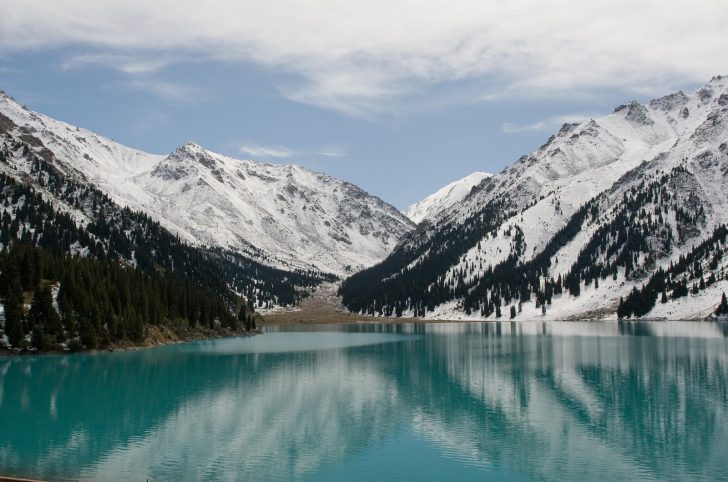
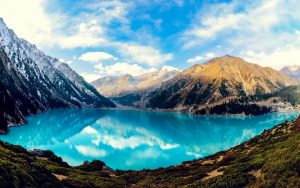
In the south, Almaty is the main draw with the Central State Museum, Green Bazaar, and easy access to the mountains for hiking, skiing, and Big Almaty Lake.
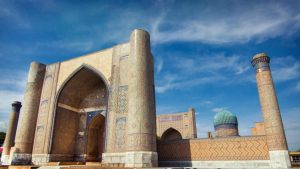
Nearby, the Charyn Canyon offers dramatic rock formations, and Turkestan’s mausoleums give a deep look into Silk Road history.
Central Kazakhstan includes Astana (Nursultan), the modern capital with its futuristic architecture like Bayterek Tower and Khan Shatyr.
Burabay National Park, with its lakes and pine forests, is a popular getaway from the city.
In the west, Aktau sits on the Caspian Sea and is the base for visiting the Mangystau region’s otherworldly landscapes like Boszhira Valley and underground mosques.
Atyrau, straddling Europe and Asia, is a hub for oil but also a cultural stop.
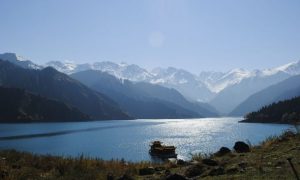
The east is home to the Altai Mountains, Lake Markakol, and the city of Oskemen, known for its blend of Russian and Kazakh heritage.
Closer to Semey, history buffs can visit sites tied to Kazakhstan’s Soviet-era nuclear testing.
Northern Kazakhstan features Petropavl and Kokshetau, with parks, lakes, and wildlife viewing.
This area is less visited by foreign tourists but offers a quieter, more rural experience.
Places to Avoid in Kazakhstan
While Kazakhstan is generally safe, some areas deserve extra caution.
In Almaty, Astana, and Atyrau, there have been incidents involving tourists outside bars and nightclubs late at night, often linked to fights or petty crime.
Stick to well-lit, busy areas and avoid walking alone after dark.
Residential areas known to house foreigners have occasionally been targeted for burglary, so secure your lodging and avoid advertising where you’re staying.
Urban centers are also seeing a rise in synthetic drug use and trafficking.
While tourists are rarely caught up in this directly, the trade can fuel street crime and occasional violence in certain nightlife spots.
Steer clear of anyone offering drugs and avoid neighborhoods known for dealing.
Safety Tips for Traveling to Kazakhstan
- Police in Kazakhstan are called “politsiya.” In an emergency, dial 102 for police, 103 for an ambulance, and 101 for the fire department. Operators may not speak English, so having your location written in Russian or Kazakh helps. Keep these numbers saved in your phone and know your hotel’s front desk can often assist with calling.
- Kazakhstan’s official Safe Travel website (safetravel.kz) provides real-time safety alerts, travel tips, and guidance for visitors. The site is available in multiple languages and is a solid resource for up-to-date information on everything from road closures to weather warnings.
- While most officers are legitimate, scams involving fake police do happen. Real officers carry official ID cards with their name, badge number, and photo. If you’re stopped, politely request to see their credentials and note the number. You can also call 102 to verify if the officer is legitimate before handing over documents or money.
- To receive emergency alerts for disasters or major events, download the Safe Travel app from safetravel.kz or enable local emergency notifications on your phone. Alerts can include severe weather, earthquakes, or civil disruptions. If you’re in a rural area with limited cell coverage, check in with local officials or hotels for updates.
- Foreign nationals can drive in Kazakhstan with a valid international driving permit (IDP) along with their home country license. Carry both at all times. Seat belts are mandatory, and headlights must be on during the day outside city limits. If staying long-term, you may need to convert your license to a Kazakh one.
- Kazakh is the official state language, and Russian is widely used, especially in cities. English is limited outside major hotels, tourist sites, and younger urban populations. A translation app, phrasebook, or hiring a guide can make travel smoother. Learning basic greetings and numbers in Kazakh or Russian goes a long way.
- Kazakhstan requires foreign nationals to carry their passports at all times. Police may conduct random checks, and failure to present ID can lead to fines or detainment. A photocopy is not enough. Keep your passport secure but accessible, and avoid leaving it in your hotel unless you’re certain it’s in a locked safe.
- Kazakhstan has zero tolerance for drinking and driving. Even small amounts of alcohol can lead to arrest, heavy fines, or license suspension. Drug laws are strict, with possession of even minor amounts resulting in long prison sentences. Avoid carrying any substance that could be mistaken for a drug.
- Missionary work or religious activity requires registration with the Local Executive Authority (Akimat) where it takes place. Importing religious literature is restricted. Violations can lead to fines or deportation. Even non-religious activities by faith-based groups may require registration.
- Same-sex relations are legal in Kazakhstan, but public attitudes remain conservative. LGB events can face disruption from authorities or the public, and harassment does occur. Open displays of affection may draw unwanted attention. Travelers should be aware of the social climate and take precautions when attending or organizing events.
So... How Safe Is Kazakhstan Really?
The travel advisories issued by the United States, the United Kingdom, and Canada all say that basic travel security precautions are needed while visiting.
In fact, the U.S. and Canada give Kazakhstan the lowest risk level possible (Level 1).
While petty crime and other risks are always going to be a concern in a travel destination, the risks here can be minimized with common sense and situational awareness.
With tourism growing in Kazakhstan, you can also expect to have more efforts made to not only keep travelers safe, but also show them a great time so they can share information with others.
Tour guides are also going through more rigorous testing and certifications, meaning using vetted guides will help keep the trip that much safer.
If you’re asking what the catch is, that might come from the lack of infrastructure to support this burgeoning tourism industry.
“Tourism development in the regions is often constrained by less visible but critically important infrastructure barriers.
These include poor access roads, limited availability of sanitation and utility services, unstable mobile connectivity, lack of internet and Wi-Fi coverage, and the inability to make cashless payments,” Kazakh Tourism said in a statement.
Also, the Safe Travel website I talked about earlier is a great step toward making people feel comfortable visiting a place that isn’t traditionally on their radar.
How Does Kazakhstan Compare?
| Country | Safety Index |
|---|---|
| Kazakhstan | 72 |
 Luxembourg Luxembourg | 74 |
 Somalia Somalia | 16 |
 Ethiopia Ethiopia | 41 |
 Maldives Maldives | 46 |
 Benin Benin | 45 |
 Pakistan Pakistan | 26 |
 Malta Malta | 78 |
 Puerto Rico Puerto Rico | 48 |
Useful Information

Visas
Most visitors need a visa for Kazakhstan, but citizens of some countries get short-term visa-free entry. Check requirements before booking. Apply online or through a consulate. Rules can change quickly, so confirm the latest details from official sources to avoid surprises at the border.

Currency
Kazakhstan uses the tenge (KZT). ATMs are common in cities, but rural areas may be cash-only. Card payments are widely accepted, though carrying some tenge is smart. Exchange money at banks or official kiosks for the best rates. Avoid street exchanges to steer clear of scams.

Weather
Kazakhstan’s climate swings from freezing winters to scorching summers. Pack for extremes, especially if visiting both north and south. Spring and autumn offer milder conditions, but sudden weather shifts are normal. Check forecasts before you go and plan clothing layers you can adjust throughout the day.

Airports
The main gateways are Almaty International Airport and Nursultan Nazarbayev International Airport. Both handle long-haul flights and regional connections.

Travel Insurance
Travel insurance is essential in Kazakhstan, especially for medical coverage. Healthcare quality can vary, and rural areas may have limited facilities. Choose a policy that covers evacuation if needed. Keep copies of your policy details and emergency contacts so you can act quickly in case of trouble.
Kazakhstan Weather Averages (Temperatures)
Average High/Low Temperature
| Temperature / Month | Jan | Feb | Mar | Apr | May | Jun | Jul | Aug | Sep | Oct | Nov | Dec |
|---|---|---|---|---|---|---|---|---|---|---|---|---|
| High °C |
-4 | -2 | 6 | 15 | 21 | 25 | 26 | 27 | 20 | 16 | 4 | -2 |
| Low °C |
-15 | -12 | -4 | 5 | 12 | 18 | 20 | 17 | 10 | 4 | -4 | -10 |
| High °F |
25 | 28 | 43 | 59 | 70 | 77 | 79 | 81 | 68 | 61 | 39 | 28 |
| Low °F |
5 | 10 | 25 | 41 | 54 | 64 | 68 | 63 | 50 | 39 | 25 | 14 |
Kazakhstan - Safety by City
| City | Safety Index |
|---|---|
| Almaty | 29 |






I was safe in the country with my family
Greatest country in the world.
Relatively safe, I will travel to Kazakhstan in the future
This travel safety overview of Kazakhstan mixed practical guidance with honest cations vibrant cities, low violent crime, and friendly locals are a plus, but petty theft, night time risks, and taxi scams call for common sense vigilance. It made me feel curios about Kazakh culture and landscape, yet prepared rather than naive about local realities.
You really have to see the mountains around Almaty to believe it; they look like something out of a dream, and the vibe there is just so chill.
I used to think of Kazakhstan as just endless steppe, but standing in Almaty with the mountains right there and then later walking around Astana at night with all those lit up futuristic buildings felt like bouncing between two different worlds in the same trip.
I stood in Almaty’s foothills at sunrise and felt the city noise fall away, but with tour buses and shiny new hotels everywhere I can’t help feeling the quiet spots are already getting eaten up.
Walking through Almaty’s markets and then looking up at Astana’s futuristic skyline still makes me grin like an idiot, and those scannable guide badges actually calmed my travel nerves.
Sure, because what I really needed was more tourists crowding the breathtaking hikes around Almaty while I’m trying to enjoy some peace.