


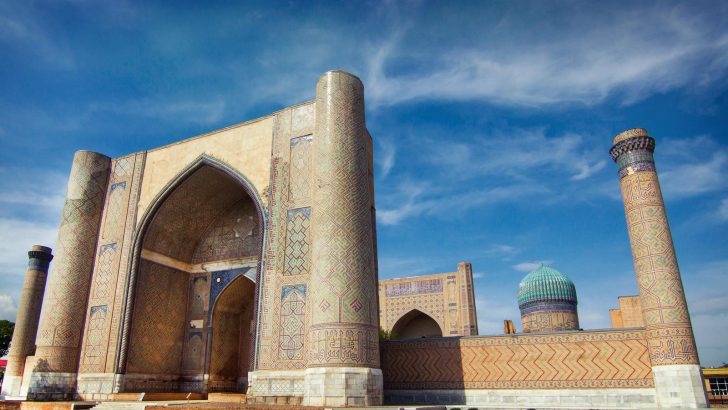
Uzbekistan is one of the fastest-growing tourist destinations in the world, and the momentum is hard to miss.
Sitting in the heart of Central Asia, it feels like a geographic crossroads where Europe, the Middle East, and Asia quietly collide.
Bordered by Kazakhstan, Kyrgyzstan, Tajikistan, Afghanistan, and Turkmenistan, the country occupies a strategic patch of land that once anchored the Silk Road and still shapes regional politics today.
Its history is dense and dramatic.
Ancient empires, Mongol invasions, Islamic scholarship, Russian expansion, and Soviet rule all left their marks.
Since its independence in 1991, Uzbekistan has navigated political reform, border disputes, and shifting regional alliances, particularly with Tajikistan and Kyrgyzstan, where water rights and boundary lines still create friction.
Visitor numbers have climbed well beyond pre-pandemic levels, turning once-quiet historic cities into global travel talking points.
Nearly 12 million people visited in 2025, far surpassing the goal of 10 million.
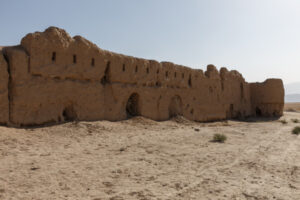
What draws people here is a rare mix: Silk Road architecture, intricate tilework, bustling bazaars, desert fortresses, mountain villages, and food that quietly ranks among the world’s most underrated.
Uzbekistan feels both ancient and newly open, where centuries-old traditions coexist with modern rail lines and fast-changing cities.
It is approachable, affordable, and culturally rich, offering travelers a deep sense of place without the crowds or price tags found elsewhere.
Warnings & Dangers in Uzbekistan

OVERALL RISK: LOW
There's a low risk in Uzbekistan, and after researching it, it's clear to see why it's one of the fastest-growing tourist destinations in the world.

TRANSPORT & TAXIS RISK: MEDIUM
Transportation is tricky in Uzbekistan, and that's why we're giving this a medium risk. Licensed and unregistered taxis are hard to distinguish. Stick with rideshare options for a safe trip. Locally scheduled buses can be suffocatingly hot and in poor condition. However, the rail network is considered safe. Just be sure you know the route and have the right paperwork, as some routes cross international borders.

PICKPOCKETS RISK: MEDIUM
Treat this as a medium risk, especially after dark, but use that risk level to simply use extra precautions. Tashkent, Bukhara, Samarkand, and Ferghana are known for higher incidents of petty theft at night.

NATURAL DISASTERS RISK: MEDIUM
Uzbekistan faces medium natural disaster risks, mainly earthquakes, extreme heat, drought, and occasional flooding. The country sits in an active seismic zone, especially around Tashkent and the Fergana Valley. Summers bring intense heat, while water shortages and desert conditions increase drought risk. Spring rains can cause localized flooding and landslides.

MUGGING RISK: LOW
This is a low risk, as violent crime against tourists is rare. Use the same precautions as you would in any new location after dark; don't travel alone, stick with groups, and only walk in well-lit areas.

TERRORISM RISK: MEDIUM
Treat this as a medium risk, mostly because of the tensions with neighboring countries, and tourist destinations can often be targets. Standard vigilance goes a long way here.

SCAMS RISK: LOW
The risk is low, but keep it that way by using the tour operator license registry search function on the tourism website to find the best options.

WOMEN TRAVELERS RISK: MEDIUM
We're giving this a medium risk, and I encourage all female travelers to read the travel advisories, as they go into more detail about the risks. Catcalling and harassment are common, especially for solo travelers. The U.S. embassy says that women should not use private cars as taxis for safety reasons.

TAP WATER RISK: LOW
Tap water in Uzbekistan is not considered safe for drinking, even in major cities. Treatment standards vary, aging infrastructure increases contamination risk, and water quality can change seasonally. Travelers should use sealed bottled water for drinking and brushing teeth, avoid ice from unknown sources, and be cautious with raw produce washed in tap water.
Safest Places to Visit in Uzbekistan
The official tourism website run by the government is uzbekistan.travel.
For more practical information, check out the FAQ section.
I do want to note that before you can fully access Uzbekistan’s official tourism website, you’re required to accept a user agreement that isn’t available in English.
Clicking “accept” means you’re agreeing to legal terms written under Uzbekistan’s civil law, including how the site’s content can be used and how your data may be handled.
I read it in English by using Google Translate.
Most itineraries follow the Silk Road corridor, where cities rose, fell, and rose again on the flow of ancient trade.
Tashkent, the capital, blends Soviet-era design with modern development, leafy parks, and one of Central Asia’s most striking metro systems.
Museums, bazaars, and emerging dining scenes give it an energetic, contemporary feel.
Samarkand anchors the country’s historical identity, home to Registan Square, Shah-i-Zinda, Gur-e-Amir Mausoleum, and massive madrassas that define Silk Road grandeur.
Nearby Shakhrisabz, the birthplace of Tamerlane, adds palace ruins and UNESCO-listed architecture.
Bukhara feels like an open-air museum, with labyrinthine streets, centuries-old mosques, caravanserais, trading domes, and fortresses that showcase Islamic scholarship and craftsmanship.
Khiva, inside the walled city of Itchan Kala, compresses minarets, tiled facades, and royal compounds into one stunning historic district.
Beyond the classics, the Fergana Valley offers silk workshops, pottery centers, and agricultural landscapes.
Nukus houses the world-famous Savitsky Museum, known for its avant-garde art collection.
Desert fortresses near Khorezm, mountain villages in Nuratau, and lakes like Aydarkul expand the experience beyond city walls.
Places to Avoid in Uzbekistan
Uzbekistan does not have broad no-go zones for travelers, but that does not mean every area is automatically accessible.
Most tourist destinations are open, and major cities feel safe, but standard precautions still matter, especially in crowded markets, transit hubs, and popular landmarks where pickpocketing and petty theft occur.
Cultural awareness is equally important.
Uzbekistan is socially conservative, particularly outside major cities.
Dress modestly near mosques, avoid loud or disruptive behavior, and follow local customs around prayer times and religious holidays.
Some regions do require special permission.
Travel to certain tourist areas, including parts of the Surkhandarya region near the Afghan border, requires authorization from the Ministry of Internal Affairs.
Check with an Uzbek embassy, consulate, or reputable local tour agency to confirm whether permits are required.
Finally, the border with Kyrgyzstan can be closed without notice.
Safety Tips for Traveling to Uzbekistan
- Emergency numbers in Uzbekistan are 102 for the police, 103 for an ambulance, and 101 for the fire services. Operators rarely speak English, especially outside Tashkent. Hotels and tour operators can help communicate during emergencies. Save numbers offline and carry your hotel address written in Uzbek or Russian to avoid confusion during urgent situations. You should also know there’s a hotline for tourists; the Unified Safe Tourism Call Center can be reached by dialing 1173 within the country.
- Uzbekistan does not operate a public emergency alert system for travelers. News about weather events, demonstrations, or disruptions usually comes through local media, hotels, or embassy notifications. Register with your embassy before arrival and rely on accommodation staff for real-time updates, especially during extreme heat, winter storms, or regional travel disruptions.
- Foreigners must carry an international driving permit and local insurance to drive legally. In practice, road conditions, unpredictable driving habits, frequent checkpoints, and inconsistent enforcement make self-driving stressful. Most travelers rely on trains, domestic flights, or hired drivers. Public transport and private transfers are safer and far easier to manage.
- No vaccines are required for entry, but hepatitis A, hepatitis B, typhoid, and routine immunizations are recommended. Medical facilities vary widely outside major cities. Travelers with chronic conditions should bring sufficient medications and supplies. However, you should check the list of approved medications, as some painkillers might not be allowed.
- Uzbek is the official language, with Russian widely spoken in cities and business settings. English is limited outside hotels, tour agencies, and airports. Learning basic phrases or using translation apps helps, especially when navigating transportation, markets, and government offices.
- Sexual relations between men are illegal and punishable by imprisonment. Same-sex relationships are highly stigmatized socially, and there are no visible LGBTQ+ organizations. Enforcement can be selective, but risks include questioning, harassment, and detention. Discretion, privacy, and cultural awareness are essential for personal safety.
- Air pollution is a serious issue in major cities, particularly during the winter heating season and summer smog periods. Fine particulate matter can reach unhealthy levels. Travelers with asthma, heart disease, or respiratory sensitivities should monitor air quality reports, limit outdoor exertion, and consult a doctor before traveling if needed.
- Tea is central to social life. In traditional chaikhanas, expect small bowls rather than mugs, and don’t rush. Accepting tea is polite; refusing can feel awkward. Shoes may come off in seating areas, and lingering is normal. It’s about conversation and hospitality, not speed or caffeine intake.
- Police may request identification during routine checks. Carry your passport or a clear photocopy at all times, along with visa documentation if applicable. Hotels usually register your stay, but random checks still happen, especially near transport hubs and government buildings.
- Always ask permission before photographing people, especially in rural areas, markets, or religious spaces. Avoid photographing police, military personnel, government buildings, and border areas. Unauthorized photography can lead to questioning, deletion of images, or equipment confiscation.
So... How Safe Is Uzbekistan Really?
Uzbekistan is one of the safer Central Asian countries to visit, according to the travel advisories from the United States, the United Kingdom, and Canada.
These countries rank travel risks on a four-tiered rating scale, with Level 1 being the lowest and Level 4 being the highest.
Uzbekistan falls solidly in Level 1: Use Standard Precautions.
It’s worth noting again that the United Kingdom and Canada list the border with Afghanistan at Level 4: Do Not Travel.
Aside from the specifics we’ve mentioned in this article, most travel advisories are relatively boilerplate.
You should always read the most up-to-date versions before you book a trip.
The remaining risks are the ones you can control, such as vetting tour guides and using common sense when planning adventure activities.
How Does Uzbekistan Compare?
| Country | Safety Index |
|---|---|
 Uzbekistan Uzbekistan | 40 |
 Equatorial Guinea Equatorial Guinea | 48 |
 Denmark Denmark | 94 |
 Estonia Estonia | 82 |
 Italy Italy | 77 |
 Curacao Curacao | 80 |
 Eritrea Eritrea | 32 |
 Tanzania Tanzania | 59 |
 Saudi Arabia Saudi Arabia | 46 |
Useful Information

Visas
Citizens from dozens of countries, including the U.S., Canada, UK, EU, and Australia, can enter visa-free for short stays. Others can apply for an easy online e-visa. Entry rules are straightforward, but overstay penalties are strict, so keep an eye on your exit date.

Currency
Uzbekistan uses the Uzbek som (UZS), and cash still dominates daily life. ATMs are more common than they used to be, but they are not always reliable, especially outside major cities. Credit cards work in higher-end hotels and restaurants. Carry small bills, expect frequent cash payments, and plan ahead for currency access.

Weather
Uzbekistan swings hard between seasons. Summers are hot, dry, and intense, often topping 100°F, while winters bring freezing temperatures and snow. Spring and fall deliver the most comfortable conditions, with mild days and fewer crowds. If timing matters, aim for April to May or September to October.

Airports
Tashkent International Airport is the main gateway, with modern facilities and growing international connections. Samarkand, Bukhara, and Urgench also handle international and regional flights. Domestic air travel is improving, but high-speed trains are often faster, easier, and more comfortable for moving between major tourist cities.

Travel Insurance
Travel insurance is strongly recommended. Medical facilities are improving in major cities but remain limited in rural areas. Coverage should include hospitalization, evacuation, and trip interruption. Transportation delays, missed connections, and health emergencies are realistic scenarios, making solid insurance a smart investment rather than a luxury.
Uzbekistan Weather Averages (Temperatures)
Average High/Low Temperature
| Temperature / Month | Jan | Feb | Mar | Apr | May | Jun | Jul | Aug | Sep | Oct | Nov | Dec |
|---|---|---|---|---|---|---|---|---|---|---|---|---|
| High °C |
7 | 9 | 15 | 22 | 28 | 33 | 36 | 34 | 29 | 21 | 14 | 8 |
| Low °C |
-2 | -1 | 4 | 9 | 14 | 17 | 20 | 18 | 13 | 7 | 3 | -1 |
| High °F |
45 | 48 | 59 | 72 | 82 | 91 | 97 | 93 | 84 | 70 | 57 | 46 |
| Low °F |
28 | 30 | 39 | 48 | 57 | 63 | 68 | 64 | 55 | 45 | 37 | 30 |












Hi admin. this things is not true. For example Mugs there are not any mugs and for women it is completely safe at night to walk alone. Even at night at 3 A.M. Uzbekistan is fully safe.
yes it’s a very safe country, I stay there in Tashkent and Namangan went around many places day and night don’t speak their language, people are friendly.
Uzbekistan is a safe place
Where does your data come from? Uzbekistan is as safe as Scandinavian countries for travelers. I have been there several times all around the country and I have witness instances in which common people go out of their way to return forgotten belongings, never seen catcalling or women being harassed, let alone travelers scammed or robbed. It’s a safe place and people are friendly and respectful.
The roads, in particular between Tashkent and Bukhara are not well maintained. The drivers on the highways drive recklessly. Regarding pick-pockets, this is simply not true. There is a strong police presence, in Bukhara, particularly around the tourist areas. There is some price gouging, especially if the local merchants determine that one is a foreigner. I’ve never witnessed any women being harassed but everyone should always take precautions when traveling alone at night. Overall, Uzbekistan is one of the safest countries I’ve visited.
Very safe country!
I just came back from a trip as a solo female traveller. Uzbekistan felt very, very safe. At no point, even in the capital, I felt unsafe. I asked the owner of the guesthouse where I was staying if it was okay to use the metro in the evening. He said it was definitely safe and it was!
Also I never encountered any harassement against me as a woman.
I think it’s one of the safest countries you can go to.
It a good country generally.
Very safe and friendly
I am reading about many countries over this website and surprised from where data is taken. I travelled Tashkent in February 2023 . It’s a good city very safe and very nice , friendly and welcoming people there. I never felt any issue during my tour . Taxi drivers are very very polite and welcoming.I was surprised to see hospitality of the locals. My friend is living in Tashkent who have lived in USA and many other countries but now he choose to Uzbekistan due to safety , climate, welcoming and friendly locals
The locals customs tips especially helped me feel prepared, and I appreciated the straightforward take on what American s should watch for while exploring Central Asia.
Stumbling through those ancient cities feels like stepping into a living history book, and the mix of vibrant bazaars with stunning tilework is just mesmerizing.
The Registan’s tilework still makes my chest ache in the best way, and a steaming bowl of plov from a roadside stall puts me right back into that slow, contented groove.
I still get a bit giddy staring up at the intricate tilework while the bazaars hum nearby, even if my neck complains from all the looking around.
I didn’t expect the food here to blow me away like it did, especially all those spices that just hit the spot perfectly.
How on Earth can Uzbekistan have a Safety Rating of 40, while Colombia is 52. 🤣