


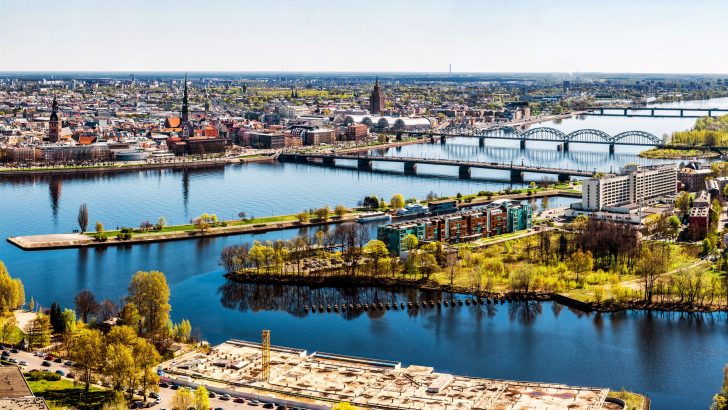
 Latvia : Safety by City
Latvia may not cover much ground on a map, but it has always been a meeting point for bigger forces.
Positioned along the Baltic Sea, between Estonia and Lithuania, the country has been shaped by centuries of shifting rulers before reclaiming independence in 1991.
That layered history is still felt today, honoring old traditions while still giving a modern European identity.
In 2024, around 2.4 million people came to experience what makes Latvia stand out.
Visitors are drawn by its mix of cultural heritage, natural landscapes, and coastal charm.
Here’s a quick breakdown of the regions:
- Riga and Surrounding Area – The capital region is the cultural and economic hub, blending historic architecture with modern energy.
- Kurzeme (Western Latvia) – Known for its coastlines, fishing traditions, and cultural festivals.
- Vidzeme (Northeast Latvia) – Forests, hills, and a strong sense of Latvia’s natural heritage.
- Latgale (Eastern Latvia) – A land of lakes and deep cultural traditions, distinct from the rest of the country.
- Zemgale (Southern Latvia) – Often called the breadbasket, marked by fertile plains and historical estates.
Travelers often find Latvia appealing because it feels both accessible and undiscovered.
It offers a clear sense of place without being overwhelming, balancing history, nature, and culture in a way that gives people plenty of reasons to return.
Warnings & Dangers in Latvia

OVERALL RISK: LOW
This is an overall low-risk destination, but we need to talk through the fine print of travel advisories to uncover risks that require a lot of common sense and situational awareness.

TRANSPORT & TAXIS RISK: LOW
The risk is low, but let's get into the specifics. Public transportation is available, but you're encouraged to use official taxis to get around for the safest experience. Renting a car is an option, but you should know that Latvia has a high accident rate. In fact, it's one of the highest in Europe. Bicyclists and pedestrians need to wear reflectors after dark.

PICKPOCKETS RISK: MEDIUM
This is a medium risk and one of the top concerns when visiting Latvia. Foreigners can be targeted for petty theft, especially in busy tourist areas and at train/bus stations. The risk goes up after dark.

NATURAL DISASTERS RISK: LOW
Natural disaster risks in Latvia are generally low, which adds to its appeal as a safe travel destination. The country is not prone to earthquakes, hurricanes, or major floods. Seasonal storms and heavy snowfall in winter can disrupt travel, and occasional flooding may affect rural areas. Overall, the risk is minimal, with most issues being temporary and well-managed.

MUGGING RISK: LOW
Mugging is a low risk, as are most violent crimes. However, don't let that give you a false sense of safety. The higher risks happen after dark or in places where nightlife and alcohol are prominent.

TERRORISM RISK: LOW
The standard terrorism advisories are issued here, since incidents can happen anywhere in Europe. The risk is still low, but you should read the latest advisories to see if threats become more specific.

SCAMS RISK: MEDIUM
Visitors may encounter overpriced taxis, misleading exchange rates, or petty tourist traps in busy areas. Online rental scams also occasionally target travelers booking accommodation. We're giving this a medium risk since these scam attempts are all too common.

WOMEN TRAVELERS RISK: LOW
Latvia is generally safe for women, but use extra caution at night and/or if you've been drinking. The U.S. advisory notes that there have been reports of women being drugged and sexually assaulted. While it's not enough of a risk to re-think plans, stick to groups, and don't take drinks from strangers.

TAP WATER RISK: LOW
Tap water in Latvia is considered safe to drink, with Riga and other major cities providing high-quality treated water. Many locals drink straight from the tap without concern. In rural areas, the taste may differ due to natural minerals, but safety remains high.
Safest Places to Visit in Latvia
The official tourism website is latvia.travel/en, and the Investment and Development Agency of Latvia runs it.
Use the Trip Planner section to build an itinerary for your trip.
Riga tops most itineraries with its medieval old town, striking Art Nouveau buildings, and lively central market.
Beyond the capital, Latvia opens up into regions filled with natural beauty and cultural landmarks worth the journey.
Nature lovers often head to Gauja National Park, a vast area of forests, rivers, and castles that’s perfect for hiking or exploring small towns.
Jūrmala, a short ride from Riga, has long sandy beaches and spa traditions, making it a favorite for relaxation.
Inland, Cēsis and Sigulda are towns that combine history with access to scenic landscapes.
The western region of Kurzeme is full of charm, from the wind-swept Baltic coastline to coastal towns with strong cultural ties.
In the south, Zemgale showcases historic manor houses and wide open plains.
Latgale in the east is a land of lakes and unique traditions, offering a different cultural flavor from the rest of Latvia.
Vidzeme, with its rolling hills and dense forests, is another area that blends nature with heritage.
For those interested in smaller gems, Latvia also has open-air museums, folk festivals, and architectural sites scattered across the countryside.
The mix of beaches, forests, lakes, and historic towns ensures there’s something for every type of traveler.
Places to Avoid in Latvia
While there aren’t any places in Latvia with elevated travel advisory levels, there’s a consistency between all the countries that offer guidance: avoid being out at night alone.
From a higher risk of petty theft to drug-tainted alcohol to criminals who might target foreigners, nighttime brings the biggest risks.
Avoid being out at night, especially alone, in Latvia.
That’s especially true in Riga’s Old Town and Central Market.
Also, avoid using ATMs at night.
Even during the daytime, only use these machines inside banks or vetted businesses.
Safety Tips for Traveling to Latvia
- Latvia’s police are professional and generally approachable, with patrols in cities and towns. In any emergency, dial 112, the EU-wide number that connects you to police, fire, or medical services. You don’t need to remember separate hotlines, since operators will direct your call.
- Latvia uses SMS and broadcast systems to send emergency alerts for things like natural disasters or serious incidents. Phones registered on Latvian networks automatically receive these messages. If you’re visiting short-term, it’s smart to check with your provider about roaming coverage.
- Foreign visitors can drive in Latvia with a valid license from their home country. If your license isn’t in a European language, bring an International Driving Permit as a backup. Cars must carry safety gear like reflective vests and warning triangles, which are legally required.
- There are no special vaccination requirements for Latvia beyond standard routine shots. However, health officials recommend vaccines like tetanus and hepatitis A for general travel. Tick-borne encephalitis is present in rural and forested areas, so a vaccination is worth considering if you’ll be hiking or camping extensively.
- Latvian is the official language, but English is widely spoken, especially among younger people and in tourist-facing businesses. Russian is also common in some communities. You’ll get by easily with English, but learning a few Latvian words, like “paldies” (thank you), goes a long way.
- Latvia is conservative in many areas, and credible groups report ongoing intolerance and underreporting of incidents against LGBTQ+ individuals. While Riga has a growing Pride presence and supportive communities, outside major cities, public displays of affection may draw unwanted attention. Discretion is often advised.
- Be cautious if strangers invite you to bars or clubs, especially in nightlife districts. This tactic often leads to inflated bills for drinks or “special service charges” that aren’t optional. Stick to venues you research ahead of time, and never feel pressured to follow new acquaintances into unfamiliar spots.
- Latvian banks and exchange counters can be picky with U.S. dollars. Notes with tears, marks, or even minor pen strokes are often refused or incur added processing fees. To avoid frustration, bring newer, crisp bills if you plan to exchange cash.
- Sauna culture is strong in Latvia, and it’s about relaxation, not rushing. Traditionally, people go in without swimsuits, though a towel or sheet is acceptable for visitors who aren’t comfortable. If you’re invited to join locals, follow their lead and pace yourself with breaks between steam sessions. Drinking water or tea is normal, but alcohol isn’t part of the tradition.
- Latvia regained independence from the Soviet Union in 1991, and the subject remains sensitive. Many Latvians have painful memories tied to the occupation, so avoid casual jokes or sweeping statements. If the topic comes up, listen respectfully rather than leading the discussion.
So... How Safe Is Latvia Really?
Latvia is officially pegged by both the U.S. and Canadian governments at the lowest risk level.
The U.S. Travel Advisory gives it a Level 1, meaning “Exercise normal precautions.”
Canada’s advisory falls in line, assigning a “low” threat level on its four-step scale.
That said, “lowest-risk” doesn’t mean “zero-risk.”
In the fine print: petty crimes like pickpocketing or scams are too common in crowded tourist spots.
In fact, you’ll probably see a lot of information online about Latvia being a hotspot for thieves and scammers.
One of the more hidden risks comes from a warning issued by the Latvia Defence Intelligence and Security Service.
This involved Russian spies masking themselves as tourists.
While that risk is mostly expected to target “socially significant individuals,” it’s wise to keep your guard up when you meet new people.
If you come across anyone suspicious, like a remote campsite where the camper seems to have no interest in the outdoors, report them to the State Police.
What it comes down to: Latvia is genuinely safe.
But anyone treating the “lowest risk” sticker as immunity does so at their own peril.
A little street smarts and preparation go a long way in keeping things smooth.
How Does Latvia Compare?
| Country | Safety Index |
|---|---|
| Latvia | 80 |
 Palau Palau | 80 |
 Thailand Thailand | 48 |
 Croatia Croatia | 83 |
 Brunei Brunei | 80 |
 Ghana Ghana | 73 |
 Tuvalu Tuvalu | 89 |
 Uzbekistan Uzbekistan | 40 |
 Republic of the Congo Republic of the Congo | 54 |
Useful Information

Visas
Latvia is part of the Schengen Zone, which means U.S., Canadian, and many other travelers can visit visa-free for up to 90 days in 180 days. Longer stays require applying for a residence permit or visa in advance. Always check the latest entry requirements before you go, as policies can shift with regional or EU-level regulations.

Currency
Latvia uses the euro, making transactions simple if you’re traveling across other European countries. Credit and debit cards are widely accepted, though smaller shops and markets may prefer cash. ATMs are plentiful in cities, but bring some euros in hand for rural areas. If exchanging money, make sure bills are crisp since damaged U.S. dollars often get rejected or come with fees.

Weather
Latvia’s climate is temperate but varied. Summers are mild, with highs averaging in the 70s Fahrenheit, and winters are cold, snowy, and often windy. Spring and autumn can be unpredictable, swinging from sunny to rainy quickly. If you’re planning outdoor adventures, pack layers and waterproof gear. The Baltic Sea influences conditions, so coastal areas can feel cooler than inland.

Airports
Riga International Airport is the main gateway and one of the busiest in the Baltics, connecting to cities across Europe and beyond. Smaller regional airports exist but see limited international traffic. The airport is about six miles from Riga’s city center, and buses, taxis, and rideshares make transfers easy. Flights are generally reliable, though winter weather can occasionally cause delays.

Travel Insurance
While Latvia is safe and healthcare is modern, travel insurance is a smart investment. EU citizens with an EHIC card have access to state-provided care, but visitors from outside the EU should carry coverage for medical costs, emergencies, and trip disruptions. Policies that include winter sports or adventure coverage are useful if you plan to hike, ski, or explore nature.
Latvia - Safety by City
| City | Safety Index |
|---|---|
| Riga | 70 |












Been To Riga,Loved it there,Going again next week .
People are lovely and warm,City is nice and very clean , We booked our Hotel and Flight tickets few month before at cheaper prices, Ryanair return ticket was only £70 pp and 4 star hotel around £40 per/day , Good bars and Restaurants,Prices bit lower than UK
We travelled In june and weather was gorgeous,Temp around 22 degree
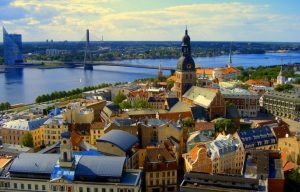
There are a lot of touristy attractions ,River Daugava looks amazing at sunset time .
If you are not from Europe,you need to get Visa,normally taking around 4 weeks time
I do Recommend Latvia 100%
I want to get information about Latvia .for my further study….is there safe country for indian people?
Its safe for everyone!
Yes! I think so! I live in latvia and i believe its safe!
Very good
I am interested latvia very nice latvia
Loved Riga. Very safe. Some scams .. but they are obvious and very very minor. Just trying to get you to pay more to enter places.. will be going again.
Beware in Valmiera
Been in Valmiera, Latvia for several times now. If it was not because of training purposes in Olympic Training Centre. Better to spend some money on other country. Every visit we got bad experiences. This time I got two bruises because one of the VTU Valmiera’s bus driver tried to close the door while I was still standing just right at the door while queuing. He tried two attempts to jam me. Thats why I got two bruises. It comes into my conclusion that he did that in purpose.
Luckily he did not jam my daughter who was standing in front of me. According to my opinion, Valmiera people is not ready to welcome tourist. So beware of your safety especially riding that bus. Hope the Bus Company’s manager beware of this driver ruining the company’s reputation.
Hi, I am sorry to hear about your bad experience.
I live in Latvia but have never been to Valmiera myself.
Please don’t let this bad experience to get in the way of returning to Latvia in the future.
I would recommend to rather go to Riga and the surroundings.
And if you visit when it’s warm – Jurmala, while Sigulda is perfect for autumn season.
I love Latvia Riga its a good place I will go again whenever I can it was wonderful be sure to check out the baltic sea and get some amber it was very safe I never once felt like I had been in danger be sure to go.
Gem of the Baltics
Been to Latvia several times with my Latvian partner, and it is an amazing, beautiful country, full of stunning natural areas. Jurmala is a superb beach destination, but can get crowded in summer months. The old city of Riga is a real treat, full of history and stunning architecture, as well as the simply huge indoor markets which are breathtaking in size and range of goods on offer. Feels a safe place to be and the bars are fine providing you use common sense, and the beers in Latvia I rate with some of the best European ones (cherry beer is terrific). Cesis is a beautiful town steeped in history and definitely recommended. A good time to visit is 22-24 June to celebrate Jani (yah-knee) which is one of the biggest festivals in Latvia (and the baltics) and the whole country feasts, dances and enjoys the odd beer with friends and family for a couple of days. Most folk are friendly, but don’t expect instant friendship, as many Latvians take time to know you and do not indulge in much ‘small talk’. Learning a few phrases like ‘paldies’ (thank you) and Labdien (good day) will help enormously and will be appreciated. In short, a real gem of a country – we are going back again in a few weeks – can’t wait!
Great
One of the safest countries i have ever been to. Great nature and people, love Kuldiga, Talsi, Old Riga.
No more
It’s one of the worst country I‘ve ever visited. People were rude, gained independence from the Soviet Union over 30 years ago, and they shout with people that they are not russian, but still prefer to speak in russian, not in english. Should be more open to western tourist. The bus driver almost killed us several times. When he could not overtake a car or truck he still stepped on the gas, so that others should go to the side of the road to give us a way. The infrastructure is not developed enough, politeness is something unknown thing from other countries, and the driving culture is below the ass of a frog
This gave me a solid sense of what to watch for in Latvia from low overall risk to honest tips about pickpockets, scams, and nightlife situations. It helped calm nerves before booking my Riga centered trip without glossing over the real stuff.
What struck me most about Latvia is how its rich history seems to breathe through every street and forest, making it feel both familiar and mysterious at the same time; do you think that sense of discovery is what keeps people coming back?
Does anyone else get a small thrill walking Riga’s cobblestone streets past art nouveau buildings and then catch that salty sea smell when heading out to Kurzeme?
Never thought I’d get so hooked on a place with so many lakes and forests, especially in Latgale where the quiet seriously hits different.
Accessible and undiscovered? Unless you count waiting forever for a bus in the freezing Riga winter as part of the “authentic experience.”
Spent a weekend in Kurzeme last summer and the quiet fishing villages by the coast totally surprised me with how peaceful and real they felt compared to more touristy spots.