


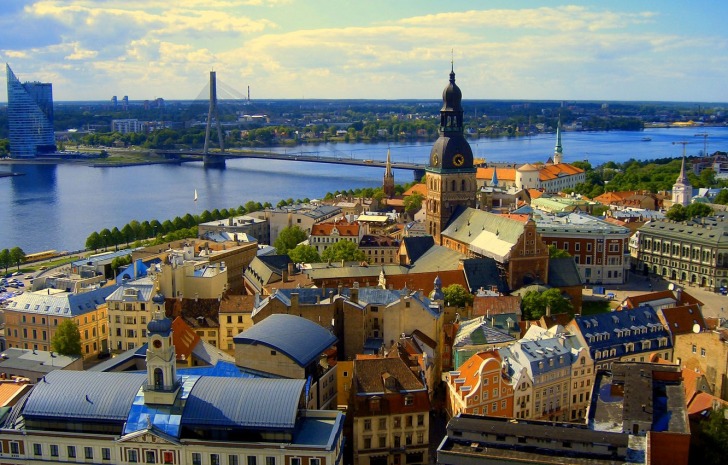
Riga sits gracefully on the Baltic Sea at the mouth of the Daugava River, blending medieval charm with a creative, slightly edgy modern spirit.
As the capital of Latvia, Riga is famous for its UNESCO listed Old Town, one of Europe’s richest collections of Art Nouveau architecture, and a café culture that rivals cities twice its size.
With a population of just over 600,000, it feels compact and manageable, yet culturally vibrant.
When I first visited, what struck me most was how walkable and relaxed it felt.
Cobblestone streets, leafy boulevards, and surprisingly calm public spaces make it easy to explore.
But like any European capital, Riga has its nuances.
So let’s break down exactly how safe it is and what you need to know before booking that Baltic getaway.
Warnings & Dangers in Riga

OVERALL RISK: LOW
Riga is generally considered safe for tourists. Violent crime rates are relatively low compared to many major European capitals. Most issues travelers encounter involve petty theft or minor scams. With normal urban awareness and common sense precautions, most visits are smooth and trouble free.

TRANSPORT & TAXIS RISK: MEDIUM
Public transport, including trams, buses, and trolleybuses, is reliable and affordable. The main caution is unlicensed taxis, especially around the airport and train station. Always use official taxi companies or rideshare apps. Ticket inspectors on public transport are strict, so validate your ticket to avoid fines.

PICKPOCKETS RISK: MEDIUM
Pickpocketing is the most common tourist related crime, particularly in Old Town and on public transportation. Crowded areas near the Central Market and nightlife districts see occasional theft. Keep bags zipped, avoid back pockets for valuables, and stay alert in busy settings.

NATURAL DISASTERS RISK: LOW
Latvia is not prone to earthquakes or major natural disasters. Occasional winter snowstorms can disrupt transport, and icy sidewalks increase slip risks. Flooding is rare but possible near the river during heavy rainfall. Overall, environmental risks are minimal.

MUGGING RISK: MEDIUM
Muggings are uncommon but can occur late at night, particularly in poorly lit areas or parks. Alcohol related incidents are more common than targeted violent crime. Avoid walking alone in isolated areas after midnight, especially if intoxicated.

TERRORISM RISK: LOW
Riga has not experienced significant terrorist incidents. As a member of the European Union and NATO, Latvia maintains solid security infrastructure. The overall threat level remains low, though travelers should stay informed about regional geopolitical developments.

SCAMS RISK: MEDIUM
Some bar scams and overcharging in nightlife venues have been reported, especially in Old Town. Always check menus for prices before ordering. Currency exchange booths may offer unfavorable rates. Use reputable banks or ATMs instead.

WOMEN TRAVELERS RISK: LOW
Riga is generally safe for solo female travelers. Street harassment is uncommon compared to many global cities. Standard precautions apply at night, particularly around nightlife areas. Public spaces are well lit and locals are typically respectful and reserved.

TAP WATER RISK: LOW
Tap water in Riga is safe to drink and meets European Union standards. Many locals drink it without issue. If you are sensitive to mineral differences, bottled water is widely available, but it is not necessary for safety reasons.
Safest Places to Visit in Riga
Vecrīga (Old Town) – Historic and Heavily Patrolled
Riga’s Old Town, Vecrīga, is the city’s postcard centerpiece and one of the safest areas for visitors during the day and early evening.
Cobbled lanes wind between medieval churches, lively squares, and pastel façades.
Because it’s the tourism hub, there’s a visible police presence, security cameras, and constant foot traffic.
During daylight hours, this area feels relaxed and family friendly.
Street musicians perform near Dome Square, tour groups cluster around St. Peter’s Church, and cafés spill onto the sidewalks.
The steady flow of people naturally deters serious crime.
Even at night, it remains relatively safe if you avoid overly rowdy bars and stay aware of your surroundings.
The Art Nouveau District – Elegant and Residential
Just north of the Old Town, the Art Nouveau district around Alberta iela feels like an open air museum.
Grand façades decorated with sculpted faces and floral motifs create an atmosphere that is refined rather than chaotic.
This neighborhood is home to embassies, offices, and upscale residences, which contributes to its calm environment.
Streets are wide and well lit, and you’ll notice far fewer party crowds here.
It’s ideal for travelers who prefer architecture, quiet cafés, and a more local feel.
The Freedom Monument & Central Boulevard – Civic Heart
The area around the Freedom Monument and the Latvian National Opera forms Riga’s civic core.
Broad boulevards, green parks, and government buildings create an orderly atmosphere.
Bastejkalns Park is pleasant and safe during the day, with canal-side walking paths and plenty of locals enjoying lunch breaks.
This district has a steady police presence and tends to feel structured and secure, particularly in daylight hours.
Jurmala – Seaside Calm
About 30 minutes away by train, Jurmala offers a peaceful escape from city life.
Wooden villas, sandy beaches, and spa hotels define this coastal resort town.
It has a low crime reputation and a slower pace.
If you want maximum peace of mind, especially as a family traveler or solo visitor seeking tranquility, Jurmala is arguably even safer than central Riga.
Places to Avoid in Riga
Maskavas Forštate (Moscow District) – Gritty and Less Tourist Friendly
Maskavas Forštate has a complicated history and a reputation for higher crime compared to the city center.
While it is not a no go zone, it feels noticeably rougher around the edges.
You’ll find aging wooden buildings, fewer tourists, and less consistent lighting at night.
Visitors rarely have a reason to explore this district, and wandering here after dark is not advisable.
Around the Central Market at Night – Busy by Day, Edgy After Dark
The Central Market itself is fascinating and safe during daylight hours.
It is one of Europe’s largest markets and a must see for food lovers.
However, once evening falls and vendors pack up, the atmosphere shifts.
The area near the train station and bus terminal can attract petty criminals and intoxicated individuals.
If you are staying nearby, keep your route well lit and avoid empty side streets.
Soviet Era Residential Outskirts – Isolated After Hours
Districts such as parts of Purvciems, Imanta, or other large residential neighborhoods are generally safe but not ideal for late night wandering.
They are dominated by apartment blocks, limited nightlife, and fewer pedestrians after dark.
The issue here is not high violent crime but isolation.
Poor lighting and minimal activity can make these areas feel uncomfortable for visitors unfamiliar with the city.
Old Town Nightlife Hotspots After Midnight – More Risky Than Dangerous
The main nightlife streets in Old Town can become rowdy late at night.
Groups of heavily intoxicated partygoers sometimes lead to arguments or bar related scams.
The danger is not systemic violence but alcohol fueled unpredictability.
If you choose to enjoy Riga’s nightlife, stick to reputable venues, monitor your drink, and leave if the atmosphere changes.
Safety Tips for Traveling to Riga
- Use Licensed Transport Only. From Riga International Airport, book official taxis or use reputable ride apps. Avoid drivers who approach you inside the terminal offering rides. On public transport, always buy and validate your ticket before boarding.
- Stay Alert in Old Town at Night. Old Town is safe, but alcohol changes the atmosphere. Stick with friends after dark and avoid confrontations with heavily intoxicated groups. Most issues occur after midnight.
- Protect Your Valuables in Crowded Areas. Use anti theft bags or money belts when visiting the Central Market or riding trams during peak hours. Keep your phone secured and avoid placing wallets in back pockets.
- Check Bar and Restaurant Prices First. Before ordering drinks in nightlife venues, verify menu prices. Avoid places without visible pricing. If something feels pushy or aggressive, leave immediately.
- Be Careful on Icy Sidewalks in Winter. Riga winters are cold and sidewalks can become slippery. Wear proper boots with grip. Falls are a more realistic risk than crime during snowy months.
- Avoid Poorly Lit Parks After Dark. Parks like Bastejkalns are beautiful during the day but quieter at night. Choose well lit streets if walking back to your hotel late.
- Keep Emergency Numbers Handy. Latvia’s general emergency number is 112. English is widely spoken among younger residents and in tourism settings.
- Exchange Money at Banks or ATMs. Use ATMs inside banks or well lit areas. Avoid small exchange kiosks advertising unusually good rates.
- Respect Local Laws and Customs. Public intoxication can lead to fines. Latvia has strict rules around certain public behaviors, so remain respectful and low key.
- Stay Informed About Regional Developments. While Riga itself is stable, Latvia shares a border with Russia. Monitor travel advisories and geopolitical updates, though daily life in Riga remains calm.
So... How Safe Is Riga Really?
Statistically, Riga’s crime rate is lower than many Western European capitals.
Violent crime is relatively uncommon, and most recorded offenses involve theft rather than assault.
Police presence in central tourist areas is visible, and Latvia’s membership in the EU supports consistent security standards.
The biggest risks for visitors are minor: pickpocketing, nightlife overcharging, and slipping on icy winter streets.
Compared to cities like Paris or Barcelona, petty theft is present but not rampant.
Compared to some Eastern European capitals, Riga feels more compact and manageable.
From my perspective, Riga is one of the safer Baltic capitals for tourists.
With reasonable awareness, it offers a relaxed travel experience.
It feels less chaotic than larger cities and more structured than many emerging destinations.
For most travelers, safety concerns should not be a deterrent.
How Does Riga Compare?
| City | Safety Index |
|---|---|
 Riga Riga |
70 |
 Louisville Louisville | 65 |
| Key West | 67 |
| Pinedale | 75 |
| Madison | 77 |
 Tahiti Tahiti | 65 |
| Skokie | 88 |
Useful Information

Visas
Latvia is part of the Schengen Area. Many travelers from the US, UK, Canada, and Australia can enter visa free for up to 90 days within a 180 day period. Passport validity of at least three months beyond departure is required. Check official government sources before travel.

Currency
Latvia uses the Euro. Credit and debit cards are widely accepted, even for small purchases. ATMs are plentiful. Avoid airport exchange counters if possible and withdraw cash from reputable bank machines for better rates.

Weather
Riga has cold winters and mild summers. Winter temperatures often drop below freezing, while summer averages range from 18 to 25°C. Pack warm layers if visiting between November and March, and bring a light jacket even in summer.

Airports
Riga International Airport is the main gateway and is located about 10 kilometers from the city center. Buses connect the airport to downtown in around 30 minutes. Official taxis and rideshare services are readily available.

Travel Insurance
Even in a safe city like Riga, travel insurance is strongly recommended. It covers medical emergencies, trip cancellations, and lost belongings. Healthcare in Latvia is good, but insurance ensures access to private facilities and peace of mind.
Riga Weather Averages (Temperatures)
Average High/Low Temperature
| Temperature / Month | Jan | Feb | Mar | Apr | May | Jun | Jul | Aug | Sep | Oct | Nov | Dec |
|---|---|---|---|---|---|---|---|---|---|---|---|---|
| High °C |
-1 | 0 | 4 | 10 | 15 | 20 | 22 | 22 | 17 | 10 | 6 | 2 |
| Low °C |
-5 | -4 | -1 | 3 | 8 | 12 | 15 | 14 | 11 | 6 | 3 | -1 |
| High °F |
30 | 32 | 39 | 50 | 59 | 68 | 72 | 72 | 63 | 50 | 43 | 36 |
| Low °F |
23 | 25 | 30 | 37 | 46 | 54 | 59 | 57 | 52 | 43 | 37 | 30 |
Latvia - Safety by City
| City | Safety Index |
|---|---|
| Riga | 70 |











Architecture is beautiful
I remember getting amazed at the Riga Dome Cathedral, massive organs there unlike any I have seen really. I love how the streets with the cobblestones match the architecture surrounding it. It reminds you that there is a history behind the surroundings. This might just me my own feelings considering I live in a modern jungle back in the States.
Rigs in May
I was in Riga a few weeks ago and it was fairly quiet. I visited the KGB museum about fifteen minutes or so walk from the centre and the tour at €10 booked was interesting, Drink prices in the cobbled tourist area as well as food is not that expensive at around €5 or €6 for a beer, €15 for a meal. You can see the city in two full days quite easy and the cleanliness is amazing compared to some cities I’ve visited. Watch the gift shops as they are not cheap, but there are some in the central market a lot less expensive. Taxi to airport is going to cost around €30 book from hotel was my best option. Very safe as long as you use your common sense so enjoy this wonderful city!
AWESOME
Seriously, how is this a 62… this city is one of the safest I’ve seen in my entirely life, and also, amazing city.
Riga really surprised me with its stunning Art Nouveau buildings; it’s like walking through an art gallery on every street.
Riga’s blend of stunning architecture and vibrant city life really sticks with you, especially when you see those incredible Art Nouveau buildings in person.
It’s hard to believe how vibrant and full of life Riga feels, especially when you’re wandering through those stunning Art Nouveau streets; it really makes you appreciate the blend of history and modernity.
Never thought I’d say this, but counting Art Nouveau facades on my walk to work has kind of become my weird little Riga habit, right before escaping to the countryside on weekends.
Every time I stroll past those 700 Art Nouveau houses I can’t help grinning, even if I’m just on my way to grab a quick coffee.
Walking the cobblestone streets at dusk, seeing those ornate Art Nouveau facades up close and smelling fresh coffee from tiny cafés made me unexpectedly tear up at how quietly beautiful and human the city felt.
Did you ever get that weird lump in your throat walking along the Daugava at sunset when the Art Nouveau facades glow and the cobbles are empty?
Anyone else get weirdly cozy looking at the Art Nouveau buildings while wandering the cobblestone streets by the Daugava?
I sat on a bench by the Daugava one gray afternoon after wandering the cobblestone streets and felt strangely calm watching people spill out of cafés into the leafy boulevards.
Did you find any hidden spots for coffee away from the busy Old Town, or is it all packed with tourists even in those leafy boulevards?
Did you find any spots in the Old Town where the café vibe really stood out more than the rest?
Did you find any spots in the Old Town where the Art Nouveau really stands out at sunset?
Yeah, I figured the calm cobblestone streets meant chill vibes until someone tried to pickpocket my phone right by that leafy boulevard.