



 Philippines : Safety by City
- Bohol
- Boracay
- Cebu City
- Coron
- Davao City
- El Nido
- Iloilo
- Makati
- Manila
- Panglao
- Puerto Princesa
- Quezon City
- Samal Island
- Siargao
- Siquijor
Puerto Princesa is the capital of Palawan, stretched along the island’s eastern coast and surrounded by mangroves, limestone cliffs, jungle, beaches, and some of the clearest blue-green water in the Philippines.
It is best known as the gateway to the Puerto Princesa Subterranean River National Park, one of the country’s most famous natural wonders, but the city itself is more than just a launchpad.
It is cleaner, calmer, and more spread out than many Philippine urban areas, with a mix of local neighborhoods, seafood restaurants, island-hopping docks, and forested roads.
From my perspective, Puerto Princesa feels like a practical traveler’s base: not wild like El Nido, not over-polished like a resort island, but friendly, scenic, and generally manageable if you use basic common sense.
Warnings & Dangers in Puerto Princesa

OVERALL RISK: LOW
Puerto Princesa is generally safe for tourists, especially compared with larger Philippine cities. Most visits are trouble-free, and the city has a laid-back atmosphere. The biggest risks are petty theft, road accidents, tropical weather, unsafe drinking water, and booking-related scams rather than serious violent crime.

TRANSPORT & TAXIS RISK: MEDIUM
Transport is where travelers should pay attention. Tricycles, vans, multicabs, and taxis are common, but pricing can vary, especially near the airport, port, and tourist areas. Roads outside the city center can be dark, narrow, or uneven. Use arranged transfers, agree on prices first, and avoid riding motorcycles without experience.

PICKPOCKETS RISK: LOW
Pickpocketing is not a major issue in Puerto Princesa, but it can happen in busy places like markets, terminals, festivals, waterfront areas, and crowded transport stops. The risk is much lower than in Manila or Cebu, but travelers should still keep phones, wallets, and bags secure.

NATURAL DISASTERS RISK: MEDIUM
Puerto Princesa has a moderate natural disaster risk because it sits in a tropical country exposed to heavy rain, flooding, typhoons, rough seas, and occasional landslides in rural areas. Palawan is less typhoon-prone than some other Philippine regions, but storms can still disrupt flights, ferries, island tours, and underground river trips.

MUGGING RISK: LOW
Muggings against tourists are uncommon in Puerto Princesa. Most tourist areas feel safe during the day and reasonably calm at night. The risk rises if you walk alone late at night in poorly lit streets, carry visible valuables, drink heavily, or wander into unfamiliar residential areas away from main roads.

TERRORISM RISK: MEDIUM
Puerto Princesa itself is not considered a major terrorism hotspot, and Palawan’s main tourist routes usually operate normally. However, the Philippines has regional security concerns, especially in parts of Mindanao and the Sulu area. Travelers should stay aware of national advisories and avoid remote sea routes or unofficial boat trips.

SCAMS RISK: MEDIUM
Scams in Puerto Princesa are usually low-level rather than dangerous. Watch for overpriced tricycle rides, fake or poorly organized tours, inflated island-hopping packages, pressure sales, and online booking scams. The best defense is simple: book with reputable operators, confirm inclusions, and avoid paying large deposits to unknown contacts.

WOMEN TRAVELERS RISK: LOW
Puerto Princesa is generally safe for women travelers, including solo travelers. Locals are usually helpful, and tourist areas are used to international visitors. Still, women should use the same precautions they would elsewhere: avoid isolated roads at night, be careful with alcohol, and use trusted transport after dark.

TAP WATER RISK: MEDIUM
Do not rely on tap water in Puerto Princesa. Bottled or filtered water is the safer choice, especially for travelers with sensitive stomachs. Be careful with ice, washed salads, and drinks from places where water quality is uncertain. Most hotels and restaurants can provide safe drinking water if you ask.
Safest Places to Visit in Puerto Princesa
Puerto Princesa Subterranean River National Park
The underground river is the city’s crown jewel and one of the safest major attractions when visited through licensed tours.
Trips are organized, monitored, and commonly include hotel pickup, permits, boat transfers, and guides.
The main safety concerns are weather, slippery paths, boat conditions, and monkey behavior near the entrance.
Do not feed wildlife, keep snacks hidden, and follow guide instructions.
Honda Bay
Honda Bay is one of the easiest and safest island-hopping areas near Puerto Princesa.
Tours usually visit islands such as Cowrie Island, Starfish Island, and Luli Island.
The water is generally calm in good weather, and the tour system is fairly established.
Wear a life jacket, use reef-safe sun protection, and avoid booking boat trips during rough sea conditions.
Baywalk Park
Puerto Princesa Baywalk is a relaxed evening spot where locals and visitors go for food, sea views, and sunset walks.
It is one of the easier places to enjoy the city without feeling isolated.
Keep normal awareness around your belongings, especially when seated at food stalls or walking through busier areas.
City Proper and Rizal Avenue
The city center around Rizal Avenue is convenient for restaurants, hotels, shops, and transport.
It is not glamorous, but it is practical and generally safe.
This is one of the better areas to stay if you want easy access to the airport, tours, food, and basic services.
Mitra’s Ranch and Baker’s Hill
These are popular family-friendly stops often included in city tours.
They are safe, easygoing, and good for travelers who want a relaxed break from boat trips.
The roads getting there can be winding, so use reliable transport and avoid rushing the itinerary.
Places to Avoid in Puerto Princesa
Poorly Lit Streets Late at Night
Puerto Princesa is calmer than many Philippine cities, but it is still wise to avoid walking alone late at night on dark side streets.
Some roads lack strong lighting, sidewalks can be uneven or missing, and transport is not always easy to flag down outside busier areas.
Use a tricycle, taxi, or hotel-arranged ride after dark.
Isolated Beaches and Rural Roads After Dark
Some coastal and rural areas around Puerto Princesa feel peaceful during the day but become very quiet at night.
Avoid isolated beaches, empty roads, and undeveloped viewpoints after dark, especially if you are alone or carrying electronics.
The risk is not necessarily high, but the lack of lighting, people, and quick help can make small problems bigger.
Unofficial Boat Operators
Avoid boat trips offered by random individuals at docks, beaches, or through social media pages with little proof of legitimacy.
Unsafe boats, unclear prices, poor weather judgment, or missing safety equipment can turn a beautiful day into a stressful one.
Stick with licensed tour desks, hotel-recommended operators, or agencies with consistent local reviews.
Crowded Terminals and Public Markets
Places like bus terminals, van terminals, and markets are not “dangerous,” but they are areas where travelers should be more alert.
Keep bags close, avoid flashing cash, and do not leave phones on tables or counters.
These are practical, everyday crime-prevention habits rather than reasons to skip the areas completely.
Remote Southern or Coastal Routes Without Local Guidance
Puerto Princesa is large by land area, and some remote barangays are far from the tourist core.
Do not improvise long coastal or rural trips without checking road conditions, weather, and transport availability.
For most visitors, sticking to organized routes is smarter and more enjoyable.
Safety Tips for Traveling to Puerto Princesa
- Book major tours through reliable operators. Puerto Princesa is famous for nature tours, especially the underground river and Honda Bay. These trips depend on permits, boats, weather, and timing. A reliable operator will explain what is included, handle permits properly, provide pickup details, and cancel or delay trips when conditions are unsafe. Cheap mystery tours can cost more in stress than they save in money.
- Do not drink tap water. This is one of the simplest ways to protect your trip. Stick to bottled, filtered, or sealed drinking water. Ask whether ice is made from purified water, especially at smaller stalls. Brush your teeth with bottled water if your stomach is sensitive. Puerto Princesa is a food-friendly city, but water caution is still worth taking seriously.
- Agree on tricycle fares before riding. Tricycles are part of the local experience, and most rides are harmless, but tourists can be overcharged. Before getting in, confirm the fare, destination, and whether the price is per person or for the whole ride. Around the airport and tourist spots, this matters even more. A small clarification can prevent an annoying argument later.
- Avoid riding motorcycles unless you are experienced. Motorbike rentals are common in Palawan, but the roads can be uneven, dark, wet, or shared with dogs, tricycles, trucks, and pedestrians. If you are not comfortable riding in Southeast Asian traffic, do not make Puerto Princesa your practice course. If you do ride, wear a helmet and avoid night driving.
- Check the weather before boat trips. Puerto Princesa’s best attractions often involve water. Even if the morning looks sunny, sea conditions can change quickly during the rainy season. Heavy rain can affect visibility, boat safety, and road conditions. Do not pressure a guide or boatman to go out in bad weather. The islands will still be there tomorrow.
- Keep valuables low-key. Puerto Princesa is not a place where you need to be paranoid, but flashy travel habits are never helpful. Avoid walking around with expensive jewelry, large amounts of cash, or a phone constantly exposed in crowded areas. Use a small crossbody bag or zippered pocket when moving through terminals, markets, and busy public areas.
- Use cash carefully. Credit cards are accepted in some hotels and better restaurants, but cash is still important for tricycles, food stalls, island fees, tips, and smaller shops. Withdraw from ATMs inside malls, banks, or secure locations when possible. Do not count large bills publicly, and keep backup cash separate from your main wallet.
- Protect yourself from heat and sun. Puerto Princesa can feel brutally hot and humid, especially during island hopping and city tours. Dehydration, sunburn, and heat exhaustion are more common travel problems than crime. Bring a hat, sunglasses, breathable clothing, and water. Reapply sunscreen often, especially after swimming or sweating.
- Respect wildlife and natural areas. The underground river area, mangroves, reefs, and beaches are not theme parks. Monkeys may grab food or bags, jellyfish may appear seasonally, and coral can cut your feet. Do not feed animals, touch marine life, or wander off marked paths. Nature is the whole reason to visit Puerto Princesa, so treat it with caution and respect.
- Have a backup plan for delays. Flights, vans, boats, and tours in Palawan can be delayed by weather, road conditions, or logistics. Build extra time into your itinerary, especially before international flights or paid reservations elsewhere. Puerto Princesa is much less stressful when you do not schedule every transfer like a military operation.
So... How Safe Is Puerto Princesa Really?
Puerto Princesa is one of the more comfortable urban bases for travelers in the Philippines.
It has the convenience of a city, the feel of a provincial capital, and access to world-class nature without the same intensity found in larger metro areas.
For most tourists, the real safety picture is not about violent crime.
It is about transportation, weather, water quality, tour reliability, and ordinary petty theft prevention.
The city benefits from being a major tourism hub, so hotels, guides, drivers, and tour desks are used to visitors.
That makes travel easier, especially for first-timers in the Philippines.
The underground river, Honda Bay, Baker’s Hill, Baywalk, and city tours are well-established, which reduces uncertainty.
Still, “safe” does not mean careless.
A traveler who books random tours, rides motorcycles in bad weather, drinks tap water, leaves valuables exposed, or walks alone through dark areas at night is creating unnecessary risk.
The broader Philippines has security concerns in certain regions, but Puerto Princesa is not in the same risk category as areas with active conflict or kidnapping warnings.
I would rate it as a low-risk destination overall, with medium risk in specific categories like transport, scams, tap water, natural hazards, and regional security awareness.
In plain English: Puerto Princesa is safe enough to enjoy deeply, but not a place to travel on autopilot.
How Does Puerto Princesa Compare?
| City | Safety Index |
|---|---|
| Puerto Princesa |
77 |
| Siquijor |
78 |
| Cebu City |
60 |
| El Nido |
80 |
| Samal Island |
73 |
| Davao City |
75 |
| Boracay |
76 |
 Ankeny Ankeny | 83 |
 Maun Maun | 82 |
| Hyannis | 80 |
 Nicosia Nicosia | 71 |
 Cane Garden Bay Cane Garden Bay | 90 |
| Medora | 83 |
Useful Information

Visas
Many tourists can enter the Philippines visa-free for short stays, commonly up to 30 days, as long as they have a valid passport and proof of onward travel. Longer stays may require an extension or visa. Rules vary by nationality, so travelers should check requirements before flying and make sure their passport is valid long enough.

Currency
The local currency is the Philippine peso. Cash is useful in Puerto Princesa, especially for tricycles, local eateries, market purchases, tips, and smaller tour expenses. ATMs are available in the city, but it is smart to withdraw before heading to remote areas. Exchange money at banks or reputable exchange counters.

Weather
Puerto Princesa is hot and humid year-round, with a drier season roughly from December to May and wetter months from June to November. Pack light breathable clothing, sandals, swimwear, a rain jacket, sunscreen, and insect repellent. During rainy periods, expect possible tour delays and muddy outdoor conditions.

Airports
Puerto Princesa International Airport is the main airport serving the city and is very close to the center. Many hotels are only a short ride away by tricycle, taxi, van, or arranged transfer. It is also the usual arrival point for travelers heading to the underground river, Honda Bay, or onward to other parts of Palawan.

Travel Insurance
Travel insurance is strongly recommended for Puerto Princesa, especially if your trip includes island hopping, boat transfers, snorkeling, hiking, motorbike use, or multiple domestic flights. Look for coverage that includes medical care, trip delays, lost baggage, weather disruptions, and adventure activities. In Palawan, small delays can easily affect the rest of your itinerary.
Puerto Princesa Weather Averages (Temperatures)
Average High/Low Temperature
| Temperature / Month | Jan | Feb | Mar | Apr | May | Jun | Jul | Aug | Sep | Oct | Nov | Dec |
|---|---|---|---|---|---|---|---|---|---|---|---|---|
| High °C |
31 | 31 | 32 | 33 | 32 | 31 | 30 | 30 | 30 | 30 | 31 | 31 |
| Low °C |
24 | 24 | 24 | 25 | 26 | 25 | 25 | 25 | 25 | 25 | 25 | 24 |
| High °F |
88 | 88 | 90 | 91 | 90 | 88 | 86 | 86 | 86 | 86 | 88 | 88 |
| Low °F |
75 | 75 | 75 | 77 | 79 | 77 | 77 | 77 | 77 | 77 | 77 | 75 |
Philippines - Safety by City
| City | Safety Index |
|---|---|
| Bohol | 79 |
| Boracay | 76 |
| Cebu City | 60 |
| Coron | 79 |
| Davao City | 75 |
| El Nido | 80 |
| Iloilo | 70 |
| Makati | 60 |
| Manila | 50 |
| Panglao | 79 |
| Puerto Princesa | 77 |
| Quezon City | 55 |
| Samal Island | 73 |
| Siargao | 73 |
| Siquijor | 78 |
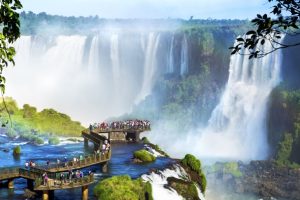
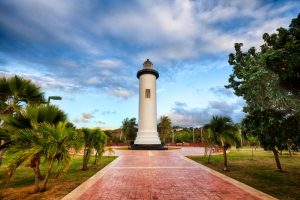
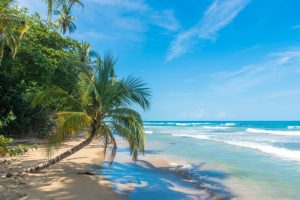
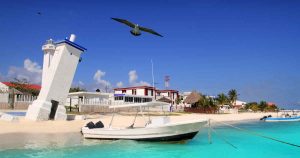
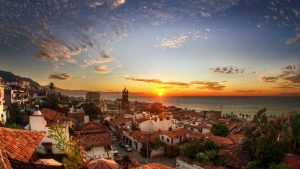
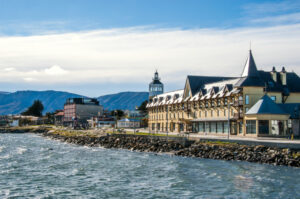












Staying in Puerto Princesa felt surprisingly chill compared to other crowded spots, and the fresh seafood by the harbor really made those long jungle days easier to handle.
I remember trying the seafood by the docks and thinking it was some of the freshest I’ve had, totally worth the casual vibe.
The way the water glistens there really makes even just walking around feel like a little escape from the usual city buzz.