


 Philippines : Safety by City
- Bohol
- Boracay
- Cebu City
- Coron
- Davao City
- El Nido
- Iloilo
- Makati
- Manila
- Panglao
- Puerto Princesa
- Quezon City
- Samal Island
- Siargao
- Siquijor
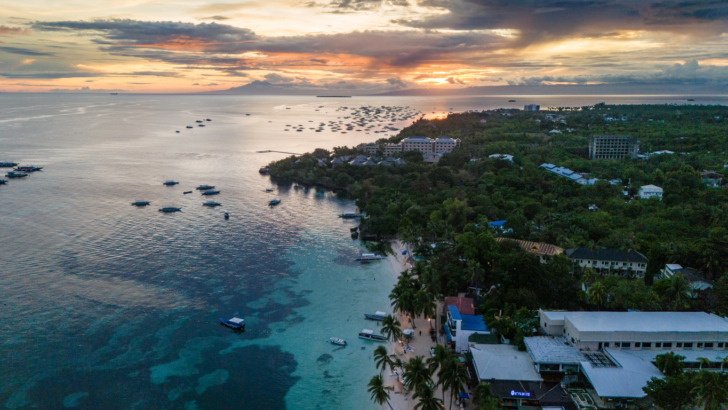
Panglao is the sunny little island attached to Bohol in the central Philippines, and it is one of the easiest beach destinations in the country to love.
It sits southwest of Tagbilaran City and is connected to mainland Bohol by bridges, which makes it feel islandy without being hard to reach.
Most travelers come for Alona Beach, diving, island hopping, white sand, coral gardens, and those ridiculously photogenic blue-green shallows.
Panglao is also home to Bohol-Panglao International Airport, so you can land close to the beach instead of spending half your vacation in transit.
From what I found, Panglao is generally safe for tourists, but it is still a busy beach destination, so the usual mix of petty theft, transport overcharging, ocean risks, and weather awareness applies.
Warnings & Dangers in Panglao

OVERALL RISK: LOW
Panglao is a relatively safe destination for most tourists, especially compared with larger, busier urban areas in the Philippines. The main tourist zones are relaxed, locals are used to visitors, and violent crime against tourists is uncommon. Still, it is not a “switch off your brain” destination. Beach theft, road accidents, weather disruptions, and inflated tourist prices are the main things to watch.

TRANSPORT & TAXIS RISK: MEDIUM
Transport is easy but can be inconsistent. Tricycles, motorbike rentals, private vans, and hotel transfers are common, but prices can vary a lot depending on where you are picked up, the hour, and your negotiation skills. Road lighting can be poor outside main areas, and scooter accidents are a real concern. Agree on fares before riding.

PICKPOCKETS RISK: LOW
Pickpocketing is not a major problem in Panglao, but petty theft can happen around crowded beaches, beach bars, restaurants, and island-hopping departure points. Alona Beach is the spot where travelers are most likely to leave phones, wallets, or bags unattended. The easiest fix is simple: treat the beach like a public space, not your hotel room.

NATURAL DISASTERS RISK: MEDIUM
Panglao sits in the Philippines, so storms, heavy rain, flooding, rough seas, and occasional earthquake activity are part of the broader risk picture. Typhoon season can affect ferry schedules, flights, diving trips, and island-hopping tours. Panglao is not the most disaster-prone place in the country, but travelers should still take weather warnings seriously.

MUGGING RISK: LOW
Mugging is not a common tourist complaint in Panglao. Most visitors move around safely, even in the evening near Alona Beach and resort areas. The risk increases if you walk alone late at night in poorly lit back roads, drink heavily, or carry visible cash and electronics. Use common sense after dark and avoid isolated shortcuts.

TERRORISM RISK: LOW
Panglao and Bohol are far from the higher-risk areas of the southern Philippines often mentioned in travel advisories. The island is a mainstream tourism area with regular domestic and international visitors. While the Philippines as a whole has some regional security concerns, Panglao itself is not considered a typical terrorism target for tourists.

SCAMS RISK: MEDIUM
Scams in Panglao are usually low-level and money-related rather than dangerous. Tourists may run into overpriced tricycle rides, vague island-hopping rates, motorbike damage disputes, or inflated tour packages. Always agree on the total price, ask what is included, inspect rental vehicles, and avoid paying large deposits to random street sellers.

WOMEN TRAVELERS RISK: LOW
Women travelers usually find Panglao comfortable, especially in resort areas, restaurants, beaches, and organized tours. Solo female travelers should still be alert at night, avoid isolated beach stretches after dark, and be cautious with alcohol in nightlife areas. Unwanted attention can happen, but serious safety problems are not common for sensible travelers.

TAP WATER RISK: MEDIUM
Do not drink tap water in Panglao unless your accommodation clearly says it is filtered and safe. Stick with bottled, sealed, or properly filtered water. Ice in established restaurants and resorts is usually fine, but be more cautious with small stalls. Bring a reusable bottle and refill it from trusted filtered-water stations when available.
Safest Places to Visit in Panglao
Alona Beach
Alona Beach is the main tourist hub in Panglao and one of the safest areas for first-time visitors.
It has plenty of resorts, restaurants, dive shops, tour operators, cafes, and people around throughout the day and evening.
That visibility helps.
You are less likely to feel isolated, and it is easier to find help, transportation, or a familiar landmark.
The main safety issue here is not violent crime.
It is petty theft, overpricing, and the occasional tourist doing something foolish after too many cocktails.
Keep your phone and wallet close, especially when moving between beach bars or leaving your things on the sand.
Dumaluan Beach
Dumaluan Beach is quieter and more spread out than Alona, making it a great option for travelers who want a calmer beach day.
Many sections are attached to resorts, which can make the area feel more controlled and family-friendly.
It is a good place for swimming, relaxing, and taking a break from the more commercial side of Panglao.
The water can be shallow in some areas, so check conditions before swimming.
Wear water shoes if you are sensitive to rocks, coral bits, or sea grass.
Hinagdanan Cave Area
Hinagdanan Cave is one of Panglao’s better-known inland attractions.
It is generally safe to visit during normal hours, especially if you go with a driver or organized tour.
The main hazard is slipping, because cave steps and rocks can be wet.
Wear shoes with grip, avoid rushing, and do not climb where you are not supposed to.
Resort Zones and Main Roads Near the Airport
The areas near larger resorts and the road corridors connecting the airport, Alona, and Dauis are usually safe and convenient.
For arrivals at night, pre-arranged hotel transfer is the least stressful option.
It may cost more than a tricycle, but it saves you from bargaining while tired and carrying luggage.
Places to Avoid in Panglao
Dark Back Roads Late at Night
Panglao is not packed with “dangerous neighborhoods” in the way a big city might be, but some roads become quiet and poorly lit at night.
This is especially true away from Alona Beach, main resort entrances, and busier village centers.
Walking alone on dark roads after midnight is not ideal, particularly if you are carrying a phone, camera, or beach bag.
If your accommodation is tucked away down a side road, arrange transport instead of walking back late.
A short tricycle ride is worth it.
Isolated Beach Stretches After Dark
Panglao’s beaches are beautiful, but a quiet beach at night is not the same as a quiet beach at noon.
Avoid isolated stretches after dark, especially if you are alone or have been drinking.
This is less about a high crime rate and more about reducing opportunity.
Low lighting, soft sand, alcohol, and valuables are not a dream team.
Stay near resort-front areas, restaurants, or places with staff and other travelers around.
Random Motorbike Rental Stands With No Clear Terms
Scooter rentals are popular in Panglao, but be selective.
Avoid renting from anyone who cannot clearly explain the rate, deposit, fuel expectations, damage policy, and return time.
Take photos and videos of the motorbike before riding away, including scratches, mirrors, tires, and fuel level.
A cheap rental can become expensive if there is a dispute later.
Reputable hotel or resort referrals are usually safer.
Rough Sea Conditions and Unlicensed Boat Trips
Do not take island-hopping or dolphin-watching trips when weather or sea conditions look questionable.
Avoid operators who seem careless about life jackets, passenger limits, or weather warnings.
Panglao’s ocean trips are a highlight, but the sea deserves respect.
If official warnings are in place or your hotel says boats are not going out, do not try to find a “special” operator willing to risk it.
Safety Tips for Traveling to Panglao
- Book your first night’s transport before arrival. Bohol-Panglao International Airport is close to the main tourist areas, but arriving tired with luggage is when travelers make bad decisions. If you land late, book a hotel transfer or ask your accommodation to arrange pickup. It is usually more expensive than a tricycle, but it removes bargaining, confusion, and the risk of getting overcharged right away.
- Agree on tricycle and transport prices before you ride. Panglao transport is convenient, but tourist pricing can be flexible. That does not always mean someone is trying to scam you, but it does mean you need to confirm the total fare before getting in. Ask whether the price is per person or per ride. For longer rides, especially from the airport or between beach areas, compare prices with your hotel first.
- Be careful if renting a scooter. Scooters are fun in Panglao, but they are also one of the biggest real safety risks for travelers. Roads can have uneven surfaces, sudden dogs, tricycles, pedestrians, sand patches, and limited lighting. Wear a helmet, do not ride after drinking, and avoid learning to drive a scooter for the first time on vacation. It is not the place to discover your inner daredevil.
- Do not leave valuables on the beach. This sounds obvious until you are in paradise and suddenly think your backpack is protected by “good vibes.” It is not. Phones, wallets, sunglasses, and cameras can disappear quickly from beach chairs, restaurant tables, and unattended bags. Bring only what you need for the beach, use a dry bag for boat trips, and take turns swimming if you are with someone.
- Use licensed and reviewed tour operators. Island hopping, diving, snorkeling, and dolphin-watching are big reasons people visit Panglao. Choose operators with clear prices, proper boats, safety gear, and a real local reputation. Ask about life jackets, weather cancellation policies, marine fees, and what is included. A slightly cheaper tour is not worth it if the boat feels overloaded or poorly managed.
- Respect the ocean, even when it looks calm. Panglao’s water can look gentle, but currents, sea urchins, coral cuts, jellyfish, boat traffic, and sudden weather changes are possible. Wear reef-safe sun protection, consider water shoes in rocky areas, and never stand on coral. If you are snorkeling, keep an eye on your boat and do not drift too far from the group. The ocean is lovely, but it does not babysit.
- Drink bottled or filtered water. Tap water is not something I would recommend drinking in Panglao. Use bottled or filtered water for drinking and brushing your teeth if you have a sensitive stomach. Choose busy restaurants with good turnover, especially for seafood. If a place is empty, the fish display looks tired, or your instincts say “maybe not,” listen to them. Vacation stomach drama is deeply overrated.
- Watch your alcohol around Alona Beach nightlife. Alona is fun at night, with bars, restaurants, music, and beach energy. It is also the place where tourists are most likely to lose phones, misjudge transport, argue over bills, or make bad late-night walking decisions. Keep your drink in sight, stay with people you trust, and set a simple plan for getting back to your accommodation before the night gets messy.
- Check weather before boat trips and ferry connections. Weather matters in Panglao more than many visitors expect. Heavy rain, strong wind, and rough seas can cancel tours or delay travel. If you are connecting to a ferry, a flight, or another island, build in buffer time. Do not schedule an important international flight right after a boat transfer if you can avoid it. Island time is charming until it ruins your itinerary.
- Carry cash, but not too much. Panglao is tourist-friendly, but not every small restaurant, tricycle, beach stall, or tour seller accepts cards. Carry enough cash for the day, but keep most of your money locked at your accommodation. Use ATMs in safer, more visible locations, ideally during the day. Small bills are useful because drivers and vendors may not always have change for large notes.
So... How Safe Is Panglao Really?
Panglao is genuinely one of the safer and easier beach destinations in the Philippines for tourists, especially if you stay in established areas like Alona, Dumaluan, or resort zones near the airport.
The island has strong tourism infrastructure, regular visitor traffic, a wide range of accommodations, and plenty of organized activities.
That makes it easier to move around, get help, and avoid the kinds of isolation that can increase risk.
The bigger picture is that the Philippines does have national safety concerns, including crime, storms, road accidents, and regional security issues in parts of Mindanao and the Sulu area.
Panglao, however, is geographically and practically far removed from those higher-risk zones.
For the average traveler, the most realistic concerns are petty theft, scooter accidents, inflated transport prices, unsafe water, sun exposure, and sea conditions.
I would not call Panglao dangerous.
I would call it relaxed but not foolproof.
It is the kind of place where most trips go smoothly, but small mistakes can create annoying problems.
Leave your phone on a beach table, ride a scooter without experience, book a random boat during bad weather, or drink too much and walk home alone at 2 AM, and your risk climbs quickly.
For families, couples, divers, backpackers, and solo travelers, Panglao is a good choice.
Stay aware, use reputable services, and treat the island with the same caution you would use in any busy tourist destination.
How Does Panglao Compare?
| City | Safety Index |
|---|---|
| Panglao |
79 |
| Boracay |
76 |
| El Nido |
80 |
| Makati |
60 |
| Coron |
79 |
| Cebu City |
60 |
| Davao City |
75 |
 Yakima Yakima | 62 |
| Sandy | 93 |
| Winona | 86 |
| Provincetown | 80 |
 Sihanoukville Sihanoukville | 55 |
 Turin Turin | 42 |
Useful Information

Visas
Many tourists can enter the Philippines visa-free for short stays, commonly up to 30 days depending on nationality. Travelers usually need a passport valid for at least six months, proof of onward or return travel, and sometimes accommodation details. Longer stays may require an extension through immigration, and fees vary depending on duration.

Currency
The local currency is the Philippine peso. Cash is useful in Panglao for tricycles, small restaurants, beach vendors, tips, and local tours. Cards are accepted at many hotels and larger businesses, but do not rely on them everywhere. Exchange money at reputable counters or withdraw from bank ATMs in visible, secure areas.

Weather
Panglao is warm and tropical year-round, so pack light clothing, swimwear, sandals, sunglasses, and serious sun protection. A light rain jacket or quick-dry layer is smart, especially during wetter months. The dry season is usually better for beach days, but tropical showers can happen anytime, often with very little warning.

Airports
The main airport is Bohol-Panglao International Airport, located right on Panglao Island and close to major beach areas. From the airport, travelers can reach Alona Beach and nearby resorts by tricycle, taxi, van, or hotel transfer. Pre-arranged hotel pickup is the easiest option, especially for late arrivals or families with luggage.

Travel Insurance
Travel insurance is strongly recommended for Panglao, especially if you plan to ride scooters, dive, snorkel, island-hop, or take domestic flights and ferries. Look for coverage that includes medical care, trip delays, lost belongings, water activities, and emergency evacuation. Healthcare is available in Bohol, but serious cases may require transfer.
Panglao Weather Averages (Temperatures)
Average High/Low Temperature
| Temperature / Month | Jan | Feb | Mar | Apr | May | Jun | Jul | Aug | Sep | Oct | Nov | Dec |
|---|---|---|---|---|---|---|---|---|---|---|---|---|
| High °C |
30 | 31 | 31 | 33 | 33 | 33 | 32 | 32 | 32 | 32 | 32 | 31 |
| Low °C |
24 | 24 | 24 | 25 | 25 | 25 | 25 | 25 | 25 | 25 | 25 | 24 |
| High °F |
86 | 88 | 88 | 91 | 91 | 91 | 90 | 90 | 90 | 90 | 90 | 88 |
| Low °F |
75 | 75 | 75 | 77 | 77 | 77 | 77 | 77 | 77 | 77 | 77 | 75 |
Philippines - Safety by City
| City | Safety Index |
|---|---|
| Bohol | 79 |
| Boracay | 76 |
| Cebu City | 60 |
| Coron | 79 |
| Davao City | 75 |
| El Nido | 80 |
| Iloilo | 70 |
| Makati | 60 |
| Manila | 50 |
| Panglao | 79 |
| Puerto Princesa | 77 |
| Quezon City | 55 |
| Samal Island | 73 |
| Siargao | 73 |
| Siquijor | 78 |

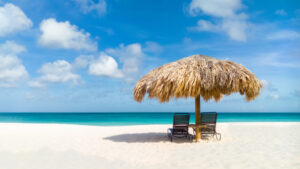












I stayed near Alona Beach last summer and the water was so clear I could see the coral right from the shore, definitely felt like a slice of paradise despite the crowds.