



 Philippines : Safety by City
- Bohol
- Boracay
- Cebu City
- Coron
- Davao City
- El Nido
- Iloilo
- Makati
- Manila
- Panglao
- Puerto Princesa
- Quezon City
- Samal Island
- Siargao
- Siquijor
El Nido is one of those places that looks almost suspiciously beautiful, like someone edited reality and forgot to turn the saturation down.
Sitting on the northern tip of Palawan in the Philippines, it is famous for limestone cliffs, hidden lagoons, turquoise water, coral reefs, and island-hopping tours that make even seasoned travelers stop mid-sentence.
It is not a big city, and that is part of the charm.
El Nido feels more like a tropical adventure base than a polished resort town, with tricycles buzzing through the streets, boats lined along the beach, and travelers comparing lagoon tours over mango shakes.
Safety-wise, El Nido is generally one of the more comfortable places to visit in the Philippines, but it still has island-specific risks, especially water safety, weather, road conditions, and petty theft.
Warnings & Dangers in El Nido

OVERALL RISK: LOW
El Nido is generally safe for tourists, especially around the main town, beach areas, hotels, restaurants, and organized tour zones. Violent crime against visitors is uncommon. The biggest issues are usually practical ones: boat safety, sun exposure, stomach problems, road accidents, weather disruptions, and petty theft if you leave valuables unattended.

TRANSPORT & TAXIS RISK: MEDIUM
Transport in El Nido is simple but not always polished. Tricycles are the main way to get around town, while vans connect El Nido with Puerto Princesa and other parts of Palawan. Roads can be narrow, dark, uneven, or slippery after rain. Always agree on fares before riding, use helmets on scooters, and avoid driving at night if you are inexperienced.

PICKPOCKETS RISK: LOW
Pickpocketing is not a major problem in El Nido compared with larger cities, but it can still happen in crowded areas, ports, bars, markets, and busy beachfront spots. The more common issue is unattended belongings disappearing on beaches or boats. Keep your phone, wallet, passport, and cash close, especially during island-hopping trips.

NATURAL DISASTERS RISK: MEDIUM
El Nido sits in a tropical country exposed to typhoons, heavy rains, flooding, rough seas, and occasional earthquakes. The dry season is usually easier for travel, while the rainy season can bring boat cancellations and muddy roads. The ocean is beautiful here, but weather changes fast, so always respect tour cancellations and local warnings.

MUGGING RISK: LOW
Muggings are rare in El Nido, particularly in tourist zones. Most visitors walk around town without major concerns, especially during the evening when restaurants and bars are active. Still, dark roads, isolated beaches, and quiet paths outside the center deserve caution. Avoid flashing cash, walking alone while drunk, or taking shortcuts through poorly lit areas.

TERRORISM RISK: LOW
El Nido is far from the higher-risk areas usually associated with terrorism concerns in the southern Philippines. Palawan’s main tourist corridor is not considered a major terrorism hotspot. That said, the Philippines as a country has regional security concerns, so travelers should still stay aware of national advisories, avoid remote conflict-prone areas, and use reputable transport and tour providers.

SCAMS RISK: MEDIUM
Scams in El Nido are usually small-scale rather than dangerous. Watch for unclear tour inclusions, inflated tricycle fares, unofficial guides, rental disputes, fake “extra fees,” and poor-quality island-hopping operators. Book with licensed tour companies, confirm prices in writing, keep receipts for environmental fees, and photograph scooters or equipment before renting.

WOMEN TRAVELERS RISK: LOW
El Nido is generally comfortable for women travelers, including solo travelers. The town has a strong backpacker and tourist scene, and locals are usually helpful. Normal precautions still apply: avoid isolated beaches at night, watch drinks in bars, use trusted transportation, and do not feel pressured into private boat trips or late-night rides with strangers.

TAP WATER RISK: MEDIUM
Tap water in El Nido is not something I would recommend drinking. Stick with bottled, filtered, or purified water, and be careful with ice in very basic places. Many hotels and restaurants provide refill stations, which are useful and reduce plastic waste. Bring stomach medicine just in case, because traveler’s diarrhea can absolutely ruin a lagoon day.
Safest Places to Visit in El Nido
El Nido Town Proper
El Nido Town Proper is the easiest base for first-time visitors.
It has the most restaurants, guesthouses, cafés, tour offices, pharmacies, ATMs, and transport options.
It is busy enough to feel comfortable at night but still small enough to navigate easily.
The main safety concern here is not violent crime, but basic tourist awareness: keep an eye on your bag, avoid carrying too much cash, and be careful on roads shared by tricycles, scooters, vans, and pedestrians.
Corong-Corong
Corong-Corong is a good choice if you want a quieter place to stay without feeling isolated.
It is close to town but generally more relaxed, with sunset views, beachfront hotels, and easy access to tours.
It is safer for travelers who want convenience without being directly in the busiest part of El Nido.
The beach is scenic, but swimming conditions vary, so check locally before going in.
Lio Beach
Lio Beach is one of the more organized and comfortable areas around El Nido.
It has a cleaner, more developed feel, with resorts, restaurants, open spaces, and a calmer atmosphere.
It is especially good for families, couples, and travelers who want a less chaotic base.
Roads and facilities tend to feel more controlled here, though you will still need transport to reach town.
Nacpan Beach
Nacpan Beach is one of El Nido’s most beautiful day-trip spots, with a long stretch of sand and a more spacious feel than the town beaches.
It is generally safe during the day, especially when visited with a proper driver or organized transport.
The main cautions are road conditions, swimming currents, and staying too late without reliable transport back.
Organized Island-Hopping Tours
Tours A, B, C, and D are the classic El Nido experience, and organized tours are generally safe when run by licensed operators.
These tours visit lagoons, beaches, snorkeling spots, and limestone coves.
Choose operators with life jackets, proper permits, clear safety briefings, and boats that do not feel overloaded.
The safest tour is not always the cheapest one.
Places to Avoid in El Nido
Isolated Beaches After Dark
El Nido’s beaches can feel magical at sunset, but quiet beaches after dark are not ideal places to linger alone.
This includes stretches outside the main tourist areas where lighting is poor and transport is limited.
The risk is not that danger is guaranteed, but that help may be far away if something goes wrong.
Go with others, arrange your ride back early, and do not leave valuables on the sand.
Poorly Lit Roads Outside Town
Roads between El Nido Town, Corong-Corong, Lio, and Nacpan can be risky at night, especially for scooter riders.
Some sections may be dark, uneven, wet, or shared with vans and tricycles.
If you are not used to riding in Southeast Asia, this is not the place to “learn by vibes.”
Use a trusted driver at night rather than renting a scooter after sunset.
Unlicensed Tour Desks and Random Beach Sellers
Avoid booking tours from people who cannot clearly explain the price, inclusions, boat details, environmental fees, and cancellation policy.
El Nido’s tours are one of the main reasons people visit, but not all operators are equal.
A cheap tour can become expensive if safety gear is poor, lunch is questionable, or you are pressured into surprise fees.
Remote Swimming Spots in Bad Weather
El Nido’s water can look calm from the beach and still have strong currents, sharp coral, sea urchins, jellyfish, or sudden weather changes.
Avoid swimming alone in remote coves or beaches, especially when there are no lifeguards or boats nearby.
If boatmen, guides, or local authorities say conditions are unsafe, believe them.
The sea does not negotiate.
Party Areas When You Are Intoxicated
El Nido is not a wild danger zone, but alcohol creates the same problems here as anywhere else: lost phones, bad decisions, scooter accidents, arguments, and unsafe walks back to hotels.
Be extra careful around beachfront bars, late-night tricycle rides, and unfamiliar groups.
The town is friendly, but being careless in a tourist area is still being careless.
Safety Tips for Traveling to El Nido
- Book island-hopping tours with licensed operators. Island hopping is the heart of El Nido, and this is where safety matters most. Do not choose a tour only because it is the cheapest. Ask whether life jackets are provided, whether lunch is included, what happens if the weather changes, and whether the environmental fee is handled properly. A professional operator will explain the itinerary clearly and will not pressure you into unsafe conditions.
- Respect boat cancellations. When island tours are canceled because of rough seas, it can be frustrating, especially if you planned your whole trip around Big Lagoon or Secret Beach. Still, those cancellations happen for a reason. El Nido’s limestone cliffs and open-water routes can become risky when winds and waves pick up. Do not try to find a “special private boat” willing to go when official tours are suspended.
- Do not drink the tap water. This is one of the simplest ways to protect your trip. Drink bottled or filtered water, use refill stations at reputable hotels and restaurants, and be cautious with ice at very basic eateries. Brush your teeth with bottled water if your stomach is sensitive. El Nido is remote compared with big cities, and stomach problems can be more annoying when you are far from larger hospitals.
- Carry cash, but not too much. El Nido has ATMs, but machines can run out of cash or have connection issues, especially during busy travel periods. Bring enough Philippine pesos for tours, tricycles, food, tips, and small purchases, but do not walk around with all your money in one place. Keep a backup card and extra cash locked at your accommodation.
- Use dry bags for boat days. A dry bag is not just a cute island accessory. It is basically survival gear for your phone, cash, passport copy, camera, and medication. Boats can get wet, people climb in and out with soaked clothes, and sudden rain happens. Put valuables inside a proper dry bag, not just a regular backpack under a towel.
- Wear water shoes when needed. Some beaches and lagoon entries have sharp rocks, coral, sea urchins, or slippery limestone. Water shoes can save you from cuts that become infected in humid tropical conditions. This is especially useful on island-hopping tours where you may be stepping from boats into shallow water, climbing over rocks, or walking on uneven seabeds.
- Be careful with scooters. Renting a scooter can be fun, but El Nido is not the easiest place for beginners. Roads can be rough, traffic rules may feel loose, and rain can make surfaces slippery. Wear a helmet, avoid speeding, do not ride after drinking, and take photos of the scooter before leaving the rental shop. If you are nervous, hire a tricycle or van instead.
- Protect yourself from the sun. The sun in El Nido is not playing around. You can burn badly during boat tours because the breeze makes it feel cooler than it is. Use reef-safe sunscreen, wear a hat, bring sunglasses, and consider a rash guard for snorkeling. Dehydration is also common, so drink water throughout the day, not just when you feel thirsty.
- Keep valuables off the beach. Do not leave phones, wallets, cameras, or passports unattended while swimming. El Nido is friendly, but beaches are not lockers. Bring only what you need, use a waterproof pouch, or take turns swimming if you are with someone. On tours, keep valuables in your dry bag and near you, not loose on the boat.
- Choose your accommodation location wisely. Where you stay affects how safe and easy your trip feels. Town Proper is convenient but busier. Corong-Corong is calmer and still close to town. Lio is more polished and relaxed. Nacpan is beautiful but more remote. If you like walking to restaurants and tours, stay closer to town. If you want quiet, make sure you have reliable transport arranged, especially at night.
So... How Safe Is El Nido Really?
El Nido is safe in the way many small, tourism-focused island towns are safe: violent crime is uncommon, locals are used to travelers, and most visits are trouble-free.
But it is not risk-free, and the real safety picture is more about environment, infrastructure, and decision-making than crime.
The biggest risks are water-related.
Island-hopping tours involve boats, snorkeling, swimming, rocks, coral, currents, and weather changes.
Most serious problems can be avoided by choosing reputable operators, wearing life jackets when needed, and not pushing ahead during rough seas.
The second major risk is transportation.
Scooter crashes, dark roads, wet pavement, and long van transfers are more realistic concerns than mugging.
Petty theft exists but is usually opportunistic.
A phone left on a beach towel or a wallet sitting loose in a boat bag is more tempting than a tourist walking through town with a backpack.
Scams are generally minor, usually involving inflated prices, vague tour fees, or rental disputes.
For most travelers, El Nido is a low-risk destination with medium-level practical hazards.
Come prepared, stay weather-aware, drink safe water, and treat the ocean with respect.
Do that, and El Nido is much more likely to steal your heart than your wallet.
How Does El Nido Compare?
| City | Safety Index |
|---|---|
| El Nido |
80 |
| Puerto Princesa |
77 |
| Quezon City |
55 |
| Siquijor |
78 |
| Samal Island |
73 |
| Manila |
50 |
| Davao City |
75 |
 Cleveland Cleveland | 55 |
 Cologne Cologne | 80 |
| Annapolis | 73 |
| Columbia | 68 |
| Vail | 86 |
| Jennings | 31 |
Useful Information

Visas
Many tourists can enter the Philippines visa-free for up to 30 days, depending on nationality, as long as they have a valid passport and onward or return ticket. Longer stays usually require a visa extension through immigration offices. Always check current entry rules before traveling, since requirements can change.

Currency
The currency in El Nido is the Philippine peso. Cash is very useful because smaller shops, tricycle drivers, beach vendors, and some tour operators may not accept cards. ATMs are available but not always reliable, so bring pesos from Puerto Princesa, Manila, or another larger city if possible.

Weather
El Nido is tropical, warm, and humid year-round. The dry season, roughly from December to May, is usually best for beach trips and island hopping. The rainy season can still be beautiful, but expect heavier showers and possible tour cancellations. Pack light clothing, swimwear, sandals, a rain jacket, sun protection, and water shoes.

Airports
El Nido has a small airport, Lio Airport, with flights from select Philippine destinations. Many travelers also fly into Puerto Princesa and take a van to El Nido, a long road journey that usually takes several hours. From the airport or van terminal, tricycles and hotel transfers are the most common ways to reach accommodations.

Travel Insurance
Travel insurance is strongly recommended for El Nido because many activities involve boats, swimming, snorkeling, scooters, and remote beaches. Choose a policy that covers medical care, emergency evacuation, trip cancellations, lost belongings, and adventure activities. Palawan is beautiful, but larger hospitals are not always close when you need them.
El Nido Weather Averages (Temperatures)
Average High/Low Temperature
| Temperature / Month | Jan | Feb | Mar | Apr | May | Jun | Jul | Aug | Sep | Oct | Nov | Dec |
|---|---|---|---|---|---|---|---|---|---|---|---|---|
| High °C |
30 | 31 | 32 | 33 | 33 | 32 | 31 | 31 | 30 | 30 | 30 | 30 |
| Low °C |
23 | 23 | 24 | 25 | 25 | 25 | 24 | 24 | 24 | 24 | 24 | 23 |
| High °F |
86 | 88 | 90 | 91 | 91 | 90 | 88 | 88 | 86 | 86 | 86 | 86 |
| Low °F |
73 | 73 | 75 | 77 | 77 | 77 | 75 | 75 | 75 | 75 | 75 | 73 |
Philippines - Safety by City
| City | Safety Index |
|---|---|
| Bohol | 79 |
| Boracay | 76 |
| Cebu City | 60 |
| Coron | 79 |
| Davao City | 75 |
| El Nido | 80 |
| Iloilo | 70 |
| Makati | 60 |
| Manila | 50 |
| Panglao | 79 |
| Puerto Princesa | 77 |
| Quezon City | 55 |
| Samal Island | 73 |
| Siargao | 73 |
| Siquijor | 78 |





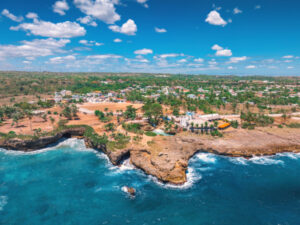












Spent an afternoon swimming in one of those lagoons and honestly, the water was the clearest I’ve ever seen.