


 Antigua and Barbuda : Safety by City
Antigua and Barbuda looks like the kind of Caribbean destination that belongs on a postcard forever.
This twin island nation sits in the eastern Caribbean, part of the Lesser Antilles, and is best known for its turquoise water, bright reefs, yacht harbors, and the famous claim of having 365 beaches, one for every day of the year.
Antigua is the busier, more developed island, while Barbuda is quieter, wilder, and more remote, with pink sand beaches and a slower pace.
From a traveler’s point of view, it feels more relaxed than many larger destinations in the region.
Still, tropical beauty can fool people into dropping their guard.
Antigua and Barbuda is generally a pleasant and manageable place to visit, but smart travelers should treat it as a destination that rewards awareness, not carelessness.
Warnings & Dangers in Antigua and Barbuda

OVERALL RISK: LOW
Antigua and Barbuda is generally considered a low-risk destination for tourists, especially those staying in established resort areas, marinas, and well-known beach zones. Most visits are trouble-free. The main concerns are opportunistic crime, isolated areas after dark, risky driving conditions, and seasonal weather threats such as hurricanes.

TRANSPORT & TAXIS RISK: MEDIUM
Transport is workable, but not always smooth. Taxis are common, though fares are usually not metered, so visitors should agree on a price before the ride starts. Road conditions vary, signage can be weak, and night driving can be tricky because of poor lighting, potholes, narrow roads, and sudden stops by other drivers.

PICKPOCKETS RISK: LOW
Pickpocketing is not the first danger most travelers think about here, but petty theft still happens, especially in busier tourist zones, markets, beach areas, and nightlife spots. It is not usually relentless street crime, but more of an opportunistic problem. Bags, phones, wallets, and unattended items are the easiest targets.

NATURAL DISASTERS RISK: MEDIUM
This is one of the more important risks to understand before booking. Antigua and Barbuda sit in the Caribbean hurricane belt, and storm season typically runs from June through November. Heavy rain, rough seas, and occasional service disruptions can affect travel plans. Earthquakes are also possible, though they are less common than storm-related threats.

MUGGING RISK: MEDIUM
Mugging is not the norm for most tourists, but violent crime does occur, including robberies and assaults. The risk rises in isolated areas, on empty roads, on quiet beaches after dark, and around large late-night gatherings. Travelers who flash cash, jewelry, or expensive phones may increase their chances of becoming a target.

TERRORISM RISK: LOW
There is no strong recent pattern of terrorism in Antigua and Barbuda, which is reassuring for ordinary travelers. In practical terms, this is not a major day-to-day concern for visitors. Even so, no destination is entirely risk-free, so general awareness in crowded spaces, ports, and public events still makes sense.

SCAMS RISK: LOW
Scams exist, but they are usually basic rather than elaborate. The most common issues involve overcharging in bars, taxi fare misunderstandings, inflated tour prices, and occasional pressure selling. Most of this can be avoided by confirming prices in advance, using licensed services, and checking bills before handing over payment.

WOMEN TRAVELERS RISK: LOW
Women can enjoy Antigua and Barbuda safely in most tourist settings, especially during the day and in established resort areas. Still, solo women should use the usual precautions. Avoid deserted beaches, walking alone on quiet roads after dark, and accepting rides from strangers. Firm boundaries and reliable transport arrangements go a long way here.

TAP WATER RISK: MEDIUM
Tap water is often treated and commonly used in many hotels and built-up areas, but travelers with sensitive stomachs may still prefer bottled or filtered water. This is less about panic and more about caution. Ice, fresh juices, and food from reputable places are usually fine, but a little discretion is wise.
Safest Places to Visit in Antigua and Barbuda
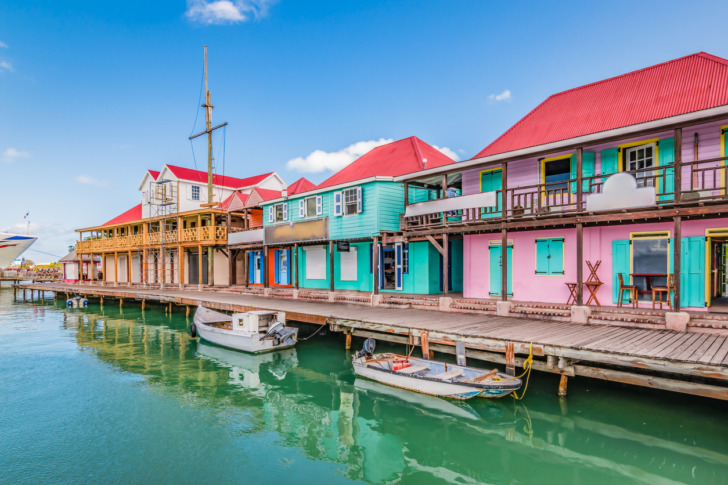
St. John’s and the Heritage Quay Area
St. John’s is the capital and the place most travelers pass through at some point.
During the day, the Heritage Quay and nearby shopping areas are among the easier places to explore because there is steady foot traffic, tourism infrastructure, and plenty of services.
It is a good place for casual sightseeing, shopping, and getting your bearings before heading farther afield.
English Harbour and Falmouth Harbour
This is one of the best areas for travelers who want scenery with a solid tourism setup.
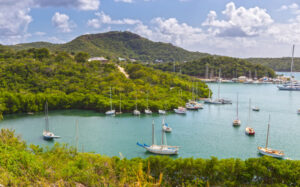
English Harbour, Nelson’s Dockyard, and nearby Falmouth Harbour are popular with yacht visitors, history lovers, and restaurant goers.
The area feels organized, active, and generally safer than remote stretches of coastline, especially during the day and early evening.
Dickenson Bay
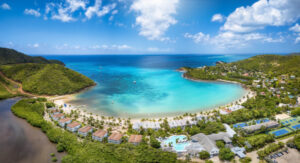
Dickenson Bay is one of Antigua’s most popular resort zones, and that popularity helps from a safety standpoint.
Hotels, beach bars, tours, and regular activity make it one of the better choices for first-time visitors.
It is ideal for travelers who want convenience, water sports, and a beach environment that does not feel isolated.
Barbuda’s Main Visitor Areas
Barbuda is far less developed than Antigua, but its better-known beach and eco tourism areas can feel peaceful and safe when visited with local guidance.
Because the island is more remote, the key is not wandering casually into unfamiliar stretches.
Organized excursions are usually the smartest way to enjoy it.
Places to Avoid in Antigua and Barbuda
Isolated Beaches After Dark
This is the biggest category travelers should remember.
A beautiful beach in daylight can become a bad idea once the crowds disappear.
Quiet shorelines, especially those away from resorts or beach bars, are not the place to linger at night.
The issue is not that every beach is dangerous, but that isolation creates opportunity.
Quiet Back Roads and Rural Areas at Night
Many of Antigua’s secondary roads are narrow, poorly lit, and unpredictable.
Add unfamiliar routes, potholes, speed bumps, pedestrians, and drivers who may stop suddenly, and nighttime driving becomes more stressful than many visitors expect.
If you are renting a car, try to finish your long drives before dark, especially outside main tourist corridors.
Large Street Parties Late at Night
Festive atmospheres can be fun, but large gatherings can also raise the risk of theft, drunken confrontations, and poor decisions about transport.
This matters most during busy festival periods and beach parties that stretch late into the night.
Go with friends, keep valuables minimal, and leave before the crowd gets too chaotic.
Poorly Supervised Coastal Spots
Some places are risky not because of crime, but because of the sea itself.
Rocky coastal areas and rough water zones can be dangerous, especially where beaches are unsupervised or where warning systems are limited.
Devil’s Bridge is a classic example of a spectacular natural site that deserves real caution.
Beautiful does not always mean safe.
Safety Tips for Traveling to Antigua and Barbuda
- Do not treat resort safety as island-wide safety. A guarded resort or busy marina can feel extremely secure, but that does not mean every nearby road, beach, or neighborhood carries the same level of comfort. Keep your awareness level the same when you leave hotel grounds.
- Avoid empty beaches after sunset. This is one of the simplest and smartest rules. Daytime beach hopping is part of the fun here. Nighttime wandering on quiet stretches of sand is not. If you want an evening by the water, choose a lively beach bar or resort front instead.
- Use licensed taxis and set the fare first. Because taxis are generally not metered, you should settle the price before the ride begins. Confirm the destination, the currency, and whether the fare is total or per person. It saves a surprising amount of awkwardness.
- Drive defensively if you rent a car. Antigua is not the best destination for relaxed autopilot driving. Watch for potholes, narrow lanes, unmarked bumps, pedestrians, livestock, and sudden stops. Night driving is less forgiving, so plan your routes during daylight whenever possible.
- Keep valuables quiet and compact. Do not carry a flashy wallet, expensive jewelry, or more cash than you need. On beach days, bring the minimum. A waterproof pouch or small crossbody bag works better than leaving phones and passports exposed in a towel pile.
- Be cautious around festival crowds and nightlife. Crowded events are fun, but they are also where people lose phones, get overcharged, or end up stranded late at night. Go out with a return plan already in place, and do not depend on improvisation after midnight.
- Respect the sea. Some of the biggest dangers here are natural, not criminal. Strong currents, rough surf, hidden rocks, and unsupervised beaches can turn a casual swim into a bad story fast. Ask locals or staff which beaches are safest that day.
- Prepare for weather disruptions in hurricane season. If you visit between June and November, monitor forecasts and keep some flexibility in your plans. Storms do not ruin every trip, but they can affect ferries, flights, excursions, and power service. Travel insurance matters more during this period.
- Be careful with food, water, and sun exposure. Most visitors worry more about crime than dehydration, but the sun can flatten people quickly in Antigua and Barbuda. Drink plenty of water, go easy on midday alcohol, and use high SPF sunscreen. Tropical exhaustion sneaks up on people.
- Secure your room, rental, or yacht. Lock doors and windows, use hotel safes, and avoid leaving valuables in plain view. This matters just as much on boats and private villas as it does in hotels. Opportunity theft is easier to prevent than to fix later.
So... How Safe Is Antigua and Barbuda Really?
Antigua and Barbuda is one of those destinations that is safer in real life than nervous travelers sometimes imagine, but less carefree than beach brochures suggest.
Most visitors have a smooth trip, especially if they stay in recognized tourist areas, use licensed taxis, avoid deserted places at night, and handle valuables sensibly.
That puts it in the category of a destination where common sense does a lot of heavy lifting.
The crime picture is mixed rather than alarming.
Petty theft and occasional violent crime do happen, including robberies and assaults, which is why tourists are advised not to wander isolated roads or empty beaches after dark.
In practical terms, many visitor problems are preventable.
Travelers who plan transport ahead, lock up their belongings, and stay alert in nightlife settings lower their risk considerably.
What often gets overlooked is that natural hazards deserve just as much attention as crime.
Hurricane season runs from June through November, and rough coastal conditions can be more immediately dangerous than city streets, especially on unsupervised beaches.
I would call Antigua and Barbuda a generally safe Caribbean getaway for travelers who stay aware of their surroundings and respect both the social and natural environment.
Relaxed is fine here.
Careless is not.
How Does Antigua and Barbuda Compare?
| Country | Safety Index |
|---|---|
| Antigua and Barbuda | 74 |
 Papua New Guinea Papua New Guinea | 47 |
 Kenya Kenya | 45 |
 Bolivia Bolivia | 57 |
 Georgia Georgia | 63 |
 Nepal Nepal | 59 |
 Senegal Senegal | 45 |
 Saint Lucia Saint Lucia | 70 |
 Liberia Liberia | 45 |
Useful Information

Visas
Many visitors do not need a visa for short tourist stays, but the rules depend on nationality. Travelers who do need one may be able to apply in advance electronically, and some nationalities may qualify for a visa on arrival under specific conditions. Passport validity, onward travel, and accommodation proof are commonly expected, so check requirements before flying.

Currency
The official currency is the Eastern Caribbean dollar, though U.S. dollars are widely accepted in many tourist businesses. That makes things convenient, but exchange rates can vary from place to place. It is usually smartest to carry some local currency for smaller purchases, transport, and tips, while using cards at hotels and established restaurants.

Weather
Antigua and Barbuda have a warm tropical climate all year, with temperatures that often sit in the high 70s to high 80s Fahrenheit. Light clothing works most of the time, but bring sun protection, a hat, and a light rain layer. If you travel during hurricane season, quick dry clothes and flexible plans are helpful.

Airports
V.C. Bird International Airport in Antigua is the main gateway for most international visitors and the most important air hub in the country. From there, many hotels and resorts are a manageable drive away, often by taxi or prearranged transfer. Barbuda also has air access, but most travelers arrive through Antigua first.

Travel Insurance
Travel insurance is a very good idea for Antigua and Barbuda. It is not just about medical coverage. It can also help with hurricane-related disruptions, canceled excursions, delayed flights, lost baggage, and emergency transport. For a destination where weather and water activities are part of the experience, solid coverage is worth it.
Antigua and Barbuda Weather Averages (Temperatures)
Average High/Low Temperature
| Temperature / Month | Jan | Feb | Mar | Apr | May | Jun | Jul | Aug | Sep | Oct | Nov | Dec |
|---|---|---|---|---|---|---|---|---|---|---|---|---|
| High °C |
28 | 28 | 28 | 29 | 30 | 31 | 31 | 31 | 31 | 30 | 30 | 29 |
| Low °C |
22 | 22 | 22 | 23 | 24 | 25 | 25 | 25 | 25 | 24 | 23 | 23 |
| High °F |
82 | 82 | 82 | 84 | 86 | 88 | 88 | 88 | 88 | 86 | 86 | 84 |
| Low °F |
72 | 72 | 72 | 73 | 75 | 77 | 77 | 77 | 77 | 75 | 73 | 73 |
Antigua and Barbuda - Safety by City
| City | Safety Index |
|---|---|
| Carlisle Bay | 89 |
| Dickenson Bay | 86 |
| English Harbour | 88 |
| Falmouth Harbour | 86 |
| Jolly Harbour | 87 |












They boast 365 beaches, yet I got sunburned under a palm while dodging tour boats in the harbor, stunning view but annoying reality.
So, after chilling on one of those “365 beaches,” how many mosquitos did you have to fight off to actually enjoy the turquoise water?
It’s funny how easy it is to get lulled into chill mode by those beaches until you remember you gotta stay sharp even in paradise.
That pink sand on Barbuda felt unreal, like walking on a dream but you gotta keep your wits about you.