


 Japan : Safety by City
- Fukuoka
- Hakone
- Hiroshima
- Kamakura
- Kanazawa
- Kyoto
- Nagasaki
- Nara
- Nikko
- Osaka
- Sapporo
- Sendai
- Tokyo
- Yokohama
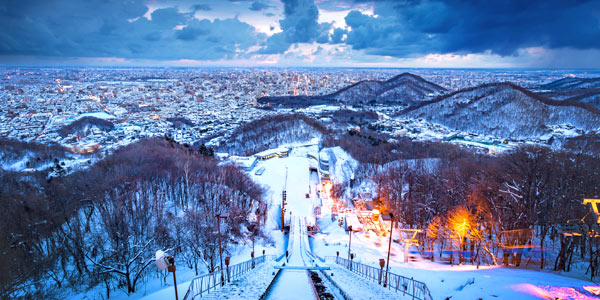
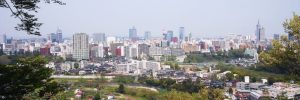
Sapporo sits on Japan’s northern island of Hokkaido, a city better known for fresh seafood, snowy winters, wide boulevards, and steaming bowls of miso ramen than for danger.
It feels different from Tokyo and Osaka right away.
The pace is calmer, the streets are broader, and the air often feels sharper and cleaner, especially in winter.
Famous for the Sapporo Snow Festival, nearby ski areas, and beer culture, the city draws travelers who want a mix of urban comfort and outdoor adventure.
From a traveler’s point of view, Sapporo is one of those places that makes a strong first impression because it feels organized, polite, and easy to navigate.
That does not mean you should switch your brain off, but compared with many major cities around the world, Sapporo is usually a very comfortable destination for cautious tourists.
Warnings & Dangers in Sapporo

OVERALL RISK: LOW
Sapporo is generally a low-risk destination for tourists. Violent crime against visitors is uncommon, public spaces are orderly, and transportation works well. The bigger issues are weather-related hazards, winter slips, icy roads, and the occasional tourist mistake of underestimating cold conditions. Stay aware, but for most travelers, Sapporo feels safer than many major international cities.

TRANSPORT & TAXIS RISK: LOW
Public transportation in Sapporo is reliable, clear, and typically very safe. Taxis are regulated and generally trustworthy, though they can be expensive compared with trains and subways. The main transport risk is not crime but winter conditions, especially snow, ice, delayed services, and slippery station entrances. Give yourself extra time when weather turns rough.

PICKPOCKETS RISK: LOW
Pickpocketing exists in any city with crowds, but Sapporo is not especially known for it. Most travelers will not encounter this problem if they use ordinary common sense. Still, busy transit hubs, festivals, nightlife zones, and packed shopping streets are the places where loose bags, open backpacks, and distracted tourists can become easy targets.

NATURAL DISASTERS RISK: MEDIUM
This is the biggest safety concern in Sapporo. Hokkaido can experience earthquakes, heavy snow, blizzards, icy roads, and severe winter storms. These events are not daily problems, but they are real enough to plan for. Visitors should watch weather forecasts, understand evacuation basics, and avoid assuming that modern infrastructure cancels out natural risk.

MUGGING RISK: LOW
Mugging is not a major concern for most tourists in Sapporo. Late at night, especially after drinking, your risk rises slightly just as it would anywhere else, but this city is not broadly associated with street robbery. Quiet side streets, poorly lit areas, and intoxication create more risk than the destination itself does.

TERRORISM RISK: LOW
The terrorism risk for ordinary travelers in Sapporo is low. There is no special reason most visitors should feel worried about this compared with larger global capitals. As always, keep an eye on local news, follow instructions during large public events, and be mindful in crowded places, but this is not a top-tier concern for most trips.

SCAMS RISK: LOW
Scam risk in Sapporo is lower than in many tourist-heavy cities, but it is not zero. The most likely issues are nightlife overcharging, misleading bar invitations, or small tourist traps in entertainment districts. Be careful with aggressive touts, avoid entering venues without checking prices first, and use ATMs and booking platforms you trust.

WOMEN TRAVELERS RISK: LOW
Sapporo is generally a comfortable destination for women traveling alone. Streets, transit systems, and public places tend to feel orderly and well used. That said, solo travelers should still take normal precautions at night, especially around drinking districts, and avoid accepting invitations from strangers who seem overly persistent or intoxicated.

TAP WATER RISK: LOW
Tap water in Sapporo is generally safe to drink. Japan has high water quality standards, and most visitors can drink tap water without concern. If you are sensitive to changes in mineral content or simply prefer bottled water, that is a comfort choice rather than a safety necessity in most cases.
Safest Places to Visit in Sapporo
Odori Park and Central Sapporo
Odori Park is one of the easiest and safest places to start.
Running through central Sapporo, it is open, well maintained, and surrounded by offices, shops, and tourist sites.
During the day, it feels relaxed and family-friendly, and during major seasonal events it becomes one of the city’s social centers.
The nearby Sapporo TV Tower area is also straightforward for first-time visitors.
Sapporo Station and Underground Shopping Areas
The district around Sapporo Station is one of the most convenient parts of the city for travelers.
It is busy, well lit, and packed with hotels, department stores, restaurants, and transit connections.
The underground passages are especially useful in bad weather, making it easier to move around safely when snow, wind, or freezing temperatures make walking outside less appealing.
Maruyama Area and Hokkaido Shrine
If you want a quieter side of the city, the Maruyama neighborhood is a strong choice.
It has a more residential, polished feel and offers access to Maruyama Park and Hokkaido Shrine.
This area feels calm, organized, and comfortable for solo travelers, couples, and families.
It is especially nice for a slower afternoon away from nightlife crowds.
Moiwa and Scenic Day Excursions
Mount Moiwa and other scenic areas around Sapporo are rewarding and generally safe if you pay attention to the weather.
Clear days offer beautiful views, and organized transport helps make access easy.
In winter, though, conditions can change quickly, so proper shoes, layers, and timing matter just as much as your sightseeing plans.
Places to Avoid in Sapporo
Susukino Late at Night
Susukino is Sapporo’s best-known entertainment district, and it is not a no-go zone by any means.
In fact, many visitors go there for food, neon, and nightlife.
The issue is timing and judgment.
Late at night, especially after heavy drinking, this is where overcharging, bar-related misunderstandings, and the occasional unwanted approach are most likely to happen.
Enjoy it, but keep your guard up.
Isolated Streets During Winter Weather
Sapporo’s real danger often comes from conditions rather than neighborhoods.
Quiet side streets, icy sidewalks, and poorly cleared walking routes can become surprisingly hazardous in winter.
A fall on compacted snow or black ice can end a trip fast.
Travelers who are used to mild climates often underestimate how much care simple walking requires here.
Poorly Researched Nightlife Venues
Rather than specific blocks, the biggest places to avoid are random bars or clubs entered on impulse, especially if someone on the street is pressuring you to come inside.
If a venue has no visible menu, no posted prices, or no online reputation, skip it.
This matters more in entertainment zones where tourists may be assumed to be easy targets.
Remote Outdoor Areas in Bad Conditions
Parks, hills, and scenic edges of the city are enjoyable in good weather, but not when storms or heavy snow move in.
Travelers should avoid heading into less populated areas without checking conditions, daylight hours, and transport schedules.
In Sapporo, nature can become the biggest safety issue far faster than urban crime ever will.
Safety Tips for Traveling to Sapporo
- Dress for the season, not the photo. Sapporo can be brutally cold in winter, and stylish city clothes are often no match for wind, snow, and icy sidewalks. Pack insulated layers, gloves, a warm hat, and shoes with good grip. Even if you are only planning city sightseeing, weather here deserves real respect.
- Watch the ground as much as the scenery. In winter, slipping is a very real travel risk. Sidewalks can be packed with snow or hidden ice, and stairways can become slick quickly. Slow down, take shorter steps, and do not rush for trains. A careful traveler in Sapporo often looks less dramatic and much smarter.
- Use public transportation whenever possible. Sapporo’s subway and train systems are efficient and easy to use. They are usually the safest and simplest way to move around, especially when roads are snowy or unfamiliar. Taxis are fine, but trains and subways reduce cost, confusion, and the stress of navigating winter traffic.
- Be cautious in Susukino after midnight. This is the city’s nightlife heart, but it is also where your odds of running into overcharging, drunk behavior, or pushy invitations rise. Stick to places with clear pricing and good reviews. If someone is trying too hard to get you into a venue, that is usually your sign to keep walking.
- Carry your hotel address in Japanese. This helps if you need a taxi, directions, or assistance from someone who does not speak much English. Japan is very tourist-friendly in many ways, but language gaps still happen. Having the address saved on your phone and written down can spare you a surprising amount of hassle.
- Check weather and transport updates daily. Snow, strong winds, and service disruptions can affect your plans quickly, especially in colder months. Do not assume the morning forecast will hold all day. A two-minute check before leaving your hotel can help you avoid delays, route changes, or getting caught underdressed in worsening conditions.
- Keep cash on hand, but not too much. Japan is increasingly card-friendly, but some smaller businesses, local eateries, or rural stops still prefer cash. Carry enough for convenience, but do not stuff your wallet with more than you need for the day. Sapporo is low-risk, but sensible money handling still matters.
- Do not ignore earthquake basics. You may never experience one during your trip, but it is smart to know the basics anyway. If shaking starts, protect your head, move away from anything that could fall, and follow staff instructions. In coastal or mountainous day-trip areas, pay even closer attention to official guidance.
- Drink responsibly in the cold. Sapporo’s beer culture and nightlife are part of the fun, but alcohol plus snow plus unfamiliar streets is a bad combo. Intoxication makes falls, bad choices, and getting lost much more likely. Enjoy the city, but do not let a fun night become the reason the rest of your trip goes sideways.
- Buy travel insurance before you go. This matters more than many people realize. Insurance can help with trip delays, medical issues, lost luggage, and weather-related disruptions. In a destination where snow and natural events can affect travel plans, a good policy is not just a box to tick. It is a smart layer of protection.
So... How Safe Is Sapporo Really?
Sapporo is, in practical terms, a very safe city for most tourists.
Street crime is relatively low, public order is strong, and daily travel around the city is usually smooth and predictable.
For many visitors, the biggest surprise is not feeling unsafe, but feeling how unusually calm and functional the city is compared with other major destinations.
That said, “safe” does not mean “risk-free.”
The most important thing to understand about Sapporo is that its danger profile is shaped more by environment than by crime.
Heavy snow, ice, winter storms, and Japan’s broader earthquake risk matter more here than mugging or pickpocketing.
Travelers who come prepared for the climate usually do very well.
Travelers who underestimate the cold, wear the wrong shoes, or wander into nightlife zones without checking prices are the ones most likely to run into avoidable trouble.
In my view, Sapporo is an excellent destination for solo travelers, couples, families, and first-time visitors to Japan who want a cleaner, calmer, and easier urban experience.
As long as you use ordinary city awareness and take weather seriously, Sapporo ranks as one of the safer major cities you can visit in Asia.
How Does Sapporo Compare?
| City | Safety Index |
|---|---|
| Sapporo |
92 |
| Fukuoka |
90 |
| Yokohama |
87 |
| Kamakura |
91 |
| Hakone |
92 |
| Kanazawa |
83 |
| Osaka |
88 |
 West Jordan West Jordan | 94 |
| Cranston | 88 |
| Hinton | 79 |
 Vienna Vienna | 92 |
 Chichen Itza Chichen Itza | 70 |
| Monterey | 82 |
Useful Information

Visas
Japan allows many tourists to enter for short stays without a visa, often for up to 90 days, though this depends on nationality. Travelers who do need a visa usually apply through a Japanese embassy or consulate and should expect to submit passport, application, and trip details. Check the rules for your passport before booking.

Currency
Sapporo uses the Japanese yen. Cards are widely accepted in hotels, department stores, and many restaurants, but cash is still useful for smaller businesses and certain local spots. Exchange money at airports, banks, or trusted exchange counters, and use official ATMs for the best mix of convenience and security.

Weather
Sapporo has four clear seasons, but winter is the headline act. Expect freezing temperatures, heavy snow, and icy conditions from roughly late fall into early spring. Pack serious cold-weather gear in winter. In warmer months, the climate is much easier for walking, though layers still help because evenings can cool down quickly.

Airports
Most travelers arrive through New Chitose Airport, the main gateway for Sapporo and wider Hokkaido. It is well connected to the city by rapid train, with the journey to central Sapporo taking roughly 35 to 40 minutes. Airport buses and taxis are also available, though the train is usually the easiest option.

Travel Insurance
Travel insurance is a smart buy for Sapporo, especially if you are visiting in winter or planning side trips around Hokkaido. It can help cover medical care, cancellations, luggage issues, and weather-related transport disruptions. Even in a low-crime city, insurance makes sense because snow, delays, and unexpected problems can still happen.
Sapporo Weather Averages (Temperatures)
Average High/Low Temperature
| Temperature / Month | Jan | Feb | Mar | Apr | May | Jun | Jul | Aug | Sep | Oct | Nov | Dec |
|---|---|---|---|---|---|---|---|---|---|---|---|---|
| High °C |
-3 | -2 | 2 | 10 | 16 | 20 | 24 | 26 | 22 | 15 | 8 | 1 |
| Low °C |
-9 | -8 | -4 | 2 | 7 | 12 | 17 | 19 | 14 | 7 | 1 | -5 |
| High °F |
27 | 28 | 36 | 50 | 61 | 68 | 75 | 79 | 72 | 59 | 46 | 34 |
| Low °F |
16 | 18 | 25 | 36 | 45 | 54 | 63 | 66 | 57 | 45 | 34 | 23 |
Japan - Safety by City
| City | Safety Index |
|---|---|
| Fukuoka | 90 |
| Hakone | 92 |
| Hiroshima | 80 |
| Kamakura | 91 |
| Kanazawa | 83 |
| Kyoto | 83 |
| Nagasaki | 96 |
| Nara | 88 |
| Nikko | 91 |
| Osaka | 88 |
| Sapporo | 92 |
| Sendai | 88 |
| Tokyo | 90 |
| Yokohama | 87 |







Snow, snow, snow
Always enjoy visiting here during the holidays, we just love the snow activities available in Sapporo. A lot of engagements I notice happen there especially from tourists! I would recommend Sapporo to anyone who enjoys the snow and a winter wonderland!
You can enjoy skiing when you visit Japan in winter
Niseko’s powder snow is world-famous, and there are so many ways to enjoy it! Skiing & snowboarding, snowmobiling, snowshoeing, snow tubing, …
Of course, it is safe and good to visit.
It is safe to travel to sapporo in August 2024 during this earthquake condition?
Sapporo really knows how to throw a snow party, but I guess they need the chocolate factory to sweeten the deal after freezing your butt off outside.
I’ve been to Sapporo a couple of times and, to be honest, outside of the snow festival and a quick wander through the Ishiya Chocolate Factory, the city feels quieter than I expected for somewhere with 2 million people, though that calm walk in Asahiyama Park did grow on me after a while.
Visiting Sapporo during the Snow Festival was magical, but wandering through Asahiyama Park was a peaceful surprise amidst the bustling city.
There’s something about Sapporo’s wide boulevards and that sharp, clean winter air that makes a steaming bowl of miso ramen feel like the perfect cozy fix.
Tried the miso ramen there and sure, it was tasty, but the crowds during the Snow Festival were way more overwhelming than I expected.
After wandering around Sapporo during winter, I was surprised at how the cold air felt so fresh and crisp compared to other cities I’ve been to, and it really made each bowl of miso ramen taste even better.