


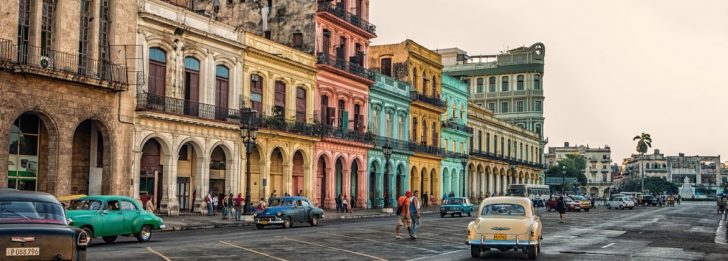
Havana is one of the most visually striking capitals in the Caribbean.
Sitting along the Straits of Florida, the city blends fading colonial mansions, 1950s American cars, live salsa drifting from open windows, and sweeping sea views along the Malecón.
As the capital of Cuba, Havana is the political and cultural heart of the island, with neighborhoods that feel frozen in time yet pulsing with music and daily life.
From a safety standpoint, Havana has long held a reputation as one of the safer large cities in Latin America and the Caribbean.
Violent crime against tourists is relatively rare compared to many regional capitals.
However, economic hardship has increased petty theft and scams in recent years.
So while Havana is not a high-violence destination, it does require awareness, especially when it comes to money, infrastructure, and daily logistics.
Warnings & Dangers in Havana

OVERALL RISK: MEDIUM
Havana is generally considered safer than many major cities in the Americas in terms of violent crime. Tourists rarely experience serious incidents. However, petty theft, scams, and infrastructure-related challenges are common. Visitors who practice basic urban awareness typically have trouble-free stays.

TRANSPORT & TAXIS RISK: MEDIUM
Official taxis and classic car services are widely used and generally safe. The risk lies more in overcharging than in physical danger. Public buses are crowded and not practical for most tourists. Always agree on fares in advance when using non-metered taxis.

PICKPOCKETS RISK: MEDIUM
Pickpocketing occurs in crowded areas such as Old Havana and near popular attractions. It is rarely aggressive but opportunistic. Keep valuables secure and avoid displaying phones or wallets openly in busy streets.

NATURAL DISASTERS RISK: MEDIUM
Havana is vulnerable to hurricanes, especially between June and November. Flooding can occur along coastal areas during strong storms. The city is not earthquake prone, but weather disruptions can affect travel plans significantly.

MUGGING RISK: LOW
Violent muggings are uncommon compared to other regional capitals. Police presence is visible in tourist districts. Still, isolated areas late at night should be avoided.

TERRORISM RISK: LOW
There is no meaningful record of terrorist attacks targeting tourists in Havana. Security risks are not related to ideological violence.

SCAMS RISK: MEDIUM
Scams are one of the most common issues visitors face. These can include currency confusion, fake cigars, unofficial tour offers, or friendly strangers guiding you to specific restaurants for commission.

WOMEN TRAVELERS RISK: MEDIUM
Havana is relatively safe for solo female travelers in the central districts. Harassment can occur verbally, but is usually not aggressive. Standard precautions apply, particularly after dark.

TAP WATER RISK: HIGH
Tap water is not considered safe for drinking. Stick to bottled water and avoid ice unless certain of its source.
Safest Places to Visit in Havana
Safety in Havana is closely tied to tourism density and police visibility.
Old Havana (Habana Vieja) is heavily patrolled and filled with visitors throughout the day.
Main plazas such as Plaza Vieja and Plaza de la Catedral are lively and generally secure.
The constant flow of tourists and local vendors creates a monitored atmosphere.
Vedado is a more residential district with embassies, hotels, and cultural venues.
It feels more spacious and less crowded than Old Havana.
Streets near major hotels and along Avenida 23 are usually safe, particularly during daylight hours.
Miramar is one of Havana’s more upscale neighborhoods, home to diplomatic residences and larger hotels.
It is quieter and tends to feel calmer, though distances between attractions are greater.
The Malecón, Havana’s famous seaside promenade, is popular at sunset.
It is generally safe in the early evening when locals gather, but late night visits should be done with caution.
Places to Avoid in Havana
Havana does not have clearly marked “no go” zones for tourists in the same way some Latin American cities do, but certain areas require caution.
Poorly lit residential blocks far from main tourist corridors can feel isolated at night.
While not necessarily dangerous, reduced foot traffic increases vulnerability to petty theft.
Be cautious in parts of Central Havana that lack active businesses after dark.
During the day, these neighborhoods are lively and safe enough to explore, but at night, the atmosphere changes.
Avoid following strangers who offer to take you to “special” clubs, cigar deals, or private currency exchanges.
These situations often lead to scams or inflated charges.
The biggest risks in Havana are not violent confrontations but economic opportunism.
If something feels unusually urgent, secretive, or too good to be true, it likely is.
Safety Tips for Traveling to Havana
- Understand the Currency System Before Arrival. Cuba’s financial system can be confusing. Research how payments work, what currency is currently in circulation, and where cards are accepted. Many places operate on cash. Being financially prepared prevents stressful situations and reduces vulnerability to scams.
- Carry Small Bills and Separate Your Cash. Large bills can be difficult to break and may attract attention. Divide your money between different pockets or bags so that you never expose your full amount when paying.
- Book Accommodation Carefully. Whether staying in a hotel or a private casa particular, confirm reviews and location. Staying in Old Havana, Vedado, or Miramar reduces transportation challenges and increases safety.
- Agree on Taxi Fares Before the Ride. Many taxis do not use meters. Confirm the price clearly before entering the vehicle. If possible, ask your host or hotel for standard fare estimates to avoid overpaying.
- Be Skeptical of Street “Helpers”. Friendly locals may approach offering restaurant recommendations, tours, or currency exchange. Some are genuine, but many work on commission. Politely decline unless you have independently verified the offer.
- Limit Nighttime Wandering in Empty Areas. Havana feels vibrant at dusk, especially along the Malecón, but late at night, some streets become poorly lit and quiet. Use taxis if returning to your accommodation after midnight.
- Protect Electronics Discreetly. Avoid walking while looking down at your phone. Use it inside cafés or against a wall rather than in open pedestrian flow.
- Prepare for Hurricane Season. If traveling between June and November, monitor weather forecasts closely. Have a flexible itinerary and understand your accommodation’s storm procedures.
- Avoid Illegal Purchases. Offers for discounted cigars or rum from unofficial sellers are common. Counterfeit products are widespread. Purchase only from official stores to avoid both scams and legal trouble.
- Keep Copies of Important Documents. Internet access can be limited and inconsistent. Keep physical copies of your passport and travel insurance, and store digital backups offline.
Havana rewards observant travelers.
It is not a city where you rush.
Moving slowly, paying attention, and understanding local realities dramatically improve both safety and enjoyment.
So... How Safe Is Havana Really?
From a regional comparison standpoint, Havana stands out as relatively low in violent crime against tourists.
Police presence in central areas is noticeable, and serious assaults on visitors are uncommon.
However, economic pressure has increased petty crime and informal hustling.
The biggest challenges for tourists tend to involve money, scams, and infrastructure limitations rather than physical danger.
In my assessment, Havana is safer than many large Latin American capitals when it comes to violent crime, but it requires financial awareness and patience.
Travelers who stay in central districts, manage their money carefully, and avoid unofficial deals typically report positive and safe experiences.
Havana is less about fear and more about preparation.
How Does Havana Compare?
| City | Safety Index |
|---|---|
 Havana Havana |
55 |
| Varadero |
70 |
 White Bay White Bay | 92 |
 Old Saybrook Old Saybrook | 91 |
| Maysville | 85 |
 Coron Coron | 79 |
| Rhode Island | 85 |
| El Reno | 78 |
Useful Information

Visas
Most travelers require a tourist card to enter Cuba, valid for stays up to 30 days and often extendable. Requirements vary by nationality, so confirm with your airline or consulate before departure.

Currency
Cuba primarily uses the Cuban peso. Cash is essential, as foreign cards are not always accepted. Bring sufficient funds in widely accepted currencies and exchange them at official locations.

Weather
Havana has a tropical climate with warm temperatures year round. Lightweight clothing is ideal, but pack rain protection during hurricane season.

Airports
José Martí International Airport is the main gateway to Havana, located about 30 minutes from the central districts. Pre-arranged taxis or official airport taxis are the safest transport options.

Travel Insurance
Travel insurance is highly recommended and often required for entry. Ensure it covers medical treatment, hurricane-related disruptions, and evacuation if necessary.
Havana Weather Averages (Temperatures)
Average High/Low Temperature
| Temperature / Month | Jan | Feb | Mar | Apr | May | Jun | Jul | Aug | Sep | Oct | Nov | Dec |
|---|---|---|---|---|---|---|---|---|---|---|---|---|
| High °C |
26 | 26 | 27 | 28 | 29 | 30 | 32 | 32 | 31 | 30 | 28 | 26 |
| Low °C |
18 | 19 | 19 | 21 | 22 | 23 | 24 | 24 | 24 | 23 | 21 | 19 |
| High °F |
79 | 79 | 81 | 82 | 84 | 86 | 90 | 90 | 88 | 86 | 82 | 79 |
| Low °F |
64 | 66 | 66 | 70 | 72 | 73 | 75 | 75 | 75 | 73 | 70 | 66 |
Cuba - Safety by City
| City | Safety Index |
|---|---|
| Havana | 55 |
| Varadero | 70 |












My home
I grew up in Cuba. My family and I moved to the US when I was about 8 maybe 9 years old. I hadn’t gone back for many years until recently in 2012. I started making a point of going every other year to see family and just take in everything I grew up around as a child. The city is beautiful. It may not be the best or the safest but it was my first home and I still love it.
A lot of scammers
They should really do something about the scammy people there. Don’t act all tourist-y there, there are LOTS of people who want to charge you for a lot of random things you didn’t ask for, either the person from a shady street or even your taxi driver if you didn’t choose your taxi carefully. After that stress, you can enjoy a mojito there just like I did! Hope this helps 😉
So much to see
Just a few places you should definitely visit while you’re in Havanna: Fabrica De Arte Cubano, Fusterlandia, Plaza Vieja, El Morro, El Capitolio, Museo Hemingway Finca Vigia or Gran Teatro de la Habana.
La Habana es segura
La Habana es una ciudad segura tanto de día como de noche.
Had such a good time strolling along the Malecón and soaking in the vibe of the city; the view at sunset is just incredible.
The mix of crumbling facades, old Chevys rattling past, and that salty breeze on the Malecón at sunset still sticks with me, but you really do feel people hustling a bit harder around tourists these days.
Did you notice whether those 1950s cars still feel like part of everyday life or are they mostly for show, because when I walked the Malecón the rumble of an old coupe and the salty sea breeze made me feel strangely at home?
Yeah sure, nothing like dodging scooters and fake taxi offers while trying to enjoy the salsa vibes and those classic cars on the Malecón.
Last time I was there, cruising down the Malecón at sunset with salsa playing made the whole city feel alive even with its worn-out charm.