 Philippines : Safety by City
- Bohol
- Boracay
- Cebu City
- Coron
- Davao City
- El Nido
- Iloilo
- Makati
- Manila
- Panglao
- Puerto Princesa
- Quezon City
- Samal Island
- Siargao
- Siquijor
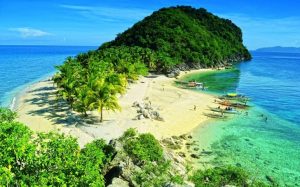
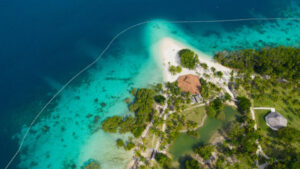
Siquijor is one of those Philippine islands that feels like it was designed for slow mornings, scooter rides, waterfalls, and sunset dinners by the sea.
It sits in the Central Visayas, southeast of Negros and northwest of Mindanao, and is much smaller and quieter than big-name islands like Cebu, Bohol, or Palawan.
For years, Siquijor carried a mystical reputation because of local healing traditions, folklore, and stories about witchcraft, but travelers today mostly come for Cambugahay Falls, white-sand beaches, coral reefs, cliff jumps, caves, and a wonderfully relaxed island pace.
Safety-wise, Siquijor is generally one of the easier Philippine destinations to enjoy, especially for travelers who respect the roads, the ocean, and the weather.
Warnings & Dangers in Siquijor

OVERALL RISK: LOW
Siquijor is generally a safe destination for tourists. Violent crime is uncommon, the island is laid-back, and locals are usually friendly toward visitors. The biggest risks are not usually crime-related, but practical: scooter accidents, rough ferry crossings, dehydration, sun exposure, and occasional weather disruptions during storm season.

TRANSPORT & TAXIS RISK: MEDIUM
Transport is one of Siquijor’s main safety concerns. Most visitors rent scooters, and the roads can be narrow, dark at night, uneven, or slippery after rain. Helmets are essential. Tricycles and private drivers are safer options if you are not comfortable riding. Taxis are limited, so plan transport ahead.

PICKPOCKETS RISK: LOW
Pickpocketing is not a major issue in Siquijor compared with busier Philippine cities and beach hubs. Still, petty theft can happen around beaches, ferry terminals, waterfalls, and crowded tourist stops. Do not leave phones, wallets, cameras, or bags unattended while swimming or taking photos.

NATURAL DISASTERS RISK: MEDIUM
Siquijor is in the Philippines, so tropical storms, typhoons, heavy rain, earthquakes, landslides, rough seas, and ferry cancellations are real concerns. The island is not usually considered as storm-exposed as some eastern Philippine destinations, but weather can still disrupt travel. Always check conditions before boat trips.

MUGGING RISK: LOW
Muggings are rare in Siquijor, especially in tourist areas such as San Juan, Larena, Lazi, and Siquijor town. The island has a calm, community-based feel. Travelers should still avoid isolated roads late at night, especially after drinking, and should not flash large amounts of cash.

TERRORISM RISK: LOW
Siquijor is not in the high-risk areas of the Philippines typically associated with terrorism or kidnapping concerns. It is in the Central Visayas, far from the southern conflict zones that appear in many international travel warnings. General awareness is still wise, but terrorism is not a major tourist concern here.

SCAMS RISK: LOW
Siquijor is not a heavy scam destination, but small tourist overcharges can happen. Common issues include unclear scooter rental damage claims, inflated tricycle prices, or vague island tour pricing. Agree on prices before starting a ride or tour, photograph rented vehicles, and use trusted rental shops.

WOMEN TRAVELERS RISK: LOW
Siquijor is generally safe for women travelers, including solo travelers. The island is quieter than major nightlife destinations, and harassment is not commonly reported as a major issue. Standard precautions still apply: avoid isolated beaches at night, keep transport arranged, limit alcohol, and trust your instincts.

TAP WATER RISK: MEDIUM
Tap water in Siquijor is not something I would casually recommend drinking. Many travelers stick to bottled, filtered, or refilled purified water. Use filtered water for brushing your teeth if you have a sensitive stomach. Resorts and guesthouses usually know where to refill safely, which also cuts plastic waste.
Safest Places to Visit in Siquijor
San Juan
San Juan is probably the easiest base for most first-time visitors.
It has many guesthouses, resorts, restaurants, beach bars, dive shops, and sunset spots.
Because so many travelers stay here, transport is easier to arrange, and you are less likely to feel isolated.
The beaches are calm in many areas, but watch for rocks, sea urchins, and shallow reef sections.
Cambugahay Falls
Cambugahay Falls is one of the most famous attractions on the island, and it is generally safe when visited with common sense.
Go earlier in the day to avoid heavier crowds, wear shoes with grip, and be careful on wet steps.
Rope swings and jumping spots can be fun, but only use them if water levels are safe and you are confident.
Lazi and the Old Balete Tree Area
Lazi is a pleasant area for travelers who want a slower, more cultural side of Siquijor.
The historic church and convent are popular stops, and the Old Balete Tree is a classic tourist visit.
These areas are usually low-risk during the day, with the main caution being road safety between attractions.
Paliton Beach
Paliton Beach is one of Siquijor’s prettiest sunset spots.
It is generally safe, relaxed, and popular with travelers, especially in the late afternoon.
Bring only what you need, keep your bag near you, and avoid leaving valuables on the sand while swimming.
Tubod Marine Sanctuary
Tubod Marine Sanctuary is a great option for snorkeling in a relatively organized setting.
It is best for travelers who want to enjoy marine life without going far offshore.
Wear reef-safe sunscreen, avoid stepping on coral, and check tide conditions before going.
Places to Avoid in Siquijor
Empty Roads Late at Night
Siquijor does not have many “dangerous neighborhoods” in the way a large city might.
The biggest avoidable risk is riding or walking along dark, quiet roads late at night.
Street lighting can be limited, dogs may wander onto roads, and drunk or tired scooter riding is a bad idea.
Isolated Beaches After Dark
Quiet beaches are part of Siquijor’s charm, but they are not ideal places to hang around alone late at night.
The risk of serious crime is low, but isolation creates problems if you lose your phone, get injured, meet someone pushy, or cannot find transport back to your accommodation.
Waterfalls During Heavy Rain
Cambugahay Falls, Lagaan Falls, Lugnason Falls, and other swimming spots can become more dangerous during or after heavy rain.
Rocks get slippery, currents can strengthen, and water clarity drops.
If locals advise against swimming, listen.
A waterfall that looks calm in photos can be very different after a storm.
Remote Scooter Routes If You Are Inexperienced
Do not use Siquijor as your first experiment with scooter riding.
The island looks easy, but unfamiliar roads, gravel patches, sharp turns, steep sections, rain, and dogs can create real hazards.
If you do rent a scooter, avoid remote routes until you are comfortable and never ride without a helmet.
Ferry Travel During Bad Weather
Siquijor depends heavily on sea connections to places like Dumaguete, Cebu, Bohol, and other nearby islands.
During rough weather, ferries can be delayed or canceled.
Do not push tight airport connections during storm season.
Build in extra time, especially if you need to catch an international flight.
Safety Tips for Traveling to Siquijor
- Take scooter safety seriously. A scooter is the classic way to explore Siquijor, but it is also one of the main ways tourists get hurt. Wear a helmet, drive slowly, avoid riding after drinking, and never assume the road will stay smooth around the next bend. If you are inexperienced, hire a tricycle or driver instead.
- Check your rental scooter before leaving. Before you ride off, inspect the brakes, tires, lights, mirrors, horn, and fuel level. Take photos or a quick video of scratches and dents so you are not blamed later. Confirm the daily price, return time, fuel policy, and whether the rental includes helmets.
- Do not underestimate the sun. Siquijor can feel breezy, especially when you are riding a scooter or swimming, but the tropical sun is strong. Sunburn and dehydration can ruin a trip fast. Carry water, use sunscreen, wear a hat, and take breaks in the shade during midday.
- Keep ferry plans flexible. Ferries are generally safe, but weather can change plans quickly. If you are leaving Siquijor to catch a flight from Dumaguete, Cebu, or Bohol, do not schedule your ferry too close to departure time. Give yourself a buffer day when possible during rainy or typhoon season.
- Be cautious around waterfalls. Siquijor’s waterfalls are gorgeous, but wet stone is unforgiving. Walk slowly, use shoes with grip, and avoid jumping unless you are sure the water is deep enough. Do not copy what another traveler does just because it looks good for a video.
- Protect your valuables at beaches and swimming spots. Petty theft is not a huge problem, but opportunity theft exists everywhere. Bring only the essentials to waterfalls and beaches. Use a dry bag, keep your phone and wallet close, and avoid leaving bags unattended while everyone in your group swims.
- Ask locals about ocean conditions. Some beaches are calm and shallow, while others may have rocks, sea urchins, sharp coral, currents, or changing tides. Ask your guesthouse or a local guide where it is safe to swim. Water shoes are useful, especially if you plan to snorkel or explore reefy areas.
- Carry enough cash. Siquijor has ATMs, but they can be limited, out of service, or far from your accommodation depending on where you stay. Bring enough cash for transport, food, entrance fees, scooter rentals, and emergencies. Keep your cash split between two places rather than carrying everything in one wallet.
- Choose accommodation based on transport access. A remote guesthouse can be peaceful, but it may become inconvenient if you do not ride a scooter. Before booking, check whether restaurants, beaches, or transport options are nearby. If you want the easiest stay, San Juan is usually the most practical base.
- Respect the island’s slower rhythm. Siquijor is not a place to rush. Roads are relaxed, service can be slower, ferry schedules can shift, and weather sometimes wins. Build flexible days into your itinerary. The safer way to enjoy Siquijor is to move slowly, ask questions, and avoid squeezing too much into one day.
So... How Safe Is Siquijor Really?
Siquijor is very safe by Philippine island standards, especially when it comes to violent crime.
Most travelers visit without serious problems, and the island has a gentler, less chaotic feel than larger urban areas.
It is small, community-oriented, and tourism is spread around beach towns, waterfalls, sanctuaries, and rural roads rather than concentrated in one loud party zone.
That said, “safe” does not mean risk-free.
The real safety picture in Siquijor is more about environment and logistics than crime.
Roads are the biggest day-to-day concern.
Many travelers rent scooters, and accidents can happen because of poor lighting, rain, loose gravel, unfamiliar traffic habits, and overconfidence.
Water safety is another important issue, especially around rocks, waterfalls, currents, and coral.
Weather also matters.
Siquijor sits in a country that deals with tropical storms, heavy rain, rough seas, and occasional earthquakes.
Ferry cancellations are not just an inconvenience; they can affect flights, hotel bookings, and onward travel plans.
Overall, I would consider Siquijor a low-risk destination for prepared travelers and a medium-risk destination for careless scooter riders.
If you drive carefully, keep plans flexible, avoid isolated areas late at night, and respect the water, Siquijor is one of the most relaxing and rewarding islands in the Philippines.
How Does Siquijor Compare?
| City | Safety Index |
|---|---|
| Siquijor |
78 |
| Boracay |
76 |
| Makati |
60 |
| El Nido |
80 |
| Coron |
79 |
| Panglao |
79 |
| Iloilo |
70 |
 Tarija Tarija | 73 |
 Carson City Carson City | 77 |
| Honolulu | 65 |
| Carthage | 80 |
| Fishers | 92 |
| Gulfport | 58 |
Useful Information

Visas
Many tourists can enter the Philippines visa-free for short stays, often up to 30 days depending on nationality. Extensions are usually available through immigration offices for travelers who want to stay longer. Always check entry rules before traveling, and make sure your passport has enough validity and onward travel proof.

Currency
The currency in Siquijor is the Philippine peso. Cash is important because small restaurants, local transport, entrance fees, and shops may not accept cards. ATMs are available but not everywhere, so bring enough cash from Dumaguete, Cebu, or Bohol if you can.

Weather
Siquijor is warm year-round, with lightweight clothing being the best choice. Pack swimwear, sandals, breathable shirts, sunscreen, and a light rain jacket. The drier months are generally better for beach days and scooter travel, while the rainy season can bring sudden showers, rough seas, and ferry disruption.

Airports
Siquijor has a small airport, but most travelers arrive by ferry from Dumaguete, Cebu, Bohol, or nearby islands. Dumaguete is one of the most common airport gateways, followed by a ferry connection to Siquijor. Cebu is another popular option, especially for international or longer domestic routes.

Travel Insurance
Travel insurance is strongly recommended for Siquijor, especially if you plan to rent a scooter, snorkel, dive, hike, or visit waterfalls. Medical facilities on a small island can be limited, and serious injuries may require transfer to a larger city. Good insurance can save money and stress.
Siquijor Weather Averages (Temperatures)
Average High/Low Temperature
| Temperature / Month | Jan | Feb | Mar | Apr | May | Jun | Jul | Aug | Sep | Oct | Nov | Dec |
|---|---|---|---|---|---|---|---|---|---|---|---|---|
| High °C |
25 | 25 | 26 | 26 | 27 | 27 | 26 | 26 | 26 | 26 | 26 | 26 |
| Low °C |
30 | 28 | 30 | 31 | 30 | 31 | 31 | 31 | 31 | 31 | 30 | 30 |
| High °F |
77 | 77 | 79 | 79 | 81 | 81 | 79 | 79 | 79 | 79 | 79 | 79 |
| Low °F |
86 | 82 | 86 | 88 | 86 | 88 | 88 | 88 | 88 | 88 | 86 | 86 |
Philippines - Safety by City
| City | Safety Index |
|---|---|
| Bohol | 79 |
| Boracay | 76 |
| Cebu City | 60 |
| Coron | 79 |
| Davao City | 75 |
| El Nido | 80 |
| Iloilo | 70 |
| Makati | 60 |
| Manila | 50 |
| Panglao | 79 |
| Puerto Princesa | 77 |
| Quezon City | 55 |
| Samal Island | 73 |
| Siargao | 73 |
| Siquijor | 78 |