


 Greece : Safety by City
- Athens
- Chania
- Corfu
- Crete
- Heraklion
- Kavala
- Kos
- Mykonos
- Nafplio
- Patras
- Rethymno
- Rhodes
- Santorini
- Thessaloniki
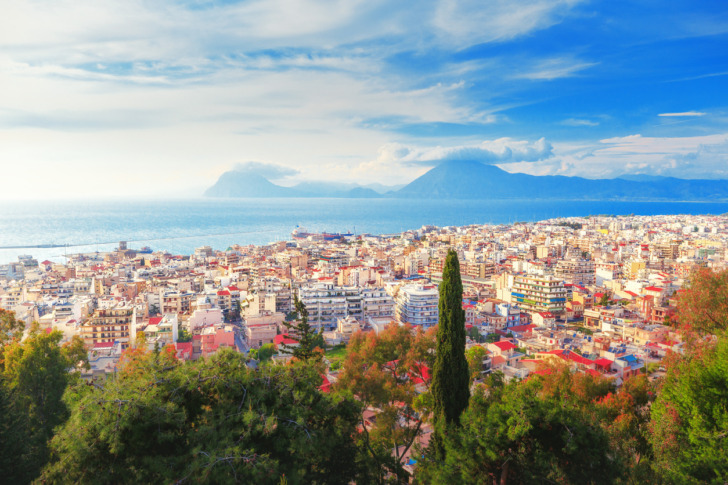
Patras is one of those Greek cities that does not always get the glossy postcard treatment, which is exactly why I find it interesting.
Sitting on the northern coast of the Peloponnese, facing the Gulf of Patras, it is Greece’s third-largest city and a major port connection to Italy and the Ionian islands.
It has ancient ruins, a famous carnival, a big student population, lively squares, neoclassical buildings, and a very real working-city energy.
Patras is not as polished as Santorini or as tourist-saturated as Athens, but that is part of its charm.
You get culture, nightlife, ferries, local food, and history without feeling like you are walking through a theme park.
For travelers, it is generally safe, but like any busy port city, it rewards common sense.
Warnings & Dangers in Patras

OVERALL RISK: LOW
Patras is generally a safe city for tourists, especially around central squares, historic sites, waterfront areas, hotels, restaurants, and main shopping streets. Violent crime against visitors is uncommon. The main concerns are petty theft, traffic awareness, occasional nightlife issues, and normal urban caution around isolated areas late at night.

TRANSPORT & TAXIS RISK: LOW
Public transportation, taxis, intercity buses, and ferries are usually safe in Patras. Taxis are widely used, but it is smart to use official taxi ranks, ask for the meter, or confirm the price before longer rides. Traffic can feel a little chaotic if you are used to very orderly driving, especially near the port and central roads.

PICKPOCKETS RISK: MEDIUM
Pickpocketing is not rampant in Patras, but it can happen in busy areas such as the port, bus stations, crowded squares, festivals, nightlife zones, and during Carnival season. Keep your phone and wallet secure, avoid leaving bags on café chairs, and be extra aware in crowded transit areas.

NATURAL DISASTERS RISK: MEDIUM
Patras sits in a region where earthquakes are possible, and Greece also faces seasonal wildfire risks, heatwaves, storms, and occasional flooding. These events are not daily travel worries, but they are worth respecting. In summer, pay close attention to fire warnings and avoid hiking or driving near active fire zones.

MUGGING RISK: LOW
Muggings are not a major tourist concern in Patras. Most visitors walk around without trouble, especially in the central and busier parts of the city. Still, late-night solo walks through poorly lit or empty streets are never a great idea. Use taxis after a long night out if you are unsure.

TERRORISM RISK: LOW
The terrorism risk in Patras is low. Greece has had isolated politically motivated incidents in the past, mostly connected to larger cities and official targets, but Patras is not known as a major terrorism hotspot. Travelers should still stay alert in large crowds, transportation hubs, and during major public events.

SCAMS RISK: LOW
Patras is not heavily scammy compared with more tourist-packed destinations. The most likely issues are overcharging, unclear taxi fares, inflated prices during busy events, or small tricks around nightlife and port areas. Check menus, confirm prices, and use licensed services. Most locals are straightforward and helpful.

WOMEN TRAVELERS RISK: LOW
Patras is generally safe for women travelers, including solo travelers. The city has a youthful, student-heavy atmosphere, and central areas are active into the evening. Basic precautions still matter: watch drinks, avoid empty streets late at night, use trusted taxis, and choose accommodation near the center or waterfront.

TAP WATER RISK: LOW
Tap water in Patras is generally considered safe to drink. Some travelers may prefer bottled water because of taste, especially if they are sensitive to mineral differences. For everyday use, brushing teeth, washing fruit, and filling a reusable bottle should be fine in most parts of the city.
Safest Places to Visit in Patras
Agios Andreas Cathedral
Agios Andreas Cathedral is one of the safest and most impressive places to visit in Patras.
It is a major landmark, easy to reach, and surrounded by active streets where tourists and locals mix throughout the day.
The area feels calm, open, and comfortable, making it a good starting point for first-time visitors.
Georgiou I Square
Georgiou I Square is the city’s central gathering point and one of the best places to get a feel for Patras.
It is busy, visible, and surrounded by cafés, shops, restaurants, and pedestrian-friendly streets.
As with any central square, keep an eye on your belongings, but the atmosphere is generally relaxed and social.
Patras Castle
The Castle of Patras is a great daytime stop with views over the city and gulf.
The area around the castle is quieter than the lower city, so I would visit during the day rather than late at night.
It is safe, scenic, and worthwhile for travelers who enjoy history without huge tourist crowds.
Archaeological Museum of Patras
This is one of the safest, easiest attractions in the city.
It is organized, calm, and ideal for travelers who want culture without dealing with crowds.
The museum is especially good if you want context on ancient Achaea, Roman Patras, mosaics, and the city’s deeper history.
Psila Alonia Square
Psila Alonia is a pleasant square with a local feel, cafés, greenery, and good views.
It is usually comfortable during the day and early evening.
It is not dangerous, but like many urban squares, it is better enjoyed when people are around rather than very late at night.
Achaia Clauss Winery
Achaia Clauss, just outside the city center, is one of the most interesting and safe excursions near Patras.
It is best reached by taxi, rental car, or organized transport.
The winery setting feels peaceful and controlled, and it is a nice break from the port-city energy.
Places to Avoid in Patras
Isolated Port Areas Late at Night
The port is important, active, and not automatically unsafe, but port zones can feel rougher after dark, especially around empty stretches, parking areas, and less-trafficked side streets.
During the day, the area is fine for ferry travel and walking nearby.
Late at night, stick to main roads and use a taxi if needed.
Empty Streets Around Transport Hubs
Bus stations, ferry arrival points, and taxi areas are generally safe, but they attract distracted travelers carrying luggage, phones, passports, and cash.
That combination can invite petty theft.
Avoid lingering with bags unattended, especially late at night or during busy arrivals and departures.
Poorly Lit Backstreets After Midnight
Patras has lively nightlife, but the mood can shift quickly once you leave the main streets and squares.
Empty backstreets are not places to wander aimlessly after midnight, especially if you have been drinking or do not know the neighborhood.
Stay on lit, active roads and avoid shortcuts through quiet areas.
Crowded Carnival Zones Without Precautions
Patras Carnival is famous and fun, but big crowds create ideal conditions for pickpockets, lost phones, separated groups, and alcohol-related problems.
The event itself is not something to avoid, but you should avoid carrying valuables, wearing an open backpack, or assuming normal daytime safety rules apply.
Remote Suburban Areas Without a Reason
Most tourists have little reason to wander far into residential or industrial outskirts.
These areas are not necessarily dangerous, but they offer fewer services, fewer pedestrians, and less tourist infrastructure.
If you are exploring beyond the center, plan your route and know how you will get back.
Safety Tips for Traveling to Patras
- Stay aware around the port. Patras is a major ferry and commercial port, which gives the city much of its character. It also means travelers are constantly arriving, leaving, carrying luggage, checking phones, and looking distracted. That is when petty theft becomes easier. Keep bags zipped, do not leave luggage unattended, and avoid flashing cash or documents while waiting for transport.
- Use official taxis or trusted ride arrangements. Taxis in Patras are generally safe, but travelers should still use official taxis, taxi ranks, hotel-arranged rides, or reputable local services. Before longer rides, confirm whether the meter will be used or agree on the fare. This is especially useful when traveling to Araxos Airport, nearby beaches, wineries, or suburban areas.
- Be extra careful during Carnival season. Patras Carnival is one of the city’s biggest claims to fame and one of the most exciting times to visit. It is also when the city gets crowded, loud, and chaotic. Bring only what you need, use a crossbody bag or money belt, keep your phone secure, and decide on a meeting point in case your group gets separated.
- Watch your belongings in cafés and squares. Patras has a wonderful café culture, and it is easy to relax into it. Just do not relax so much that your phone sits on the edge of the table or your bag hangs loosely over a chair. In busy central areas, keep valuables in front of you or in your lap. This one small habit prevents a lot of trouble.
- Avoid empty streets late at night. Patras is not a city where you need to be afraid of walking, but late-night judgment matters. Stick to busy streets, central squares, and well-lit areas. If your hotel is far from the nightlife zone or you are tired, take a taxi. The cost is usually worth the comfort, especially if you are traveling alone.
- Treat Greek driving like its own sport. Driving in and around Patras can feel energetic, especially near the port, central roads, and highway connections. If you rent a car, drive defensively, watch for scooters, check parking rules, and avoid assuming that every driver will behave predictably. Pedestrians should also be alert at crossings, even where they technically have priority.
- Plan around heat in summer. Summer in Patras can be hot, and heat can become a real safety issue if you spend all day walking without water or shade. Pack breathable clothing, sunglasses, sunscreen, and a refillable bottle. Sightsee earlier in the morning or later in the afternoon, especially if visiting uphill areas like the castle.
- Know basic earthquake behavior. Earthquakes are a reality in Greece, even though most trips happen without incident. If shaking starts indoors, move away from windows and heavy objects, drop low, cover your head and neck, and wait until it stops. Afterward, avoid elevators and follow local instructions. It sounds dramatic, but knowing the basics helps you stay calm.
- Do not underestimate ferry-day confusion. If you are using Patras as a ferry gateway to Italy or the Ionian region, give yourself extra time. Port travel can involve traffic, queues, luggage, ticket checks, and last-minute confusion. Rushing makes people careless. Keep passports, tickets, and essentials in one secure place and arrive earlier than you think you need to.
- Choose accommodation in practical areas. For a first visit, staying near the center, waterfront, Georgiou I Square, Agios Andreas, or well-reviewed hotel zones makes life easier. You will have better access to restaurants, taxis, walking routes, and main attractions. A cheaper place far from the center may save money, but it can create transportation headaches at night.
So... How Safe Is Patras Really?
Patras is safe for most travelers, but it is not a sleepy resort town.
That distinction matters.
It is a real Greek city with a working port, universities, nightlife, traffic, festivals, old neighborhoods, commercial areas, and local routines that continue whether tourists are there or not.
That gives Patras a more authentic feeling than some polished destinations, but it also means travelers should use normal city awareness.
The main risks are petty theft, especially around crowded events and transport areas, plus late-night caution in quiet streets.
Violent crime is not a major issue for visitors.
Most tourists will spend their time around central squares, churches, museums, restaurants, cafés, the waterfront, and nearby excursions, all of which are generally comfortable.
The city’s risk profile is also shaped by natural hazards.
Earthquakes are possible in the region, summer heat can be intense, and wildfire conditions can affect wider travel plans in Greece.
These are not reasons to avoid Patras, but they are reasons to stay informed.
My honest take: Patras is a low-risk destination for sensible travelers.
It is not flawless, and it is not postcard-perfect everywhere, but it is friendly, culturally rich, energetic, and easy enough to navigate if you treat it like the lively port city it is.
How Does Patras Compare?
| City | Safety Index |
|---|---|
| Patras |
74 |
| Chania |
83 |
| Santorini |
78 |
| Mykonos |
76 |
| Thessaloniki |
63 |
| Kos |
81 |
| Nafplio |
81 |
 Miles City Miles City | 78 |
| Kettle Falls | 78 |
 Florence Florence | 72 |
 Braga Braga | 87 |
| Pembroke Pines | 77 |
 Noida Noida | 71 |
Useful Information

Visas
Patras is in Greece, which is part of the Schengen Area. Many tourists from visa-exempt countries can visit for up to 90 days within a 180-day period. Travelers who need a Schengen visa should apply before arrival through the proper Greek consular process. Fees commonly vary by age and visa category.

Currency
The currency in Patras is the euro. Credit and debit cards are widely accepted in hotels, restaurants, shops, and larger attractions, but it is smart to carry some cash for taxis, small cafés, markets, and local buses. ATMs are easy to find, though bank ATMs are usually better than private exchange machines.

Weather
Patras has a Mediterranean climate with hot, dry summers and mild, wetter winters. Summer travelers should pack light clothing, sunscreen, sunglasses, and comfortable walking shoes. Spring and fall are especially pleasant for sightseeing. In winter, bring a light jacket and expect some rain, especially from November through February.

Airports
The closest airport is Araxos Airport, which handles seasonal and regional flights and is located outside Patras. Many travelers also arrive through Athens International Airport, then continue by bus, car, or train-bus connections. From Araxos, taxis and buses can connect travelers to Patras, though schedules should be checked in advance.

Travel Insurance
Travel insurance is a smart idea for Patras, especially if you are using ferries, renting a car, visiting during summer wildfire season, or combining Greece with other European destinations. Look for coverage that includes medical care, trip delays, lost luggage, ferry disruptions, and emergency assistance. It is one of those boring purchases you are grateful for when plans wobble.
Patras Weather Averages (Temperatures)
Average High/Low Temperature
| Temperature / Month | Jan | Feb | Mar | Apr | May | Jun | Jul | Aug | Sep | Oct | Nov | Dec |
|---|---|---|---|---|---|---|---|---|---|---|---|---|
| High °C |
13 | 14 | 16 | 19 | 24 | 29 | 32 | 32 | 28 | 24 | 19 | 15 |
| Low °C |
5 | 6 | 7 | 10 | 14 | 18 | 20 | 21 | 18 | 14 | 10 | 7 |
| High °F |
55 | 57 | 61 | 66 | 75 | 84 | 90 | 90 | 82 | 75 | 66 | 59 |
| Low °F |
41 | 43 | 45 | 50 | 57 | 64 | 68 | 70 | 64 | 57 | 50 | 45 |
Greece - Safety by City
| City | Safety Index |
|---|---|
| Athens | 68 |
| Chania | 83 |
| Corfu | 81 |
| Crete | 82 |
| Heraklion | 82 |
| Kavala | 75 |
| Kos | 81 |
| Mykonos | 76 |
| Nafplio | 81 |
| Patras | 74 |
| Rethymno | 79 |
| Rhodes | 83 |
| Santorini | 78 |
| Thessaloniki | 63 |


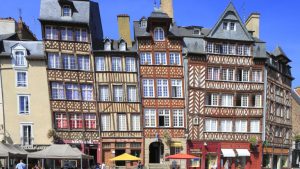












The carnival there surprised me with how wild and fun it got, totally different vibe from other places in Greece.
Caught the carnival once and the energy there just sticks with you all day.