 Greece : Safety by City
- Athens
- Chania
- Corfu
- Crete
- Heraklion
- Kavala
- Kos
- Mykonos
- Nafplio
- Patras
- Rethymno
- Rhodes
- Santorini
- Thessaloniki
Chania is one of those places that makes you slow down without realizing it.
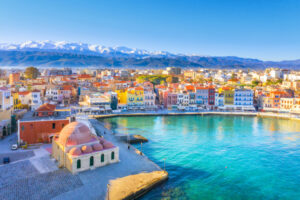
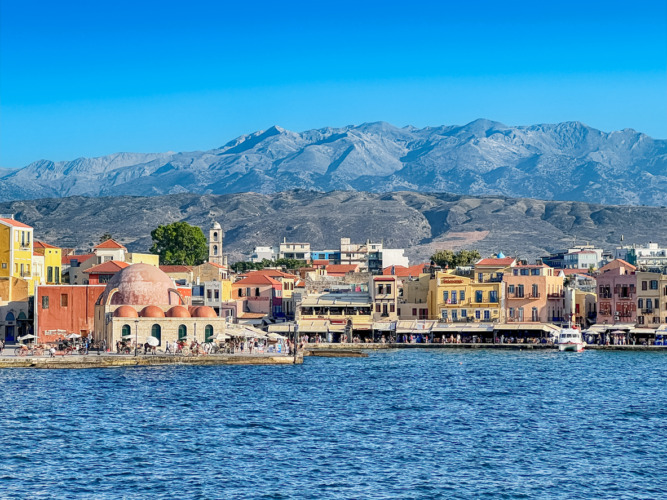
Set on the northwest coast of Crete, Greece’s largest island, it mixes Venetian harbor views, Ottoman-era streets, mountain backdrops, beaches, markets, and that wonderfully Cretan habit of turning a simple meal into a three-hour event.
The city is smaller and calmer than Athens, more atmospheric than a standard beach resort, and one of the best bases for exploring western Crete.
Safety-wise, Chania is very friendly to tourists, but it is not a “turn your brain off completely” destination.
The main things to watch for are summer heat, busy roads, crowded tourist areas, beach theft, and the occasional overpriced tourist trap.
Warnings & Dangers in Chania

OVERALL RISK: LOW
Chania is generally a safe destination for tourists, including families, solo travelers, couples, and older visitors. Violent crime is uncommon; locals are used to tourism, and most safety issues involve petty theft, traffic, heat, or minor tourist scams. The city feels relaxed, especially compared with larger European destinations, but basic travel awareness still matters.

TRANSPORT & TAXIS RISK: MEDIUM
Transport in Chania is mostly safe, but driving in Crete can be more stressful than expected. Narrow streets, impatient drivers, scooters, mountain roads, and limited parking can surprise first-time visitors. Taxis are usually fine, but confirm the meter or price before leaving. Buses are affordable and useful for beach trips and nearby towns.

PICKPOCKETS RISK: MEDIUM
Chania does not have the same pickpocket problem as bigger cities like Athens, but crowded tourist zones still create opportunities. Be most alert around the Old Venetian Harbor, bus station, markets, packed waterfront restaurants, festivals, and beaches. Keep bags zipped, avoid leaving phones on tables, and do not leave valuables unattended while swimming.

NATURAL DISASTERS RISK: MEDIUM
Crete can experience earthquakes, summer wildfires, heatwaves, strong winds, and occasional heavy rain or flash flooding. Chania is not dangerous day to day, but nature deserves respect here. Summer travelers should watch fire-risk warnings, avoid hiking during extreme heat, and follow local advice if roads, gorges, beaches, or ferry routes are affected by weather.

MUGGING RISK: LOW
Mugging is rare in Chania, especially in the main tourist areas. Most visitors walk around the Old Town, harbor, and central neighborhoods without trouble. Still, poorly lit side streets, isolated beaches at night, and heavy drinking can raise risks. Use normal precautions after dark, especially if you are alone or far from busy areas.

TERRORISM RISK: LOW
Chania is not a major terrorism target, and Crete feels far removed from the political tension of larger cities. However, Greece is still part of Europe, so the general risk cannot be called zero. Tourists should stay alert in crowded public places, transport hubs, and large events, but terrorism is not a daily concern here.

SCAMS RISK: LOW
Scams in Chania are usually mild rather than dangerous. The most common issues are inflated restaurant bills, vague taxi pricing, rental vehicle disputes, pushy tour sellers, or “special” menus near tourist-heavy spots. Always check prices before ordering, photograph rental vehicles before driving, and use reputable tour operators for boat trips, excursions, and car rentals.

WOMEN TRAVELERS RISK: LOW
Chania is generally safe for women travelers, including solo women. The Old Town and harbor are busy into the evening, and harassment is not a major problem compared with many destinations. The usual advice still applies: avoid excessive drinking, watch your drink, use licensed taxis at night, and be cautious on quiet streets or isolated beaches.

TAP WATER RISK: LOW
Tap water in Chania is generally safe to drink, though some travelers prefer bottled water because of taste or sensitive stomachs. In hotels, restaurants, and central areas, drinking tap water is usually not an issue. If you are staying in a rural property or older accommodation, ask your host whether the tap water is recommended.
Safest Places to Visit in Chania
Old Venetian Harbor
The Old Venetian Harbor is the heart of Chania and one of the safest, most enjoyable places to spend time.
It is busy, well-lit, full of restaurants and cafes, and usually active from morning until late at night.
The main risk here is not personal danger, but distraction.
The scenery is gorgeous, the crowds are thick in summer, and it is easy to forget that your bag is hanging open while you are taking photos of the lighthouse.
Chania Old Town
Chania’s Old Town is a maze of narrow lanes, boutique hotels, small shops, tavernas, churches, and quiet courtyards.
It is very safe for daytime exploring and generally comfortable after dark, especially in the busier streets near the harbor.
The safest approach is to wander freely but keep your bearings.
Some alleys become very quiet late at night, so stick to livelier streets if you are walking alone.
Nea Chora Beach
Nea Chora is one of the easiest beach areas to visit from central Chania.
It has a local feel, seaside tavernas, a walkable waterfront, and calmer surroundings than the most famous beaches outside town.
It is safe for swimming when the sea is calm, but watch your belongings on the sand and pay attention to wind conditions.
Archaeological Museum Area and Halepa
Halepa, east of the Old Town, is one of Chania’s more elegant and peaceful areas.
It has historic mansions, quieter streets, and cultural attractions, including the modern archaeological museum.
It is a good area for travelers who want a safer, slower break from the busier harbor scene.
Places to Avoid in Chania
Isolated Beaches After Dark
Chania’s beaches are beautiful, but quiet coastal areas can feel very different at night.
Places that are perfectly safe during the day may become isolated after sunset, especially outside the city or near remote coves.
The concern is not that these beaches are “dangerous neighborhoods,” but that fewer people means fewer witnesses, less lighting, and fewer easy ways to get help.
Party-Heavy Areas Late at Night
Chania itself is not a wild party city, but certain bars and late-night streets can get messy in peak season.
Alcohol is often the biggest safety issue, especially when visitors mix drinks, scooters, unfamiliar streets, and late-night swimming.
If an area feels rowdy, move on.
The safest nights in Chania are the ones where you enjoy the atmosphere without getting pulled into someone else’s chaos.
The Busiest Tourist Restaurant Strips Without Checking Prices
This is less about physical danger and more about protecting your wallet.
Around the busiest waterfront sections, some restaurants can be more tourist-focused than quality-focused.
Avoid places where menus are vague, prices are unclear, or staff aggressively pressure you to sit down.
Chania has excellent food, so there is no need to settle for a place that feels pushy.
Mountain Roads Without Experience
The roads outside Chania can be stunning but challenging.
Routes toward mountain villages, gorges, and remote beaches may include sharp bends, steep drops, narrow lanes, goats, scooters, and drivers who know the roads much better than you do.
Avoid driving these roads at night if you are nervous, tired, or unfamiliar with manual cars.
Safety Tips for Traveling to Chania
- Treat the roads as the biggest real risk. Chania is safe from a crime perspective, but road safety deserves more attention. If you rent a car, drive defensively, especially outside the city. Do not assume local drivers will follow the same spacing or signaling habits you are used to. Mountain roads can be narrow, and some beach routes are rougher than they look on a map.
- Book rental cars through reputable companies. Crete is best explored by car, but rental disputes can ruin a trip fast. Take photos and videos of the vehicle before leaving the lot, including tires, mirrors, bumpers, windshield, and fuel level. Understand insurance coverage clearly. If the price looks weirdly cheap, read the fine print twice.
- Protect your belongings at the beach. Beach theft is one of the more realistic tourist problems in Chania. Do not leave phones, wallets, passports, or cameras alone while swimming. Bring only what you need, use a waterproof pouch, or take turns swimming if you are traveling with someone. A peaceful beach is still a public place.
- Be careful in the Old Venetian Harbor crowds. The harbor is safe, but it is crowded, distracting, and full of photo moments. That makes it ideal for petty theft. Keep your bag in front of you in tight spaces, do not hang purses on chair backs, and avoid leaving your phone on restaurant tables near walkways.
- Check restaurant prices before ordering. Most restaurants in Chania are honest, welcoming, and delicious. Still, tourist-heavy areas can have surprises. Check the menu, ask about seafood sold by weight, confirm cover charges if anything seems unclear, and look at the bill before paying. The best tavernas are usually transparent and relaxed.
- Respect the summer heat. Chania can get very hot in July and August, especially away from the sea breeze. Plan walks, markets, and sightseeing for morning or late afternoon. Carry water, wear sunscreen, and do not underestimate hikes. Heat exhaustion can sneak up quickly, especially after a beach day and a glass of wine.
- Watch weather warnings before hiking or visiting gorges. Western Crete is famous for dramatic landscapes, including gorges and mountain routes. These areas are not dangerous when conditions are good, but heat, wind, rain, rockfall, or wildfire risk can change things quickly. Check local conditions before heading out and avoid remote hikes alone.
- Use licensed taxis or arranged transfers at night. Taxis are generally safe in Chania, but late at night, it is smarter to use official taxis, hotel-arranged transfers, or trusted ride-hailing services. Confirm the price or meter before starting. This is especially useful if you are staying outside the Old Town or returning from a beach area after dark.
- Carry some cash, but do not overdo it. Cards are widely accepted in Chania, but small cash is useful for buses, small cafes, tips, markets, beach loungers, and rural stops. Do not carry your entire vacation budget in your wallet. Keep backup cash and a spare card separate from your main wallet.
- Know the emergency number. The general emergency number in Greece and across the European Union is 112. Save it in your phone before you need it. Also, keep your hotel address handy, especially if you are staying in the Old Town, where streets can be confusing, and some accommodations are tucked into pedestrian lanes.
So... How Safe Is Chania Really?
Chania is genuinely one of the safer Mediterranean city-and-beach destinations for travelers.
The city benefits from a strong tourism culture, a walkable historic center, friendly local hospitality, and a slower pace than major urban centers.
Violent crime against tourists is rare, and most visitors will spend their trip worrying more about where to eat than whether they are safe.
The real safety picture is more practical than scary.
Petty theft can happen in crowded tourist areas, but it is not usually aggressive.
Scams are more likely to involve overcharging than serious deception.
The biggest risks are road conditions, summer heat, beach carelessness, and nature-related events such as wildfires, strong winds, earthquakes, or flash flooding.
Chania also feels safer because it has a good balance of activity and calm.
The Old Town and harbor stay lively, while nearby neighborhoods and beaches offer quieter escapes.
For families, couples, solo travelers, and women traveling alone, Chania is a very comfortable destination when basic precautions are used.
My honest take: Chania is not a place to fear. It is a place to enjoy intelligently.
Keep your valuables close, drive carefully, respect the heat, and do not let the dreamy harbor views make you forget normal travel common sense.
How Does Chania Compare?
| City | Safety Index |
|---|---|
| Chania |
83 |
| Crete |
82 |
| Rhodes |
83 |
| Nafplio |
81 |
| Corfu |
81 |
| Patras |
74 |
| Thessaloniki |
63 |
 North Dakota North Dakota | 82 |
| Dallas | 64 |
| Bentonville | 83 |
| Silver Spring | 82 |
 Positano Positano | 83 |
 Salford Salford | 43 |
Useful Information

Visas
Chania is in Greece, which is part of the Schengen Area. Many tourists, including visitors from the United States, Canada, the United Kingdom, Australia, and several other countries, can visit for up to 90 days within a 180-day period without a visa. Travelers who need a Schengen visa should apply before arrival through the appropriate Greek consulate.

Currency
The currency in Chania is the euro. Credit and debit cards are widely accepted in hotels, restaurants, shops, and many taxis, but cash is still useful for buses, small tavernas, markets, and beach services. ATMs are easy to find, but use bank-affiliated machines when possible and decline poor conversion rates.

Weather
Chania has a Mediterranean climate with hot, dry summers and mild, wetter winters. June through September is beach season, so pack light clothing, sunscreen, sunglasses, and comfortable sandals. Spring and autumn are excellent for sightseeing and hiking. Winter visitors should bring a jacket, as evenings can be cool and rain is more common.

Airports
Chania International Airport is the main airport for the area and sits east of the city near Akrotiri. It handles domestic flights and many seasonal European routes. Travelers can reach central Chania by taxi, rental car, private transfer, or public bus. Heraklion Airport is farther away but can also work for broader Crete itineraries.

Travel Insurance
Travel insurance is strongly recommended for Chania, especially if you plan to rent a car, hike, take boat trips, or visit during peak summer. A good policy can help with medical care, cancellations, lost luggage, rental car issues, and weather disruptions. Greece is safe, but even safe trips can come with expensive surprises.
Chania Weather Averages (Temperatures)
Average High/Low Temperature
| Temperature / Month | Jan | Feb | Mar | Apr | May | Jun | Jul | Aug | Sep | Oct | Nov | Dec |
|---|---|---|---|---|---|---|---|---|---|---|---|---|
| High °C |
14 | 15 | 16 | 20 | 24 | 28 | 31 | 31 | 28 | 24 | 20 | 16 |
| Low °C |
8 | 8 | 10 | 12 | 16 | 20 | 22 | 22 | 20 | 17 | 13 | 10 |
| High °F |
57 | 59 | 61 | 68 | 75 | 82 | 88 | 88 | 82 | 75 | 68 | 61 |
| Low °F |
46 | 46 | 50 | 54 | 61 | 68 | 72 | 72 | 68 | 63 | 55 | 50 |
Greece - Safety by City
| City | Safety Index |
|---|---|
| Athens | 68 |
| Chania | 83 |
| Corfu | 81 |
| Crete | 82 |
| Heraklion | 82 |
| Kavala | 75 |
| Kos | 81 |
| Mykonos | 76 |
| Nafplio | 81 |
| Patras | 74 |
| Rethymno | 79 |
| Rhodes | 83 |
| Santorini | 78 |
| Thessaloniki | 63 |