


 Greece : Safety by City
- Athens
- Chania
- Corfu
- Crete
- Heraklion
- Kavala
- Kos
- Mykonos
- Nafplio
- Patras
- Rethymno
- Rhodes
- Santorini
- Thessaloniki
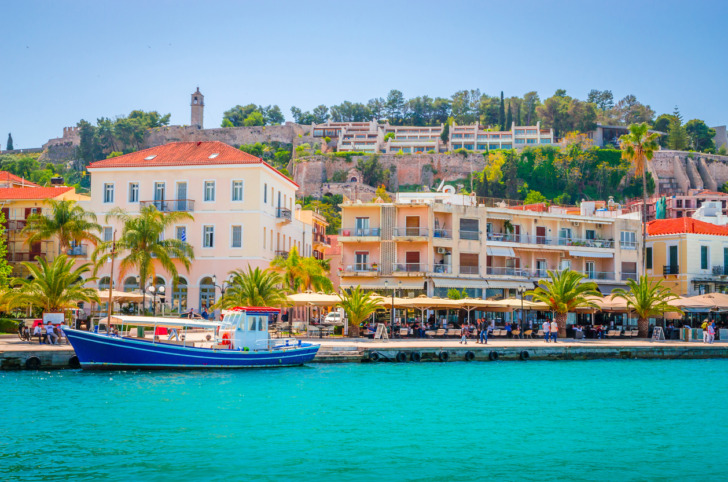
Nafplio is one of those Greek towns that feels almost unfairly charming.
Sitting on the eastern side of the Peloponnese, about two hours by road from Athens, it has Venetian balconies, neoclassical mansions, seaside promenades, fortress views, and a romantic old town that looks like it was built for slow wandering.
It was also the first capital of modern Greece, which gives it more historical weight than its postcard looks might suggest.
Travelers come here for Palamidi Fortress, Bourtzi Castle, Syntagma Square, nearby beaches, and easy day trips to ancient sites like Mycenae and Epidaurus.
Safety-wise, Nafplio is one of the more relaxed urban destinations in Greece.
It is polished, walkable, tourist-friendly, and generally calm, but you should still use normal travel judgment.
Warnings & Dangers in Nafplio

OVERALL RISK: LOW
Nafplio is a low-risk destination for travelers. Violent crime is rare, the historic center is busy and well-kept, and the town has a relaxed pace compared with Athens or larger Greek cities. The biggest safety concerns are petty theft, summer crowds, slippery old-town streets, road safety, and heat during peak season.

TRANSPORT & TAXIS RISK: LOW
Transport risk is low, but visitors should plan ahead. Nafplio does not have a train station, so most travelers arrive by bus, car, or organized transfer from Athens. Taxis are generally safe, but confirm the fare or meter before longer rides. If renting a car, be careful on narrow roads, hillside routes, and crowded parking areas.

PICKPOCKETS RISK: MEDIUM
Pickpocketing is not a major problem in Nafplio, but it can happen in tourist-heavy areas, especially during summer weekends, festivals, and crowded evenings around Syntagma Square or the waterfront. Keep your phone and wallet secure in restaurants, outdoor cafes, bus stations, and busy photo spots. The risk is manageable with basic awareness.

NATURAL DISASTERS RISK: MEDIUM
The natural disaster risk is medium because Greece is an earthquake-prone country, and the Peloponnese can experience tremors. Wildfires and heatwaves are also summer concerns, especially in dry rural areas outside town. Nafplio itself is not a high-danger destination, but travelers should monitor weather, avoid hiking in extreme heat, and know emergency number 112.

MUGGING RISK: LOW
Mugging is very uncommon in Nafplio. The old town, port area, and main tourist streets are active into the evening, especially in high season. Most visitors walk around without concern. Still, avoid isolated waterfront paths very late at night, do not flash cash, and use extra caution after drinking.

TERRORISM RISK: LOW
Nafplio has a low terrorism risk. It is not a major political, financial, or symbolic target, and the town has a quieter tourism profile than Athens, Thessaloniki, or large transport hubs. As with anywhere in Europe, travelers should stay aware in crowded public spaces, but terrorism is not a practical daily concern here.

SCAMS RISK: LOW
Scams in Nafplio are less common than in major international tourist centers. The most likely issues are inflated taxi fares, unclear restaurant charges, overpriced souvenirs, or tour operators overselling an experience. Always check menus, ask prices before committing, and use licensed taxis or reputable transfer services. Most local businesses are honest and tourist-friendly.

WOMEN TRAVELERS RISK: LOW
Nafplio is a good destination for women travelers, including solo travelers. The center is walkable, social, and generally comfortable at night. Catcalling and harassment are not major issues, though they can happen anywhere. Choose well-reviewed accommodation near the old town, avoid deserted areas late at night, and use standard nightlife precautions.

TAP WATER RISK: LOW
Tap water in Nafplio is generally safe to drink, though some visitors prefer bottled water because of taste, mineral content, or sensitive stomachs. In summer, dehydration is a bigger concern than water safety, so carry water while sightseeing. If staying in older buildings or rural accommodations nearby, ask your host about local water quality.
Safest Places to Visit in Nafplio
Old Town
Nafplio’s old town is the safest and most enjoyable area for most travelers.
It is compact, walkable, full of cafes and shops, and active from morning until late evening.
The streets around Syntagma Square, Staikopoulou Street, and the waterfront are especially comfortable because there are always people around.
The main caution here is not crime but distraction: uneven stones, steps, scooters, and busy restaurant areas can catch you off guard.
Syntagma Square
Syntagma Square is the heart of Nafplio and a great place to begin exploring.
It is surrounded by historic buildings, museums, cafes, and families enjoying the town.
It is also one of the better places to pause if you are traveling alone because it is open, central, and easy to navigate from.
Keep your bag close when the square gets crowded, but overall it feels relaxed and secure.
Palamidi Fortress
Palamidi Fortress is one of Nafplio’s top attractions and generally safe to visit during daylight hours.
The main risk is physical, not criminal.
The famous staircase is long, steep, and exposed to the sun, so bring water, wear shoes with grip, and avoid climbing during the hottest part of the day.
Driving or taking a taxi to the top is a safer option for many visitors.
Arvanitia Promenade and Beach
The Arvanitia area is one of the best places for a safe scenic walk or swim close to town.
The promenade is beautiful, especially in the morning or near sunset, and the beach is convenient.
Watch your step on rocky areas, avoid swimming during rough conditions, and do not leave valuables unattended while in the water.
Places to Avoid in Nafplio
Isolated Areas Late at Night
Nafplio does not have dangerous neighborhoods in the way larger cities might, but isolated places can feel uncomfortable late at night.
Quiet sections of the waterfront, dim side streets beyond the old town, empty parking areas, and less-trafficked paths near the edges of town are better avoided after midnight if you are alone.
This is less about a known crime problem and more about basic travel sense.
Overheated Outdoor Routes in Summer
One of the biggest dangers in Nafplio is underestimating the heat.
The climb to Palamidi Fortress, exposed archaeological sites nearby, and long walks along stone streets can become exhausting in July and August.
Avoid intense sightseeing in the early afternoon, especially if you are traveling with children, older adults, or anyone sensitive to heat.
Heat exhaustion can sneak up fast in Greece.
Crowded Event Areas
During holidays, local festivals, and peak summer weekends, Nafplio gets crowded with both foreign visitors and Greek travelers.
The old town, Syntagma Square, port area, and popular restaurants can become packed.
These are not places to avoid entirely, but they are where you should be more careful with bags, phones, and wallets.
Unofficial Parking and Roadside Spots
If you rent a car, avoid random roadside parking where signs are unclear, visibility is poor, or the road is narrow.
Nafplio’s old town can be tricky for drivers, and parking becomes frustrating during high season.
Stick to proper lots and visible public parking areas.
Also be careful when driving to beaches or villages nearby, where roads can be narrow and winding.
Empty Beaches After Dark
Nafplio’s nearby beaches are generally safe during the day, but empty beaches after dark are not the best place to linger with valuables, especially if you are alone.
This is not because of frequent attacks, but because help is farther away and lighting can be limited.
Enjoy sunset, then head back toward livelier areas.
Safety Tips for Traveling to Nafplio
- Stay near the old town if it is your first visit. The old town is the easiest and safest base for most travelers. You can walk to restaurants, shops, museums, the waterfront, and many main attractions without needing taxis at night. It also gives you a better safety buffer because the streets stay active in the evening. If you prefer quiet, stay just outside the center but still within walking distance.
- Wear proper shoes for sightseeing. Nafplio looks elegant, but those romantic streets can be slippery, uneven, and full of steps. The Palamidi Fortress climb is especially demanding. Flip-flops are fine for the beach, but not ideal for long walks through the old town or fortress areas. Good walking sandals or sneakers will make the trip much safer and more comfortable.
- Protect yourself from heat. Summer heat is one of the most realistic risks in Nafplio. Start sightseeing early, take a long lunch break indoors, and save walks for late afternoon or evening. Carry water, wear a hat, use sunscreen, and do not treat the Palamidi climb like a casual stroll in July. Greece is wonderful in summer, but the sun has absolutely no chill.
- Keep valuables secure in crowded areas. Pickpocketing is not a major Nafplio issue, but crowds always create opportunity. Keep your wallet in a front pocket or zipped bag, avoid hanging bags on the back of chairs, and do not leave your phone on a cafe table near the street. This matters most around Syntagma Square, the port, bus stops, and busy restaurants.
- Confirm taxi prices before longer rides. Short local rides are usually straightforward, but if you are taking a taxi to beaches, archaeological sites, or another town, confirm the price before leaving. For airport transfers from Athens, book through a reputable company or agree on the cost in advance. This prevents awkward surprises and helps you avoid overcharging.
- Be cautious when swimming. Beaches near Nafplio are generally pleasant, but conditions vary. Rocky entries, slippery surfaces, sea urchins, boat traffic, and sudden drop-offs can be issues depending on the beach. Wear water shoes if needed, never leave valuables unattended, and avoid swimming alone in rough water or after drinking.
- Use official parking areas when driving. Driving in Nafplio is manageable, but the old town was not designed for modern tourist traffic. Parking can be limited, streets can narrow quickly, and pedestrians appear from every charming little corner. Use larger lots near the port or designated parking areas, then walk into the center. It is simpler and safer.
- Plan day trips with enough daylight. Nafplio is a great base for Mycenae, Epidaurus, Tiryns, and nearby beaches, but do not overpack your schedule. Rural roads can be dark, narrow, and less familiar after sunset. If you are driving, start early and return before dark when possible. If using buses or tours, double-check return times so you are not stranded.
- Know emergency basics. The European emergency number is 112, and it works in Greece for urgent police, fire, or medical help. Save your accommodation address in your phone and keep a little cash separate from your main wallet. Nafplio is not a place where you need to travel nervously, but having basics ready makes every destination easier.
- Do not let the relaxed vibe make you careless. Nafplio feels safe, and that is part of its charm. The danger is that travelers get too comfortable and forget normal precautions. Lock your rental car, keep your passport secure, watch your drink, check bills before paying, and do not wander into empty areas late at night while distracted by your phone.
So... How Safe Is Nafplio Really?
Nafplio is genuinely one of the safer places to visit in Greece.
It has the advantages travelers want: a compact center, strong tourism infrastructure, visible local activity, friendly hospitality, and a slower rhythm than the big cities.
Most safety problems here are low-level and preventable.
Petty theft can happen, but it is far less of a concern than in crowded metro systems, major urban squares, or high-volume cruise ports.
Violent crime against tourists is rare.
The more realistic risks are environmental and practical.
Summer heat can be intense, old stone streets can be slippery, fortress climbs are physically demanding, and driving or parking can be stressful during peak season.
Greece also sits in a seismically active region, so earthquakes are part of the general risk profile, even though they should not discourage a normal trip.
For families, couples, solo travelers, and older visitors, Nafplio is a very comfortable destination.
It is lively without feeling chaotic, historic without being difficult to navigate, and touristy without feeling predatory.
If you use the same precautions you would use in any popular European town, Nafplio is not just safe.
It is one of those rare places where you can actually relax into the trip.
How Does Nafplio Compare?
| City | Safety Index |
|---|---|
| Nafplio |
81 |
| Kos |
81 |
| Kavala |
75 |
| Mykonos |
76 |
| Patras |
74 |
| Rhodes |
83 |
| Chania |
83 |
 Almaty Almaty | 29 |
 Harare Harare | 66 |
 Flagstaff Flagstaff | 92 |
| Palmdale | 78 |
 Nazareth Nazareth | 58 |
 Geneva Geneva | 90 |
Useful Information

Visas
Greece is part of the Schengen Area. Travelers from the United States, Canada, the United Kingdom, Australia, and many other countries can usually visit for up to 90 days within a 180-day period without a tourist visa. Other nationalities may need a Schengen visa before arrival. Passport validity should extend beyond your planned stay.

Currency
The currency in Nafplio is the euro. Credit and debit cards are widely accepted in hotels, restaurants, and many shops, but it is smart to carry some cash for small cafes, taxis, tips, market purchases, and beach facilities. ATMs are available in town. Avoid poor exchange booths and use bank ATMs when possible.

Weather
Nafplio has a Mediterranean climate with hot, dry summers and mild winters. July and August can be very hot, so pack light clothing, sunscreen, sunglasses, a hat, and comfortable walking shoes. Spring and fall are ideal for sightseeing. Winter is quieter and cooler, so bring layers and a light rain jacket.

Airports
Nafplio does not have its own airport. Most travelers fly into Athens International Airport, then reach Nafplio by rental car, private transfer, or intercity bus. The drive usually takes around two hours, depending on traffic. Kalamata Airport can also work for some routes, especially in summer, but Athens is the most practical option.

Travel Insurance
Travel insurance is strongly recommended for Nafplio, even though the destination is low-risk. A good policy can cover medical care, trip delays, lost luggage, rental car problems, and cancellations. This is especially useful if you plan to drive, hike, visit archaeological sites, swim, or travel during peak summer heat.
Nafplio Weather Averages (Temperatures)
Average High/Low Temperature
| Temperature / Month | Jan | Feb | Mar | Apr | May | Jun | Jul | Aug | Sep | Oct | Nov | Dec |
|---|---|---|---|---|---|---|---|---|---|---|---|---|
| High °C |
13 | 14 | 16 | 20 | 25 | 30 | 33 | 32 | 28 | 23 | 19 | 14 |
| Low °C |
5 | 5 | 7 | 10 | 14 | 18 | 21 | 19 | 17 | 13 | 10 | 6 |
| High °F |
55 | 57 | 61 | 68 | 77 | 86 | 91 | 90 | 82 | 73 | 66 | 57 |
| Low °F |
41 | 41 | 45 | 50 | 57 | 64 | 70 | 66 | 63 | 55 | 50 | 43 |
Greece - Safety by City
| City | Safety Index |
|---|---|
| Athens | 68 |
| Chania | 83 |
| Corfu | 81 |
| Crete | 82 |
| Heraklion | 82 |
| Kavala | 75 |
| Kos | 81 |
| Mykonos | 76 |
| Nafplio | 81 |
| Patras | 74 |
| Rethymno | 79 |
| Rhodes | 83 |
| Santorini | 78 |
| Thessaloniki | 63 |


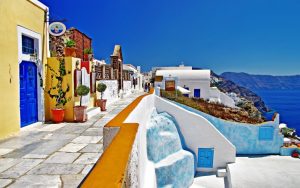












There’s something about strolling the old town in the evening that just slows time down enough to forget the hustle of bigger cities.