


 Greece : Safety by City
- Athens
- Chania
- Corfu
- Crete
- Heraklion
- Kavala
- Kos
- Mykonos
- Nafplio
- Patras
- Rethymno
- Rhodes
- Santorini
- Thessaloniki
If Athens is Greece’s dramatic capital, then Thessaloniki is its soulful northern cousin.
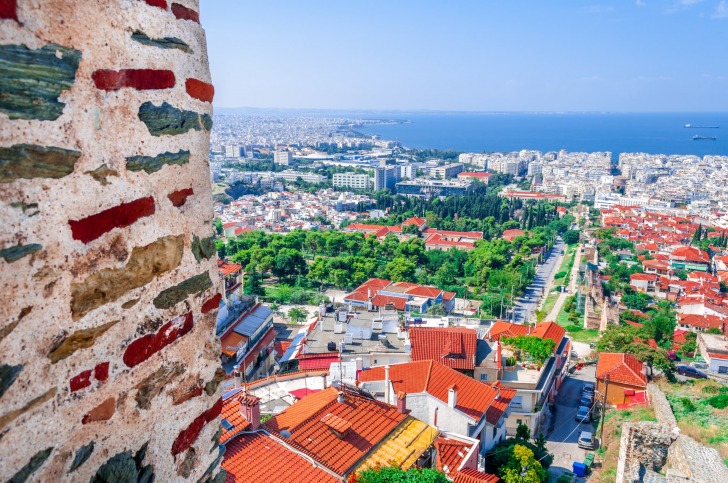
Sitting along the Thermaic Gulf in northern Greece, this lively port city blends Byzantine churches, Ottoman relics, Roman ruins, and a buzzing student population thanks to its major universities.
It is Greece’s second-largest city, yet it feels more intimate and relaxed than the capital.
The famous White Tower guards the waterfront, cafés spill onto Aristotelous Square, and sunsets over the Aegean are nothing short of cinematic.
But beyond the postcard views and late night bouzoukia music, the question many travelers ask me is simple: Is Thessaloniki safe?
After spending time researching crime data, local insights, and traveler experiences, here is what you should know.
Warnings & Dangers in Thessaloniki

OVERALL RISK: LOW
Thessaloniki is generally considered a low-risk destination for tourists. Violent crime rates are relatively low compared to many European cities of similar size. Most incidents involve petty theft rather than serious offenses. With basic awareness and common sense precautions, travelers typically experience a smooth and safe visit.

TRANSPORT & TAXIS RISK: LOW
Public transport, including buses and taxis, is largely safe and affordable. Official taxis are regulated and use meters, though occasional overcharging can occur, especially with airport transfers. Ride-sharing apps operate in the city, which adds transparency. The main risk is minor inconvenience rather than safety threats.

PICKPOCKETS RISK: MEDIUM
Like most popular European cities, pickpocketing exists, particularly in crowded areas such as Aristotelous Square, public buses, and near major landmarks. The risk is moderate rather than extreme. Keep valuables secured and avoid displaying expensive electronics in packed environments.

NATURAL DISASTERS RISK: MEDIUM
Northern Greece sits in a seismically active zone, so earthquakes are possible, though major ones are rare. Summers can bring heatwaves, and occasional wildfires occur in surrounding regions. Flooding after heavy rainfall can also happen, but catastrophic events are infrequent.

MUGGING RISK: LOW
Muggings are uncommon but can occur late at night in poorly lit areas. Incidents tend to be opportunistic rather than violent. Avoid isolated streets after midnight, particularly if alone, and the risk drops significantly.

TERRORISM RISK: LOW
Greece has experienced isolated extremist incidents in the past, but Thessaloniki is not considered a high-risk terrorism hotspot. Security across Europe remains vigilant. There are no specific threats targeting tourists in the city at this time.

SCAMS RISK: MEDIUM
Common scams include inflated taxi fares, distraction techniques in busy areas, and occasional ATM skimming. These are not rampant but do exist. Tourists unfamiliar with local pricing may be targeted. Staying informed reduces the likelihood of falling victim.

WOMEN TRAVELERS RISK: LOW
Thessaloniki is generally safe for solo female travelers. Harassment levels are relatively low compared to many global destinations. As with any city, avoiding poorly lit areas late at night and exercising situational awareness is wise, but overall, the environment is welcoming.

TAP WATER RISK: LOW
Tap water in Thessaloniki is safe to drink and meets European Union safety standards. Many locals drink it without issue. Visitors with sensitive stomachs may prefer bottled water initially, but there are no widespread contamination concerns.
Safest Places to Visit in Thessaloniki
The waterfront promenade is one of the safest and most pleasant areas in the city.
The White Tower area is heavily visited and patrolled, making it comfortable for tourists at most hours.
Aristotelous Square is another lively, well-lit hub filled with cafés and shops.
The Ano Poli district, also known as the Upper Town, offers cobblestone streets and panoramic views.
It tends to be quiet and residential, with a relaxed atmosphere.
During the day and early evening, it feels particularly safe.
Museums such as the Archaeological Museum and Byzantine Museum are located in well-maintained zones near the waterfront.
The Ladadika district, famous for dining and nightlife, is generally safe but best enjoyed earlier in the evening if you prefer a calmer vibe.
In my experience, sticking to central districts near the waterfront and major attractions provides both safety and convenience.
Thessaloniki’s tourist core is compact, making it easy to navigate without wandering into less desirable areas unintentionally.
Places to Avoid in Thessaloniki
While Thessaloniki is not a dangerous city overall, some neighborhoods require extra caution, especially late at night.
Areas west of the city center, particularly around certain industrial and lower income districts, report higher petty crime rates.
Parts of the Vardaris area have historically had issues with drug activity and prostitution, though redevelopment efforts have improved sections of it.
It is not a no-go zone, but wandering alone there after midnight is not advisable.
Certain poorly lit side streets away from major squares can feel deserted late at night.
As in any port city, areas close to transportation hubs sometimes attract opportunistic theft.
The key is not fear but awareness.
Thessaloniki does not have extreme crime hotspots comparable to larger European capitals, yet smart travelers avoid isolated streets and remain alert in unfamiliar districts.
Safety Tips for Traveling to Thessaloniki
- Stay Close to the Waterfront and Aristotelous Square. When choosing accommodation, prioritize areas near the waterfront promenade, Aristotelous Square, or the White Tower. These neighborhoods are well-lit, busy late into the evening, and regularly patrolled. They also give you easy walking access to restaurants, cafés, and major sights, reducing the need to navigate unfamiliar areas at night.
- Be Extra Alert on City Buses During Rush Hour. Thessaloniki relies heavily on its bus system. Buses serving the city center and routes to the airport can get crowded, especially in summer. Keep your backpack zipped and in front of you during peak times. Avoid standing near bus doors with your phone loosely in hand.
- Use Taxi Apps or Confirm the Fare Before Airport Rides. Taxis are generally safe, but misunderstandings about pricing can happen, particularly on airport routes. Use a reputable taxi app or confirm the approximate fare before departure. Make sure the meter is running once the trip starts.
- Avoid Isolated Streets Around Vardaris Late at Night. While much of central Thessaloniki is safe, certain pockets near Vardaris and some western districts can feel deserted after midnight. If you are heading back late from Ladadika or nightlife spots, stick to main roads or take a taxi rather than walking through quiet side streets.
- Protect Yourself from Summer Heatwaves. Thessaloniki summers can be intense, often above 35°C. Heat exhaustion is a real risk. Carry water, wear a hat, and avoid sightseeing between 1 pm and 4 pm. The waterfront offers a breeze, which makes it a better place to walk during hot afternoons.
- Keep an Eye on Your Belongings in Ladadika. Ladadika is lively and fun at night, but crowded nightlife areas always increase petty theft. Do not leave phones or wallets on tables, even briefly. If you are enjoying drinks, remain aware of your surroundings and avoid accepting beverages from strangers.
- Know What to Do in Case of an Earthquake. Thessaloniki is in a seismic zone. While major earthquakes are rare, it is smart to know basic safety protocols. If indoors, stay inside and move away from windows. If outdoors, avoid buildings and streetlights. Most hotels display safety instructions, so take a moment to review them.
- Watch for Peaceful but Large Demonstrations. Greece occasionally experiences protests, sometimes in central squares. Most are peaceful, but they can disrupt traffic or escalate unexpectedly. If you notice a gathering forming around Aristotelous Square or major government buildings, simply reroute and avoid the area.
- Use ATMs Inside Banks or Shopping Centers. ATM skimming is not widespread but can occur. Choose machines located inside bank branches or well-monitored indoor areas. Avoid poorly lit standalone ATMs late at night.
- Respect Local Driving Realities. If you plan to rent a car, be aware that driving styles can be assertive. Pedestrians should use marked crossings and avoid assuming vehicles will always stop immediately. When crossing busy streets near Egnatia Street, wait for clear gaps rather than stepping out confidently.
These tips are not meant to alarm you.
Thessaloniki is generally safe and welcoming.
But understanding the city’s specific rhythms, from crowded buses to hot summers and lively nightlife, will help you stay comfortable and confident throughout your trip.
So... How Safe Is Thessaloniki Really?
Statistically, Thessaloniki maintains crime levels lower than many comparably sized European urban centers.
Most reported incidents involve theft rather than violent crime.
Homicide rates remain low by European standards, and tourists are rarely targeted in serious crimes.
The economic challenges Greece has faced over the past decade did increase petty crime in some areas, yet large scale violent crime did not surge dramatically.
Police presence in central districts is visible, particularly around tourist landmarks.
The biggest safety concerns for visitors are pickpocketing and minor scams rather than physical danger.
Natural risks like earthquakes exist but are infrequent.
From my perspective, Thessaloniki feels lively yet manageable.
It does not carry the intense big city tension you might feel in some European capitals.
If you apply normal urban precautions, the city is overwhelmingly safe and welcoming for most travelers.
How Does Thessaloniki Compare?
| City | Safety Index |
|---|---|
| Thessaloniki |
63 |
| Heraklion |
82 |
| Nafplio |
81 |
| Corfu |
81 |
| Mykonos |
76 |
| Crete |
82 |
| Rhodes |
83 |
 Nuevo Laredo Nuevo Laredo | 35 |
 Taipei Taipei | 78 |
 Lake Bled Lake Bled | 89 |
 Detroit Lakes Detroit Lakes | 82 |
| Mississippi | 65 |
| Aurora | 74 |
Useful Information

Visas
Greece is part of the Schengen Area. Travelers from the United States, Canada, the United Kingdom, and many other countries can enter visa-free for up to 90 days within a 180-day period. Longer stays require a national visa obtained through a Greek consulate before arrival.

Currency
Greece uses the Euro. Credit and debit cards are widely accepted in Thessaloniki. ATMs are easy to find. For the best exchange rates, withdraw directly from bank-affiliated ATMs rather than exchanging large amounts at airport kiosks.

Weather
Summers are hot and dry, often exceeding 30°C. Winters are mild but can be damp and cool. Pack lightweight clothing for summer, along with sun protection. In winter, bring layers and a waterproof jacket.

Airports
The main airport is Thessaloniki International Airport, officially known as Thessaloniki Airport Makedonia. It is about 15 kilometers from the city center. Buses and taxis connect the airport to downtown in roughly 30 to 30 minutes, depending on traffic.

Travel Insurance
Travel insurance is strongly recommended. It covers medical emergencies, theft, flight cancellations, and unexpected disruptions. Healthcare in Greece is good, but costs can add up without coverage. A comprehensive policy provides peace of mind throughout your stay.
Thessaloniki Weather Averages (Temperatures)
Average High/Low Temperature
| Temperature / Month | Jan | Feb | Mar | Apr | May | Jun | Jul | Aug | Sep | Oct | Nov | Dec |
|---|---|---|---|---|---|---|---|---|---|---|---|---|
| High °C |
9 | 11 | 14 | 19 | 24 | 29 | 32 | 32 | 27 | 20 | 15 | 10 |
| Low °C |
1 | 2 | 4 | 7 | 12 | 16 | 19 | 19 | 15 | 11 | 7 | 3 |
| High °F |
48 | 52 | 57 | 66 | 75 | 84 | 90 | 90 | 81 | 68 | 59 | 50 |
| Low °F |
34 | 36 | 39 | 45 | 54 | 61 | 66 | 66 | 59 | 52 | 45 | 37 |
Greece - Safety by City
| City | Safety Index |
|---|---|
| Athens | 68 |
| Chania | 83 |
| Corfu | 81 |
| Crete | 82 |
| Heraklion | 82 |
| Kavala | 75 |
| Kos | 81 |
| Mykonos | 76 |
| Nafplio | 81 |
| Patras | 74 |
| Rethymno | 79 |
| Rhodes | 83 |
| Santorini | 78 |
| Thessaloniki | 63 |

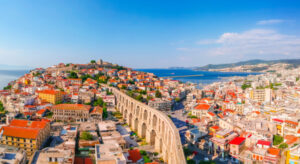
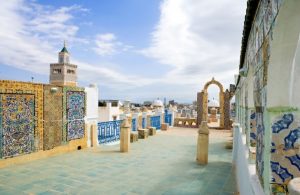












Thessaloniki is truly such an amazing place and the food is so nice. The Greek islands are very popular amongst tourists but Greece has so many other hidden treasures worth exploring.
Excellent summer hotspot
I always see people badmouthing Greece just because they had one weird incident only to go 180 degrees if they visit it again. Guys, there are awful people everywhere, that doesn’t mean that you should characterize millions of people from the experience you had with one awful fellow. Thessaloniki is a budget-friendly destination suited for people of all ages.
Also, the food in Greece is very tasty and there’s a whole lot more to it than just Gyro & Souvlaki. Be open to trying the other stuff.
We’ve been to Thessaloniki several times over the past 30 years .
the city is safe, friendly and extremely educational. the museums and food venues are awesome. The water taxis can take you to other remote beaches and resort areas. Just an awesome place to visit.
Mike Di
Strolling through Thessaloniki really feels like wandering through a living museum, where you can practically hear the whispers of history echoing off the walls amidst the chaos of modern life, and it’s hard not to smile at the quirky mix of old and new all around you.
Despite the charming views and lively atmosphere, I still find myself wondering if the vibe of Thessaloniki makes up for any safety concerns.
Honestly didn’t expect to feel so relaxed wandering past the White Tower at dusk, the Aegean sunset actually made me grin like a fool.
I feel calmer watching the sunset over the Aegean by the White Tower, though the late-night bouzoukia around Aristotelous Square can make things feel crowded and noisy.
Strolling along Aristotelous Square at sunset felt so calming, like the city’s heartbeat slowing down just for a moment.
After wandering around Aristotelous Square until sunset, I felt pretty at ease even when the streets started to empty out, but do you think the vibe changes much late at night in some of the quieter neighborhoods?
Spent a few nights around Aristotelous Square and honestly felt a bit uneasy walking back alone after midnight despite the lively vibe.
I’ve wandered around Aristotelous late at night and always felt surprisingly chill, even with the crowd and music filling the air.
Caught one of those sunsets over the Aegean and honestly, it made me forget all the city noise for a good while.
Stopped by Aristotelous Square last summer and honestly, those sunsets over the Aegean totally made up for the chilly breeze.
Didn’t expect the White Tower view to be that calming, especially with all the hustle around Aristotelous Square.