


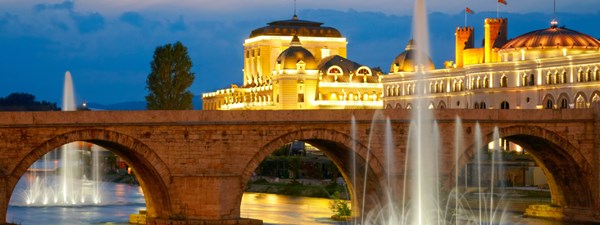
Skopje, the capital of North Macedonia, sits in the heart of the Balkans along the Vardar River, surrounded by mountains and layered with Roman, Ottoman, Yugoslav, and modern influences.
It is one of those cities where you can walk from a massive central square to an old stone bazaar in minutes, then escape to a canyon, monastery, or mountain viewpoint not far from town.
That contrast is part of what makes Skopje so interesting.
It feels both historic and slightly rough around the edges, which is often exactly what draws curious travelers in.
From a safety point of view, Skopje is not one of Europe’s most dangerous capitals, but it is also not a place where you should switch off completely.
Most visits go smoothly, especially when travelers use normal city precautions and stay alert in busy transport areas, nightlife zones, and crowded tourist spots.
Warnings & Dangers in Skopje

OVERALL RISK: LOW
Skopje is generally a low-risk destination for tourists. Most travelers visit without major problems, and violent crime against visitors is not the main concern. The bigger issues are petty theft, occasional scams, careless driving, and the usual risks that come with any busy capital city. Stay aware, use common sense, and Skopje is usually very manageable.

TRANSPORT & TAXIS RISK: MEDIUM
Public transport is usable, but travelers may find it less intuitive than in more tourist-focused capitals. Taxis are common, though unregistered cabs and fare disputes can happen if you jump into the wrong car. Road safety also deserves attention because local driving habits can feel aggressive. Use licensed taxis, agree on the fare or insist on the meter, and be careful crossing streets.

PICKPOCKETS RISK: MEDIUM
Pickpocketing is one of the more realistic risks in Skopje, especially in crowded places such as transport hubs, markets, busy squares, and public buses. It is not an extreme problem, but it happens often enough that careless visitors can become easy targets. Keep your phone, wallet, and passport secure, and avoid leaving bags open or hanging behind you.

NATURAL DISASTERS RISK: MEDIUM
Skopje is in an earthquake-prone region, which matters more here than in many other European city breaks. The city also deals with hot summers, winter ice, and periods of heavy air pollution. Natural disaster risk is not something that should stop you from visiting, but it is smart to know basic earthquake safety and check conditions before day trips.

MUGGING RISK: LOW
Mugging is not the defining threat for tourists in Skopje, and most visitors will never encounter it. Still, isolated streets late at night, poorly lit underpasses, and areas around transit points can feel less comfortable after dark. Solo travelers should avoid wandering distracted at night and use a taxi instead of walking long distances in empty areas.

TERRORISM RISK: LOW
There is no reason for most tourists to treat Skopje as a high-terrorism destination. The risk exists in the broad sense that it exists across Europe and the wider world, especially in crowded public places. For the average visitor, this is not the issue most likely to affect a trip. Normal awareness in transport hubs and public gatherings is enough.

SCAMS RISK: MEDIUM
Skopje is not overloaded with scams, but travelers can still run into overcharging by taxis, bad exchange rates, or inflated prices aimed at visitors. Card fraud and small tourist-targeted tricks are more likely than elaborate scams. Exchange money only at reliable places, check restaurant bills, and avoid accepting vague transport offers from unofficial drivers.

WOMEN TRAVELERS RISK: LOW
Women can travel in Skopje with a fairly low level of risk, especially in central areas and during the day. The city is generally manageable for solo female travelers, though catcalling or unwanted attention can happen, especially at night or in bar-heavy areas. Dressing normally, using standard precautions, and choosing trusted transport usually keeps things comfortable.

TAP WATER RISK: MEDIUM
Tap water in Skopje is often considered drinkable by locals, but many travelers still prefer bottled or filtered water, especially if they have a sensitive stomach. Older plumbing, changing conditions, and personal tolerance can make this a mixed category. For a short trip, many visitors play it safe with bottled water, especially in summer.
Safest Places to Visit in Skopje
Macedonia Square and the Central Core
The central area around Macedonia Square is usually the easiest part of Skopje for first-time visitors.
It is busy, visible, and full of foot traffic, which tends to make travelers feel more comfortable.
You will find landmarks, cafes, broad walkways, and plenty of people around during the day and evening.
Like any central square, it is still a place to watch your pockets, but it is one of the most straightforward areas to explore.
Old Bazaar During the Day
The Old Bazaar is one of the best places in the city and also one of the most rewarding for travelers who want atmosphere, food, and history in one place.
During the day, it is lively and full of shops, mosques, tea houses, and local movement.
It feels much safer when it is active and populated, especially in daylight hours.
It is a great place to wander, just without flashing valuables.
Canyon Matka
For travelers who want a break from the city, Canyon Matka is one of the safest and most pleasant nearby escapes.
It offers boat rides, walking paths, cave visits, and calm scenery that feels very different from urban Skopje.
It is popular with both locals and tourists, which adds a sense of comfort.
Wear solid shoes and stay on marked paths if you explore beyond the main area.
Mount Vodno and the Millennium Cross Area
Mount Vodno is a strong choice for travelers who like scenic viewpoints and light outdoor activity.
The cable car and hiking routes make it a popular recreational area, and it tends to attract families, walkers, and day-trippers.
It is best visited in good weather, with water, proper shoes, and a little planning.
The area feels safer when visited during daytime hours.
Places to Avoid in Skopje
Bus and Train Station Areas Late at Night
Transit zones in almost any city attract confusion, crowds, and opportunists, and Skopje is no exception.
The area around the main bus and railway station is not automatically dangerous, but it is one of the places where travelers are more likely to run into pickpockets, loiterers, or uncomfortable situations after dark.
Stay alert, keep your luggage close, and avoid hanging around longer than necessary.
Dark Side Streets Around Nightlife Zones
Skopje’s nightlife itself is not the problem.
The issue is what happens when travelers leave bars late, get disoriented, and start walking through quieter side streets.
Streets that feel normal by day can feel very different after midnight.
If you are out late, avoid wandering into dim residential backstreets or empty passages and take a licensed taxi back to your hotel.
Underpasses, Isolated Walkways, and Empty Parks at Night
Skopje has parts of the city that are perfectly fine in daylight but less appealing when foot traffic disappears.
Underpasses, riverside stretches with few people around, empty parking areas, and dark parks are worth avoiding late at night, especially if you are alone.
These are not famous danger zones, but they are exactly the kind of places where petty crime or intimidation becomes more likely.
Any Area During Political Gatherings or Protests
Most visitors will never have an issue with demonstrations, but when protests happen, it is best to stay away.
Even peaceful gatherings can shift quickly, roads can close, and tensions can rise without much warning.
If you notice crowds building near government buildings, major squares, or key traffic routes, change plans and take the long way around.
Safety Tips for Traveling to Skopje
- Use only licensed taxis or app-based transport when possible. Taxi issues in Skopje are usually more annoying than dangerous, but getting overcharged can sour your day fast. Avoid random drivers who approach you near stations or airports. Ask your hotel to call a taxi, choose a clearly marked vehicle, and confirm whether the meter is being used before the ride begins.
- Keep valuables out of sight in crowded places. Busy buses, the Old Bazaar, transport hubs, and central pedestrian areas are the places where pickpockets have the best chance. Use a zipped bag, keep your wallet in a front pocket, and do not leave your phone sitting on a cafe table near the edge.
- Be extra careful at night, especially if you are walking alone. Skopje is far more comfortable in daylight and early evening than in empty late-night streets. Stick to well-lit central routes, avoid shortcuts through quiet areas, and use a taxi after a night out instead of trying to guess your way back on foot.
- Cross streets defensively. One of the most practical safety tips in Skopje has nothing to do with crime. Traffic can feel aggressive, and drivers do not always inspire confidence. Use marked crossings, wait for a true opening, and do not assume every driver will slow down just because you stepped forward.
- Carry a copy of your passport and keep the original secure. It is smart to have identification on you, but there is no reason to wave your passport around all day. Keep the original locked in your accommodation if possible and carry a copy or digital backup. This reduces the damage if your bag gets lost or stolen.
- Watch where you exchange money. North Macedonia uses the denar, so most travelers will need to exchange or withdraw local cash. Skip informal exchanges and use banks, ATMs in reliable locations, or legitimate exchange offices. Always count your money before leaving the counter and review card transactions carefully.
- Stay aware during protests or tense public gatherings. Demonstrations can appear in capital cities with little warning. Even if you are just sightseeing, avoid large political crowds and do not stop to watch out of curiosity. If an area feels tense, leave early rather than waiting to see what happens.
- Choose bottled or filtered water if your stomach is sensitive. Many locals drink the water without a second thought, but travelers do not always react the same way. If you are only in Skopje for a short visit, bottled water is an easy way to reduce one possible source of stomach trouble.
- Prepare for heat, pollution, or winter ice depending on the season. Summer can be hot, winter can be slippery, and air quality can be unpleasant at certain times of year. Pack for the season, check the forecast, and do not underestimate how tiring heat or poor air can feel if you plan long walking days.
- Buy travel insurance that covers medical care and trip problems. This is one of those boring tips that matter the moment something goes wrong. If you need medical treatment, transport changes, or emergency assistance, insurance can save a huge amount of money and stress. It is especially worth having if you plan road trips, hiking, or longer stays.
So... How Safe Is Skopje Really?
Skopje is, in my view, a generally safe city for travelers who know how to travel like adults and not like distracted tourists on autopilot.
It is not a place I would label dangerous in the classic sense.
Official travel advice has often placed North Macedonia in the normal-precautions category rather than in a high-alert bracket, which already tells you a lot.
That said, Skopje is not polished in the way some Western European capitals are.
It has a slightly rougher rhythm, more visible urban wear, more chaotic traffic, and enough petty crime to punish careless behavior.
The real risks for most visitors are practical ones: theft in crowded spots, taxi overcharging, card issues, road safety, and occasional discomfort in isolated areas at night.
There are also a few extra considerations that travelers should not ignore, including earthquakes, seasonal wildfires, or winter weather issues in the broader region, and periods of poor air quality.
For most people, Skopje feels safe enough to explore comfortably, especially in central districts and daytime tourist areas.
I would not avoid the city for safety grounds.
I would just visit it with the same mindset I would use in any mid-sized capital: stay alert, keep your belongings close, do not chase bargains from strangers, and do not wander around half-lost at 2 a.m.
How Does Skopje Compare?
| City | Safety Index |
|---|---|
 Skopje Skopje |
77 |
 Dover Dover | 47 |
| Terrytown | 57 |
| Springdale | 65 |
| Petersburg | 52 |
| Wisconsin Dells | 85 |
| Carbondale | 48 |
Useful Information

Visas
Many tourists can enter North Macedonia without a visa for short stays, often up to 90 days within a 180-day period, though rules depend on nationality. If you do need a visa, short-stay applications typically require a valid passport, travel insurance, proof of funds, photos, and a fee. Always check the latest rules before departure.

Currency
The local currency is the Macedonian denar. You will usually need local cash for smaller purchases, taxis, and market-style spots. ATMs are widely available in Skopje, and using a bank-affiliated ATM is often the easiest option. Avoid changing money in suspicious places, and double-check the rate if you use an exchange office.

Weather
Skopje has hot summers and cold winters, so packing depends heavily on when you go. Summer travelers should bring light clothing, sun protection, and water, while winter visitors need a proper coat, sturdy shoes, and layers. Spring and autumn are usually the easiest seasons for walking, sightseeing, and day trips around the city.

Airports
The main gateway is Skopje International Airport, which is the most practical airport for most visitors. It is outside the city, and you can reach central Skopje by shuttle bus, taxi, or private transfer. If you use a taxi, choose an official one. If you use the shuttle, it is usually the cheaper and simpler option.

Travel Insurance
Travel insurance is something I would strongly recommend for Skopje, even though the city is not especially high-risk. Coverage for medical treatment, theft, missed transport, and emergency changes is worth having. It becomes even more important if you plan side trips, hiking, winter travel, or any activity where one small problem can suddenly become expensive.
Skopje Weather Averages (Temperatures)
Average High/Low Temperature
| Temperature / Month | Jan | Feb | Mar | Apr | May | Jun | Jul | Aug | Sep | Oct | Nov | Dec |
|---|---|---|---|---|---|---|---|---|---|---|---|---|
| High °C |
6 | 9 | 14 | 18 | 23 | 28 | 31 | 31 | 26 | 20 | 13 | 7 |
| Low °C |
-3 | -1 | 3 | 6 | 10 | 14 | 16 | 16 | 12 | 8 | 3 | -1 |
| High °F |
43 | 48 | 57 | 64 | 73 | 82 | 88 | 88 | 79 | 68 | 55 | 45 |
| Low °F |
27 | 30 | 37 | 43 | 50 | 57 | 61 | 61 | 54 | 46 | 37 | 30 |
North Macedonia - Safety by City
| City | Safety Index |
|---|---|
| Skopje | 77 |












Skopje seems like a cool historical site if you enjoy ancient history. I don’t think I’d go there alone though. If a place is a moderate risk, would you recommend going with a travel group? I’d think the answer would be yes just based on the saying there’s safety in numbers.
I was born and raised in Skopje, moved to Canada 11 years ago. I can fully guarantee that Skopje, by all means, is the safest place I’ve ever been in my entire life. I have never experienced in my life any incident or something that may endanger my safety.
Just walking through Skopje, you can’t help but feel the weight of all the history packed into every street and monument; it gives you a real sense of connection to the past.
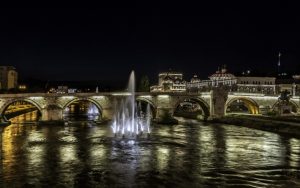
Reading this made me smile because it reminded me of wandering past the Alexander the Great fountain at night when the lights hit the water just right and you suddenly feel all those layers of history and chaos in Skopje somehow make sense.
Did you feel that little lump in your throat seeing the Alexander the Great statue up close, with the Byzantine churches and Roman sites around it making the city feel like it’s holding its breath between past and now?