


 Greece : Safety by City
- Athens
- Chania
- Corfu
- Crete
- Heraklion
- Kavala
- Kos
- Mykonos
- Nafplio
- Patras
- Rethymno
- Rhodes
- Santorini
- Thessaloniki
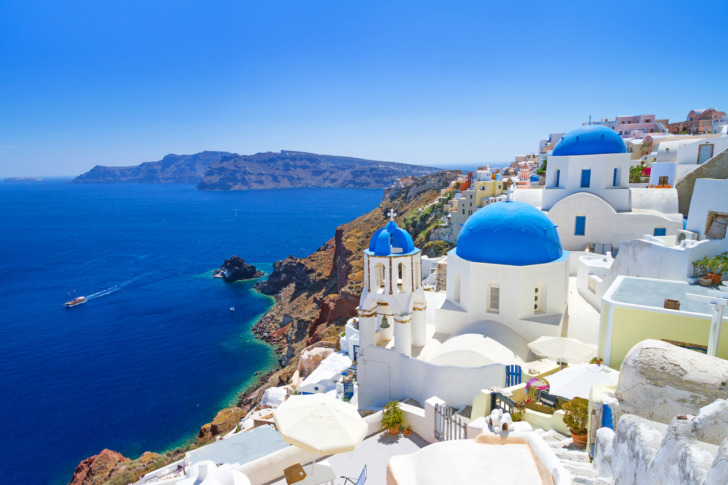
Santorini is one of Greece’s most famous islands, sitting in the southern Aegean Sea as part of the Cyclades.
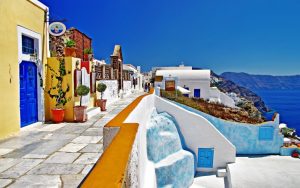
It is the island of whitewashed houses, blue domes, cliffside hotels, sunset crowds, volcanic beaches, donkeys, wineries, and caldera views that look like they were designed by someone with very expensive taste.
The island was shaped by a massive volcanic eruption thousands of years ago, and that dramatic geography is exactly what makes Santorini so beautiful today.
From a safety point of view, Santorini is generally safe for travelers, with low violent crime and strong tourism infrastructure.
The biggest risks are not usually crime-related.
They are cliff edges, traffic, ATV and scooter accidents, heat, crowds, ferry delays, overpriced services, and swimming in rough sea conditions.
Warnings & Dangers in Santorini

OVERALL RISK: LOW
Santorini is a low-risk destination for most travelers. Violent crime is rare, the island is used to heavy tourism, and the main villages are generally safe. The biggest safety issues are traffic, heat, crowded viewpoints, slips on steep paths, petty theft, and risky scooter or ATV use.

TRANSPORT & TAXIS RISK: MEDIUM
Transport risk is medium because roads are narrow, busy, and stressful in high season. Buses are affordable but crowded, taxis are limited, and rental cars, ATVs, and scooters can be dangerous for inexperienced visitors. Many accidents involve tourists underestimating local roads, hills, curves, and traffic.

PICKPOCKETS RISK: MEDIUM
Pickpocketing is not extreme, but the risk rises in crowded areas like Oia at sunset, Fira, ferry terminals, bus stops, nightlife zones, and packed viewpoints. Keep bags closed, avoid back-pocket wallets, and do not leave phones or cameras unattended on cafe tables.

NATURAL DISASTERS RISK: MEDIUM
Santorini has a medium natural disaster risk because it is a volcanic island in an earthquake-prone region. Serious events are rare for visitors, but earthquakes, landslides, strong winds, rough seas, extreme heat, and occasional wildfire risk can affect travel. Cliffside areas deserve extra caution.

MUGGING RISK: LOW
Mugging is rare in Santorini. Tourists can usually walk around Fira, Oia, Imerovigli, and the beach areas comfortably. The main late-night risk is not violent crime, but alcohol-related poor decisions, falls, isolated roads, and unsafe transport back to your hotel.

TERRORISM RISK: LOW
The terrorism risk in Santorini is low. It is a tourism-focused island rather than a major political or security target. Travelers should still stay aware in crowded places, ports, airports, and large public gatherings, but terrorism is not a major concern for most trips.

SCAMS RISK: MEDIUM
Scams and tourist overcharging are more realistic than serious crime. Watch for unclear taxi fares, overpriced transfers, inflated restaurant bills, fake luxury tour promises, poor-value boat trips, and rental vehicle damage disputes. Confirm prices, read terms carefully, and avoid rushed decisions.

WOMEN TRAVELERS RISK: LOW
Santorini is generally safe for women travelers, including solo travelers. Main tourist areas are busy, well-known, and comfortable. Women should still be cautious with alcohol, avoid isolated walks late at night, and arrange safe transport if staying outside central villages or beach zones.

TAP WATER RISK: MEDIUM
Tap water in Santorini is not usually recommended for drinking because of taste, desalination, and local water conditions. Many travelers use bottled water for drinking and tooth brushing if sensitive. Bottled water is widely available. Staying hydrated is important, especially in summer.
Safest Places to Visit in Santorini
Fira
Fira is Santorini’s main town and one of the safest, most convenient places for visitors.
It has hotels, restaurants, shops, bus connections, nightlife, museums, and caldera views.
It is busy and touristy, but that also means plenty of people, services, and transport.
Watch your belongings in crowds and be careful on the steps after dark.
Oia
Oia is beautiful, famous, and generally safe, especially during the day.
It is best known for sunset views, cave hotels, blue-domed churches, galleries, and cliffside lanes.
The main risk is crowding.
During sunset, narrow paths can become packed, and people may stop suddenly for photos.
Go early or stay after the rush.
Imerovigli
Imerovigli is one of the safest and calmest caldera villages.
It is quieter than Fira and Oia, with amazing views and romantic hotels.
The walking paths are scenic but exposed, so use caution near cliff edges.
It is a strong choice for travelers who want beauty without the heaviest crowds.
Kamari Beach
Kamari is one of the more organized beach areas on Santorini, with restaurants, hotels, loungers, shops, and a long promenade.
It is generally safe and easy for families, couples, and first-time visitors.
The beach is pebbly, so that water shoes can help.
Watch for waves and slippery stones.
Akrotiri Archaeological Site
Akrotiri is a safe, structured, and fascinating place to visit.
The archaeological site is covered, organized, and easy to explore.
It is one of the best non-beach activities on the island and a good option during hot weather.
Combine it with nearby viewpoints or beaches, but plan transport ahead.
Places to Avoid in Santorini
Cliff Edges and Unprotected Viewpoints
Santorini’s caldera views are stunning, but some edges are steep, exposed, and not always protected by barriers.
Avoid climbing walls, leaning over edges for photos, or walking too close to cliffs after drinking.
This is especially important in Fira, Oia, Imerovigli, and along the caldera walking path.
Oia Sunset Crowds at Peak Time
Oia sunset is famous for a reason, but it can become uncomfortably crowded in high season.
The issue is not danger in the dramatic sense, but crowd pressure, pickpockets, heat, blocked exits, and people pushing for photos.
Arrive early, or choose a less crowded viewpoint.
Narrow Roads on ATVs or Scooters
Many tourists rent ATVs or scooters, but Santorini’s roads are not beginner-friendly.
Avoid riding if you are inexperienced, tired, sun-drained, or planning to drink.
The roads can be narrow, dusty, curvy, and busy with buses, cars, delivery trucks, and other tourists who may also be unsure.
Remote Beaches in Rough Weather
Santorini has unique beaches, but some have rocks, strong waves, slippery entries, and limited lifeguard presence.
Avoid swimming at remote beaches when the sea is rough or the wind is strong.
Red Beach can also have rockfall concerns, so pay attention to warning signs and local advice.
Ferry Port Chaos During High Season
Athinios Port can feel hectic when ferries arrive and depart.
Roads are steep, traffic can get jammed, and transfers can become confusing.
Avoid arriving without a transport plan, especially with heavy luggage.
Book transfers ahead or know exactly where your bus or driver will meet you.
Safety Tips for Traveling to Santorini
- Be careful on cliff paths. Santorini’s biggest danger is also its biggest beauty: the cliffs. The caldera villages sit high above the sea, and many paths, stairs, and viewpoints are steep or uneven. Do not climb barriers, sit on fragile walls, or back up while taking photos. At night, use your phone flashlight if walking down dark steps.
- Think twice before renting an ATV. ATVs look fun, and they are everywhere on the island, but they are also a common source of tourist injuries. Santorini roads are narrow, busy, and not always forgiving. If you are not experienced, rent a car, use buses, hire a transfer, or stay in a walkable area instead.
- Book airport and port transfers in advance. Santorini’s airport and ferry port can be stressful in high season. Taxis are limited, buses can be packed, and the ferry port road is steep and congested. A prearranged transfer may cost more, but it can save a lot of confusion, especially if arriving at night or with luggage.
- Protect yourself from the sun. Santorini sun can be intense, especially because many sightseeing areas have little shade. Wear sunscreen, sunglasses, and a hat, and carry water. Avoid the hottest hours for long walks, especially the Fira to Oia hike. Heat exhaustion is a real risk, even if the sea breeze makes it feel manageable.
- Wear proper shoes. This is not the island for slippery sandals if you plan to explore. Santorini has stairs, cobblestones, volcanic gravel, steep lanes, and beach rocks. Good walking shoes reduce the risk of slips and twisted ankles. Bring water shoes too if you plan to swim at rocky beaches.
- Keep valuables secure in crowds. Santorini is safe, but crowded tourist zones always attract petty theft. Be careful in Oia at sunset, on Fira’s nightlife streets, at bus stops, at the airport, and at the ferry port. Keep your bag zipped, do not leave your phone on restaurant tables, and avoid carrying too much cash.
- Check ferry conditions before travel. Ferries in the Aegean can be delayed or canceled because of strong winds. Build flexibility into your schedule, especially if you have an international flight after leaving Santorini. Do not plan a tight same-day ferry-to-flight connection unless you are comfortable with risk.
- Choose restaurants with clear pricing. Santorini has excellent food, but tourist-heavy areas can also bring inflated prices. Check menus before sitting down, confirm seafood pricing by weight if ordering fresh fish, and look for clear service charges. The safest choice is a place with transparent prices and steady customer traffic.
- Avoid swimming where warning signs are posted. Santorini’s beaches are beautiful, but not all are simple sandy beaches. Some have rocks, currents, sudden depth changes, or unstable cliffs nearby. If signs warn against entry or rockfall, respect them. A dramatic beach photo is not worth an injury.
- Stay aware after drinking. Santorini nightlife is fun, especially in Fira, but alcohol and cliffside terrain are a bad combination. Arrange transport before going out, do not ride scooters or ATVs after drinking, and avoid wandering near cliff edges late at night. The island is safe, but bad decisions travel fast downhill.
So... How Safe Is Santorini Really?
Santorini is very safe from a crime perspective.
Violent crime is rare, tourists are not commonly targeted for serious incidents, and the island’s economy depends heavily on visitors.
Most travelers have smooth, enjoyable trips, whether they are couples, honeymooners, solo travelers, families, or cruise passengers.
The real safety picture is more practical.
Santorini’s medium-risk categories come from geography, crowds, and transport.
The caldera cliffs are steep, the paths are uneven, the summer heat can be intense, and the roads can become crowded with buses, rental cars, scooters, and ATVs.
Add sunset crowds in Oia and ferry-port congestion, and the island can feel more stressful than its dreamy photos suggest.
Petty theft and overcharging can happen, but they are not the defining risks.
The biggest preventable problems are falls, heat illness, vehicle accidents, swimming in poor conditions, and travel delays caused by wind or crowding.
So, how safe is Santorini really?
Very safe if you treat it like a real island with cliffs, traffic, and weather, not just a romantic backdrop.
I would rate Santorini as low risk overall, with medium risk for transport, natural hazards, crowds, and summer conditions.
How Does Santorini Compare?
| City | Safety Index |
|---|---|
| Santorini |
78 |
| Patras |
74 |
| Crete |
82 |
| Mykonos |
76 |
| Rhodes |
83 |
| Kavala |
75 |
| Athens |
68 |
 Cumberland Cumberland | 84 |
| Corbin | 85 |
| Arlington Heights | 88 |
| Oklahoma | 65 |
| Lambertville | 74 |
| Garrison | 79 |
Useful Information

Visas
Santorini is part of Greece, which is in the Schengen Area. Many travelers can visit visa-free for up to 90 days within a 180-day period, depending on nationality. Others need a Schengen visa before arrival. Check passport validity and entry rules before booking.

Currency
Santorini uses the euro. Credit cards are widely accepted in hotels, restaurants, shops, and tour agencies, but cash is useful for buses, small purchases, tips, and some beach services. Use bank ATMs when possible and avoid poor exchange rates at tourist-focused machines.

Weather
Santorini has hot, dry summers and mild, quieter winters. Spring and autumn are the best times for sightseeing, fewer crowds, and comfortable walking. Summer requires sunscreen, hats, breathable clothing, and plenty of water. Wind can affect ferries and boat tours, especially outside calm weather windows.

Airports
Santorini International Airport serves flights from Athens and many seasonal European routes. It is close to Fira but can be crowded in summer. Travelers can reach hotels by taxi, bus, rental car, or prearranged transfer. Booking transport ahead of time is smart during peak season.

Travel Insurance
Travel insurance is strongly recommended for Santorini, especially if your trip includes ferries, boat tours, ATV rentals, hiking, or multiple Greek islands. Choose coverage for medical care, cancellations, ferry delays, lost luggage, emergency transport, and activity-related accidents. Santorini is safe, but disruptions can be expensive.
Santorini Weather Averages (Temperatures)
Average High/Low Temperature
| Temperature / Month | Jan | Feb | Mar | Apr | May | Jun | Jul | Aug | Sep | Oct | Nov | Dec |
|---|---|---|---|---|---|---|---|---|---|---|---|---|
| High °C |
14 | 14 | 16 | 20 | 24 | 28 | 29 | 29 | 26 | 23 | 19 | 15 |
| Low °C |
10 | 10 | 12 | 14 | 18 | 22 | 23 | 23 | 20 | 17 | 14 | 11 |
| High °F |
57 | 57 | 61 | 68 | 75 | 82 | 84 | 84 | 79 | 73 | 66 | 59 |
| Low °F |
50 | 50 | 54 | 57 | 64 | 72 | 73 | 73 | 68 | 63 | 57 | 52 |
Greece - Safety by City
| City | Safety Index |
|---|---|
| Athens | 68 |
| Chania | 83 |
| Corfu | 81 |
| Crete | 82 |
| Heraklion | 82 |
| Kavala | 75 |
| Kos | 81 |
| Mykonos | 76 |
| Nafplio | 81 |
| Patras | 74 |
| Rethymno | 79 |
| Rhodes | 83 |
| Santorini | 78 |
| Thessaloniki | 63 |













Did you end up riding one of those donkeys or did you wisely avoid the traffic chaos with a scooter?