 Spain : Safety by City
- Alicante
- Barcelona
- Bilbao
- Cadiz
- Canary Islands
- Granada
- Ibiza
- Lanzarote
- Las Palmas
- Madrid
- Malaga
- Murcia
- Palma de Mallorca
- Pamplona
- Salamanca
- San Sebastian
- Seville
- Tenerife
- Valencia
- Zaragoza
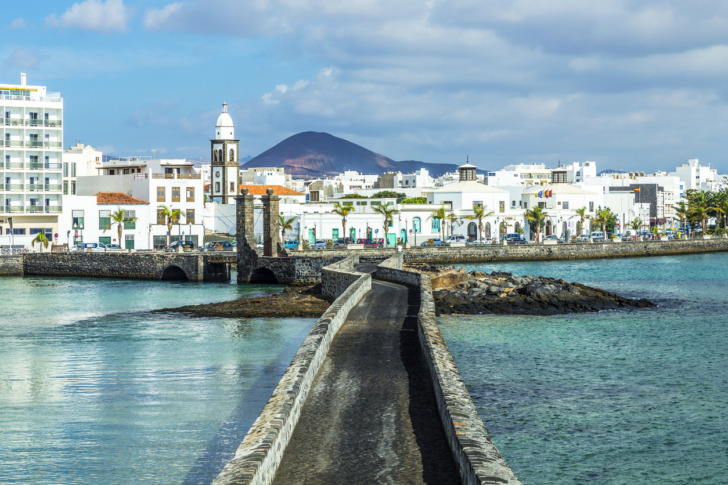
Lanzarote is one of Spain’s Canary Islands, sitting in the Atlantic Ocean off the northwest coast of Africa.
It is the island that looks like someone mixed Mars, a beach holiday, and a wine region into one strange and beautiful place.
You get black lava fields, white villages, volcanic cones, golden beaches, cactus gardens, surf towns, and César Manrique’s wonderfully weird art-meets-nature creations.
Lanzarote is popular with families, couples, cyclists, surfers, hikers, and winter-sun seekers because it is warm, organized, and easy to explore.
From a safety point of view, Lanzarote is one of the safer island destinations in Europe.
The main risks are not violent crime, but ocean currents, sun exposure, rental car break-ins, volcanic terrain, nightlife behavior, and occasional petty theft in tourist areas.
Warnings & Dangers in Lanzarote

OVERALL RISK: LOW
Lanzarote is a low-risk destination for most travelers. Violent crime is rare, tourist infrastructure is strong, and resort areas are generally safe. The biggest concerns are petty theft, beach safety, sunburn, dehydration, road accidents, and ignoring warning signs around cliffs, volcanic terrain, or rough sea conditions.

TRANSPORT & TAXIS RISK: LOW
Transport in Lanzarote is generally safe. Rental cars are popular and useful, roads are usually well maintained, and taxis are reliable. The risk rises slightly on rural roads, roundabouts, mountain viewpoints, and after dark. Avoid drinking and driving, and do not leave valuables visible in parked cars.

PICKPOCKETS RISK: LOW
Pickpocketing is not a major issue in Lanzarote, but it can happen in busy resort areas, markets, beaches, airport zones, and nightlife streets. Be more alert in Puerto del Carmen, Playa Blanca, Costa Teguise, and crowded Sunday markets. Keep bags zipped and phones secure.

NATURAL DISASTERS RISK: MEDIUM
Natural hazard risk is medium because Lanzarote is a volcanic island with strong sun, wind, rough seas, cliffs, and occasional severe weather. Volcanic eruptions are not a normal tourist concern, but the landscape itself can be unforgiving. Heat, dehydration, ocean currents, and slippery lava rock are more realistic risks.

MUGGING RISK: LOW
Mugging is rare in Lanzarote. Most tourists walk around resorts, promenades, restaurants, and beaches without concern. The risk increases slightly late at night around nightlife areas, empty streets, or isolated beach paths. Use normal caution and avoid walking alone while heavily intoxicated.

TERRORISM RISK: LOW
The terrorism risk in Lanzarote is low. It is a resort island rather than a major political or financial target. Travelers should still use basic awareness in crowded public places, airports, ports, and events, but terrorism is not a major safety concern for a normal holiday.

SCAMS RISK: LOW
Scams are not common, but tourists may encounter pushy sales pitches, unclear excursion pricing, fake bargain goods, timeshare-style offers, or overpriced tourist services. Confirm prices for taxis, boat trips, rentals, and tours before agreeing. Most issues are mild tourist overcharging rather than serious scams.

WOMEN TRAVELERS RISK: LOW
Lanzarote is generally safe for women travelers, including solo travelers. Resort areas, restaurants, beaches, and promenades feel comfortable. Women should still be cautious at night, avoid isolated beach walks after dark, and watch drinks in nightlife areas, especially in busy bars or clubs.

TAP WATER RISK: LOW
Tap water in Lanzarote is generally safe to drink, but many visitors prefer bottled water because the local water is desalinated and can taste different. It is fine for brushing teeth and cooking. If you have a sensitive stomach, bottled or filtered water may feel easier.
Safest Places to Visit in Lanzarote
Playa Blanca
Playa Blanca is one of the safest and most relaxed resort areas on the island.
It has beaches, restaurants, hotels, a marina, promenade walks, and ferry access to Fuerteventura.
It is especially popular with families and couples.
The area feels calm, but beach theft and sun exposure still deserve basic caution.
Costa Teguise
Costa Teguise is another safe, organized resort area with beaches, restaurants, shops, and water sports.
It is a good base for families and travelers who want convenience without the busier nightlife feel of Puerto del Carmen.
Watch your belongings on the beach and be careful with windsurfing or swimming when conditions are strong.
Puerto del Carmen
Puerto del Carmen is safe and lively, with beaches, nightlife, restaurants, and long seafront walks.
It has more evening energy than some other resorts, so the risk profile changes slightly after dark.
During the day, it is easy and tourist-friendly.
At night, use more caution around bars and quiet side streets.
Timanfaya National Park
Timanfaya is one of Lanzarote’s most impressive and safest natural attractions because access is controlled and routes are managed.
Visitors usually explore by official bus route through the volcanic landscape.
Stay on permitted paths, follow staff instructions, and do not wander into restricted lava fields.
Jameos del Agua and Cueva de los Verdes
These César Manrique-linked volcanic attractions are well-managed, structured, and safe for visitors.
Paths, lighting, staff, and controlled entry make them good options for families and first-time visitors.
Wear shoes with grip, as cave and stone surfaces can sometimes be uneven or slippery.
Places to Avoid in Lanzarote
Rough Beaches With Red Flags
The biggest danger in Lanzarote is often the ocean.
Avoid swimming where red flags are posted or where waves, currents, or rocks look dangerous.
Some beaches are better for surfing than for casual swimming.
If you are unsure, choose lifeguarded beaches and ask locally before entering the water.
Cliff Edges at Viewpoints
Lanzarote has dramatic viewpoints, volcanic cliffs, sea caves, and coastal paths.
Avoid standing too close to edges, climbing barriers, or backing up for photos.
Wind gusts can be strong, and volcanic rock can crumble or feel unstable.
Mirador-style views are best enjoyed from safe marked areas.
Isolated Beaches After Dark
Remote beaches can feel peaceful during the day but are not ideal late at night.
Avoid walking alone on empty beaches after dark, especially with valuables or after drinking.
If you want an evening walk, stick to well-lit promenades in resort areas.
Parking Areas With Visible Valuables
Rental car break-ins can happen in tourist destinations, especially at beaches, viewpoints, trailheads, and markets.
Do not leave bags, electronics, passports, cameras, or shopping visible inside a parked car.
Keep the vehicle empty-looking, even for quick stops.
Nightlife Streets When Heavily Intoxicated
Puerto del Carmen and some resort areas have lively bars and clubs.
The areas are not especially dangerous, but alcohol increases the risk of falls, arguments, lost phones, theft, and bad decisions.
Avoid walking alone late at night if drunk, and use taxis when needed.
Safety Tips for Traveling to Lanzarote
- Respect beach flags. Beach flags matter in Lanzarote. Green means conditions are generally safer, yellow means caution, and red means do not swim. The Atlantic can be rough, and some beaches have currents, rocks, or sudden waves. If a beach looks powerful, treat it as a warning, not an invitation to prove something.
- Choose the right beach for your activity. Not every beach in Lanzarote is ideal for swimming. Some are better for surfing, windsurfing, walking, or photography. Families and casual swimmers should choose calmer, lifeguarded beaches. Surfers and water-sport travelers should still use local advice because wind and swell can change quickly.
- Use sunscreen even when it feels breezy. Lanzarote’s wind is sneaky. It can make you feel cooler while the sun is quietly roasting you like a tourist kebab. Use high-SPF sunscreen, wear sunglasses and a hat, and reapply after swimming. Sunburn is one of the most common and preventable problems on the island.
- Carry water on day trips. The island is dry, volcanic, and exposed. If you are visiting Timanfaya, Papagayo beaches, Famara, viewpoints, or rural villages, bring water. Do not rely on finding a shop exactly when you need one. Dehydration can happen quickly, especially if you are hiking, cycling, or drinking alcohol the night before.
- Do not leave valuables in your rental car. A rental car is one of the best ways to explore Lanzarote, but do not treat it as a locker. Empty the car before visiting beaches, markets, and viewpoints. If you must leave something behind, keep it hidden before arriving, not after parking in front of everyone.
- Drive carefully on rural roads. Lanzarote’s roads are generally good, but rural routes can be narrow, windy, dark, or unfamiliar. Watch for cyclists, buses, roundabouts, and sudden scenic distractions. Pull over safely for photos instead of slowing down randomly in traffic. The landscape is dramatic enough without adding a rental-car drama.
- Wear proper shoes on volcanic terrain. Lava rock can be sharp, uneven, and slippery. If you are visiting volcanic areas, caves, cliffs, or coastal trails, wear shoes with grip. Sandals are fine for resort promenades, but they are not ideal for exploring rugged parts of the island.
- Book activities with reputable operators. Boat trips, diving, surfing lessons, buggy tours, and excursions are usually safe when booked through reputable providers. Ask about insurance, safety equipment, pickup times, cancellation rules, and weather policies. If an operator seems vague about safety, choose another one.
- Be cautious at night in resort areas. Lanzarote is safe, but nightlife still needs common sense. Keep control of your drink, avoid arguments, watch your phone and wallet, and use taxis if walking back feels long or quiet. Most late-night problems come from alcohol, not serious crime.
- Keep plans flexible when the weather changes. Wind, heat, calima dust, rough seas, and occasional storms can affect activities. Boat trips may be canceled, beaches may be unsafe, and visibility may drop during dust events. Do not force the original plan just because it looked good on your spreadsheet. Lanzarote rewards flexible travelers.
So... How Safe Is Lanzarote Really?
Lanzarote is very safe for most travelers.
It has the advantages of being part of Spain, with European-standard infrastructure, reliable emergency services, organized resort areas, good roads, safe tap water, and a tourism industry that knows how to handle visitors.
Violent crime is rare, and most tourists never experience anything worse than sunburn, overpaying for a mediocre cocktail, or losing sunglasses to the Atlantic wind.
The real safety profile is mostly about nature and petty theft.
The island’s volcanic scenery is stunning, but it can be rough, sharp, exposed, and hot.
The ocean is beautiful, but not always gentle.
Beaches with strong currents, cliffs, wind, and rocks deserve real caution.
This is especially true for travelers who assume every beach on a holiday island is automatically safe for swimming.
Petty crime exists but is manageable.
Pickpocketing, beach theft, and rental car break-ins are possible, especially in tourist-heavy areas.
Secure your belongings, do not leave valuables in cars, and be more careful in crowded resort zones.
Overall, Lanzarote is low risk, with medium risk for ocean safety, sun exposure, and volcanic outdoor terrain.
It is one of the easier Canary Islands for a safe, scenic trip.
How Does Lanzarote Compare?
| City | Safety Index |
|---|---|
| Lanzarote |
84 |
| Ibiza |
82 |
| Bilbao |
52 |
| Malaga |
78 |
| Pamplona |
81 |
| Salamanca |
59 |
| Las Palmas |
74 |
 Samal Island Samal Island | 73 |
 Pascagoula Pascagoula | 45 |
| Madison | 77 |
| Petersburg | 52 |
| Lewisboro | 88 |
 Trebinje Trebinje | 89 |
Useful Information

Visas
Lanzarote is part of Spain and the Schengen Area. Many travelers can visit visa-free for up to 90 days within a 180-day period, depending on nationality. Others need a Schengen visa before arrival. Check passport validity and entry rules before booking.

Currency
Lanzarote uses the euro. Credit and debit cards are widely accepted in hotels, restaurants, shops, supermarkets, and tour agencies. Cash is useful for markets, tips, small cafes, parking, taxis, and beach services. Use bank ATMs where possible.

Weather
Lanzarote is warm, dry, sunny, and windy for much of the year. Summers are hot but often breezy, while winters are mild and popular for sun breaks. Pack sunscreen, sunglasses, a hat, swimwear, light clothing, comfortable shoes, and a light jacket for windy evenings.

Airports
Lanzarote Airport, also called César Manrique-Lanzarote Airport, is the island’s main airport near Arrecife. Transfers to Puerto del Carmen, Costa Teguise, and Playa Blanca are available by taxi, bus, shuttle, rental car, or private transfer. Rental cars are useful for exploring beyond resort areas.

Travel Insurance
Travel insurance is recommended for Lanzarote, especially if you plan to drive, hike, surf, dive, cycle, take boat trips, or visit multiple Canary Islands. Choose coverage for medical care, cancellations, delays, lost luggage, theft, rental car issues, and water sports. Check activity exclusions before booking adventure tours.
Lanzarote Weather Averages (Temperatures)
Average High/Low Temperature
| Temperature / Month | Jan | Feb | Mar | Apr | May | Jun | Jul | Aug | Sep | Oct | Nov | Dec |
|---|---|---|---|---|---|---|---|---|---|---|---|---|
| High °C |
21 | 21 | 22 | 23 | 24 | 26 | 28 | 29 | 28 | 26 | 24 | 22 |
| Low °C |
14 | 15 | 16 | 17 | 18 | 19 | 20 | 20 | 20 | 19 | 17 | 15 |
| High °F |
70 | 70 | 72 | 73 | 75 | 79 | 82 | 84 | 82 | 79 | 75 | 72 |
| Low °F |
57 | 59 | 61 | 63 | 64 | 66 | 68 | 68 | 68 | 66 | 63 | 59 |
Spain - Safety by City
| City | Safety Index |
|---|---|
| Alicante | 77 |
| Barcelona | 65 |
| Bilbao | 52 |
| Cadiz | 74 |
| Canary Islands | 81 |
| Granada | 72 |
| Ibiza | 82 |
| Lanzarote | 84 |
| Las Palmas | 74 |
| Madrid | 70 |
| Malaga | 78 |
| Murcia | 83 |
| Palma de Mallorca | 57 |
| Pamplona | 81 |
| Salamanca | 59 |
| San Sebastian | 56 |
| Seville | 75 |
| Tenerife | 82 |
| Valencia | 72 |
| Zaragoza | 79 |