


 Greece : Safety by City
- Athens
- Chania
- Corfu
- Crete
- Heraklion
- Kavala
- Kos
- Mykonos
- Nafplio
- Patras
- Rethymno
- Rhodes
- Santorini
- Thessaloniki
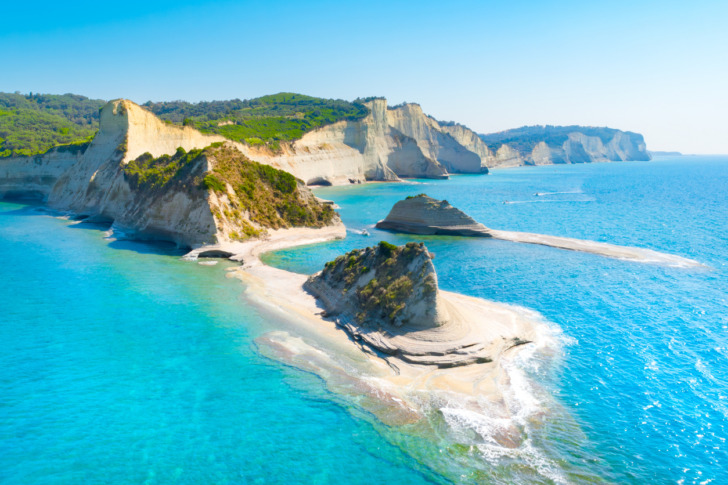
Corfu is one of Greece’s most popular Ionian islands, sitting off the northwest coast of the country near Albania and Italy.
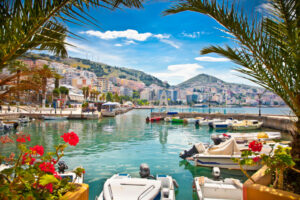
It is known for Venetian architecture, green hills, olive groves, turquoise bays, beach resorts, old monasteries, boat trips, nightlife, and Corfu Town, one of the most elegant island capitals in Greece.
Compared with many busy Mediterranean destinations, Corfu is generally very safe for travelers.
Violent crime is rare, locals are used to tourism, and most beach towns feel relaxed and welcoming.
But Corfu is still a real island with real travel risks.
The main concerns are petty theft, scooter and quad accidents, alcohol-related problems, narrow roads, beach safety, summer heat, boat trips, and overcrowding in popular areas during July and August.
Warnings & Dangers in Corfu

OVERALL RISK: LOW
Corfu is a low-risk destination for most travelers. Violent crime is uncommon, tourist areas are well developed, and the island is generally comfortable for families, couples, solo travelers, and groups. The main risks are petty theft, road accidents, alcohol-related incidents, beach hazards, and transport issues during peak summer.

TRANSPORT & TAXIS RISK: MEDIUM
Transport in Corfu is generally safe, but the roads can be narrow, winding, and busy in summer. Taxis, buses, rental cars, scooters, quads, and boats are common, but not all are equally safe. Scooter and quad accidents are a real concern. If you rent anything, check insurance, helmets, and road conditions carefully.

PICKPOCKETS RISK: MEDIUM
Pickpocketing is not a major crisis in Corfu, but it can happen in Corfu Town, markets, buses, ferry areas, crowded beaches, nightlife streets, and busy resorts. Keep phones, wallets, and bags secure, especially when boarding transport, sitting in crowded cafes, or walking through packed old-town lanes.

NATURAL DISASTERS RISK: MEDIUM
Corfu has a medium natural risk because of summer heat, wildfires, storms, rough seas, earthquakes in the wider region, and occasional flooding after heavy rain. Most visits are smooth, but weather can affect boat trips and rural roads. The most common visitor problems are sunburn, dehydration, and underestimating the sea.

MUGGING RISK: LOW
Mugging is rare in Corfu. Most tourist areas, beach resorts, restaurants, hotels, and main streets are safe during the day and evening. Still, avoid isolated beaches, dark lanes, and quiet roads late at night if alone or intoxicated. Petty theft is more likely than violent street crime.

TERRORISM RISK: LOW
The terrorism risk in Corfu is low. It is a holiday island rather than a major political, financial, or military target. Normal awareness around airports, ferry ports, crowded events, and nightlife areas is enough. For most visitors, road safety and beach safety are much more relevant concerns.

SCAMS RISK: LOW
Scams are not widespread in Corfu, but tourist pricing and vague offers can happen. Watch for unclear taxi fares, overpriced excursions, poor-value boat rentals, inflated beach chair prices, and restaurant surprises in prime locations. Always confirm prices before agreeing to tours, taxis, sunbeds, rentals, or private transfers.

WOMEN TRAVELERS RISK: LOW
Corfu is generally safe for women travelers, including solo women. Corfu Town, beach resorts, restaurants, and organized tours are comfortable. Normal precautions still apply: watch drinks, avoid isolated roads late at night, use trusted transport after drinking, and choose accommodation in a well-reviewed, convenient area.

TAP WATER RISK: MEDIUM
Tap water in Corfu is generally safe for basic use, but many visitors prefer bottled water because taste and quality can vary by area. Bottled water is cheap and widely available. Use bottled water if you have a sensitive stomach, and carry extra during beach days, hikes, boat trips, and hot summer sightseeing.
Safest Places to Visit in Corfu
Corfu Town
Corfu Town is one of the safest and most interesting places on the island.
Its old town has Venetian-style buildings, narrow lanes, cafes, churches, museums, fortresses, shops, and elegant squares.
It is busy, walkable, and comfortable during the day and evening.
The main risks are pickpockets in crowds, slippery stone streets, and traffic around the edges of the old town.
Keep belongings secure and wear comfortable shoes.
Paleokastritsa
Paleokastritsa is one of Corfu’s most beautiful coastal areas, known for clear water, dramatic cliffs, beaches, boat trips, and a hilltop monastery.
It is safe and very popular with visitors.
The main safety issues are crowded parking, winding roads, slippery rocks, strong sun, and boat activity near swimming areas.
It is best visited during the day with proper footwear and plenty of water.
Kanoni and Mouse Island
Kanoni and Mouse Island are classic Corfu viewpoints and safe places to visit during the day.
The area is popular for photos, plane-spotting, cafes, and views over the small monastery and sea.
The main thing to watch is traffic, because some roads and viewpoints can get busy.
Keep children close to road edges and viewpoints.
Kassiopi
Kassiopi, in northern Corfu, is a safe and pleasant resort village with a harbor, restaurants, beaches, boat trips, and castle ruins.
It has a more relaxed feel than the heavy party areas.
It is good for couples, families, and travelers who want a quieter base.
Watch your belongings near the harbor and beaches, but serious crime is not a major concern.
Achilleion Palace Area
The Achilleion Palace area is safe and popular for visitors interested in history, architecture, and views.
The surrounding roads can be narrow and busy, so drive carefully or use organized transport.
The site itself is comfortable during opening hours.
Bring water in summer, as walking around historic attractions in the heat can be tiring.
Places to Avoid in Corfu
Isolated Beaches After Dark
Corfu’s beaches are generally safe during the day, but empty beaches at night are not ideal.
The risks include theft, poor lighting, rough water, alcohol-related accidents, and lack of nearby help.
If you want an evening by the sea, stay near active tavernas, beach bars, hotels, or well-lit promenades.
Party Areas When Very Drunk
Areas known for nightlife can be fun, but they are also where problems are more likely.
Alcohol increases the risk of theft, arguments, falls, drink spiking, unsafe transport, and scooter accidents.
If you go out late, stay with your group, watch your drink, and plan your ride back before drinking heavily.
Narrow Mountain Roads at Night
Corfu’s inland and coastal roads can be narrow, dark, steep, and full of bends.
Avoid driving unfamiliar rural routes late at night if you are tired or inexperienced.
This matters even more if you rented a scooter, quad, or small car.
Daytime driving is much easier and safer.
Unlicensed Boat Rentals
Boat rentals are popular in Corfu, especially around coves and beaches.
Avoid operators who are vague about safety equipment, fuel, routes, weather conditions, or pricing.
Use reputable rental companies, listen to instructions, and do not go out if the sea looks rough or the wind is rising.
Cars Parked With Valuables Inside
Rental-car break-ins are not a constant problem, but visible valuables are always a bad idea.
Do not leave bags, phones, passports, cameras, electronics, or shopping visible in parked cars, especially near beaches, viewpoints, trailheads, and tourist sites.
Store items before arriving or leave them at your accommodation.
Safety Tips for Traveling to Corfu
- Be very careful with scooters and quads. Scooters and quads are common on Corfu, but they are also one of the biggest safety risks for tourists. Roads can be narrow, uneven, busy, and slippery with dust or gravel. If you are not experienced, rent a car or use taxis and buses instead. If you do rent, wear a helmet, avoid alcohol, and do not treat island roads like a theme park.
- Keep valuables secure in Corfu Town. Corfu Town feels safe, but its old lanes, shops, cafes, cruise crowds, and bus stops create opportunities for petty theft. Keep your bag zipped, avoid back-pocket wallets, and do not leave phones on tables. The old town is wonderful for wandering, but it is also the place where travelers are most distracted.
- Respect the sea. Corfu’s water is beautiful, but sea conditions can change. Watch for rocks, boat traffic, sudden depth changes, currents, and waves. Swim where other people are swimming and avoid going far from shore alone. If renting a boat, follow route rules and weather advice. The Ionian Sea is calmer than some places, but it is still the sea.
- Confirm taxi and transfer prices. Taxis are generally safe, but fares can feel high, especially for airport transfers, late-night rides, or long routes across the island. Confirm the fare or meter use before starting. If your accommodation is remote, ask the hotel for a reliable transfer contact. Clear pricing prevents awkward end-of-ride surprises.
- Watch your drink during nightlife. Corfu has nightlife areas, beach bars, and late-night venues. Most nights out are safe, but drink spiking, theft, and bad decisions can happen anywhere alcohol and crowds mix. Keep your drink in sight, stay with your group, avoid accepting open drinks from strangers, and use trusted transport back.
- Carry water in summer. Summer in Corfu can be hot, humid, and draining, especially when walking through Corfu Town, visiting viewpoints, driving around the island, or spending hours at the beach. Carry water, use sunscreen, wear sunglasses, and take shade breaks. Heat exhaustion is more likely than serious crime for many visitors.
- Drive slowly on rural roads. Corfu’s roads are part of its charm and part of its stress. Expect bends, hills, goats, parked cars, buses, scooters, potholes, and sudden narrow sections. Drive defensively and avoid rushing. If a local driver is behind you and wants to pass, let them. You are on vacation, not in a mountain-road ego contest.
- Choose accommodation based on your travel style. Corfu is larger than many visitors expect. Staying in Corfu Town, Gouvia, Dassia, Paleokastritsa, Kassiopi, or the south creates very different trips. If you want nightlife, stay near it so you are not driving late. If you want quiet beaches, accept that you may need transport. Location affects both comfort and safety.
- Use reputable boat tour operators. Boat trips to beaches, caves, Paxos, Antipaxos, or nearby coastal areas can be excellent. Choose operators with clear pricing, safety standards, life jackets, weather policies, and reviews. Do not pressure captains to go out in rough conditions. A canceled boat trip is annoying. A risky boat trip is worse.
- Avoid overpacking the itinerary. Corfu looks manageable on a map, but driving times can be longer than expected because of winding roads and traffic. Trying to see the entire island in one day leads to rushing, tired driving, and poor decisions. Plan by region: north one day, west coast another, Corfu Town another. Slower travel is safer and much more enjoyable.
So... How Safe Is Corfu Really?
Corfu is very safe for travelers from a crime perspective.
Violent crime is rare, locals are used to visitors, and the main tourist areas are comfortable during the day and evening.
Families, couples, solo travelers, older visitors, beach travelers, and nightlife-focused groups can all enjoy the island safely with normal precautions.
The real risks are practical.
Road accidents, especially involving scooters and quads, are more concerning than crime.
Summer heat, alcohol, rough water, boat rentals, and crowded tourist areas can also create problems.
Pickpocketing can happen, especially in Corfu Town, ferry areas, buses, and nightlife zones, but it is not usually aggressive.
I would rate Corfu as low risk overall, with medium risk for transport, nightlife, and water activities.
The safest travelers drive carefully, avoid drunk scooter riding, secure their belongings in crowds, confirm prices, respect the sea, and choose accommodation that matches their plans.
Do that, and Corfu is one of Greece’s safest, greenest, and most enjoyable island destinations.
How Does Corfu Compare?
| City | Safety Index |
|---|---|
| Corfu |
81 |
| Crete |
82 |
| Thessaloniki |
63 |
| Rhodes |
83 |
| Chania |
83 |
| Heraklion |
82 |
| Mykonos |
76 |
 Andover Andover | 93 |
| Breckenridge | 93 |
| New Bedford | 74 |
| Papillion | 78 |
 Coimbra Coimbra | 87 |
 Jarabacoa Jarabacoa | 54 |
Useful Information

Visas
Corfu is part of Greece, which is in the Schengen Area. Many travelers can visit visa-free for up to 90 days in a 180-day period, while others need a Schengen visa before arrival. Your Schengen allowance applies across member countries, so check passport validity and travel dates before booking.

Currency
Corfu uses the euro. Credit and debit cards are widely accepted in hotels, restaurants, shops, beach clubs, and larger businesses, but cash is useful for small tavernas, buses, tips, local markets, beach chairs, and rural areas. ATMs are available in major towns and resort zones.

Weather
Corfu has a Mediterranean climate with hot summers, mild winters, and greener landscapes than many Greek islands. Summer is best for beaches but brings heat and crowds. Spring and autumn are excellent for walking, sightseeing, and calmer travel. Pack swimwear, sunscreen, sunglasses, light clothing, and comfortable shoes.

Airports
Corfu is served by Corfu International Airport, also known as Ioannis Kapodistrias Airport, located close to Corfu Town. Taxis, buses, rental cars, and private transfers connect the airport with resorts around the island. In peak season, allow extra time for traffic, baggage, and transport queues.

Travel Insurance
Travel insurance is recommended for Corfu, especially if your trip includes flights, ferries, rental cars, scooters, boat tours, prepaid hotels, or water activities. Good coverage should include medical care, cancellations, theft, lost luggage, delays, rental vehicle issues, and activity coverage for boating or water sports.
Corfu Weather Averages (Temperatures)
Average High/Low Temperature
| Temperature / Month | Jan | Feb | Mar | Apr | May | Jun | Jul | Aug | Sep | Oct | Nov | Dec |
|---|---|---|---|---|---|---|---|---|---|---|---|---|
| High °C |
14 | 14 | 16 | 20 | 25 | 29 | 32 | 32 | 28 | 24 | 19 | 15 |
| Low °C |
6 | 6 | 8 | 10 | 14 | 18 | 20 | 21 | 17 | 14 | 11 | 8 |
| High °F |
57 | 57 | 61 | 68 | 77 | 84 | 90 | 90 | 82 | 75 | 66 | 59 |
| Low °F |
43 | 43 | 46 | 50 | 57 | 64 | 68 | 70 | 63 | 57 | 52 | 46 |
Greece - Safety by City
| City | Safety Index |
|---|---|
| Athens | 68 |
| Chania | 83 |
| Corfu | 81 |
| Crete | 82 |
| Heraklion | 82 |
| Kavala | 75 |
| Kos | 81 |
| Mykonos | 76 |
| Nafplio | 81 |
| Patras | 74 |
| Rethymno | 79 |
| Rhodes | 83 |
| Santorini | 78 |
| Thessaloniki | 63 |












I remember feeling a bit nervous trying to navigate those narrow roads on a scooter, but the views made it totally worth it.