 Greece : Safety by City
- Athens
- Chania
- Corfu
- Crete
- Heraklion
- Kavala
- Kos
- Mykonos
- Nafplio
- Patras
- Rethymno
- Rhodes
- Santorini
- Thessaloniki
Crete is Greece’s largest island, sitting in the southern Aegean Sea between mainland Greece and North Africa.
It is big enough to feel like its own country, with rugged mountains, ancient Minoan ruins, Venetian harbors, pink-sand beaches, deep gorges, olive groves, monasteries, lively towns, and villages where lunch can accidentally become a three-hour event.
Crete is also one of the most rewarding islands for travelers who want more than a beach chair, because you can visit Knossos in the morning, swim in turquoise water in the afternoon, and eat lamb, dakos, and local cheese in a mountain village by evening.
From a safety point of view, Crete is generally very safe.
The main risks are road safety, summer heat, wildfires, hiking accidents, beach conditions, petty theft, and alcohol-heavy nightlife in certain resort areas.
Warnings & Dangers in Crete

OVERALL RISK: LOW
Crete is a low-risk destination for most travelers. Violent crime is rare, locals are used to tourists, and the main towns and resort areas are generally safe. The biggest concerns are practical: road accidents, heat, beach safety, wildfires, occasional petty theft, and hiking or swimming without proper preparation.

TRANSPORT & TAXIS RISK: MEDIUM
Transport risk is medium because Crete is large, mountainous, and best explored by car. Main roads are generally manageable, but rural roads can be narrow, winding, poorly lit, and full of sharp turns. Taxis and buses are safe, but self-driving requires patience, confidence, and attention.

PICKPOCKETS RISK: LOW
Pickpocketing is not a major issue in Crete, but it can happen in crowded tourist areas, bus stations, markets, ports, old towns, beaches, and nightlife districts. Keep bags zipped, avoid back-pocket wallets, and watch your phone in Chania, Heraklion, Rethymno, and packed summer beach areas.

NATURAL DISASTERS RISK: MEDIUM
Natural hazard risk is medium because Crete can experience earthquakes, wildfires, heatwaves, strong winds, rough seas, and occasional flooding from heavy rain. Summer fire risk and extreme heat are the most realistic concerns for tourists. Hikers and drivers should check conditions before heading into remote areas.

MUGGING RISK: LOW
Mugging is rare in Crete. Most visitors can comfortably walk around town centers, harbors, restaurants, and resort areas, even in the evening. The risk increases slightly late at night in quiet streets, isolated beaches, or after heavy drinking in nightlife-heavy areas.

TERRORISM RISK: LOW
The terrorism risk in Crete is low. It is a tourism-focused island rather than a major political or security target. Travelers should still use basic awareness in airports, ferry ports, crowded events, and busy public spaces, but terrorism is not a major concern for most visits.

SCAMS RISK: LOW
Scams are not common in Crete, though tourist overcharging can happen. Watch for unclear taxi prices, vague boat-trip costs, overpriced beach services, rental car damage disputes, and inflated restaurant specials. Confirm prices before agreeing to tours, taxis, rentals, fresh seafood, or private transfers.

WOMEN TRAVELERS RISK: LOW
Crete is generally safe for women travelers, including solo women. Town centers, beaches, hotels, restaurants, and main tourist areas feel comfortable. Women should still use normal nighttime caution, avoid isolated beach walks after dark, and be careful with alcohol in party areas like Malia or Hersonissos.

TAP WATER RISK: LOW
Tap water is generally safe to drink in most developed parts of Crete, though many travelers prefer bottled water because of taste or local plumbing differences. In remote villages or older accommodation, ask locally. Carry plenty of water in summer, especially for beaches, hikes, and road trips.
Safest Places to Visit in Crete
Chania Old Town
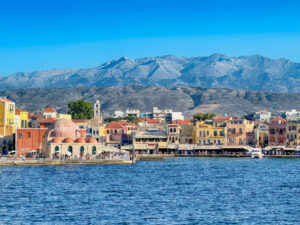
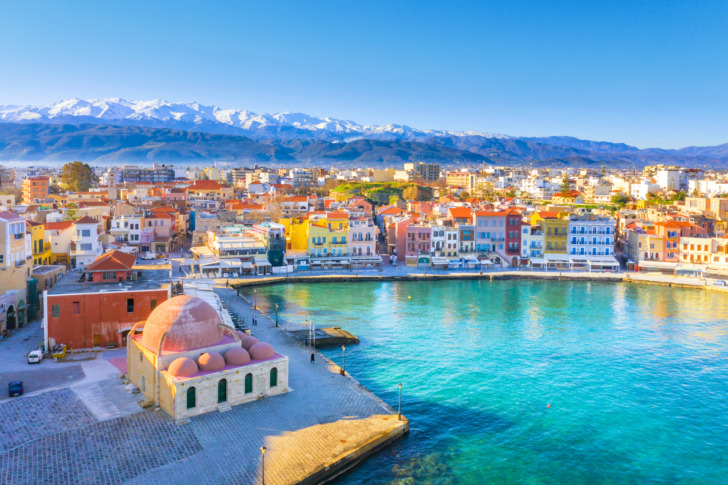
Chania Old Town is one of Crete’s safest and most beautiful areas.
Its Venetian harbor, narrow lanes, restaurants, shops, and waterfront are busy and tourist-friendly.
During the day and evening, it feels comfortable and walkable.
The main things to watch for are crowded streets, slippery stones, and keeping belongings secure in restaurants and markets.
Rethymno Old Town
Rethymno is slightly calmer than Chania but just as charming, with Venetian-Ottoman architecture, a fortress, cafes, shops, and a long beach nearby.
It is safe for walking, dining, and sightseeing.
As with most old towns, wear comfortable shoes and keep valuables close in crowded summer streets.
Heraklion City Center
Heraklion is Crete’s largest city and feels busier and more urban than Chania or Rethymno, but the central tourist areas are generally safe.
The Archaeological Museum, the old harbor, the city walls, restaurants, and shopping streets are easy to visit.
Use more caution around traffic, bus stations, and late-night side streets.
Agios Nikolaos
Agios Nikolaos is a relaxed and safe town in eastern Crete, known for its lake, marina, restaurants, and nearby beaches.
It is a good choice for couples, families, and travelers who want a polished but quieter base.
The waterfront is pleasant, though children should be watched near the water edges.
Elounda and Plaka
Elounda and nearby Plaka are among the safer, calmer resort areas in Crete.
They are known for upscale hotels, sea views, boat trips to Spinalonga, and a quieter pace.
The area is easygoing, but visitors should still confirm boat-trip details and avoid swimming in rough conditions.
Places to Avoid in Crete
Mountain Roads at Night
Crete’s mountain roads can be narrow, dark, steep, and full of sharp bends.
Avoid unnecessary night driving in rural or mountain areas, especially after dinner, wine, or a long beach day.
If you are visiting villages or remote beaches, plan your return before dark.
Remote Beaches After Dark
Crete has many beautiful remote beaches, but quiet beaches after dark are not ideal for solo wandering.
Avoid sleeping on isolated beaches, swimming at night, or carrying valuables to empty coastal areas.
During the day, remote beaches are wonderful when you bring water, shade, and proper transport.
Samaria Gorge in Extreme Heat or Bad Weather
Samaria Gorge is one of Crete’s great hikes, but it is not a casual stroll.
Avoid it during extreme heat, storms, poor fitness, or without proper shoes and water.
The trail is long, rocky, and exposed in parts.
If authorities close it, respect the closure.
Malia and Hersonissos Nightlife When Heavily Intoxicated
Malia and Hersonissos are not places to avoid completely, but they have a different safety profile at night.
Party crowds, alcohol, clubs, scooters, and late-night streets increase the risk of theft, fights, drink-related issues, and bad transport decisions.
Use common sense and trusted transport.
Rough Sea Areas During Strong Wind
Some beaches in Crete can become dangerous when winds pick up, especially on exposed coasts.
Avoid swimming where red flags are posted or where waves and currents look strong.
If locals are staying out of the water, that is usually your hint too.
Safety Tips for Traveling to Crete
- Drive defensively. Crete is amazing by car, but driving can be intense. Roads may be narrow, rural drivers may move quickly, and mountain routes can include sudden bends, goats, scooters, buses, and dramatic drop-offs. Drive slowly, pull over safely for faster drivers, and avoid checking scenery while moving. The views are gorgeous, but the road needs your full attention.
- Avoid night driving in rural areas. A road that feels manageable during the day can feel very different at night. Lighting may be limited, signs may be harder to read, and mountain roads can become stressful. If you are visiting remote beaches, villages, tavernas, or hiking areas, plan your return before dark or arrange transport.
- Take summer heat seriously. Crete can get very hot in July and August, especially inland, in gorges, on archaeological sites, and on exposed beaches. Wear sunscreen, a hat, and sunglasses, and carry water everywhere. Plan outdoor sightseeing early or later in the day. A midday climb around ruins in full sun is not heroic; it is just sweaty.
- Choose beaches based on conditions. Crete has beaches for every mood: calm lagoons, windy surf spots, rocky coves, and remote wild coastlines. Do not assume every beach is safe for swimming every day. Check flags, watch waves, and ask locally if unsure. Families and weaker swimmers should choose calmer, organized beaches with easier access.
- Bring proper shoes for hikes and old towns. Crete is not only beaches. You may walk through stone towns, ruins, gorges, monasteries, cliffs, and mountain paths. Comfortable shoes with grip are useful everywhere. Flip-flops are fine for the sand, but they are a terrible choice for Samaria Gorge, Balos paths, archaeological sites, or wet old-town streets.
- Keep valuables out of rental cars. Rental car break-ins are not constant, but leaving bags in visible places is never smart. Do not leave passports, phones, cameras, wallets, beach bags, or luggage in sight. This matters near beaches, viewpoints, hiking starts, and tourist parking areas. Keep the car empty-looking.
- Be careful with alcohol and scooters. In nightlife areas, alcohol and scooters are a bad combination. If you are drinking, do not ride a scooter, quad, or rental car. Use taxis, walk with friends in busy areas, or arrange transport ahead. Many holiday injuries come from people doing things on vacation they would never do at home.
- Check wildfire and weather alerts in summer. Crete can face wildfire risk during hot, dry, windy periods. If there are warnings, avoid hiking in remote dry areas, do not smoke near vegetation, and follow local instructions. Strong winds can also affect ferries, boat trips, and beach conditions, so keep plans flexible.
- Respect archaeological sites and barriers. Places like Knossos, Phaistos, and ancient ruins are safe when visitors stay on marked paths. Do not climb on ruins, cross barriers, or walk into restricted areas for photos. Old stones can be unstable, and summer heat makes sightseeing more tiring than it looks.
- Use reputable tours for remote trips. For Balos, Gramvousa, Samaria Gorge, Spinalonga, boat trips, canyoning, or off-road adventures, choose reputable operators. Ask about pickup time, route, safety equipment, weather policy, and what is included. Crete is big, and remote places are much easier when logistics are handled properly.
So... How Safe Is Crete Really?
Crete is very safe for most travelers.
Violent crime is rare, the island is friendly to tourists, and the main towns, resorts, beaches, and attractions are well established.
Families, couples, solo travelers, women travelers, older visitors, and road-trippers can all enjoy Crete comfortably with basic awareness.
The main safety issue is not crime.
It is movement.
Crete is large, mountainous, and full of tempting places that require driving, hiking, boating, or long days in the sun.
The biggest realistic risks are road accidents, heat exhaustion, dehydration, swimming in rough water, hiking unprepared, and ignoring weather or wildfire warnings.
Petty theft exists but is manageable.
Crowded old towns, markets, beaches, nightlife areas, and rental car parking spots deserve normal caution.
Scams are not a major problem, though peak-season pricing and unclear rental terms can be annoying.
Overall, Crete is low risk for ordinary travel and medium risk for mountain driving, remote beaches, summer heat, hiking, and nightlife-heavy trips.
It is one of the safest and most rewarding Greek islands, especially for travelers who respect its size, terrain, and summer conditions.
How Does Crete Compare?
| City | Safety Index |
|---|---|
| Crete |
82 |
| Santorini |
78 |
| Thessaloniki |
63 |
| Kos |
81 |
| Heraklion |
82 |
| Patras |
74 |
| Corfu |
81 |
 Grenoble Grenoble | 68 |
 Nantucket Nantucket | 88 |
| McDonough | 72 |
 Seoul Seoul | 85 |
| Olympia | 57 |
| Wichita Falls | 68 |
Useful Information

Visas
Crete is part of Greece, which is in the Schengen Area. Many travelers can visit visa-free for up to 90 days within a 180-day period, depending on nationality. Others need a Schengen visa before arrival. Check passport validity and entry rules before booking.

Currency
Crete uses the euro. Credit and debit cards are widely accepted in hotels, restaurants, shops, rental agencies, and larger businesses. Cash is useful for small villages, beach services, buses, markets, tips, and remote tavernas. Use bank ATMs where possible.

Weather
Crete has hot, dry summers and mild, wetter winters. Spring and autumn are excellent for hiking, sightseeing, and fewer crowds. Summer visitors should pack light clothing, swimwear, sunscreen, sunglasses, a hat, water shoes, and comfortable walking shoes. Bring a light layer for mountain villages and evenings.

Airports
Crete has two main international airports: Heraklion and Chania. Heraklion is best for central and eastern Crete, while Chania is best for western Crete. A smaller airport in Sitia serves the east. Travelers can also arrive by ferry from Athens and other Greek islands.

Travel Insurance
Travel insurance is recommended for Crete, especially if your trip includes rental cars, ferries, hiking, boat trips, beach activities, canyoning, or multiple Greek islands. Choose coverage for medical care, cancellations, delays, lost luggage, theft, emergency transport, rental vehicle issues, and activity-related accidents.
Crete Weather Averages (Temperatures)
Average High/Low Temperature
| Temperature / Month | Jan | Feb | Mar | Apr | May | Jun | Jul | Aug | Sep | Oct | Nov | Dec |
|---|---|---|---|---|---|---|---|---|---|---|---|---|
| High °C |
14 | 15 | 16 | 20 | 24 | 28 | 31 | 31 | 28 | 24 | 20 | 16 |
| Low °C |
7 | 8 | 9 | 11 | 15 | 19 | 22 | 22 | 19 | 16 | 13 | 10 |
| High °F |
57 | 59 | 61 | 68 | 75 | 82 | 88 | 88 | 82 | 75 | 68 | 61 |
| Low °F |
45 | 46 | 48 | 52 | 59 | 66 | 72 | 72 | 66 | 61 | 55 | 50 |
Greece - Safety by City
| City | Safety Index |
|---|---|
| Athens | 68 |
| Chania | 83 |
| Corfu | 81 |
| Crete | 82 |
| Heraklion | 82 |
| Kavala | 75 |
| Kos | 81 |
| Mykonos | 76 |
| Nafplio | 81 |
| Patras | 74 |
| Rethymno | 79 |
| Rhodes | 83 |
| Santorini | 78 |
| Thessaloniki | 63 |