


 China : Safety by City
- Beijing
- Chengdu
- Guangxi Guilin
- Guangzhou
- Hangzhou
- Hong Kong
- Lhasa
- Macau
- Shanghai
- Shenzhen
- Suzhou
- Tianjin
- Tibet
- Xian
- Xinjiang
- Yangshuo
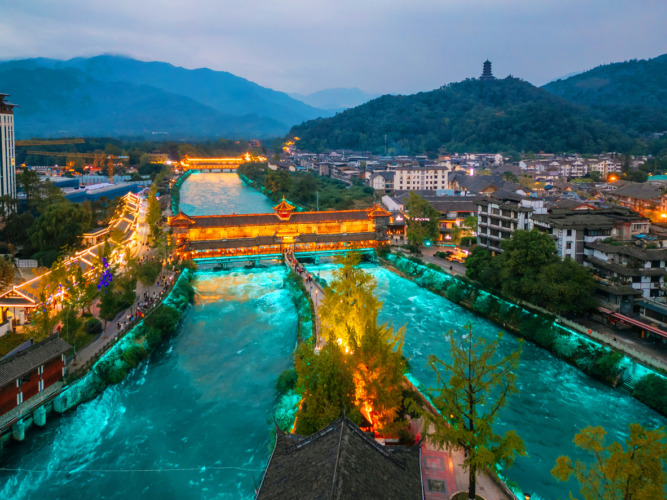
Chengdu is the relaxed, spicy, panda-loving capital of Sichuan Province in southwestern China, and honestly, it is one of the most enjoyable big cities in the country for first-time visitors.
It is famous for giant pandas, teahouses, hot pot, mahjong, historic alleys, and that wonderfully slow local rhythm that makes the city feel less frantic than Beijing, Shanghai, or Shenzhen.
Chengdu is also a major transport hub, with 2 large airports, a huge metro system, and easy access to places like Leshan, Mount Emei, Dujiangyan, and the Tibetan areas of western Sichuan.
For tourists, Chengdu feels safe, organized, and welcoming, but it is still a massive city of more than 20 million people in the wider metro area.
That means the main risks are not violent crime, but traffic, crowds, scams, air quality, food sensitivity, and language barriers.
Warnings & Dangers in Chengdu

OVERALL RISK: LOW
Chengdu is a safe city for travelers, especially when it comes to violent crime. Tourist areas are busy, public transport is orderly, and police presence is visible. The bigger concerns are petty theft in crowded places, traffic confusion, food-related stomach issues, air pollution, and misunderstandings caused by limited English outside hotels and major attractions.

TRANSPORT & TAXIS RISK: LOW
Chengdu's metro is modern, clean, cheap, and usually the easiest way to move around. Taxis and ride-hailing apps are generally safe, but language can be a challenge, so have your destination written in Chinese. Traffic can be hectic, and pedestrians should be careful at crossings, even when they technically have the right of way.

PICKPOCKETS RISK: MEDIUM
Pickpocketing is not extreme, but it is possible in crowded metro stations, markets, tourist streets, busier temples, and train stations. The risk rises when travelers are distracted by luggage, phones, or maps. Keep bags zipped, avoid putting your phone in a back pocket, and be extra alert in shoulder-to-shoulder crowds.

NATURAL DISASTERS RISK: MEDIUM
Chengdu sits in Sichuan, a province with earthquake history, and the wider region can experience seismic activity. Heavy rain can also cause flooding or travel disruption, especially outside the city. Most visits are trouble-free, but travelers going to mountains, parks, or rural areas should check weather and road conditions before day trips.

MUGGING RISK: LOW
Mugging is rare in Chengdu. The city is generally safe at night in central areas, and violent street crime against tourists is uncommon. Still, avoid poorly lit backstreets late at night, do not flash large amounts of cash, and use official transport when returning from bars, clubs, or late dinners.

TERRORISM RISK: LOW
The terrorism risk for ordinary tourists in Chengdu is low. Security is visible at metro stations, airports, train stations, and major public areas. Travelers should still avoid demonstrations, politically sensitive gatherings, or any situation involving police activity. In China, even peaceful public issues can become complicated for foreign visitors.

SCAMS RISK: MEDIUM
Chengdu is not a scam-heavy city compared with some international tourist hubs, but scams can happen. Watch out for overpriced tea experiences, fake guides, unofficial taxis, inflated tour prices, and overly friendly strangers who quickly steer you toward a shop, bar, or performance. Use trusted booking platforms and confirm prices first.

WOMEN TRAVELERS RISK: LOW
Chengdu is generally safe for women travelers, including solo women. Public transport is busy but orderly, and central neighborhoods feel comfortable during the evening. Normal precautions still matter: use licensed transport late at night, keep drinks in sight, avoid isolated areas, and choose well-reviewed accommodation near metro access.

TAP WATER RISK: MEDIUM
Do not drink tap water in Chengdu unless it has been boiled or properly filtered. Hotels usually provide bottled water or a kettle, and restaurants commonly serve hot water or tea. Use bottled water for drinking, and be careful with ice in small local spots if you have a sensitive stomach.
Safest Places to Visit in Chengdu
Chengdu Research Base of Giant Panda Breeding
The Panda Base is one of the safest and most famous attractions in Chengdu.
It is well-organized, family-friendly, and designed for large numbers of visitors.
Go early in the morning, both for cooler weather and better panda activity.
The biggest issue here is crowds, especially on weekends and holidays, so keep your phone and wallet secure while taking photos.
People’s Park
People’s Park is one of my favorite safe spots in Chengdu because it shows the city’s personality so well.
Locals drink tea, play mahjong, dance, chat, and relax around the lake.
It is central, lively, and easy to enjoy during the day.
Pick a teahouse, sit down, and let Chengdu happen around you.
It is safe, but keep your valuables close in busy areas.
Kuanzhai Alley
Kuanzhai Alley is touristy, but it is also convenient, polished, and safe.
The area has restored Qing-style lanes, snack stalls, teahouses, souvenir shops, and restaurants.
It is a good place for first-time visitors because it is easy to navigate and close to other central attractions.
Prices can be higher here than in local neighborhoods, so check menus before ordering.
Wuhou Shrine and Jinli Street
Wuhou Shrine and nearby Jinli Street combine history, food, shopping, and evening atmosphere.
This area is safe and popular, but also very crowded during peak hours.
Visit in the late afternoon, explore the shrine, then walk through Jinli as the lanterns come on.
Watch your pockets in thick crowds and be cautious with street food if your stomach is sensitive.
Taikoo Li and Chunxi Road
This is Chengdu’s modern shopping and dining core.
It is safe, bright, central, and full of restaurants, boutiques, malls, and cafes.
It is also one of the easiest areas for foreign travelers because transport, payment, hotels, and food options are more straightforward.
The main risk is overspending, not personal safety.
Places to Avoid in Chengdu
Crowded Transit Areas During Rush Hour
Chengdu’s metro and train stations are safe, but they can get extremely busy.
Chengdu East Railway Station, major metro interchanges, and airport connections can be overwhelming if you are carrying luggage.
Pickpocketing risk is higher in crowded movement areas, and it is easy to get pushed along with the flow.
Avoid rush hour if you can.
Unofficial Taxi Pickups
Avoid drivers who approach you inside or outside airports, train stations, or tourist sites offering a ride.
Chengdu’s official taxis and app-based rides are much safer and more predictable.
Unofficial rides may overcharge, take longer routes, or cause communication problems.
Have your destination in Chinese and use official taxi lines when possible.
Isolated Streets Far From Metro Stops Late at Night
Chengdu is not a dangerous nightlife city, but once you leave the bright central areas, some streets can feel quiet.
This is especially true outside the main shopping, hotel, and bar districts.
If you are out late, use a taxi or ride-hailing app instead of walking a long distance through empty streets.
Overly Touristy Tea or Shopping Offers
Chengdu has a wonderful tea culture, but tourists should be careful with strangers who suddenly invite them to a “special” tea house, art shop, massage place, or cultural experience.
The pitch may seem friendly at first, then become expensive or awkward.
Real teahouses are everywhere, so there is no need to follow anyone into a place you did not choose.
Remote Mountain or Rural Areas Without Planning
Places outside Chengdu, such as Qingcheng Mountain, Dujiangyan, Leshan, and Mount Emei, are popular and generally safe, but they require more planning than the city center.
Weather, road conditions, hiking paths, and return transport matter.
Do not treat rural Sichuan day trips like casual city walks.
Bring cash, water, translation apps, and enough time to return.
Safety Tips for Traveling to Chengdu
- Set up mobile payment before you arrive. China is heavily cashless, and Chengdu is no exception. Many restaurants, shops, taxis, vending machines, and tourist services prefer mobile payments. Foreign cards are not always accepted everywhere, especially in smaller local places. Before you arrive, set up a payment method that works in China, and still carry some cash as backup. This one step can save you from a lot of stress.
- Keep your hotel address in Chinese. This is one of the simplest and most useful safety habits in Chengdu. Save your hotel name, address, and phone number in Chinese on your phone and as a screenshot. If your battery dies, keep a paper copy too. Taxi drivers may not understand English names, and even some famous hotels have Chinese names that are not obvious from the English version.
- Use the metro whenever possible. Chengdu’s metro is one of the easiest ways to get around safely. It is clean, affordable, and connected to many major attractions, shopping areas, airports, and train stations. It also avoids traffic, which can be slow and confusing. During rush hour, watch your pockets and bags, but overall, the metro is one of the safest transport options.
- Be careful crossing roads. Traffic in Chengdu can surprise visitors. Cars, buses, scooters, bicycles, and delivery riders often share space in ways that may feel chaotic. Do not assume vehicles will stop just because you are at a crossing. Look both ways, then look again for electric scooters, which can be very quiet. This is probably a more realistic daily risk than crime.
- Do not drink tap water. Use bottled, boiled, or filtered water. Hotels usually provide kettles, and hot drinking water is common in China. Chengdu food can be spicy, oily, and rich, which is part of the fun, but your stomach may need time to adjust. Staying hydrated with safe water is an easy way to avoid losing a travel day to stomach trouble.
- Start slowly with Sichuan food. Chengdu is a food paradise, but Sichuan peppercorns, chili oil, hot pot, and street snacks can hit hard if you are not used to them. Start with milder dishes, ask for less spice when possible, and do not make your first dinner the most intense hot pot in town. Food safety is usually fine in busy restaurants, but choose places with high turnover.
- Use translation apps. English is not as widely spoken in Chengdu as in Shanghai, Hong Kong, or major international resort areas. Translation apps help with menus, taxis, hotel issues, pharmacy visits, and emergencies. Download an offline Chinese translation before your trip. Also, learn a few basics like hello, thank you, bathroom, not spicy, and how much.
- Watch the air quality. Chengdu can have hazy days, especially in winter and during stagnant weather patterns. Most travelers will be fine, but if you have asthma, allergies, or breathing issues, check the air quality each morning. On bad days, plan indoor attractions, malls, teahouses, museums, or shorter walks. A good mask can be useful during poor air days.
- Be cautious with day trips. Chengdu is a gateway to incredible places, but distances can be bigger than they look. Leshan, Mount Emei, Dujiangyan, Qingcheng Mountain, and western Sichuan trips all require planning. Confirm transport times, weather, ticket rules, closing hours, and return options. For mountain areas, bring layers, snacks, water, and a charged phone.
- Avoid political discussions and demonstrations. China is safe for tourists, but the legal and political environment is different from what many Western travelers are used to. Avoid protests, demonstrations, sensitive political conversations in public, and photographing police, military, or security activity. This is not about being paranoid. It is about being practical and respectful of local rules.
So... How Safe Is Chengdu Really?
Chengdu is a safe city for tourists, especially when judged by the things travelers usually worry about most: robbery, assault, dangerous streets, and unsafe public transport.
Violent crime is rare, central districts are active late, and the public transport system is reliable.
A visitor who sticks to normal precautions should feel comfortable exploring the panda base, parks, temples, food streets, shopping districts, and day-trip routes.
The real safety picture is more practical than dramatic.
Chengdu is huge, humid, busy, and sometimes polluted.
Traffic can feel unpredictable, spicy food can overwhelm sensitive stomachs, and the language barrier can turn small problems into bigger frustrations.
Pickpocketing is possible in crowded areas, and scams can appear around tourist-heavy streets or unofficial transport offers.
I would rate Chengdu as a low-risk destination overall, with a medium level of practical travel difficulty for people who have never been to China.
It is not unsafe, but it does reward preparation.
Set up payments, download translation tools, use the metro, keep your documents organized, and plan day trips carefully.
Do that, and Chengdu is not only safe, but one of the most rewarding city breaks in China.
How Does Chengdu Compare?
| City | Safety Index |
|---|---|
| Chengdu |
74 |
| Guangxi Guilin |
76 |
| Lhasa |
72 |
| Macau |
85 |
| Suzhou |
79 |
| Shanghai |
70 |
| Yangshuo |
77 |
 Genoa Genoa | 60 |
 Rochester Rochester | 67 |
| New York City | 67 |
| Fair Haven | 75 |
| Alamogordo | 73 |
 Mexico City Mexico City | 55 |
Useful Information

Visas
Visa rules for China depend heavily on your nationality, passport, route, and trip length. Some travelers may qualify for visa-free entry or a 240-hour visa-free transit through approved ports if they meet the requirements. Others need a tourist visa before arrival. Check your specific situation before booking, because rules can change and airline staff may verify eligibility.

Currency
Chengdu uses the Chinese yuan, also called renminbi. Mobile payment is extremely common, so tourists should prepare a working digital payment method before arrival. Cash is useful as a backup, but foreign cards may not work in smaller shops or local restaurants. ATMs are available, especially in central districts and malls.

Weather
Chengdu has humid summers, cool, damp winters, and mild spring and autumn seasons. Summers can feel sticky, with frequent rain, so pack breathable clothes and an umbrella. Winters are not usually freezing, but the damp cold can feel stronger than the temperature suggests. Spring and fall are usually the best times to visit.

Airports
Chengdu has 2 main airports: Chengdu Tianfu International Airport and Chengdu Shuangliu International Airport. Tianfu handles many international and long-distance flights, while Shuangliu is closer to the city and still important for domestic travel. Metro, airport buses, taxis, and ride-hailing services connect both airports with central Chengdu.

Travel Insurance
Travel insurance is strongly recommended for Chengdu. Medical care, flight delays, lost luggage, missed connections, and day-trip disruptions can become expensive or stressful. Choose a policy that covers medical treatment, cancellations, theft, delays, and any hiking or mountain travel you plan in Sichuan.
Chengdu Weather Averages (Temperatures)
Average High/Low Temperature
| Temperature / Month | Jan | Feb | Mar | Apr | May | Jun | Jul | Aug | Sep | Oct | Nov | Dec |
|---|---|---|---|---|---|---|---|---|---|---|---|---|
| High °C |
9 | 11 | 16 | 22 | 26 | 28 | 30 | 30 | 25 | 20 | 15 | 11 |
| Low °C |
3 | 5 | 8 | 13 | 17 | 20 | 22 | 22 | 18 | 14 | 9 | 5 |
| High °F |
48 | 52 | 61 | 72 | 79 | 82 | 86 | 86 | 77 | 68 | 59 | 52 |
| Low °F |
37 | 41 | 46 | 55 | 63 | 68 | 72 | 72 | 64 | 57 | 48 | 41 |
China - Safety by City
| City | Safety Index |
|---|---|
| Beijing | 75 |
| Chengdu | 74 |
| Guangxi Guilin | 76 |
| Guangzhou | 64 |
| Hangzhou | 78 |
| Hong Kong | 75 |
| Lhasa | 72 |
| Macau | 85 |
| Shanghai | 70 |
| Shenzhen | 64 |
| Suzhou | 79 |
| Tianjin | 67 |
| Tibet | 87 |
| Xian | 73 |
| Xinjiang | 80 |
| Yangshuo | 77 |


















I’ve been there and yeah, the pandas are cool, but don’t expect the air to smell like fresh bamboo all day long.