



 China : Safety by City
- Beijing
- Chengdu
- Guangxi Guilin
- Guangzhou
- Hangzhou
- Hong Kong
- Lhasa
- Macau
- Shanghai
- Shenzhen
- Suzhou
- Tianjin
- Tibet
- Xian
- Xinjiang
- Yangshuo
Guilin, in China’s Guangxi Zhuang Autonomous Region, is one of those places that almost looks too pretty to be real.
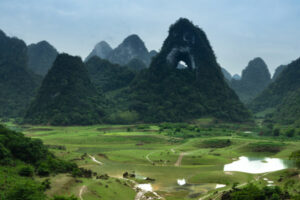
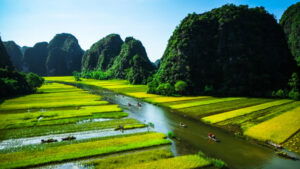
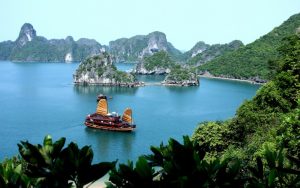
It sits in southern China, surrounded by limestone karst mountains, rice fields, caves, rivers, and the famous Li River scenery you have probably seen on postcards without even realizing it.
The city has long been a favorite for Chinese travelers, photographers, backpackers, and anyone who wants a softer, greener version of China away from the giant megacity rush.
Guilin itself is fairly relaxed, but it is also a gateway to Yangshuo, Longji Rice Terraces, river cruises, caves, and rural villages.
From a travel safety point of view, Guilin is generally safe, but visitors should pay close attention to weather, transport choices, tourist-area scams, and seasonal flooding.
Warnings & Dangers in Guangxi Guilin

OVERALL RISK: LOW
Guilin is a low-risk destination for most travelers. Violent crime against tourists is uncommon, the city is used to visitors, and the main sightseeing zones are generally calm. The biggest issues are usually weather disruptions, petty theft in crowded areas, communication barriers, and occasional tourist pricing tricks.

TRANSPORT & TAXIS RISK: MEDIUM
Transport is usually safe, but tourists should stay alert with taxis, ride-hailing, scooter traffic, and rural road trips. Use official taxis, Didi, hotel-arranged drivers, or reputable tour transport. In Yangshuo and mountain areas, roads can be narrow, wet, dark, or busy with e-bikes.

PICKPOCKETS RISK: LOW
Pickpocketing is not a major threat in Guilin, but it can happen in crowded markets, train stations, bus areas, night streets, river cruise boarding points, and busy scenic spots. Keep your phone and wallet secure, especially when taking photos, negotiating prices, or moving through crowds.

NATURAL DISASTERS RISK: MEDIUM
This is one of Guilin’s more important safety categories. Guangxi has a subtropical climate, and heavy rains can bring flooding, landslides, river swelling, transport closures, and dangerous rural roads. The rainy season, especially late spring through summer, deserves extra planning and weather checks.

MUGGING RISK: LOW
Mugging is rare in Guilin, especially compared with many major tourist destinations around the world. Most travelers walk around safely in the city center, scenic areas, and Yangshuo. Still, avoid isolated riverbanks, dark rural roads, and quiet alleys late at night, especially after drinking.

TERRORISM RISK: LOW
The terrorism risk for tourists in Guilin is low. It is not considered a major target, and most travel concerns are practical rather than political or security-related. As with anywhere, travelers should stay aware in crowded public spaces, transit hubs, and major tourist attractions.

SCAMS RISK: MEDIUM
Scams are not extreme, but they are worth watching for. Tourists may run into overpriced tours, inflated taxi fares, vague boat-trip pricing, tea-shop invitations, aggressive souvenir sellers, or unclear add-on fees. Confirm prices before agreeing, and avoid deals that feel too friendly or rushed.

WOMEN TRAVELERS RISK: LOW
Guilin is generally safe for women travelers, including solo travelers. Public areas are usually comfortable, and serious harassment is not common. The bigger concerns are poorly lit areas at night, remote hiking routes, nightlife situations, and transport back from Yangshuo or rural attractions after dark.

TAP WATER RISK: MEDIUM
Tap water in Guilin is not recommended for drinking straight from the tap. Use bottled water, boiled water, or filtered water. Hotels often provide kettles, and convenience stores sell inexpensive bottled water everywhere. Be careful with ice or uncooked foods in basic rural eateries.
Safest Places to Visit in Guangxi Guilin
Guilin City Center and the Two Rivers and Four Lakes Area
Guilin’s central scenic zone is one of the safest and easiest places for visitors to explore.
The Two Rivers and Four Lakes area is well lit, popular with evening walkers, and surrounded by hotels, restaurants, bridges, pagodas, and boat rides.
It feels relaxed, especially compared with China’s huge cities.
Elephant Trunk Hill and Seven Star Park
These are classic Guilin stops and are generally safe because they are official scenic areas with ticketing, staff, clear paths, and regular tourist flow.
Elephant Trunk Hill is close to the city center, while Seven Star Park offers caves, hills, greenery, and walking paths.
Standard precautions are enough here.
Li River Cruise Route
The Li River cruise from Guilin toward Yangshuo is one of the safest and most organized ways to see the region’s famous scenery.
Boats are regulated, routes are popular, and travelers usually join through hotels, agencies, or official ticket channels.
The main safety concern is weather, not crime.
Yangshuo’s Main Tourist Streets
Yangshuo is livelier than Guilin and attracts backpackers, cyclists, families, and domestic tourists.
West Street and the nearby central tourist area are usually safe, busy, and convenient.
It can get noisy and crowded, but it is still one of the easiest places to eat, shop, and arrange tours.
Longji Rice Terraces
Longji is beautiful and generally safe, but it requires more planning.
The villages and terraces are peaceful, yet the terrain is steep and weather-sensitive.
Wear proper shoes, arrive before dark, and avoid walking muddy terrace paths during heavy rain or fog.
Places to Avoid in Guangxi Guilin
Flood-Prone Riverbanks During Heavy Rain
The most important places to avoid are not necessarily crime areas, but weather-risk areas.
During heavy rain, stay away from swollen riverbanks, low bridges, drainage channels, rural river crossings, and unofficial waterside paths.
Guilin’s beauty is closely tied to water, but that same water can become dangerous quickly.
Isolated Roads Outside Yangshuo at Night
Yangshuo is famous for cycling, scooters, bamboo rafts, countryside paths, and karst scenery.
During the day, these areas are wonderful.
At night, some rural roads become poorly lit, quiet, and hard to navigate.
Avoid riding e-bikes after dark unless you know the route and have reliable lighting.
Unofficial Boat and Raft Operators
Avoid random boat offers from people approaching you on the street or near river areas.
Some may be legitimate, but others can involve inflated prices, unclear routes, weak safety standards, or last-minute “extra” charges.
Use official counters, hotel recommendations, or reputable tour agencies.
Train and Bus Station Surroundings Late at Night
Guilin’s train and bus station areas are useful, but like many transport zones, they can attract taxi touts, confusing offers, and petty opportunism.
They are not places to fear, but they are not where I would wander aimlessly late at night with luggage and a phone in my hand.
Remote Hiking Routes in Bad Weather
Guilin and the surrounding countryside have many scenic paths, hills, terraces, and viewpoints.
Some routes can become slippery, muddy, or difficult after rain.
Avoid remote hikes during storms, fog, or intense heat, and do not count on strong English-language signage in rural areas.
Safety Tips for Traveling to Guangxi Guilin
- Check the weather before planning river trips. Guilin’s scenery is built around rivers, mountains, and terraces, which means weather matters more here than in many city destinations. Heavy rain can affect Li River cruises, bamboo rafting, mountain roads, and Longji Rice Terraces. Before booking a day trip, check the forecast and ask your hotel whether routes are operating normally.
- Visit during the safer weather windows if possible. Spring and autumn are usually the best balance for scenery and comfort, although rain can still happen. Summer can be hot, humid, and stormy, while winter is cooler and quieter. If your trip falls during the rainy season, keep your schedule flexible and avoid stacking all outdoor activities into one tight window.
- Use official taxis or ride-hailing apps. Taxis in Guilin are usually fine, but visitors can still run into overcharging or vague pricing. Use metered taxis, Didi, or hotel-arranged drivers when possible. If you agree on a private driver for Longji, Yangshuo, or airport transfers, confirm the total price, route, waiting time, and return plan before leaving.
- Be careful with e-bikes and scooters in Yangshuo. Renting an e-bike around Yangshuo sounds dreamy, and it can be, but it is not risk-free. Roads may be shared by cars, buses, scooters, bicycles, pedestrians, animals, and tour groups. Wear a helmet if available, avoid night riding, do not ride in heavy rain, and do not underestimate slippery rural lanes.
- Keep valuables close in busy tourist zones. Guilin is not a pickpocket hotspot, but crowded areas still create opportunities. Keep your phone secure near night markets, train stations, cruise boarding areas, and busy shopping streets. I would not carry a passport around unless necessary. A copy on your phone and a secure original at the hotel is usually smarter.
- Confirm tour details before paying. Tour pricing can be confusing, especially for Li River cruises, bamboo rafting, cave visits, terrace trips, and multi-stop day tours. Ask what is included, what is not included, whether meals are covered, where pickup happens, and whether entrance tickets are extra. Cheap tours can sometimes become expensive once the add-ons begin.
- Carry cash, but rely on digital payments where possible. China is highly digital-payment focused, and international travelers now have more options than before through major payment apps and linked foreign cards. Still, Guilin has rural areas where small cash can help. Carry a modest amount of yuan for snacks, taxis, small shops, and backup situations.
- Do not drink tap water. Stick to bottled, boiled, or properly filtered water. This is simple, cheap, and avoids unnecessary stomach trouble. Hotels often provide kettles, and bottled water is available almost everywhere. Also be cautious with raw foods in basic rural restaurants, especially if you have a sensitive stomach.
- Save your hotel address in Chinese. This is one of the easiest safety wins in China. Save your hotel name, address, and phone number in Chinese characters on your phone and as a screenshot. It helps with taxis, ride-hailing, police, lost directions, and emergency situations. English alone is not always useful outside tourist-facing businesses.
- Respect local rules and carry identification. China is safe partly because public order is taken seriously. Follow posted rules at scenic sites, do not fly drones without permission, avoid political demonstrations, and carry passport information when traveling between cities or checking into hotels. Tourists rarely have trouble, but being casual with official rules can create problems fast.
So... How Safe Is Guangxi Guilin Really?
Guilin is a genuinely safe destination for most tourists, especially if you compare it with large global tourist cities where theft, nightlife violence, and street crime are bigger concerns.
The city’s main travel risks are more environmental and logistical than criminal.
In practical terms, I would place Guilin in the low-risk category overall, with a medium-risk note for natural disasters and transport in rural areas.
The biggest safety issue is seasonal rain.
Guangxi can experience heavy downpours, flooding, landslides, road disruption, and river hazards.
This matters because many of Guilin’s best experiences, including Li River cruises, Yangshuo countryside trips, Longji Rice Terraces, and cave or mountain visits, depend on weather and road conditions.
Crime-wise, tourists are more likely to deal with inflated prices, unclear tour terms, or minor theft than anything violent.
Women travelers, families, older travelers, and solo visitors can usually explore comfortably, especially in the city center, official scenic areas, and popular routes.
The key is to plan with weather in mind, use reputable transport, and stay flexible.
Guilin is not a dangerous place, but it is a place where nature can change the plan quickly.
How Does Guangxi Guilin Compare?
| City | Safety Index |
|---|---|
| Guangxi Guilin |
76 |
| Lhasa |
72 |
| Shanghai |
70 |
| Macau |
85 |
| Hong Kong |
75 |
| Beijing |
75 |
| Suzhou |
79 |
 Lauderhill Lauderhill | 75 |
 Podgorica Podgorica | 51 |
| Cedar Falls | 81 |
| Paterson | 67 |
| Portsmouth | 51 |
 Bodrum Bodrum | 78 |
Useful Information

Visas
China visa rules depend heavily on nationality, route, and length of stay. Many travelers need a tourist visa arranged before arrival, while some nationalities qualify for visa-free stays or transit policies. Guilin also has specific visa-free group-tour rules for some ASEAN travelers. Always check your exact passport rules before booking.

Currency
Guilin uses the Chinese yuan, also called renminbi. Cards are accepted in many hotels and larger businesses, but mobile payments dominate China. Bring a small amount of cash for rural areas, markets, and backup. Exchange money through banks, airport counters, or official exchange services rather than street offers.

Weather
Guilin has a humid subtropical climate, with mild winters, hot summers, and a rainy season that can be intense. Pack light breathable clothes for warm months, a rain jacket, quick-dry shoes, and sun protection. For Longji or countryside trips, bring shoes with good grip.

Airports
Guilin Liangjiang International Airport is the main airport serving the area, located outside the city center. Travelers can reach central Guilin by airport bus, taxi, private transfer, or ride-hailing. For Yangshuo, expect a longer transfer, so arrange transport ahead if arriving late.

Travel Insurance
Travel insurance is strongly recommended for Guilin, especially because weather can disrupt river trips, rural transfers, flights, and planned tours. Look for coverage that includes medical care, trip interruption, cancellation, lost luggage, and emergency transport. For hiking, cycling, or rafting, check activity coverage carefully.
Guangxi Guilin Weather Averages (Temperatures)
Average High/Low Temperature
| Temperature / Month | Jan | Feb | Mar | Apr | May | Jun | Jul | Aug | Sep | Oct | Nov | Dec |
|---|---|---|---|---|---|---|---|---|---|---|---|---|
| High °C |
14 | 15 | 18 | 23 | 28 | 30 | 32 | 33 | 30 | 26 | 21 | 16 |
| Low °C |
6 | 8 | 11 | 16 | 20 | 23 | 24 | 24 | 22 | 18 | 13 | 9 |
| High °F |
57 | 59 | 64 | 73 | 82 | 86 | 90 | 91 | 86 | 79 | 70 | 61 |
| Low °F |
43 | 46 | 52 | 61 | 68 | 73 | 75 | 75 | 72 | 64 | 55 | 48 |
China - Safety by City
| City | Safety Index |
|---|---|
| Beijing | 75 |
| Chengdu | 74 |
| Guangxi Guilin | 76 |
| Guangzhou | 64 |
| Hangzhou | 78 |
| Hong Kong | 75 |
| Lhasa | 72 |
| Macau | 85 |
| Shanghai | 70 |
| Shenzhen | 64 |
| Suzhou | 79 |
| Tianjin | 67 |
| Tibet | 87 |
| Xian | 73 |
| Xinjiang | 80 |
| Yangshuo | 77 |














I remember hiking around those karst mountains and almost tripping over trying to catch the perfect photo, the air there feels so fresh compared to the city chaos.