


 Vietnam : Safety by City
Vietnam - safety as a country
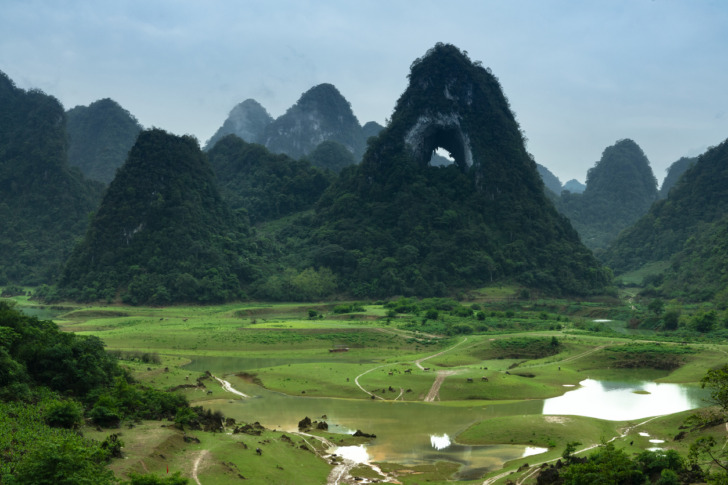
Cao Bang is one of northern Vietnam’s most spectacular mountain provinces, tucked up near the Chinese border and wrapped in limestone peaks, rice valleys, rivers, waterfalls, caves, and quiet ethnic minority villages.
The main city, Cao Bang City, is the practical base, but the real magic happens outside town at places like Ban Gioc Waterfall, Nguom Ngao Cave, Pac Bo, and the Non Nuoc Cao Bang UNESCO Global Geopark.
This is not polished resort Vietnam.
It is wilder, slower, more rural, and much more adventurous.
That is exactly why I like it.
Safety here is less about violent crime and more about mountain roads, weather, remote locations, and making smart choices before heading into the countryside.
Warnings & Dangers in Cao Bang

OVERALL RISK: MEDIUM
Cao Bang is generally safe for tourists, especially compared with larger urban destinations where petty crime is more common. The main concerns are not street violence, but rural travel risks: winding roads, landslides, limited English, border-area rules, and patchy emergency access. Travelers who plan carefully should feel comfortable, but this is not a place to wing everything.

TRANSPORT & TAXIS RISK: MEDIUM
Transport is one of Cao Bang’s biggest safety issues. Roads can be steep, narrow, wet, foggy, and full of sharp bends, especially on routes toward Ban Gioc Waterfall and remote villages. Buses and private transfers are safer than inexperienced scooter riding. If you rent a motorbike, only do it if you are confident on mountain roads.

PICKPOCKETS RISK: LOW
Pickpocketing is not a major problem in Cao Bang. The province is rural, quiet, and far less crowded than Hanoi, Ho Chi Minh City, or big tourist hubs. Still, keep your wallet, phone, and passport secure in markets, bus stations, and tourist sites. Low risk does not mean zero risk.

NATURAL DISASTERS RISK: MEDIUM
Natural disaster risk is real in Cao Bang, mostly during the rainy season. Heavy rain can trigger flash floods, rockfalls, and landslides on mountain roads. Typhoon-related rain can also affect northern Vietnam even when storms make landfall elsewhere. Travelers should check road conditions before long drives, especially from May through October.

MUGGING RISK: LOW
Mugging is uncommon in Cao Bang, and most travelers will not encounter aggressive crime. The local atmosphere is relaxed and community-oriented. The bigger concern is being isolated in rural areas after dark, especially if riding a motorbike or walking along empty roads. Stay in known guesthouses and avoid late-night wandering outside town centers.

TERRORISM RISK: LOW
Cao Bang has a low terrorism risk. Vietnam is politically stable, and tourists are not generally targeted by terrorism. Because Cao Bang borders China, some areas are sensitive from a border-control perspective, but that does not translate into a terrorism concern for normal travelers. Respect signs, checkpoints, and restricted zones.

SCAMS RISK: LOW
Scams are less common in Cao Bang than in Vietnam’s major tourist cities. You may still run into inflated taxi fares, unclear motorbike rental terms, or tour prices that vary widely. Agree on prices before accepting rides, food, homestays, or guides. The more remote the area, the more helpful it is to have prices written down.

WOMEN TRAVELERS RISK: LOW
Women travelers generally find Cao Bang safe, especially when using reputable accommodation and daytime transport. Catcalling and harassment are not usually major issues, but the remote setting adds practical concerns. Solo women should avoid riding alone after dark, stay connected with someone, and choose guesthouses with good local reputations.

TAP WATER RISK: MEDIUM
Do not drink tap water in Cao Bang. Use bottled, filtered, or properly boiled water, even in guesthouses that look clean. Rural plumbing standards vary, and stomach trouble can quickly ruin an otherwise beautiful trip. Be cautious with ice in very small local eateries, and carry water purification tablets for longer countryside outings.
Safest Places to Visit in Cao Bang
Cao Bang City
Cao Bang City is the safest and easiest base for travelers.
It has the best selection of hotels, restaurants, shops, banks, pharmacies, and transport connections in the province.
It is not a big flashy city, but that is part of the charm.
I would use it as a calm landing point before heading deeper into the mountains.
Ban Gioc Waterfall
Ban Gioc Waterfall is the superstar of Cao Bang and one of the most beautiful natural sights in Vietnam.
It sits along the border with China, so visitors should stay on marked paths and follow local rules.
The tourist area is usually safe, scenic, and organized, but wet rocks, slippery paths, and border restrictions require common sense.
Nguom Ngao Cave
Nguom Ngao Cave, near Ban Gioc, is one of the safest major attractions when visited during normal opening hours.
The cave paths are developed enough for tourists, but you still need good shoes because surfaces can be damp.
It is a great pairing with Ban Gioc if you want a full day of sightseeing.
Pac Bo Historical Site
Pac Bo is peaceful, green, and historically important, with clear streams, caves, and walking paths.
It is a safe place to visit during the day, especially with a driver or guide.
The main safety issue is distance from Cao Bang City, so avoid leaving too late and do not count on rural roads being easy after dark.
Non Nuoc Cao Bang Geopark Routes
The geopark routes are ideal for careful travelers who want landscapes without chaos.
Villages, viewpoints, valleys, and limestone formations make this area unforgettable.
The safest way to enjoy it is with a local driver or guide who knows road conditions, weather patterns, and where tourists are welcome.
Places to Avoid in Cao Bang
Remote Border Areas Without Guidance
Cao Bang shares a long border with China, and not every rural path is meant for tourists.
Avoid wandering toward unmarked border zones, military areas, checkpoints, or river crossings near the frontier.
Even if a place looks casual or unfenced, border rules still matter.
Stick to recognized attractions and ask locals before exploring side roads.
Mountain Roads After Dark
The roads outside Cao Bang City can become risky after sunset.
Many stretches are poorly lit, narrow, and full of curves, livestock, trucks, and sudden potholes.
Fog and rain make things worse.
I would avoid night riding entirely unless you are with a professional driver who knows the road very well.
Landslide-Prone Roads During Heavy Rain
During the wet season, some roads in Cao Bang can become dangerous quickly.
Landslides, flooding, mud, and fallen rocks can block routes or leave travelers stranded.
This is especially relevant on mountain roads connecting Cao Bang City with rural districts and waterfall areas.
If locals say not to go, listen.
Isolated Trails Without Local Advice
Cao Bang is tempting for hikers and photographers, but this is not a place to randomly disappear into the hills.
Trails may cross private land, remote ethnic minority villages, border zones, or difficult terrain.
Avoid isolated trekking without a guide, especially in rainy weather or if you do not speak Vietnamese.
Empty Bus Stations and Outskirts Late at Night
Cao Bang is not known for violent nightlife crime, but deserted transport areas are never ideal.
Avoid hanging around empty bus stations, dark roads, or quiet outskirts late at night with luggage or valuables.
Arrange your hotel transfer in advance when arriving after sunset.
Safety Tips for Traveling to Cao Bang
- Do not underestimate the roads. Cao Bang’s roads are beautiful, but they are also the main danger for travelers. Mountain curves, steep drops, gravel, trucks, rain, and fog all raise the risk. If you are not an experienced motorbike rider, choose a private car, guided tour, or bus instead. The scenery is not worth testing your luck on unfamiliar roads.
- Avoid riding a motorbike after dark. Night riding in Cao Bang is a bad idea for most visitors. Street lighting disappears quickly outside town, and hazards can appear suddenly: dogs, cattle, potholes, construction, mud, or parked trucks. Plan your day so you arrive before sunset. This one tip alone can prevent a lot of trouble.
- Check weather before heading to Ban Gioc. Ban Gioc Waterfall is far enough from Cao Bang City that weather matters. Heavy rain can make roads slower, trails slippery, and visibility poor. During wet months, ask your hotel or driver whether the road is open and safe. Cao Bang’s landscapes are dramatic, but the weather can be dramatic too.
- Carry cash, especially outside Cao Bang City. Cash is still important in rural Cao Bang. Cards may work at some hotels, but small restaurants, guesthouses, markets, and local drivers often prefer Vietnamese dong. Keep smaller bills for food, parking, entrance fees, and short rides. Do not rely on finding an ATM in every village.
- Respect border rules near China. Ban Gioc and some nearby areas are close to the Chinese border. Do not swim across rivers, walk into restricted areas, fly drones casually, or ignore signs. Border areas can look relaxed, but rules are real. When in doubt, ask your guide, driver, or ticket office staff before wandering.
- Book accommodation before arriving late. Cao Bang City has hotels and guesthouses, but remote areas can be limited, especially during busy domestic travel periods. Book ahead if you are arriving at night or heading to villages near Ban Gioc. Having a confirmed place to sleep keeps you from making rushed decisions in the dark.
- Use bottled or filtered water. Tap water is not safe to drink. Buy sealed bottled water, refill from trusted filtered-water stations, or boil water properly. This is especially important in rural homestays where plumbing and filtration can vary. I also recommend carrying oral rehydration salts, just in case your stomach gets surprised by local food or water.
- Wear proper shoes at caves and waterfalls. Flip-flops are fine for the hotel, not for slippery limestone steps, damp cave floors, or waterfall paths. Bring comfortable shoes with grip. Nguom Ngao Cave and Ban Gioc are not extreme, but wet stone can turn a casual stroll into a bruised-knee situation very quickly.
- Keep your plans flexible during rainy season. From roughly late spring through early autumn, rain can disrupt travel. Roads may close, buses may run late, and outdoor plans may need changing. Build extra time into your itinerary instead of stacking one long transfer after another. Cao Bang rewards slow travel anyway, so do not rush it like a checklist.
- Hire local help for remote routes. A local driver or guide can make Cao Bang much safer and easier. They know which roads are damaged, which viewpoints are accessible, where tourists can go, and how to communicate in rural areas. This is especially valuable if you want to visit villages, geopark routes, or less famous natural sites.
So... How Safe Is Cao Bang Really?
Cao Bang is safe in the way many rural mountain destinations are safe: low on violent crime, low on tourist harassment, but higher in environmental and transport risk.
I would not put it in the same safety category as an easy city break where hospitals, taxis, English speakers, and paved sidewalks are always nearby.
Cao Bang asks for more awareness.
The biggest danger is road travel.
Vietnam already has challenging traffic conditions, and Cao Bang adds mountain terrain, remote distances, landslide risk, and weather changes.
A traveler who books a decent guesthouse, uses experienced drivers, avoids night riding, and checks the rainy-season forecast will likely have a smooth trip.
A traveler who rents a motorbike with little experience, rides after dark, ignores rain warnings, or explores border roads randomly is creating unnecessary risk.
Crime is not the main story here.
Pickpocketing and mugging are relatively uncommon compared with Vietnam’s big cities.
Scams exist but are usually minor and avoidable.
For most visitors, Cao Bang is a rewarding and peaceful destination, best suited to travelers who enjoy nature, culture, and slower adventures.
Safe? Yes, with planning.
Effortless? Not quite.
That is part of what keeps it special.
How Does Cao Bang Compare?
| City | Safety Index |
|---|---|
| Cao Bang |
78 |
| Hue |
80 |
| Ninh Binh |
82 |
| Da Nang |
78 |
| Halong |
73 |
| Hoi An |
80 |
| Hanoi |
72 |
 Kent Kent | 42 |
| Klamath Falls | 67 |
 Kep Kep | 78 |
 San Andres San Andres | 62 |
| Lewisboro | 88 |
| Bend | 87 |
Useful Information

Visas
Vietnam offers e-visas for many nationalities, commonly with single-entry and multiple-entry options. The standard official fee is usually around 25 USD for single entry and 50 USD for multiple entry. Processing often takes several working days, so apply before traveling. Visa-free entry rules vary by nationality, so check your eligibility before booking.

Currency
The local currency is the Vietnamese dong. Cash is the most useful payment method in Cao Bang, especially outside the city. Exchange money in Hanoi or another major city before traveling north, or withdraw dong from ATMs in Cao Bang City. Carry small bills for markets, taxis, entrance fees, and rural restaurants.

Weather
Cao Bang has a subtropical mountain climate with warm, wet summers and cooler winters. Rainy season can bring landslides and road delays, while winter nights can feel surprisingly chilly. Pack light layers, a rain jacket, comfortable walking shoes, and warmer clothing if visiting from November through February.

Airports
Cao Bang does not have a major commercial airport. Most travelers fly into Hanoi’s Noi Bai International Airport, then continue by road to Cao Bang, usually by bus, limousine van, private car, or motorbike route. The journey is long, often around six to eight hours depending on road conditions and stops.

Travel Insurance
Travel insurance is strongly recommended for Cao Bang because the province is remote, mountainous, and adventure-heavy. Look for coverage that includes medical care, emergency evacuation, motorbike accidents if you plan to ride, trip delays, and weather disruptions. Even careful travelers can run into road closures, injuries, or transport problems.
Cao Bang Weather Averages (Temperatures)
Average High/Low Temperature
| Temperature / Month | Jan | Feb | Mar | Apr | May | Jun | Jul | Aug | Sep | Oct | Nov | Dec |
|---|---|---|---|---|---|---|---|---|---|---|---|---|
| High °C |
17 | 19 | 22 | 26 | 29 | 30 | 30 | 31 | 29 | 26 | 23 | 20 |
| Low °C |
7 | 10 | 13 | 17 | 20 | 22 | 22 | 22 | 29 | 26 | 23 | 20 |
| High °F |
63 | 66 | 72 | 79 | 84 | 86 | 86 | 88 | 84 | 79 | 73 | 68 |
| Low °F |
45 | 50 | 55 | 63 | 68 | 72 | 72 | 72 | 84 | 79 | 73 | 68 |
Vietnam - Safety by City
| City | Safety Index |
|---|---|
| Cao Bang | 78 |
| Da Nang | 78 |
| Halong | 73 |
| Hanoi | 72 |
| Ho Chi Minh City | 70 |
| Hoi An | 80 |
| Hue | 80 |
| Nha Trang | 74 |
| Ninh Binh | 82 |
| Phu Quoc | 78 |
















I remember biking through those winding mountain roads and feeling totally exposed to the wild, like you’re really stepping outside your comfort zone but in the best way possible.
Did you find the mountain roads as tricky as I did when trying to get to Ban Gioc Waterfall, or did you manage to avoid the worst of it?
I once visited Ban Gioc Waterfall and the way the mist mixed with the limestone cliffs made me feel like I was stepping into another world where time just slows down.
I didn’t expect the mountain roads to feel so intense but somehow it made the whole trip way more memorable.