


 Vietnam : Safety by City
Vietnam - safety as a country
Hanoi is the beating heart of northern Vietnam, a city where centuries of history collide with the restless energy of modern Southeast Asia.
Set along the banks of the Red River in northern Vietnam, not far from the mountains that border China, Hanoi blends ancient pagodas, French colonial architecture, bustling street markets, and a street food scene that rivals that of anywhere in the world.
It is home to more than 8 million people and serves as the political capital of Vietnam.
When I first visited Hanoi, I was struck by the organized chaos.
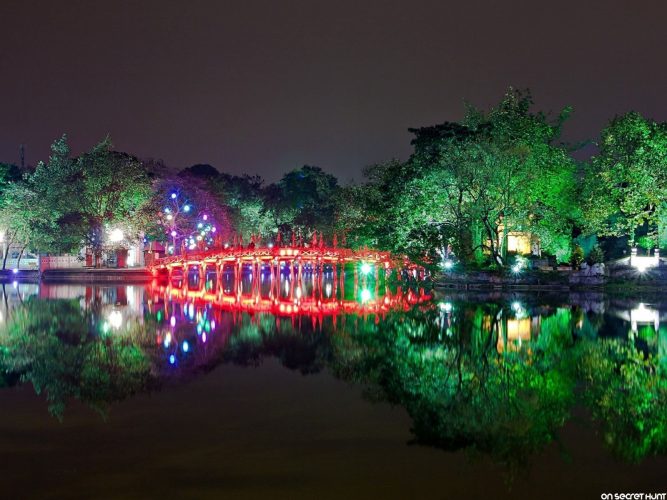
Motorbikes stream through the Old Quarter like schools of fish, vendors balance bamboo poles across their shoulders, and lakes like Hoan Kiem offer pockets of calm in the urban storm.
But with that intensity comes the natural question every traveler asks: How safe is Hanoi, really?
Let’s break it down in detail.
Warnings & Dangers in Hanoi

OVERALL RISK: LOW
Hanoi is generally considered a low-risk destination for travelers. Violent crime against tourists is rare, and the city maintains a strong police presence in central areas. Most safety concerns involve petty theft, traffic hazards, and scams rather than serious criminal activity.

TRANSPORT & TAXIS RISK: MEDIUM
Traffic in Hanoi can feel overwhelming. With millions of motorbikes and frequent congestion, crossing the street can be intimidating. Reputable taxi companies and ride apps are safe, but unlicensed taxis may overcharge. The real risk is road accidents, not crime.

PICKPOCKETS RISK: MEDIUM
Pickpocketing exists, particularly in crowded areas like the Old Quarter and night markets. Bag snatching from passing motorbikes can occur. It is not rampant, but distracted tourists carrying phones loosely are easy targets.

NATURAL DISASTERS RISK: MEDIUM
Hanoi experiences seasonal typhoons, heavy monsoon rains, and occasional flooding between May and October. Severe storms can disrupt travel plans. Earthquakes are rare, but flooding in low-lying districts can be significant during the peak monsoon.

MUGGING RISK: LOW
Muggings are uncommon in Hanoi. Violent street robberies targeting tourists are rare compared to many global cities. Most theft is opportunistic rather than confrontational.

TERRORISM RISK: LOW
Vietnam has a very low incidence of terrorism. Hanoi is politically stable, and attacks targeting tourists are extremely rare. There are no significant patterns of terrorist activity affecting travelers.

SCAMS RISK: MEDIUM
Scams are one of the more common issues in Hanoi. Overcharging for tours, inflated taxi meters, fake tour agencies, and shoe-shining tricks are frequent complaints. These scams are usually non violent but can be frustrating.

WOMEN TRAVELERS RISK: LOW
Hanoi is relatively safe for solo female travelers. Street harassment is minimal compared to many destinations. Basic precautions, such as avoiding isolated areas late at night, are sufficient in most cases.

TAP WATER RISK: HIGH
Tap water in Hanoi is not considered safe to drink. Even locals typically boil water before use. Travelers should stick to bottled or properly filtered water to avoid gastrointestinal illness.
Safest Places to Visit in Hanoi
If you stick to Hanoi’s main tourist areas, you will likely feel very comfortable.
The Old Quarter, despite its chaos, is heavily monitored and constantly busy.
Its narrow streets around Hoan Kiem Lake are filled with tourists, local families, cafes, and shops from early morning until late at night.
High foot traffic tends to deter serious crime.
The Hoan Kiem Lake area itself is one of the safest and most pleasant spots in the city.
Early mornings here are especially lovely, with locals practicing tai chi and jogging.
The pedestrian streets on weekends create a family-friendly environment that feels secure and welcoming.
The French Quarter, south of Hoan Kiem Lake, offers wide boulevards, embassies, and upscale hotels.
This area feels more relaxed and organized, with a strong police presence and lower petty crime rates.
West Lake, or Tay Ho, is popular among expats and offers a calmer atmosphere.
The residential nature of the district, along with many international restaurants and cafes, makes it feel comfortable for travelers who want a quieter stay.
Major cultural attractions such as the Temple of Literature, Ho Chi Minh Mausoleum complex, and the Vietnam Museum of Ethnology are well-maintained and monitored.
These areas are structured, ticketed, and generally very safe for tourists.
Places to Avoid in Hanoi
Hanoi is not a city with clearly defined no-go zones, but there are areas where extra caution is warranted.
Parts of the outer districts far from tourist centers can feel less secure at night, especially poorly lit industrial or residential areas with little foot traffic.
Districts such as Hoang Mai or certain areas in Long Bien are not inherently dangerous, but they lack the lighting and visibility of central neighborhoods.
Train Street, once famous for close-up train photos, has been restricted for safety reasons.
Some unofficial access points still operate, and these can pose both legal and physical risks.
It is best to avoid unauthorized access.
Bus stations late at night, such as Giap Bat or My Dinh, can attract petty criminals targeting distracted travelers.
Keep belongings close and avoid displaying valuables.
Lastly, dimly lit alleyways in the Old Quarter after midnight can increase your vulnerability to bag snatching.
The risk is not extreme, but awareness matters.
Safety Tips for Traveling to Hanoi
- Master the Art of Crossing Hanoi’s Streets. Crossing the road in Hanoi is not about waiting for a gap. It is about becoming part of the flow. Step forward slowly and confidently, maintain a steady pace, and avoid sudden stops or backward movements. Motorbike drivers anticipate your movement and adjust around you. Make eye contact when possible. Avoid running. At major intersections near Hoan Kiem Lake and the Old Quarter, use pedestrian crossings, but still apply the same technique. Hesitation creates more danger than calm predictability.
- Do Not Rent a Motorbike Unless You Truly Know What You Are Doing. It may look fun to zip around like locals, but Hanoi traffic is chaotic and unforgiving. Accident rates in Vietnam are heavily tied to motorbike use. If you lack strong riding experience in dense urban environments, skip it. Use Grab or licensed taxis instead. If you insist on renting, wear a high-quality helmet, confirm insurance coverage, and avoid rush hour between 7 and 9 am and 4 to 7 pm.
- Be Strategic With Your Phone and Camera. Phone snatching from passing motorbikes is one of the most common petty crimes in Hanoi. When using your phone, stand inside shop doorways or position yourself with your back against a wall. Use a wrist strap if possible. Avoid holding your phone loosely while walking near traffic. At night markets, keep your device secured when not actively using it.
- Vet Your Tour Operators Carefully. Hanoi is a gateway to Ha Long Bay, Sapa, and Ninh Binh, and the city is full of travel agencies. Not all are equal. Research reviews carefully and avoid agencies that pressure you with limited-time deals. Confirm what is included in writing, especially for boat tours and overnight trips. Ask about safety equipment on Ha Long Bay cruises and check that life jackets are accessible and visible.
- Treat Street Food Smartly, Not Fearfully. Hanoi’s street food scene is legendary, but choose vendors strategically. Look for busy stalls with high turnover, which signals freshness. Observe whether food is cooked to order and whether utensils are stored cleanly. Avoid raw vegetables that may have been washed in untreated water. Carry hand sanitizer and use it before eating. Food safety here is about smart choices, not avoiding local cuisine.
- Carry Cash Wisely and Understand the Currency. Vietnamese dong comes in large denominations that can confuse new visitors. Familiarize yourself with bill colors and values before paying. Separate larger notes from small change in different pockets. Count your change calmly and discreetly. Avoid displaying large sums in markets like Dong Xuan. ATMs in central districts are generally safe, but use machines attached to banks rather than standalone units late at night.
- Respect Seasonal Weather Risks. From May through October, heavy rains can flood certain streets within minutes. Monitor weather apps daily during the monsoon season. Avoid walking through standing water, as open drainage systems can be hidden beneath the surface. During typhoon warnings, limit outdoor movement and confirm flight status proactively. In winter months, air pollution can spike, so consider a quality mask if you have respiratory sensitivities.
- Choose Accommodation Location Carefully. Staying in the Old Quarter is convenient but noisy and intense. If you prefer calmer surroundings, consider the French Quarter or Tay Ho. Prioritize well-reviewed hotels with 24-hour reception and secure entry. Confirm that your room safe functions properly and avoid leaving passports unattended. A slightly higher nightly rate in a reputable property often translates to better security and peace of mind.
- Stay Aware After Midnight. Hanoi is lively at night, especially around beer streets and weekend walking zones. While violent crime is rare, intoxicated tourists become easy targets for minor theft. Avoid poorly lit alleys after midnight and do not walk alone in isolated areas far from the Lake District. If returning late, use a ride app rather than wandering unfamiliar streets.
- Keep Health and Emergency Planning in Mind. Save the contact information of your embassy and know the location of reputable hospitals, such as international clinics in central Hanoi. Traffic accidents are the most statistically significant risk in Vietnam, so avoid unnecessary road exposure. Keep digital and paper copies of your passport and visa. A small preparation effort can turn a stressful situation into a manageable inconvenience.
So... How Safe Is Hanoi Really?
By global standards, Hanoi is a relatively safe capital.
Vietnam consistently reports lower violent crime rates compared to many Western urban centers.
The U.S. Department of State typically assigns Vietnam a Level 1 or Level 2 advisory, which indicates exercise normal or increased caution rather than avoid travel.
Most reported crimes against tourists involve pickpocketing, petty theft, and scams rather than violent incidents.
Homicide rates remain low compared to regional averages.
Political stability is high, and there is minimal risk of civil unrest affecting tourists.
The greatest danger statistically comes from road traffic accidents.
Vietnam has one of the highest motorbike ownership rates in the world, and traffic-related injuries are common nationwide.
That said, tourists who avoid driving motorbikes themselves significantly reduce their risk.
In practical terms, Hanoi feels safer than many major cities in Europe or the Americas.
Stay aware, respect local customs, and you will likely have an incident-free visit.
How Does Hanoi Compare?
| City | Safety Index |
|---|---|
| Hanoi |
72 |
| Nha Trang |
74 |
| Ninh Binh |
82 |
| Hoi An |
80 |
| Ho Chi Minh City |
70 |
| Hue |
80 |
| Da Nang |
78 |
 Kennett Square Kennett Square | 84 |
 Kabul Kabul | 10 |
 Macau Macau | 85 |
| Santa Barbara | 72 |
 English Harbour English Harbour | 88 |
 Acapulco Acapulco | 45 |
Useful Information

Visas
Many travelers need an e visa to enter Vietnam. The standard tourist e visa costs about 25 USD for a single entry and is typically valid for 30 to 90 days, depending on nationality. Applications are completed online and processed within several business days.

Currency
The local currency is the Vietnamese dong. Credit cards are accepted in hotels and larger restaurants, but cash is essential in markets. Exchange money at banks or official counters rather than informal street exchangers.

Weather
Hanoi has four distinct seasons. Summers are hot and humid with heavy rain from May to September. Winters are cooler and can drop below 15 degrees Celsius. Pack light breathable clothing for summer and a jacket for winter evenings.

Airports
Noi Bai International Airport is about 30 kilometers from central Hanoi. Airport taxis, ride apps, and shuttle buses connect to the city in about 30 to 45 minutes, depending on traffic.

Travel Insurance
Travel insurance is strongly recommended. Coverage should include medical emergencies, trip interruption, and evacuation. Healthcare costs for serious injuries can rise quickly, especially if an international transfer becomes necessary.
Hanoi Weather Averages (Temperatures)
Average High/Low Temperature
| Temperature / Month | Jan | Feb | Mar | Apr | May | Jun | Jul | Aug | Sep | Oct | Nov | Dec |
|---|---|---|---|---|---|---|---|---|---|---|---|---|
| High °C |
21 | 22 | 24 | 27 | 32 | 35 | 33 | 32 | 31 | 29 | 26 | 22 |
| Low °C |
16 | 17 | 19 | 22 | 25 | 27 | 27 | 26 | 25 | 23 | 20 | 17 |
| High °F |
70 | 72 | 75 | 81 | 90 | 95 | 91 | 90 | 88 | 84 | 79 | 72 |
| Low °F |
61 | 63 | 66 | 72 | 77 | 81 | 81 | 79 | 77 | 73 | 68 | 63 |
Vietnam - Safety by City
| City | Safety Index |
|---|---|
| Cao Bang | 78 |
| Da Nang | 78 |
| Halong | 73 |
| Hanoi | 72 |
| Ho Chi Minh City | 70 |
| Hoi An | 80 |
| Hue | 80 |
| Nha Trang | 74 |
| Ninh Binh | 82 |
| Phu Quoc | 78 |

















Temperature
Idk about that temperature man, I mean in summer you are gonna sweat a lot just by standing still outside for just 30 secs due to the 40-45C heat, so if you want to do something outside in the summer, do it in the evening.
Native here, if you’re concerned about the temperature then here’s a quick breakdown, in late spring and throughout the summer months It gets really hot here like really really hot so pack light clothes but also bring enough to cover your face since the roads are pretty dusty.
Meanwhile in late fall and winter months sometimes it gets really really cold like 18-20C cold which is prob normal for westerners but really cold for us, oh yeah and it also rains a lot.
Spring months are a bit unpredictable, sometimes it can get really hot sometimes it can get really cold. If you’re concerned about petty crimes such as pickpockets, bike thefts, or even sexual assault then try to stay away from downtown especially late at night like 1 am or 2am, other than that, areas outside of downtown are relatively safe.
If your going in the evening then try to go in groups, wear your bags in front of you or just put your valuables somewhere that are easily visible, also put away your jewelry if you can or else you would just be advertising yourselves to pickpockets and highwaymen. Hope my review is somewhat useful and good luck have fun on your trips to Hanoi!!!
Thanks for the info 🙏🏼
Thanks for the practical info 🙏🏼 Heading to Hanoi mid September. A bit worried about the weather, coming from Southern California, USA, I’m used to hot weather, but I don’t like it the older I get 😄🥵 Anyway, sounds like good old “common sense” and respect should keep me relatively safe? Thanks again for the good info!
Extreme pollution
Worst city in Southeast Asia. I lived there for a couple of months, every day AQI was dangerously above 170. Streets are dirty and scattered by litters. Traffic is dense and disordered, it’s very risky to cross the road anywhere in the city.
Price gouging is everywhere, especially if you are a foreigner.
Don’t recommend at all.
Strolling through Hanoi’s streets, I found the blend of vibrant history and stunning landscapes truly captivating; it felt like stepping into a living painting.
You never realize just how loud the motorbikes are until you’re trying to cross the street and feel like you’re in some kind of real-life video game.
The street food here hit different, especially that fresh spring roll I grabbed by the lake.