


 Andorra : Safety by City
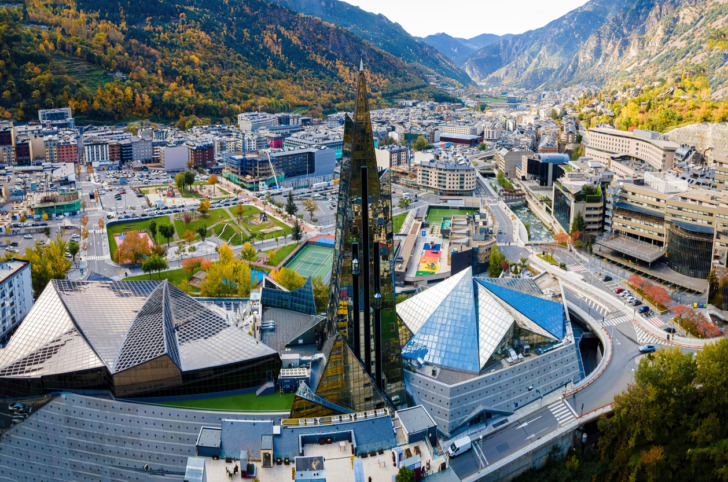
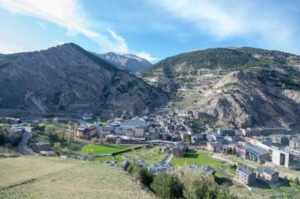
Tucked high in the Pyrenees between Spain and France, Andorra is one of those places that feels almost too neat, too scenic, and too peaceful to be real.
This tiny principality is famous for ski slopes, mountain roads, duty-free shopping, and postcard-worthy villages, but it is not just a winter destination.
In warmer months, hikers, cyclists, and families arrive for alpine trails, sunny weather, and a slower pace that feels a world away from larger European cities.
What makes Andorra especially interesting from a safety perspective is that it combines a very low crime environment with mountain conditions that can turn serious fast.
So the main question is not usually whether Andorra is dangerous in the classic big city sense.
It is whether travelers know how to handle the roads, the weather, and the occasional tourist-targeted nuisance crime.
Overall, it is one of the safer destinations in Europe for most visitors.
Warnings & Dangers in Andorra

OVERALL RISK: LOW
Andorra is generally a low-risk destination for tourists. It has a low crime rate overall, and most visitors find it calm, orderly, and easy to navigate. The main risks are usually tied to mountain weather, winter driving, and occasional petty theft in crowded commercial or ski areas rather than violent crime.

TRANSPORT & TAXIS RISK: LOW
Transport risk in Andorra is fairly low, but it rises in winter and during heavy weather. There is no major airport inside the country, so most visitors arrive by road from Spain or France. Mountain driving can be tricky during snow and ice, and winter tires or chains may be necessary in colder months. Book licensed transport and check road conditions before crossing borders.

PICKPOCKETS RISK: LOW
Pickpocketing is not a defining problem in Andorra, but it can happen anywhere tourists gather with wallets, shopping bags, and phones in easy reach. Busy retail streets, ski resort hubs, and transit points deserve extra attention. Compared with many European destinations, the risk is lower, but travelers should still keep bags zipped and valuables close.

NATURAL DISASTERS RISK: MEDIUM
Natural disaster risk is best described as medium because Andorra’s mountains create real environmental hazards. Heavy snowfall, icy roads, rapid weather changes, and avalanche conditions can affect visitors, especially those skiing, hiking, or driving through mountain passes. This is not a destination where you ignore forecasts. Nature is beautiful here, but it deserves respect.

MUGGING RISK: LOW
Mugging and violent street crime are uncommon in Andorra. Most visitors never encounter anything more serious than a lost item or a minor inconvenience. That said, no destination is completely immune to opportunistic incidents, especially late at night around nightlife spots or parking areas. Use normal caution, but there is no reason for most visitors to feel on edge.

TERRORISM RISK: LOW
Terrorism is not considered a major day-to-day risk for travelers in Andorra. It is not usually treated as one of the country’s leading safety concerns. As with any European destination, it is still wise to stay aware in crowded public areas and during major events, but this is not a major factor for most trips.

SCAMS RISK: LOW
Scam risk is low, especially compared with larger tourist capitals. You are far less likely to run into aggressive street scams here than in some big European cities. The more realistic annoyances are overpriced unofficial services, retail misunderstandings, or unnecessary upsells in tourist-heavy zones. Using established hotels, shops, and transport providers usually keeps things simple.

WOMEN TRAVELERS RISK: LOW
Women traveling solo in Andorra will usually find it comfortable and manageable. General crime is low, harassment is not commonly flagged as a major issue, and the country has a calm, orderly feel. The more important safety concerns for women are the same ones facing everyone else: mountain conditions, late-night transport planning, and keeping someone informed before remote hikes.

TAP WATER RISK: LOW
Tap water in Andorra is generally safe to drink, and most travelers should have no issue using it throughout the country. In a mountain destination known for clean natural surroundings, this is one of the easier safety boxes to tick. Travelers with sensitive stomachs may still prefer bottled water at first, but contamination is not a major concern.
Safest Places to Visit in Andorra
Andorra la Vella
The capital is one of the easiest and safest bases for first-time visitors.
It is busy enough to feel lively, but small enough to stay manageable.
You will find shopping streets, hotels, restaurants, and public areas that feel polished and well-organized.
During the day and evening, it is generally comfortable for couples, families, and solo travelers who use normal city awareness.
Escaldes-Engordany
Right next to the capital, Escaldes-Engordany is a smart choice for travelers who want a calm urban stay with easy access to wellness facilities, shops, and cafés.
It tends to appeal to visitors who want comfort without constant noise.
The area’s walkability and developed tourist infrastructure make it one of the most convenient, low-stress places in the country.
Ordino
Ordino has a more peaceful, village-like atmosphere and is often one of the best areas for travelers who want scenery without the bustle of the main shopping zones.
It feels orderly, slower, and very photogenic.
For travelers who enjoy mountain charm, cultural stops, and a quieter base, this is one of the strongest picks in Andorra.
Canillo and Family Ski Areas
Canillo and nearby resort-linked zones are among the safer mountain bases because they are well known, tourism-oriented, and set up for regular visitor flow.
Families often choose this part of Andorra for a reason.
The key here is not crime, but staying alert to weather, slope conditions, and winter road rules.
Places to Avoid in Andorra
Remote Mountain Areas in Bad Weather
Andorra does not have many classic dangerous neighborhoods in the way larger cities do.
Conditions rather than crime maps often define the places to avoid.
Remote mountain trails, off-piste snow areas, and isolated roads can become dangerous very quickly when the weather shifts.
Fog, snow, ice, and avalanche risk matter more here than urban trouble.
Busy Shopping Areas During Peak Times
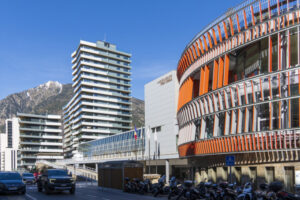
This might sound mild compared with other destinations, but the busiest commercial stretches in Andorra la Vella and Escaldes-Engordany are the places where travelers should be most alert to petty theft.
They are not dangerous in a dramatic sense, but crowded retail zones naturally create opportunities for distraction theft, especially during holiday shopping and ski season peaks.
Border Routes During Winter Storms
Roads approaching Andorra from Spain and France can be the least forgiving part of the trip when conditions worsen.
Travelers who are not comfortable driving in snow or mountain terrain should think twice before attempting a border crossing in poor weather or after dark.
These are not places to avoid permanently, but they are places to treat seriously.
Late Night Isolated Parking Areas
Violent crime is uncommon, but isolated parking areas and quiet roadside spots are never ideal places to linger at night.
This is more about sensible travel behavior than a uniquely Andorran threat.
Arrive with a clear route, avoid leaving valuables visible in vehicles, and head straight to your accommodation instead of hanging around unfamiliar dark areas.
Safety Tips for Traveling to Andorra
- Take mountain weather seriously. Andorra may look compact on the map, but alpine weather can change fast. A bright morning can turn into a cold, slippery, low-visibility afternoon. Check local forecasts before driving, hiking, skiing, or crossing the border, and do not assume a sunny valley means safe conditions higher up.
- Use winter-ready transport in the colder months. From late fall through spring, winter tires or chains can be necessary depending on conditions. This is not optional advice for tourists. If you rent a car, confirm the setup before leaving the lot. If you are nervous about mountain roads, use buses or private transfers instead of driving yourself.
- Keep valuables close in shopping districts. Andorra is known for retail and duty-free shopping, which means travelers often carry phones, wallets, passports, and purchases all at once. That is exactly when people become careless. Use a zipped bag, avoid keeping your phone in an open coat pocket, and do not set bags down while browsing.
- Do not go off piste casually. Skiers and snowboarders sometimes underestimate mountain risk in a country with polished resort infrastructure. Stay on marked runs unless you are properly equipped and experienced, and never assume a quiet off-piste section is automatically safe. Avalanche and terrain risks are very real.
- Plan your border route ahead of time. Since Andorra has no major airport of its own, nearly every traveler arrives through Spain or France. Check the route, the weather, and your arrival time in advance. Border area driving after dark in poor conditions is when a low-risk trip starts feeling much more stressful than necessary.
- Stay hydrated and pace yourself at altitude. Even though Andorra is not an extreme altitude territory compared with some destinations, visitors can still feel the effects of being active in a high mountain environment. Hiking, skiing, and even long walks can feel more tiring than expected. Drink water, rest, and do not push too hard on day one.
- Use licensed services and established lodging. Andorra is well set up for tourism, so there is little reason to improvise with sketchy transport or questionable rentals. Stick with reputable accommodation, official resort services, and clearly marked taxis or transfers. A little structure goes a long way in keeping the trip smooth.
- Carry layers, not just one heavy coat. The weather can vary sharply by elevation and time of day. Pack in layers so you can adjust easily. In winter, add gloves, waterproof shoes, and proper traction. In warmer months, keep a light jacket nearby because mountain evenings can cool off fast.
- Keep emergency numbers and contacts handy. Save your hotel details, transport contacts, and a screenshot of your route in case mobile service gets patchy in mountain areas. This is a simple habit that makes problems much easier to manage. Knowing where you are going before you lose signal can save you stress later.
- Buy travel insurance that matches your activities. A city break style policy may not be enough if you plan to ski, hike, bike, or spend time on mountain roads in winter. Make sure your policy actually covers the activities you intend to do, including medical care, cancellation, and transport disruptions.
So... How Safe Is Andorra Really?
Andorra is genuinely one of the safer destinations in Europe for the average traveler.
The overall crime picture is reassuring, and that alone already places it in a strong position compared with many tourism-heavy countries.
Petty theft can happen, especially where visitors cluster around shopping streets, buses, or ski gateways, but violent crime is uncommon, and most trips pass without incident.
Where Andorra becomes more complicated is the mountain environment.
Safety here depends less on fear of people and more on respect for geography.
Snowfall can be heavy, roads can become hazardous, and mountain activity carries a different kind of risk than urban tourism.
Travelers who ignore forecasts, drive unprepared in winter, or head into alpine terrain casually are far more likely to have problems than those who practice basic caution.
Add the fact that the country has no major airport and relies heavily on road access through Spain or France, and trip planning matters more than usual.
In plain terms, Andorra is very safe for travelers who behave sensibly.
It is not a destination that usually punishes people for visiting, but it can punish those who underestimate the mountains.
How Does Andorra Compare?
| Country | Safety Index |
|---|---|
| Andorra | 89 |
 Indonesia Indonesia | 58 |
 Vietnam Vietnam | 77 |
 Croatia Croatia | 83 |
 Trinidad and Tobago Trinidad and Tobago | 43 |
 British Virgin Islands British Virgin Islands | 89 |
 Republic of the Congo Republic of the Congo | 54 |
 Burundi Burundi | 30 |
 South Korea South Korea | 86 |
Useful Information

Visas
Andorra does not issue its own tourist visa in the usual sense, and many travelers can enter for up to 90 days with a valid passport or national ID, depending on nationality. The practical catch is that you normally enter through Spain or France, so travelers who need Schengen permission should make sure they have the right entry setup.

Currency
Andorra uses the euro. Credit cards are widely accepted, which makes day-to-day travel pretty easy for most visitors. For the best exchange experience, it is usually smarter to withdraw euros from a bank ATM or exchange money before arriving rather than relying on last-minute tourist exchange points.

Weather
Andorra has a high mountain climate with Mediterranean influence, meaning warm summers, cold winters, and frequent snowfall. Rain is more common between spring and fall, while winter can be properly snowy rather than just chilly. Pack layers year-round, and in winter bring serious cold-weather gear.

Airports
Andorra has no major airport within the country. The closest small regional option is near La Seu d’Urgell, and wider international choices include airports in Toulouse and Barcelona. From these airports, many travelers continue by bus, transfer, or rental car. The road journey is part of the trip, so build in extra time during winter.

Travel Insurance
Travel insurance is a very smart idea for Andorra, especially if you plan to ski, hike, or drive through mountain conditions. A basic policy is better than none, but activity-specific coverage is even better. Make sure medical treatment, cancellations, and winter sports are covered if those apply to your trip.
Andorra Weather Averages (Temperatures)
Average High/Low Temperature
| Temperature / Month | Jan | Feb | Mar | Apr | May | Jun | Jul | Aug | Sep | Oct | Nov | Dec |
|---|---|---|---|---|---|---|---|---|---|---|---|---|
| High °C |
6 | 7 | 10 | 12 | 15 | 19 | 24 | 24 | 20 | 15 | 10 | 7 |
| Low °C |
-2 | -2 | 0 | 2 | 5 | 8 | 11 | 11 | 8 | 4 | 1 | -1 |
| High °F |
43 | 45 | 50 | 54 | 59 | 66 | 75 | 75 | 68 | 59 | 50 | 45 |
| Low °F |
28 | 28 | 32 | 36 | 41 | 46 | 52 | 52 | 46 | 39 | 34 | 30 |
Andorra - Safety by City
| City | Safety Index |
|---|---|
| Andorra la Vella | 89 |
| Arinsal | 92 |
| Canillo | 94 |
| Encamp | 91 |
| Escaldes-Engordany | 93 |
| La Massana | 93 |
| Ordino | 94 |
| Pas de la Casa | 90 |
| Sant Julia de Loria | 92 |
| Soldeu | 92 |












I remember driving those mountain roads and getting this mix of calm and sudden alertness like you have to be ready for anything.